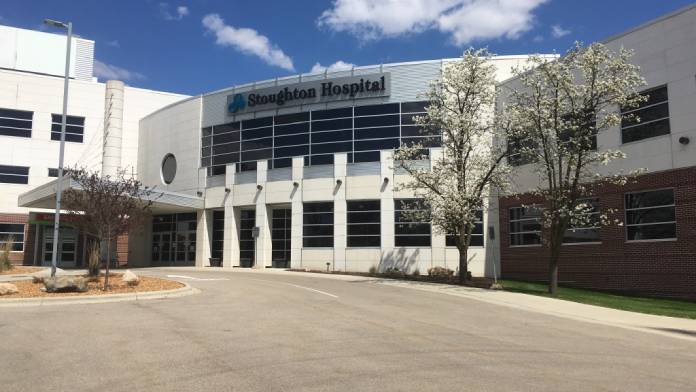
WisHope Recovery
1
Top 10 Rehab Centers In Waukesha




















































































Their outpatient care provides flexibility with managing your schedule, so you can prioritize your healing and handle other responsibilities like childcare or employment. They offer day treatment, an intensive outpatient program (IOP), and traditional outpatient care. Their IOP can range between nine to 19 hours weekly. You can discuss options with a licensed clinician during the intake process to gain a better understanding of what level of care is most appropriate for you. They also offer comprehensive assessments, court ordered evaluations and DUI evaluations.
What stands out to me the most is their comprehensive family programming. Since substance use affects your loved ones as well, they provide education and group sessions between three to five hours a week. As you and your family receive therapy, support and guidance, you can strengthen relationships, improve communication skills, and develop coping skills.
Another amazing service they offer here is treatment for gambling addiction. This co-occurring disorder is often overlooked, but the impact gambling has affects your well being due to the financial chaos and stress it can create. To address these effects they offer personalized care for gambling as well as supportive services for your family.

 Our Methodology


Private insurance refers to any kind of healthcare coverage that isn't from the state or federal government. This includes individual and family plans offered by an employer or purchased from the Insurance Marketplace. Every plan will have different requirements and out of pocket costs so be sure to get the full details before you start treatment.
Self-pay involves paying for treatment out of your own pocket. You can use savings or credit, get a personal loan, or receive help from family and friends to fund your treatment. If you don't have insurance or your insurance plan doesn't cover a specific program, self-pay can help ensure you still get the care you need.
Medicaid is a state based program that helps lower-income individuals and families pay for healthcare. Medicaid covers addiction treatment so those enrolled can use their coverage to pay for rehab. When a program accepts Medicaid the client often pays very little or nothing out of their own pocket.
Residential treatment programs are those that offer housing and meals in addition to substance abuse treatment. Rehab facilities that offer residential treatment allow patients to focus solely on recovery, in an environment totally separate from their lives. Some rehab centers specialize in short-term residential treatment (a few days to a week or two), while others solely provide treatment on a long-term basis (several weeks to months). Some offer both, and tailor treatment to the patient's individual requirements. Linden Oaks' Residential Stay Program offers additional support for those who may benefit from a structured living environment. A patient's stay may vary from a few days to 30 days ago. The program includes group, family and individual counseling.
Outpatient Programs (OP) are for those seeking mental rehab or drug rehab, but who also stay at home every night. The main difference between outpatient treatment (OP) and intensive outpatient treatment (IOP) lies in the amount of hours the patient spends at the facility. Most of the time an outpatient program is designed for someone who has completed an inpatient stay and is looking to continue their growth in recovery. Outpatient is not meant to be the starting point, it is commonly referred to as aftercare.
Intensive Outpatient programs are for those who want or need a very structured treatment program but who also wish to live at home and continue with certain responsibilities (such as work or school). IOP substance abuse treatment programs vary in duration and intensity, and certain outpatient rehab centers will offer individualized treatment programs. The Intensive Outpatient Program gives patients the chance to participate in a structured treatment plan part-time while they transition back to home and work or other responsibilities. This program provides half-day treatment (Monday, Wednesday and Friday, 9:15 am to 12:30 pm).
Completing a drug or alcohol rehab program shouldn't spell the end of substance abuse treatment. Aftercare involves making a sustainable plan for recovery, including ongoing support. This can include sober living arrangements like halfway houses, career counseling, and setting a patient up with community programs like Alcoholics Anonymous (AA) or Narcotics Anonymous (NA).
Adult rehab programs include therapies tailored to each client's specific needs, goals, and recovery progress. They are tailored to the specific challenges adult clients may face, including family and work pressures and commitments. From inpatient and residential treatment to various levels of outpatient services, there are many options available. Some facilities also help adults work through co-occurring conditions, like anxiety, that can accompany addiction.
Young adulthood can be an exciting, yet difficult, time of transition. Individuals in their late teens to mid-20s face unique stressors related to school, jobs, families, and social circles, which can lead to a rise in substance use. Rehab centers with dedicated young adult programs will include activities and amenities that cater to this age group, with an emphasis on specialized counseling, peer socialization, and ongoing aftercare.
Men and women in North Dakota find accountability and motivation within group therapy sessions. Members encourage each other to stay committed to their recovery goals, which fosters a sense of community and shared progress. These friendships often follow you outside the group therapy setting.
People in North Dakota work confidentially with their therapist who uses tailored interventions in the individual therapy sessions. These help you to develop effective coping skills and use emotional regulation techniques that enhance your likelihood of experiencing long term and sustainable sobriety.
Family therapists in North Dakota use therapy sessions to emphasize healing the relationships that were strained by addiction. Your therapist will help each family member understand the role they played in addiction and their responsibilities in recovery. This helps foster a collaborative approach that benefits each loved one and the family unit.
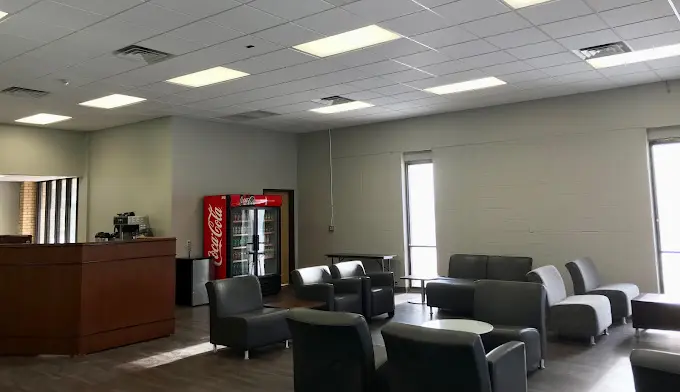
 Private Rooms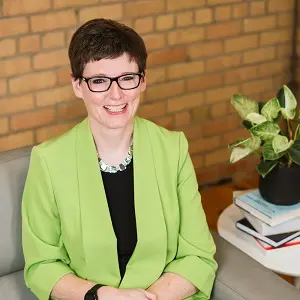
Executive Director
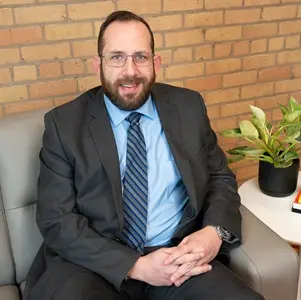
Director of Operations
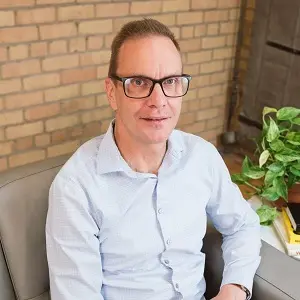
Licensed Addiction Counselor
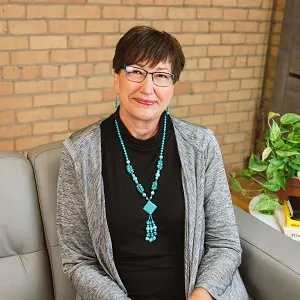
Family Counselor
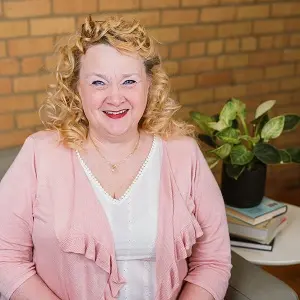
Office Manager
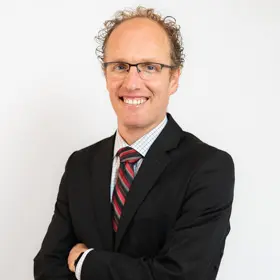
BOD, Chair

LegitScript has reviewed Soul Solutions Recovery Center as part of their certification program, and has determined that it meets the LegitScript standards for legality, safety and transparency.
LegitScript verified in
Rehab.com regularly reviews this listing for accuracy but changes may occur between updates. For the most up-to-date information, please contact Soul Solutions Recovery Center.

1801 38th St S
Fargo, ND 58103
Sponsored Helpline

was told "white people arn't worth saving" not something I was thinking I was going to hear during the first 5 min. I guess being in a room full of rainbows and pride stuff isn't safe for every type of people. When asked to speak with her on the phone I keep getting hung up on.

Got told to start shooting up again so I can go back to group therapy. But of course for another $19,000. Was not expecting that after they helped me get clean. She told me this after I told her I don't do protesting or politics in general. Was unaware that was part of being clean.

Soul Solutions is the best of the best. From the moment you walk in the door; you matter, you are heard, and you experience hope. I am so grateful for their support and family program.

It is an awesome place with special people!! I wouldn't be here today without the help and support I received and continue to recieve from Soul Soulutions. If you are lost they are the light that can get you out of the darkness.
 Back
Back
Sharing your insights and experiences can help others learn more about this rehab center.