






































































































I can not believe it! These people are too good to live in such a horrible world! When I first came here, I did not think I was able to improve, but they helped me to move forward and not give up! They saved my life, and I know they'll save many more!
About St. Luke’s Canyon View Behavioral Health Services
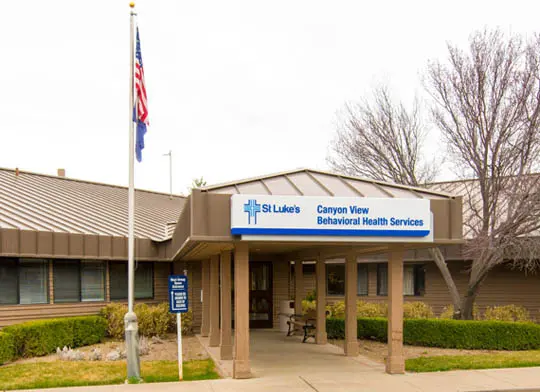
St. Luke’s Canyon View Behavioral Health Services is an inpatient psychiatric facility in Twin Falls, Idaho providing crisis stabilization and acute mental health care for adults facing serious behavioral health challenges.
This secure, free standing hospital offers comprehensive inpatient psychiatric services for individuals age 18 and older, including those with complex medical and social needs. The facility uses a multidisciplinary team approach to address mood disorders, psychotic disorders and personality disorders, substance use disorders and co-occurring mental health conditions.
Inpatient Psychiatric Programs
Treatment begins with a diagnostic evaluation that considers each patient’s medical, therapeutic and psychosocial needs. Admissions typically occur through referrals from local emergency departments, hospitals and community based providers, with clinical assessments determining eligibility for inpatient care.
Patients participate in structured daily programming that includes a mix of group and individual therapeutic meetings designed to stabilize acute symptoms and build coping skills.
The care team includes psychiatrists, advanced practice clinicians and psychiatric nurses, social workers and case managers, occupational therapists and hospitalists, with specialty consultations available in areas such as nutrition and physical therapy, vocational rehab and integrative medicine, neuropsychological testing and chaplaincy services.
Quick Facts to Know
- Location: Twin Falls, Idaho in a secure, free standing behavioral health facility
- Level of care: Inpatient psychiatric treatment for acute mental health crises and stabilization
- Who they treat: Adults age 18 and older with serious mental health conditions, dual diagnosis and complex medical or social needs
- Approach: Multidisciplinary team model with structured daily activities and comprehensive diagnostic evaluation
- Payment options: Accepts various private insurance plans; contact the facility to verify coverage
- Campus features: Tobacco and drug free environment with nicotine replacement therapy available and scheduled visitor hours
- Support: 24 hour help line for after hours or weekend assistance
How to Access Care
Admission to St. Luke’s Canyon View Behavioral Health Services in Twin Falls typically begins with a referral from an emergency department, hospital or community provider followed by a clinical assessment to determine appropriate placement. The admissions team can review insurance coverage, answer questions about inpatient programming and coordinate the intake process.
Edited by:
Natalie Scott
Latest Reviews
I'm normally not a big fan of St Luke's, but Canyon View saved my life. I went in Friday afternoon wanting to die, and in the three days I was there, I feel happy and love my life. The staff were incredible, especially my nurse, Mary and the Social Worker, Tabitha. Going to the groups really helped me. I will be forever grateful for Canyon View♥️
Response from the owner3 months ago
We truly appreciate your review. Thank you, the St. Luke's Review Response team
This place is a scam! A person who is confused, severely stressed, or depressed, having self harming thoughts, goes to the hospital then forced on a 36hr hold is sent there for help. (This causes more stress on the patient) They receive no help. (Causes more stress) Medication is pushed on them. (More stress) Not able to sleep while in there due to 15min welfare checka were they have to wake you up. (Sleep deprivation, which has been a form of torture, more stress) then they release you with no help provided. So your placed in a prison like environment. Then you get the bill.... from St Luke's and this place. If you haven't done self harm to yourself before the bill, there's a good chance this will send you over the edge.
You would be better off burning $13k-$15k. This place doesn't help you, they are there to scam you out of your money!
Response from the owner3 months ago
We truly value this feedback. We consider it a privilege to care for and serve our community, and we welcome feedback from our patients and their families. If you would like to speak to Patient Relations, please call 208-381-1420 or visit stlukesonline.org/feedback to formally submit written feedback. Thank you, the St. Luke's Review Response team
Wonderful place. Staff was very caring and treated me with respect. I can't say enough good about these Wonderful people.. thank you all.
Response from the owner3 months ago
The St. Luke's Review Response team thanks you for taking the time to leave us positive feedback! 
Rehab Score
 Our Methodology
Scoring is assigned by a proprietary system which helps surface key metrics that determine quality. The 10-point scale factors in categories such as operations, customer satisfaction, and trust metrics. Read Full Methodology

5.8 / 10
Gallery
Accepted Insurance
Other Forms of Payment
Private insurance refers to any kind of healthcare coverage that isn't from the state or federal government. This includes individual and family plans offered by an employer or purchased from the Insurance Marketplace. Every plan will have different requirements and out of pocket costs so be sure to get the full details before you start treatment.
Self-pay involves paying for treatment out of your own pocket. You can use savings or credit, get a personal loan, or receive help from family and friends to fund your treatment. If you don't have insurance or your insurance plan doesn't cover a specific program, self-pay can help ensure you still get the care you need.
Medicare is a federal program that provides health insurance for those 65 and older. It also serves people under 65 with chronic and disabling health challenges. To use Medicare for addiction treatment you need to find a program that accepts Medicare and is in network with your plan. Out of pocket costs and preauthorization requirements vary, so always check with your provider.
Medicaid is a state based program that helps lower-income individuals and families pay for healthcare. Medicaid covers addiction treatment so those enrolled can use their coverage to pay for rehab. When a program accepts Medicaid the client often pays very little or nothing out of their own pocket.
Military members, veterans, and eligible dependents have access to specific insurance programs that help them get the care they need. TRICARE and VA insurance can help you access low cost or no cost addiction and mental health treatment. Programs that accept military insurance often have targeted treatment focused on the unique challenges military members, veterans, and their families face.
Addiction Treatments
Levels of Care
Residential treatment programs are those that offer housing and meals in addition to substance abuse treatment. Rehab facilities that offer residential treatment allow patients to focus solely on recovery, in an environment totally separate from their lives. Some rehab centers specialize in short-term residential treatment (a few days to a week or two), while others solely provide treatment on a long-term basis (several weeks to months). Some offer both, and tailor treatment to the patient's individual requirements.
Clients participating in a rehab aftercare program receive a variety of services designed to support their sustained sobriety and successful reintegration into their home, workplace, and community. Rehab aftercare services may include formal outpatient care, such as addiction counseling and recovery education provided in an outpatient treatment center. They may also include community-based services, including 12 step program induction, peer coaching, and vocational training. These programs are typically designed in partnership with the client's case manager.
Drug and alcohol addiction often takes a heavy toll on one's body. Over time, a physical dependence can develop, meaning the body physiologically needs the substance to function. Detox is the process of removing drugs and/or alcohol from the body, a process that can be lethal if mismanaged. Medical detox is done by licensed medical professionals who monitor vital signs and keep you safe, healthy, and as comfortable as possible as you go through detox and withdrawal.
Treatments
The goal of treatment for alcoholism is abstinence. Those with poor social support, poor motivation, or psychiatric disorders tend to relapse within a few years of treatment. For these people, success is measured by longer periods of abstinence, reduced use of alcohol, better health, and improved social functioning. Recovery and Maintenance are usually based on 12 step programs and AA meetings.
Drug rehab in Idaho provides treatment for addiction to drugs. It usually includes a combination of treatment methods that can involve counseling, medication, and a variety of evidence-based therapies. Programs are designed to help individuals manage their substance use disorder long-term.
A combined mental health and substance abuse rehab has the staff and resources available to handle individuals with both mental health and substance abuse issues. It can be challenging to determine where a specific symptom stems from (a mental health issue or an issue related to substance abuse), so mental health and substance abuse professionals are helpful in detangling symptoms and keeping treatment on track.
Opioid rehabs specialize in supporting those recovering from opioid addiction. They treat those suffering from addiction to illegal opioids like heroin, as well as prescription drugs like oxycodone. These centers typically combine both physical as well as mental and emotional support to help stop addiction. Physical support often includes medical detox and subsequent medical support (including medication), and mental support includes in-depth therapy to address the underlying causes of addiction.
Programs
Adult rehab programs include therapies tailored to each client's specific needs, goals, and recovery progress. They are tailored to the specific challenges adult clients may face, including family and work pressures and commitments. From inpatient and residential treatment to various levels of outpatient services, there are many options available. Some facilities also help adults work through co-occurring conditions, like anxiety, that can accompany addiction.
Young adulthood can be an exciting, yet difficult, time of transition. Individuals in their late teens to mid-20s face unique stressors related to school, jobs, families, and social circles, which can lead to a rise in substance use. Rehab centers with dedicated young adult programs will include activities and amenities that cater to this age group, with an emphasis on specialized counseling, peer socialization, and ongoing aftercare.
Clinical Services
Research has shown that cognitive behavioral therapy (CBT) in Idaho is one of the most effective forms of therapy to treat substance use disorders and accompanying mental health disorders such as anxiety and depression. The focus of this method is to learn about and change patterns of thinking and behavior.
Group therapy is any therapeutic work that happens in a group (not one-on-one). There are a number of different group therapy modalities, including support groups, experiential therapy, psycho-education, and more. Group therapy involves treatment as well as processing interaction between group members.
In individual therapy, a patient meets one-on-one with a trained psychologist or counselor. Therapy is a pivotal part of effective substance abuse treatment, as it often covers root causes of addiction, including challenges faced by the patient in their social, family, and work/school life.
The goal of trauma therapy is to help you mentally, emotionally, and physically heal from the effects of witnessing or experiencing a traumatic event. Your therapist helps you process the experience and develop effective coping strategies. This improves your emotional well being and your ability to function in the community.
Whether a marriage or other committed relationship, an intimate partnership is one of the most important aspects of a person's life. Drug and alcohol addiction affects both members of a couple in deep and meaningful ways, as does rehab and recovery. Couples therapy and other couples-focused treatment programs are significant parts of exploring triggers of addiction, as well as learning how to build healthy patterns to support ongoing sobriety.
Research clearly demonstrates that recovery is far more successful and sustainable when loved ones like family members participate in rehab and substance abuse treatment. Genetic factors may be at play when it comes to drug and alcohol addiction, as well as mental health issues. Family dynamics often play a critical role in addiction triggers, and if properly educated, family members can be a strong source of support when it comes to rehabilitation.
Recreational therapy is typically included in a holistic approach to drug and alcohol addiction treatment. It integrates activities like hiking, team sports, and art to improve physical fitness, provide an emotional outlet, and improve your social connections with others. These are skills you need to rebuild your life and maintain your sobriety.
Nicotine replacement therapy gives your body a small, controlled amount of nicotine to reduce withdrawal and cravings. Formats include patches, gum, and lozenges. These tools can double your chances of quitting long term.
Amenities
-
 Private Rooms
Contact Information

228 Shoup Avenue West
Twin Falls, ID 83301
Get Help Now - 208-231-1751
Sponsored Helpline
Sponsored Helpline

