






























































































It was the hardest decision I ever made, however here I am 6 yrs later still clean
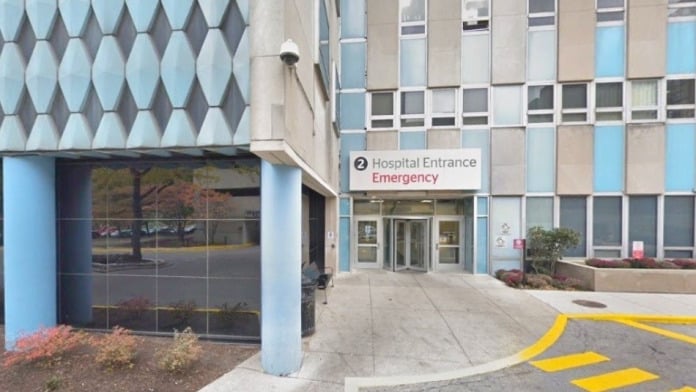
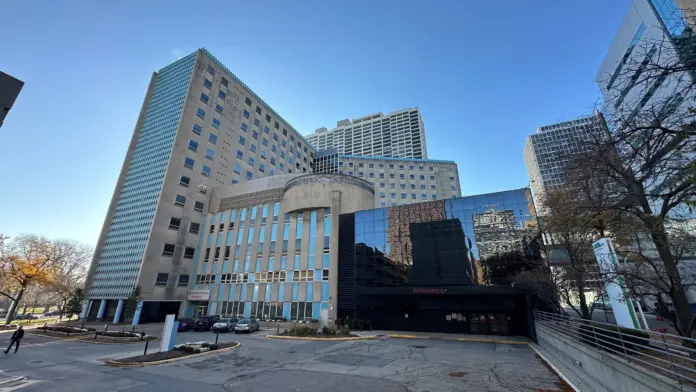
About Ascension Saint Joseph – Chicago
Your first step in the process is detox. Detox can include receiving medications that can help curb cravings and withdrawal pains. That way, you can transition into the inpatient or outpatient program with a reduced chance of relapse.
The inpatient and outpatient programs vary in the amount of supervision you’ll receive. If you need extra care and management, the inpatient route is the way to go. You’ll have a private room with luxury comforts to reduce stress and eliminate distractions. There’s also a view over Lake Michigan, which can help reduce stress.
In either case, the core of your program will be therapy. There’s several options, including personalized individual therapy, where you get to explore your emotions and triggers. Or, there’s group therapy, where you lean on others for support and learn from each other.
As you can see, this center’s mental health and addiction treatment takes on a whole person approach. The whole person includes feeding the mind and the body, such as spiritual support and nutritional and physical health programs.
Latest Reviews
I was on a long weekend birthday vacation with my adult daughter when unfortunately my life-long auto-immune disease decided to flare. I had to go by ambulance from our hotel room to the ER. We were told our best chance of being seen quickly was a drop off at St. Joe’s. Turns out, that was the only bit of fortune I had that weekend. I have been to many ERs and have endured hundreds of in-patient stays over the course of 50 years. St Joe’s in Chicago, Illinois, is the only hospital I’ve ever felt moved enough to leave a review. In general, I only take the time to leave feedback when what I’m reviewing is extremely positive or extremely negative. From the doctors and nurses in the ER to my 3-night stay on the eleventh floor it was a good experience. Everyone was very professional and compassionate. I guess I could say that St. Joe’s was my birthday gift. Every bit along the way I felt seen and heard. I was in pain and extremely dehydrated, but I felt very safe and truly cared about in every department I had to deal with. I was treated with respect and kindness. My room was kept clean, linen changed when needed and when I pressed the button for a nurse, I didn’t wait more than 5 to 10 minutes. If you know you know how quick that is. I never felt I was burdening anybody with my needs. My discharge went smoothly and quickly, which is also rare. As I’m writing this, I’m aware it sounds like I’m leaving a good review for a hotel, but it’s really important that I let others know where I received such empathetic and professional care.
Response from the owner1 week ago
So glad to hear your positive feedback! Thank you for taking the time to leave us this review. Our teams are committed to delivering compassionate care in our community. -Ascension Illinois Community Manager
The hospital and outpatient services have always taken good care of me. The hospital is old. The Surf building -outpatient is newer, up to date and an excellent facility.
Response from the owner1 week ago
Thank you; we appreciate your feedback! We will share it with our leadership. -Ascension Illinois Community Manager
Excellent for walking in to Security, Registration, Nurses(all), and Cafe. Excellent. My surgeon uses this hospital and I see why.Thank you for a great experience.
Response from the owner1 week ago
Thank you; we appreciate your feedback! -Ascension Illinois Community Manager 
Rehab Score
 Our Methodology
Scoring is assigned by a proprietary system which helps surface key metrics that determine quality. The 10-point scale factors in categories such as operations, customer satisfaction, and trust metrics. Read Full Methodology

7.6 / 10
Gallery
Accepted Insurance
Other Forms of Payment
Medicaid is a state based program that helps lower-income individuals and families pay for healthcare. Medicaid covers addiction treatment so those enrolled can use their coverage to pay for rehab. When a program accepts Medicaid the client often pays very little or nothing out of their own pocket.
Private insurance refers to any kind of healthcare coverage that isn't from the state or federal government. This includes individual and family plans offered by an employer or purchased from the Insurance Marketplace. Every plan will have different requirements and out of pocket costs so be sure to get the full details before you start treatment.
Self-pay involves paying for treatment out of your own pocket. You can use savings or credit, get a personal loan, or receive help from family and friends to fund your treatment. If you don't have insurance or your insurance plan doesn't cover a specific program, self-pay can help ensure you still get the care you need.
Financial aid can take many forms. Centers may have grants or scholarships available to clients who meet eligibility requirements. Programs that receive SAMHSA grants may have financial aid available for those who need treatment as well. Grants and scholarships can help you pai for treatment without having to repay.
Medicare is a federal program that provides health insurance for those 65 and older. It also serves people under 65 with chronic and disabling health challenges. To use Medicare for addiction treatment you need to find a program that accepts Medicare and is in network with your plan. Out of pocket costs and preauthorization requirements vary, so always check with your provider.
Military members, veterans, and eligible dependents have access to specific insurance programs that help them get the care they need. TRICARE and VA insurance can help you access low cost or no cost addiction and mental health treatment. Programs that accept military insurance often have targeted treatment focused on the unique challenges military members, veterans, and their families face.
 Free
FreeSliding scale payments are based on a client's income and family size. The goal is to make treatment affordable to everyone. By taking these factors into account, addiction recovery care providers help ensure that your treatment does not become a financial burden to you or your family, eliminating one barrier to care.
Addiction Treatments
Levels of Care
Outpatient programs are for those seeking mental rehab or drug rehab, but who also stay at home every night. The main difference between outpatient treatment (OP) and intensive outpatient treatment (IOP) lies in the amount of hours the patient spends at the facility. Most of the time an outpatient program is designed for someone who has completed an inpatient stay and is looking to continue their growth in recovery. Outpatient is not meant to be the starting point, it is commonly referred to as aftercare. For their outpatient programs, you begin by calling them to make your intake appointment. During your intake visit, they perform a urine test to assess what substances are in your system.
Their inpatient program is medically based, with medical doctors who oversee each patient. You’ll begin with an intake appointment, in which they perform a physical exam to evaluate your medical stability and a urine test to assess what substances are in your system. Thei inpatient program includes: Detoxification (medical stabilization), and Residential rehab that is a short-term program that provides 24-hour care before you move on to outpatient treatment. Their location inside the hospital offers you treatment for all your health needs in one place.
Drug and alcohol addiction often takes a heavy toll on one's body. Over time, a physical dependence can develop, meaning the body physiologically needs the substance to function. Detox is the process of removing drugs and/or alcohol from the body, a process that can be lethal if mismanaged. Medical detox is done by licensed medical professionals who monitor vital signs and keep you safe, healthy, and as comfortable as possible as you go through detox and withdrawal.
Their physicians and nurses are on-site and on call at all times. Psychiatrists and addiction counseling staff are available to help you during your recovery. They can treat any co-existing medical and psychiatric conditions. They provide a mobile, wireless device to continuously monitor your vital signs overnight for increased safety.
The Intensive Outpatient Program (IOP) is a comprehensive treatment program that includes diagnostic, psychiatric and psychosocial services. The medical director, outpatient therapist and patient work together to identify therapeutic goals and develop individualized assessments and treatment plans. In a relaxed setting, the IOP provides intensive treatment among a healing community of peers. Offered 3 times per week, this program combines group and individual therapy, education, 12-step meetings and family support in 3-hour sessions. You can choose either a day or evening program to fit your schedule.
12-step programs are addiction recovery models based on Alcoholics Anonymous (AA). A number of substance abuse programs (including some drug and alcohol rehab centers) use the 12 steps as a basis for treatment. Beginning steps involve admitting powerlessness over the addiction and creating a spiritual basis for recovery. Middle steps including making direct amends to those who've been hurt by the addiction, and the final step is to assist others in addiction recovery in the same way. Alcoholics Anonymous (AA), Narcotics Anonymous (NA) and Crystal Meth Anonymous (CMA) hold meetings in the unit for patients and anyone in the recovering community. While they are still in treatment, patients can meet people who are recovering.
At your discharge from inpatient care, they can refer you to supportive services based on your specific needs, including individual or group therapy, long-term residential treatment or a sober living residence. Bridge group is where a peer (recovering addict) who is living independently talks about how to transition from inpatient and outpatient care to living on your own. The Continuing care program is a weekly, one-hour program that provides an opportunity to touch base with others for ongoing support through your addiction recovery. All of their former patients (inpatient or outpatient) can attend an Alumni meeting for positive reinforcement and fellowship. They host an alumni dinner each quarter.
Sober Living Houses (SLHs), aka sober homes or halfway houses, are safe, substance-free, supportive living facilities for those recovering from substance abuse. Ideal for those who've just been through inpatient or outpatient treatment, SLHs are supervised environments with rules that support sobriety, such as curfews, shared chores, and therapeutic meetings. Residents are also often trained on life skills and coping skills to make it easier to transition into society. SLHs also provide a strong sense of community that can lead to the kind of deep and lasting connections with other sober individuals that supports a new, healthy lifestyle.
A partial hospitalization program (PHP) is a short-term form of intensive rehab, usually for those with acute symptoms that are hard to manage but don't require 24-hour care. PHPs have structured programming (i.e. individual and/or group therapy), and usually meet 3-5 days a week for ~ 6 hours (i.e. 9am-3m). Some PHPs are residential (patients sleep on site) and some are not, so patients sleep at home. PHPs can last from 1-6 months, and some offer transportation and meals. This short-term program meets from 9 a.m. to 3 p.m. Monday through Friday.
Treatments
The goal of treatment for alcoholism is abstinence. Those with poor social support, poor motivation, or psychiatric disorders tend to relapse within a few years of treatment. For these people, success is measured by longer periods of abstinence, reduced use of alcohol, better health, and improved social functioning. Recovery and Maintenance are usually based on 12 step programs and AA meetings.
Drug rehab in Illinois is designed to help people recover from addiction to a number of substances. The length of each program and its intensity tend to vary, and the plan of care is based on your individual needs.
Many of those suffering from addiction also suffer from mental or emotional illnesses like schizophrenia, bipolar disorder, depression, or anxiety disorders. Rehab and other substance abuse facilities treating those with a dual diagnosis or co-occurring disorder administer psychiatric treatment to address the person's mental health issue in addition to drug and alcohol rehabilitation.
A combined mental health and substance abuse rehab has the staff and resources available to handle individuals with both mental health and substance abuse issues. It can be challenging to determine where a specific symptom stems from (a mental health issue or an issue related to substance abuse), so mental health and substance abuse professionals are helpful in detangling symptoms and keeping treatment on track.
Opioid rehabs specialize in supporting those recovering from opioid addiction. They treat those suffering from addiction to illegal opioids like heroin, as well as prescription drugs like oxycodone. These centers typically combine both physical as well as mental and emotional support to help stop addiction. Physical support often includes medical detox and subsequent medical support (including medication), and mental support includes in-depth therapy to address the underlying causes of addiction.
Programs
Adult rehab programs include therapies tailored to each client's specific needs, goals, and recovery progress. They are tailored to the specific challenges adult clients may face, including family and work pressures and commitments. From inpatient and residential treatment to various levels of outpatient services, there are many options available. Some facilities also help adults work through co-occurring conditions, like anxiety, that can accompany addiction.
Young adulthood can be an exciting, yet difficult, time of transition. Individuals in their late teens to mid-20s face unique stressors related to school, jobs, families, and social circles, which can lead to a rise in substance use. Rehab centers with dedicated young adult programs will include activities and amenities that cater to this age group, with an emphasis on specialized counseling, peer socialization, and ongoing aftercare.
Clinical Services
Animal therapy (aka pet therapy or animal-assisted therapy) can be very healing, as it allows patients to bond with animals, who give unconditional love. This is particularly useful for those who suffered trauma by the hands of people, who may be able to trust and form closer attachments to animals than humans at certain stages of rehabilitation.
Cognitive Behavioral Therapy (CBT) is a therapy modality that focuses on the relationship between one's thoughts, feelings, and behaviors. It is used to establish and allow for healthy responses to thoughts and feelings (instead of unhealthy responses, like using drugs or alcohol). CBT has been proven effective for recovering addicts of all kinds, and is used to strengthen a patient's own self-awareness and ability to self-regulate. CBT allows individuals to monitor their own emotional state, become more adept at communicating with others, and manage stress without needing to engage in substance abuse.
Creativity is inherently healing, and can help those in recovery express thoughts or feelings they might not otherwise be able to. Creative arts therapy can include music, poetry/writing, painting, sculpting, dance, theater, sandplay, and more. Unlike traditional art, the final product matters far less than the experience of creation and expression itself.
Dialectical Behavior Therapy (DBT) is a modified form of Cognitive Behavioral Therapy (CBT), a treatment designed to help people understand and ultimately affect the relationship between their thoughts, feelings, and behaviors. DBT is often used for individuals who struggle with self-harm behaviors, such as self-mutilation (cutting) and suicidal thoughts, urges, or attempts. It has been proven clinically effective for those who struggle with out-of-control emotions and mental health illnesses like Borderline Personality Disorder.
ECT is a form of treatment in which controlled electric currents are passed through the brain, sometimes causing short seizures. Treatments are done under general anesthesia. ECT appears to change brain chemistry for the better, and has been shown to provide fast and sometimes dramatic improvements in severe mental health conditions that can exist alongside addiction, including depression, bipolar disorder, psychosis, and suicidality. ECT is also often used by those who prefer it to taking medication.
Experiential therapy is a form of therapy in which clients are encouraged to surface and work through subconscious issues by engaging in real-time experiences. Experiential therapy departs from traditional talk therapy by involving the body, and having clients engage in activities, movements, and physical and emotional expression. This can involve role-play or using props (which can include other people). Experiential therapy can help people process trauma, memories, and emotion quickly, deeply, and in a lasting fashion, leading to substantial and impactful healing.
They provide education and support for family members, because family involvement is key to your successful recovery from drug or alcohol addiction. A therapist leads weekly meetings for patients and their family members to connect and share experiences.
Group therapy is any therapeutic work that happens in a group (not one-on-one). There are a number of different group therapy modalities, including support groups, experiential therapy, psycho-education, and more. Group therapy involves treatment as well as processing interaction between group members.
In individual therapy, a patient meets one-on-one with a trained psychologist or counselor. Therapy is a pivotal part of effective substance abuse treatment, as it often covers root causes of addiction, including challenges faced by the patient in their social, family, and work/school life.
Nutrition therapy, aka medical nutrition therapy (MNT), is a way of treating physical, emotional, and medical conditions through diet. Specific dietary plans are designed by professional nutritionists or registered dietitians, and patients follow them in order to positively affect their physical and mental health.
One of their counselors has training from Brené Brown, a researcher in how emotions such as courage, shame, vulnerability and worthiness affect our ability to live a healthy life. Trauma therapy addresses traumatic incidents from a client's past that are likely affecting their present-day experience. Trauma is often one of the primary triggers and potential causes of addiction, and can stem from child sexual abuse, domestic violence, having a parent with a mental illness, losing one or both parents at a young age, teenage or adult sexual assault, or any number of other factors. The purpose of trauma therapy is to allow a patient to process trauma and move through and past it, with the help of trained and compassionate mental health professionals.
Amenities
-
 Lakeside
 -
 Yoga Studio
 -
 Wifi
Wifi -
 Private Rooms
Staff & Accreditations
Staff
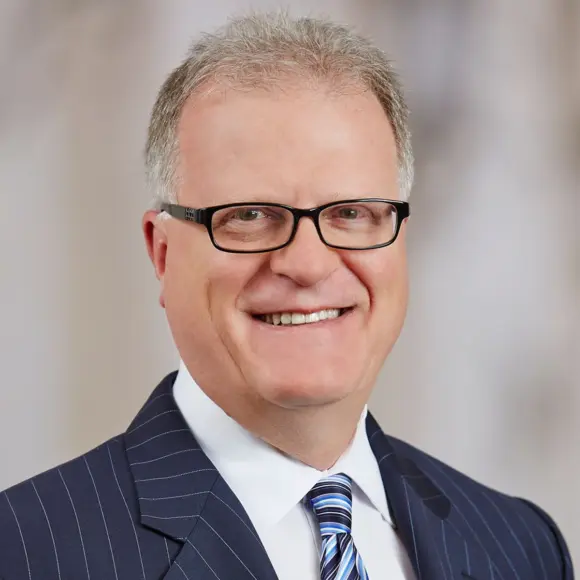
Joseph R. Impicciche, JD, MHA
Chief Executive Officer
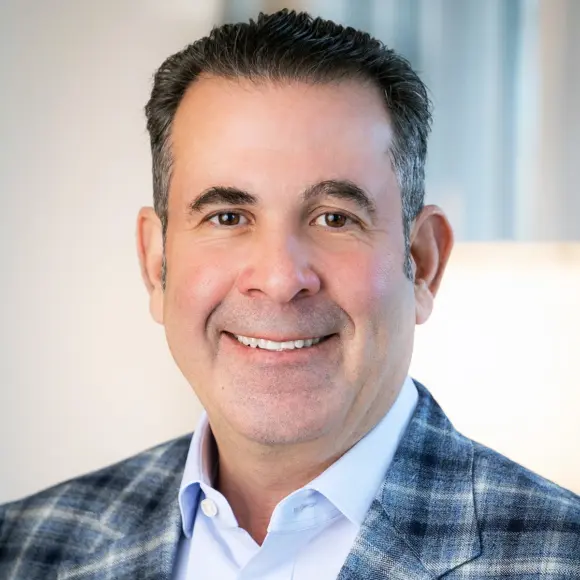
Eduardo Conrado
President, Ascension
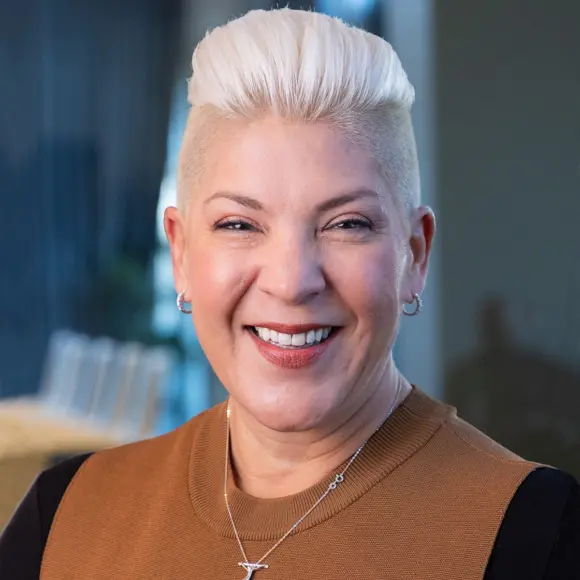
Sally Deitch, MSN, MHA, RN, FACHE
Executive Vice President
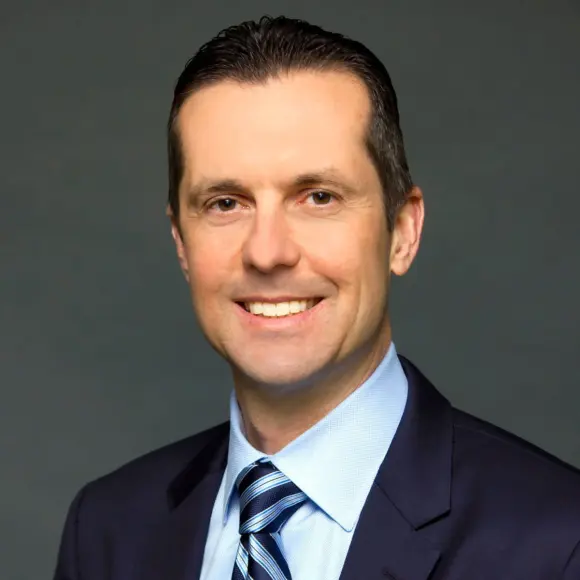
Eric S. Engler
Executive Vice President and Chief of Staff
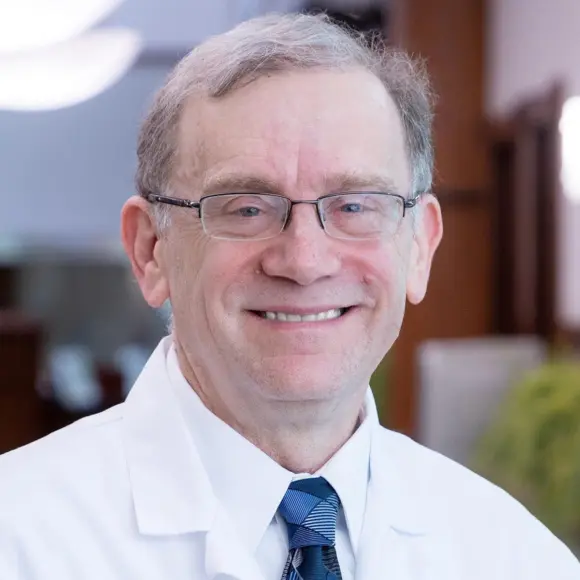
Richard Fogel, MD, FACC, FHRS
Executive Vice President and Chief Clinical Officer
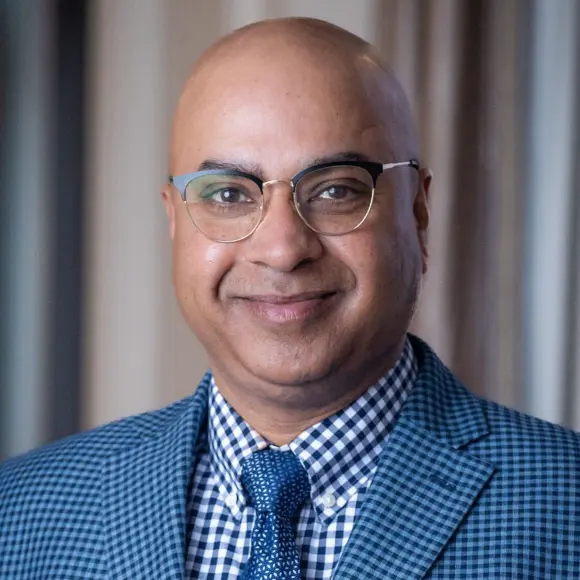
Saurabh Tripathi
Executive Vice President and Chief Financial Officer

Christine Kocot McCoy, JD
Executive Vice President and General Counsel

Michelle H. Kohler, PhD
Executive Vice President and Chief Human Resources Officer
Accreditations

The Joint Commission, formerly known as JCAHO, is a nonprofit organization that accredits rehab organizations and programs. Founded in 1951, the Joint Commision's mission is to improve the quality of patient care and demonstrating the quality of patient care.
Joint Commission Accreditation: Yes
Rehab.com regularly reviews this listing for accuracy but changes may occur between updates. For the most up-to-date information, please contact Ascension Saint Joseph – Chicago.
Contact Information

2900 North Lake Shore Drive
Chicago, IL 60657
Get Help Now - 708-470-6914
Sponsored Helpline
Sponsored Helpline



