



























































































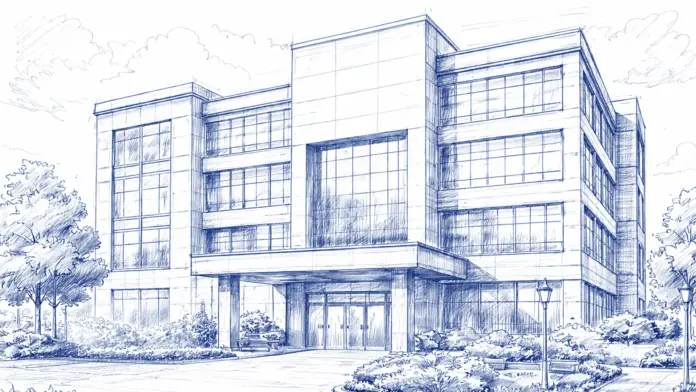
About Atlanta Mission TSI
Atlanta Mission TSI (The Shepherd’s Inn) is a long-term structured sober living program in Atlanta, Georgia, serving adult single men who are homeless and recovering from addiction. The program offers a 90-day structured recovery experience that includes clinical group therapy, one-on-one counseling, life skills training, and vocational support to help residents achieve stable, independent living.
I’ve found that the men in the program describe deep personal transformation, family reconnection and spiritual awakening through the supportive, faith-centered community.
Recovery Support with Atlanta Mission TSI
The program serves adult single men (18+) who are formerly homeless or facing homelessness and are committed to recovery from addiction. Men must be fully detoxified before entry (at least 72 hours since drug use and 48 hours since alcohol use) and physically and mentally capable of self-care and full participation in program activities.
TSI offers a 90-day structured sober living program with goals centered on sobriety, housing and employment. Daily programming includes clinical group therapy, process groups, one-on-one counseling, life skills classes and vocational training.
The approach blends clinical, social, vocational and spiritual support to address both addiction and the broader life challenges that come with homelessness.
Starting and Affording Care
Individuals interested in starting the program need to go for an intake and prescreening. These take place Monday through Friday from 8:30 to 11:30 am at the Mills Street gate. Individuals are encouraged to arrive by 7:30 am for assessment and program entry.
TSI operates as part of Atlanta Mission’s shelter and residential services, and the website does not detail insurance billing or fee structures. Contact the program directly to learn about any costs or financial assistance options.
Facility Overview
 853
853 Latest Reviews



Rehab Score
 Our Methodology


Location
Addiction Treatments
Levels of Care
Outpatient Programs (OP) are for those seeking mental rehab or drug rehab, but who also stay at home every night. The main difference between outpatient treatment (OP) and intensive outpatient treatment (IOP) lies in the amount of hours the patient spends at the facility. Most of the time an outpatient program is designed for someone who has completed an inpatient stay and is looking to continue their growth in recovery. Outpatient is not meant to be the starting point, it is commonly referred to as aftercare.
Residential treatment programs are those that offer housing and meals in addition to substance abuse treatment. Rehab facilities that offer residential treatment allow patients to focus solely on recovery, in an environment totally separate from their lives. Some rehab centers specialize in short-term residential treatment (a few days to a week or two), while others solely provide treatment on a long-term basis (several weeks to months). Some offer both, and tailor treatment to the patient's individual requirements.
12-step programs are addiction recovery models based on Alcoholics Anonymous (AA). A number of substance abuse programs (including some drug and alcohol rehab centers) use the 12 steps as a basis for treatment. Beginning steps involve admitting powerlessness over the addiction and creating a spiritual basis for recovery. Middle steps including making direct amends to those who've been hurt by the addiction, and the final step is to assist others in addiction recovery in the same way. 12-Step offshoots including Narcotics Anonymous (NA), Cocaine Anonymous (CA), Dual Recovery Anonymous (DRA), Sex and Love Addicts Anonymous (SLAA) and Gamblers Anonymous (GA).
Treatments
Substance rehabs focus on helping individuals recover from substance abuse, including alcohol and drug addiction (both illegal and prescription drugs). They often include the opportunity to engage in both individual as well as group therapy.
Clinical Services
Group therapy is any therapeutic work that happens in a group (not one-on-one). There are a number of different group therapy modalities, including support groups, experiential therapy, psycho-education, and more. Group therapy involves treatment as well as processing interaction between group members.
Life skills trainings involve all the skills a person must have in order to function successfully in the world. These include time management, career guidance, money management, and effective communication. Truly successful addiction recovery is based on the ability to not only live substance-free, but to thrive. Life skills teaches the practical necessities of functioning in society, which sets clients up for success in life, and therefore sobriety.
Staff

Tensley Almand
President & CEO

Mike Southern
CFO

James Barrell
Chief Information Officer
Contact Information


156 Mills street
atlanta
Atlanta, GA 30313
Sponsored Helpline

