





























































































About Barrier Islands Psychiatry and Addiction Medicine
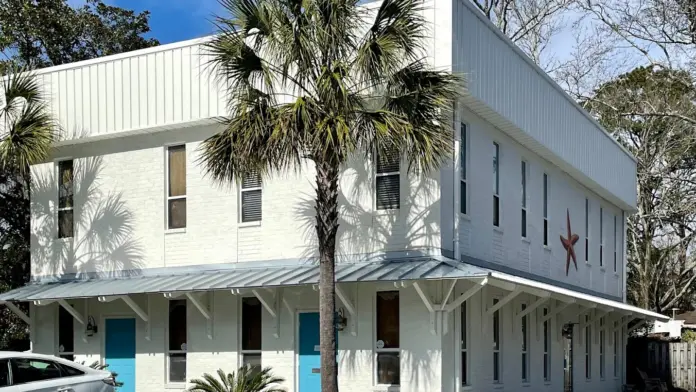
Located in Charleston, South Carolina, Barrier Islands Psychiatry and Addiction Medicine offers dual-diagnosis intensive outpatient (IOP) treatment for adults in need of alcohol and drug rehab. They also provide medication-assisted treatment (MAT).
Headquartered in Charleston, South Carolina, Barrier Islands Psychiatry and Addiction Medicine specializes in integrated mental health and addiction treatment, with an emphasis on their dual diagnosis intensive outpatient program (IOP) for adults. They also offer medication assisted treatment (MAT). Barrier Island works with insurance, and potential clients are urged to call the center directly to see if their insurance is covered and to find out more about payment options.
Their IOP is structured with several therapy sessions every week targeted at individuals struggling with mental health conditions and substance use problems. Staff work with individuals with co-occurring conditions in mind, offering a mix of individual and group therapy, medication management and evidence-based techniques like cognitive behavioral therapy (CBT). This treatment helps ensure that a client can get the support they need to work on recovery while managing to juggle treatment with all of their other obligations. This can help clients strike a good balance between the demands of daily living with the advantages of having more consistent treatment.
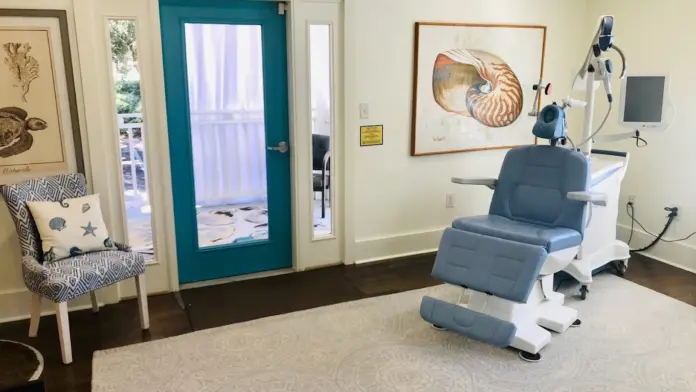
Along with an IOP, Barrier Island provides supportive services for various mental health issues and substance abuse care. Services include therapy to address personal mental health struggles, CBT for guided structured cognitive treatment, and medication management when a pharmacological adjunct to mental health and addiction is warranted. They also provide specialized treatments for resistant depression, such as transcranial magnetic stimulation (TMS) and Spravato to help patients find alternative solutions to traditional treatments that have been ineffective.
They offer medication assisted treatment with opioids like Suboxone and Vivitrol to treat opioid dependence. The staff at the facility works with clients to find the right treatment for them, which includes referrals for inpatient programs if needed.
Latest Reviews



Rehab Score
 Our Methodology


Gallery

Accepted Insurance
Other Forms of Payment
Private insurance refers to any kind of healthcare coverage that isn't from the state or federal government. This includes individual and family plans offered by an employer or purchased from the Insurance Marketplace. Every plan will have different requirements and out of pocket costs so be sure to get the full details before you start treatment.
Self-pay involves paying for treatment out of your own pocket. You can use savings or credit, get a personal loan, or receive help from family and friends to fund your treatment. If you don't have insurance or your insurance plan doesn't cover a specific program, self-pay can help ensure you still get the care you need.
Military members, veterans, and eligible dependents have access to specific insurance programs that help them get the care they need. TRICARE and VA insurance can help you access low cost or no cost addiction and mental health treatment. Programs that accept military insurance often have targeted treatment focused on the unique challenges military members, veterans, and their families face.
Addiction Treatments
Levels of Care
Outpatient Programs (OP) are for those seeking mental rehab or drug rehab, but who also stay at home every night. The main difference between outpatient treatment (OP) and intensive outpatient treatment (IOP) lies in the amount of hours the patient spends at the facility. Most of the time an outpatient program is designed for someone who has completed an inpatient stay and is looking to continue their growth in recovery. Outpatient is not meant to be the starting point, it is commonly referred to as aftercare.
Intensive Outpatient programs are for those who want or need a very structured treatment program but who also wish to live at home and continue with certain responsibilities (such as work or school). IOP substance abuse treatment programs vary in duration and intensity, and certain outpatient rehab centers will offer individualized treatment programs. The Intensive Outpatient Program gives patients the chance to participate in a structured treatment plan part-time while they transition back to home and work or other responsibilities.
Drug and alcohol addiction often takes a heavy toll on one’s body. Over time, a physical dependence can develop, meaning the body physiologically needs the substance to function. Detox is the process of removing drugs and/or alcohol from the body, a process that can be lethal if mismanaged. Medical detox is done by licensed medical professionals who monitor vital signs and keep you safe, healthy, and as comfortable as possible as you go through detox and withdrawal.
Programs
Adult rehab programs include therapies tailored to each client's specific needs, goals, and recovery progress. They are tailored to the specific challenges adult clients may face, including family and work pressures and commitments. From inpatient and residential treatment to various levels of outpatient services, there are many options available. Some facilities also help adults work through co-occurring conditions, like anxiety, that can accompany addiction.
Clinical Services
Men and women in South Carolina undergoing individual therapy work closely with their therapist to address the personal challenges and lifestyle changes that can help address addiction triggers. You have a unique situation and your therapist will spend time helping you develop healthy coping strategies so you can work toward achieving and maintaining sobriety.
Group therapy participants in South Carolina learn practical conflict resolution skills they can practice within the group. These skills are essential for improving your relationships and reducing stress outside rehabilitation. Both of these factors are crucial to help maintain your recovery.
Staff
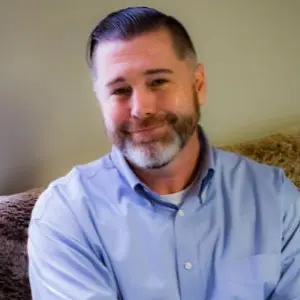
Stephen Boice, LISW
Therapist

Shauna Ferrese, PhD LPC-S
Therapist

Harriet Grady-Thomas, LISW
Therapist
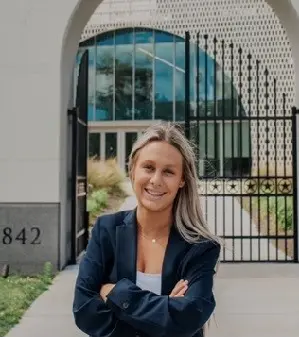
Tori Faciane, M.A., LPC-A
Therapist
Rehab.com regularly reviews this listing for accuracy but changes may occur between updates. For the most up-to-date information, please contact Barrier Islands Psychiatry and Addiction Medicine.
Contact Information


1620 Ashley River Rd
Charleston, SC 29407
Sponsored Helpline


