San Antonio Council On Alcohol and Drug Abuse - SACADA
1
Top 10 Rehab In San Antonio


























































































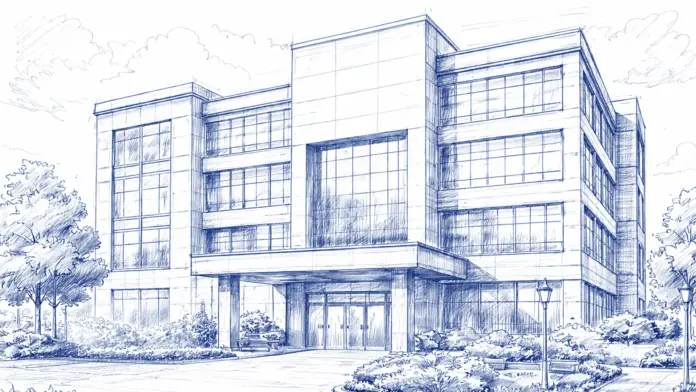
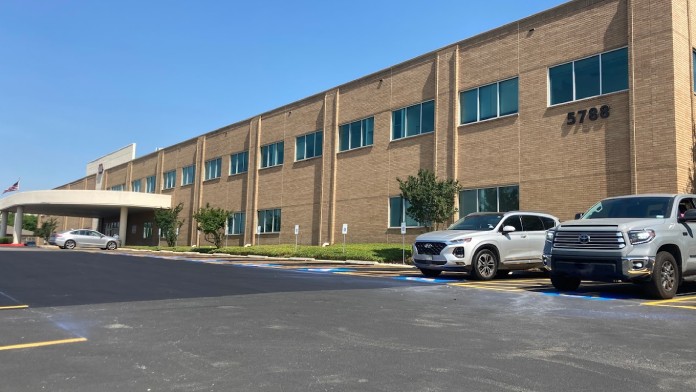
San Antonio, Texas, is home to Be Well Texas. This organization specializes in substance abuse and co-occurring disorder care as well as harm reduction. They’re part of UT Health San Antonio, who are dedicated to expanding education, research and treatment for substance abuse.
They serve adults through a range of outpatient options including medication assisted treatment. Be Well Texas also provides SUD assessment, potentially letting you determine your needed level of care and treatment all in one place. They drive efforts to reach underserved communities with addiction care.
Their services are available to those without insurance. Both sliding fee scales and free care are available to those who qualify.
Outpatient treatment is at the heart of what this clinic does, but its support services can be just as beneficial to your recovery. Their peer support option is a direct line (call or text) to someone who has lived in recovery themselves. They can be a friendly ear when you’re struggling and provide useful insight for your own journey toward sobriety.
I like direct support lines like this because they feel more personal and private. Group support will always have an important role in recovery, but sometimes it’s overwhelming to share with a group. A one on one call or text chain can be just as effective during those times.
This clinic presents unique opportunities for you to help others in recovery through clinical trials. These trials help shape the development of substance use medication and are sponsored by the National Institute of Health. These trials are performed in partnership with UT Health San Antonio.
These trials include comprehensive care and health monitoring by staff. They may also include compensation. Trials vary throughout the year and often relate to a specific substance, such as opioids.
The association with UT Health San Antonio means you’ll get access to additional, high quality health care. But recovery in San Antonio also means great outdoor amenities are always in reach. Places like San Pedro Springs Park provide a calming environment after tough sessions or whenever you’re facing difficulties in recovery.


 Our Methodology


Financial aid can take many forms. Centers may have grants or scholarships available to clients who meet eligibility requirements. Programs that receive SAMHSA grants may have financial aid available for those who need treatment as well. Grants and scholarships can help you pai for treatment without having to repay.
 Free
FreeMedicaid is a state based program that helps lower-income individuals and families pay for healthcare. Medicaid covers addiction treatment so those enrolled can use their coverage to pay for rehab. When a program accepts Medicaid the client often pays very little or nothing out of their own pocket.
Medicare is a federal program that provides health insurance for those 65 and older. It also serves people under 65 with chronic and disabling health challenges. To use Medicare for addiction treatment you need to find a program that accepts Medicare and is in network with your plan. Out of pocket costs and preauthorization requirements vary, so always check with your provider.
Private insurance refers to any kind of healthcare coverage that isn't from the state or federal government. This includes individual and family plans offered by an employer or purchased from the Insurance Marketplace. Every plan will have different requirements and out of pocket costs so be sure to get the full details before you start treatment.
Self-pay involves paying for treatment out of your own pocket. You can use savings or credit, get a personal loan, or receive help from family and friends to fund your treatment. If you don't have insurance or your insurance plan doesn't cover a specific program, self-pay can help ensure you still get the care you need.
24-hour clinical care in Texas provides a safe environment for medical detox. This setting is crucial to provide medical care during withdrawal. Certain withdrawal symptoms can cause life-threatening conditions, but patients in a supervised clinical setting have treatment readily available to address any symptoms before they become severe. Treatment can also be provided for co-occurring physical and mental health issues.
After completing some form of inpatient care, many clients transition or step down to an outpatient rehab, while some choose to transition from detox directly into outpatient care. High-intensity outpatient programming, including partial hospitalization (PHP) and intensive outpatient (IOP) is widely available for clients in early recovery, those leaving detox, and those at an elevated relapse risk. Clients in outpatient care generally engage in robust addiction counseling and recovery education, and some also receive medication assisted treatment (MAT).
Telehealth in Texas encompasses four main applications. These are mobile health, store-and-forward, remote patient monitoring, and live video. Practitioners leverage these technologies to provide healthcare from a distance, which increases convenience and reduces cost.
Alcoholism occurs when a person becomes physically and psychologically dependent on alcohol. Attending a professional alcohol rehab in Texas can provide customized intervention methods to address the physical, mental, and relational challenges of addiction.
During rehab in Texas, you'll deal with underlying issues that contribute to addiction. By addressing these challenges and learning healthy ways to cope with them, you'll develop strategies that help you live a drug-free lifestyle.
 Opioid Addiction
Substance abuse treatment is available in Texas for anyone who's struggling with drug or alcohol addiction. These programs usually provide a comprehensive assessment and individualized treatment plan, and include evidence-based treatments, like therapies such as cognitive-behavioral therapy (CBT) to reframe unhelpful coping strategies, and dialectical behavior therapy (DBT) to help with emotional regulation and stress.
Adult rehab programs include therapies tailored to each client's specific needs, goals, and recovery progress. They are tailored to the specific challenges adult clients may face, including family and work pressures and commitments. From inpatient and residential treatment to various levels of outpatient services, there are many options available. Some facilities also help adults work through co-occurring conditions, like anxiety, that can accompany addiction.
The goal of cognitive behavioral therapy (CBT) in Texas is to change thought patterns, which leads to changes in behavior. Specific techniques during CBT can include self talk, SMART goals, journaling, and positive activities.
Treatment that takes a dialectical behavior therapy approach focuses on four strategies. Distress tolerance will help you accept and tolerate intense emotions. Emotional regulation will teach you to manage those emotions. Mindfulness will keep you in the present moment instead of regret or worry. Interpersonal effectiveness will teach you to manage your relationships.
 Private Transportation
The Substance Abuse and Mental Health Services Administration (SAMHSA) is a branch of the U.S. Department of Health and Human Services. Established in 1992 by congress, SAMHSA's mission is to reduce the impact of substance abuse and mental illness on American's communities.
SAMHSA Listed: Yes

State Licenses are permits issued by government agencies that allow rehab organizations to conduct business legally within a certain geographical area. Typically, the kind of program a rehab facility offers, along with its physical location, determines which licenses are required to operate legally.
State License: Texas

5109 Medical Dr, San Antonio, TX 78229
Sponsored Helpline

Dr Broussard is flipping awesome.!! She is Down to earth, most importantly not judgemental.

This clinic has helped me completely transform my life over the last year and a half. I didn't have insurance or a dime in my pocket when I came to them. The staff is professional and provide you with quality counciling. And I couldn't ask for a better doctor. This clinic honestly cares for their patients and their recovery. If your serious about making a change these people will help you.

Horrible. I told my doctor that I needed her to send documentation to my insurance for stupid labs that they wanted to send me for every visit and now my insurance has sent me a bill for 1,500$ and still nothing has yet to be sent or done and seems like I will now have to pay out of pocket. I don't recommend going unless ur prepared to pay alot of money even with having insurance because they don't follow up with insurance.

This is one of the most unprofessional clinics I have ever experienced. They don't explain anything to you coming in, and they act as if asking questions is a problem, the amount of frustration and stress that I have experienced dealing with Yazmine and Liz is undescribable They're very rude they are unprofessional and as I stated above, they don't explain anything to you I couldn't get even the basics of how the program works they were very nonchalant and totally unprofessional I couldn't get when I was going to See the doctor or how the steps of the program works so I know what I'm getting myself into so I could have an understanding so I can do everything correctly, every time I asked a question they were very stank in there response as if I wasn't allowed to ask questions they kept canceling my appointments and just being so rude and unprofessional I couldn't believe how unprofessional they were and I'm still looking to find who their boss is so I can report them because it's just one number this entire clinic is ran by unprofessional young girls who have no respect for sobriety nor do they understand or even care
 Back
Back
Sharing your insights and experiences can help others learn more about this rehab center.