




























































































Based on my observation dated 3/6/25, this place is more like a prison than a facility that supposedly advertises mental health care. There is no care, hardly any assesments, no rights, no freedom,. They are short staffed. I can't say enough bad negative things about this pl ...
About Beckett Springs
Medication assisted treatment (MAT) is available to help ease withdrawal symptoms and reduce drug cravings. You’ll have a team of experts to help guide you through detox and ensure safety and comfort. The specific length of stay depends on the severity of addiction and symptoms.
Inpatient treatment provides 24 hour medical care so you can focus on recovery without outside distractions present. It also includes individual, group and family therapy sessions.
Individual therapy allows one on one time with a skilled professional experienced in addiction treatment. You can talk through feelings and thought patterns that may have led to substance use and change those to behaviors that are conducive to sobriety. You may address developing healthy coping methods, recognizing substance use triggers and learning relapse prevention strategies for future use.
Group therapy can offer time with others who share similar backgrounds. They may give insightful feedback related to recovery efforts. Family sessions focus on providing a supportive network and helping loved ones understand more about the disease of addiction. They also include support groups, activities and educational programs that offer comprehensive treatment.
Their outpatient programs can be used as step down services and are appropriate for those who want more flexibility. Guests can live at home while getting treatment and attend fewer sessions.
Aftercare is available with the Alumni Support Groups for continued, successful recovery. These are led by peers who understand recovery challenges and can connect you with outside resources for additional support.
Fact checked and written by:
Patti Croft, MBA
Edited by:
Kerry Nenn, BSW
Facility Overview
 72
72 Number of Available Beds
 8 - 14
 Avg Length of Stay in Days
Latest Reviews
This hospital is very caring and most of the staff cares as well. They try and help everyone they encounter but you have to use the tools they give you to succeed. They have an excellent mix of therapists, case managers, doctors, and nurses who makes sure your stay is not too unbearable. No one wants to be in a psych hospital but if you do have to go this place should be your choice compared to some other inpatient places in Cincinnati.
Response from the owner1 month ago
Hi Deanna, we appreciate you sharing your positive experience with us. -- Ashley
I was torn, but ultimately decide I would wait a month to post this to ensure my progress was sustainable, rather than just a temporary, positive boost from just finishing the program.
The care in PHP is exceptional. I worked with a phenomenal, deeply passionate therapist, and the content we learned was genuinely revolutionary for me. The nursing education sessions were highly informative, and the psychiatric staff was incredibly understanding and helpful in identifying my specific needs. They provide fantastic strategies and tools that (when put into practice) have transformed by how I go about my life.
My only concern involves some of the front desk and auxiliary staff. Interactions with them sometimes made it feel like patient needs were being disregarded. This was never personally; but anecdotally I noticed issues around accessibility needs not being met.
Ultimately, the core program and clinical team are outstanding and deliver an experience that creates lasting, positive change. If you are seeking help, Beckett Springs is the place to support you in changing for the better.
Response from the owner1 month ago
Hi Bryson, thank you for sharing your experience. It is our honor to provide quality care. -- Ashley
Just got discharge from Beckett springs hospital 🏥 on 3/3/2026 want to say thank you to all the my nurses and the Bht for the help they gave they gave me and also want to say thank you to the Dr. For right medication
Response from the owner1 month ago
Hi Stella, we appreciate you sharing your positive experience with us. -- Ashley 
Rehab Score
 Our Methodology
Scoring is assigned by a proprietary system which helps surface key metrics that determine quality. The 10-point scale factors in categories such as operations, customer satisfaction, and trust metrics. Read Full Methodology

7.3 / 10
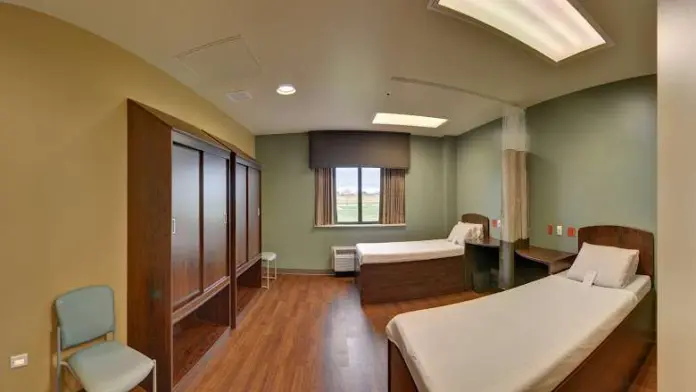
Gallery
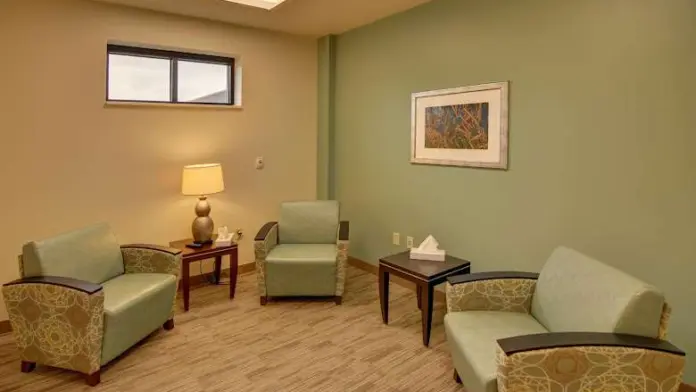
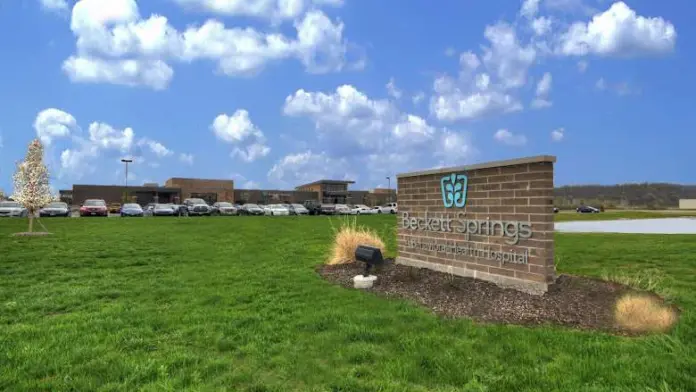
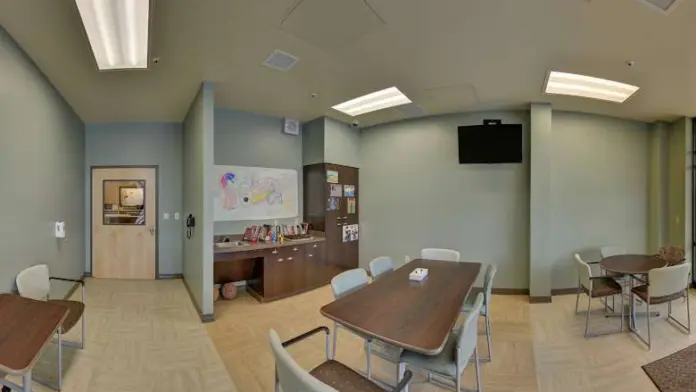
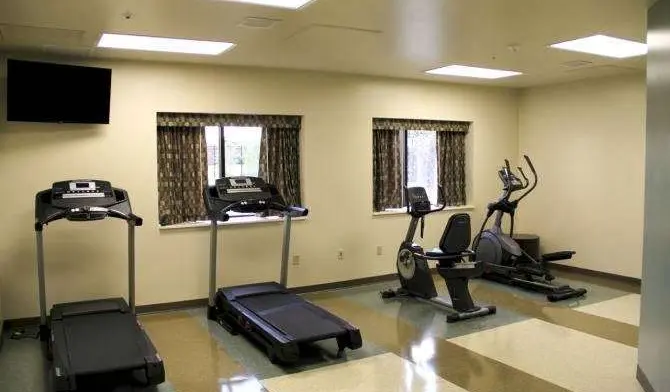
Accepted Insurance

Buckeye Health Plan
Other Forms of Payment
Private insurance refers to any kind of healthcare coverage that isn't from the state or federal government. This includes individual and family plans offered by an employer or purchased from the Insurance Marketplace. Every plan will have different requirements and out of pocket costs so be sure to get the full details before you start treatment.
Self-pay involves paying for treatment out of your own pocket. You can use savings or credit, get a personal loan, or receive help from family and friends to fund your treatment. If you don't have insurance or your insurance plan doesn't cover a specific program, self-pay can help ensure you still get the care you need.
Financial aid can take many forms. Centers may have grants or scholarships available to clients who meet eligibility requirements. Programs that receive SAMHSA grants may have financial aid available for those who need treatment as well. Grants and scholarships can help you pai for treatment without having to repay.
Medicare is a federal program that provides health insurance for those 65 and older. It also serves people under 65 with chronic and disabling health challenges. To use Medicare for addiction treatment you need to find a program that accepts Medicare and is in network with your plan. Out of pocket costs and preauthorization requirements vary, so always check with your provider.
Medicaid is a state based program that helps lower-income individuals and families pay for healthcare. Medicaid covers addiction treatment so those enrolled can use their coverage to pay for rehab. When a program accepts Medicaid the client often pays very little or nothing out of their own pocket.
Military members, veterans, and eligible dependents have access to specific insurance programs that help them get the care they need. TRICARE and VA insurance can help you access low cost or no cost addiction and mental health treatment. Programs that accept military insurance often have targeted treatment focused on the unique challenges military members, veterans, and their families face.
Addiction Treatments
Levels of Care
Outpatient Programs (OP) are for those seeking mental rehab or drug rehab, but who also stay at home every night. The main difference between outpatient treatment (OP) and intensive outpatient treatment (IOP) lies in the amount of hours the patient spends at the facility. Most of the time an outpatient program is designed for someone who has completed an inpatient stay and is looking to continue their growth in recovery. Outpatient is not meant to be the starting point, it is commonly referred to as aftercare.
Clients who have just completed detox or who are at an increased risk of relapse, such as those experiencing a life crisis, typically enroll in an inpatient rehab. There, they receive housing, meals, and intensive clinical supervision. Inpatient treatment typically involves extensive individual, group, and family therapy. Clients may also participate in life skills training to support their long-term sobriety. Integrative rehab centers offer a variety of evidence-based holistic therapies, such as meditation or equine therapy.
Intensive Outpatient programs are for those who want or need a very structured treatment program but who also wish to live at home and continue with certain responsibilities (such as work or school). IOP substance abuse treatment programs vary in duration and intensity, and certain outpatient rehab centers will offer individualized treatment programs. IOP seeks to maintain treatment benefits in a structured manner. Continuity of care is observed with an emphasis on continued reintegration into community functioning. Patients typically spend 15 hours per week in various therapy and educational groups. IOP provides a step-down approach from the PHP program and serves as a bridge to more traditional, less intensive outpatient care.
Rehab aftercare programs are designed to ensure clients receive continuing care while in the maintenance phase of recovery. Some clients may be in outpatient treatment, which is generally considered to be an element of drug rehab aftercare. The specific services provided in these programs are often determined by the client's case manager and care team in consultation with the client. Common services include peer coaching, career counseling, and 12 step program induction.
12-step programs are addiction recovery models based on Alcoholics Anonymous (AA). A number of substance abuse programs (including some drug and alcohol rehab centers) use the 12 steps as a basis for treatment. Beginning steps involve admitting powerlessness over the addiction and creating a spiritual basis for recovery. Middle steps including making direct amends to those who've been hurt by the addiction, and the final step is to assist others in addiction recovery in the same way. 12-Step offshoots including Narcotics Anonymous (NA), Cocaine Anonymous (CA), Dual Recovery Anonymous (DRA), Sex and Love Addicts Anonymous (SLAA) and Gamblers Anonymous (GA).
Intervention services help family members prepare for a drug intervention in Ohio. During an intervention, family members typically read letters they have prepared that explain how the individual's substance abuse has affected their lives and relationships. Each family member also explains what they will do if the individual does not agree to get treatment. An intervention specialist offers support to guide this discussion and makes appropriate treatment recommendations.
Designed for individuals with moderate to severe addictions, a partial hospitalization program (PHP) provides a more intensive form of outpatient therapy. PHP treatment can serve as an alternative to inpatient hospitalization or as a step-down option after being discharged from a hospital or residential program. A partial hospitalization program typically requires a minimum of 20 hours weekly for an average of 90 days. Depending on your care plan, PHPs can include relapse prevention, medication management, and behavioral therapy services.
At certain points in the recovery process, it's important to have support available 24/7. 24-hour clinical care offers a safe environment in which to recover from drug or alcohol addiction in peace, knowing medical detox and other treatment will happen with professionals on hand.
Drug and alcohol addiction often takes a heavy toll on one's body. Over time, a physical dependence can develop, meaning the body physiologically needs the substance to function. Detox is the process of removing drugs and/or alcohol from the body, a process that can be lethal if mismanaged. Medical detox is done by licensed medical professionals who monitor vital signs and keep you safe, healthy, and as comfortable as possible as you go through detox and withdrawal.
Treatments
The goal of treatment for alcoholism is abstinence. Those with poor social support, poor motivation, or psychiatric disorders tend to relapse within a few years of treatment. For these people, success is measured by longer periods of abstinence, reduced use of alcohol, better health, and improved social functioning. Recovery and Maintenance are usually based on 12 step programs and AA meetings.
Drug rehab in Ohio provides comprehensive treatment to address the physical and psychological needs of those struggling with substance use disorders. This may involve inpatient and/or outpatient care.
Many of those suffering from addiction also suffer from mental or emotional illnesses like schizophrenia, bipolar disorder, depression, or anxiety disorders. Rehab and other substance abuse facilities treating those with a dual diagnosis or co-occurring disorder administer psychiatric treatment to address the person’s mental health issue in addition to drug and alcohol rehabilitation. Treatment programs for an individual experiencing mental health and addiction issues involves an integrated approach that treats both disorders at the same time. Integrated treatment can help stabilize the symptoms of co-occurring disorders and provide the foundation for a more successful recovery.
A combined mental health and substance abuse rehab has the staff and resources available to handle individuals with both mental health and substance abuse issues. It can be challenging to determine where a specific symptom stems from (a mental health issue or an issue related to substance abuse), so mental health and substance abuse professionals are helpful in detangling symptoms and keeping treatment on track.
Opioid rehabs specialize in supporting those recovering from opioid addiction. They treat those suffering from addiction to illegal opioids like heroin, as well as prescription drugs like oxycodone. These centers typically combine both physical as well as mental and emotional support to help stop addiction. Physical support often includes medical detox and subsequent medical support (including medication), and mental support includes in-depth therapy to address the underlying causes of addiction.
Programs
Adult rehab programs include therapies tailored to each client's specific needs, goals, and recovery progress. They are tailored to the specific challenges adult clients may face, including family and work pressures and commitments. From inpatient and residential treatment to various levels of outpatient services, there are many options available. Some facilities also help adults work through co-occurring conditions, like anxiety, that can accompany addiction.
Young adulthood can be an exciting, yet difficult, time of transition. Individuals in their late teens to mid-20s face unique stressors related to school, jobs, families, and social circles, which can lead to a rise in substance use. Rehab centers with dedicated young adult programs will include activities and amenities that cater to this age group, with an emphasis on specialized counseling, peer socialization, and ongoing aftercare.
Serving in the military is both mentally and physically challenging, and can result in trauma that persists even after combat ends. Military programs are tailored to the specific and often complex needs of active duty personnel, veterans, and military families. Clients often access these programs through the U.S. Department of Veterans Affairs (VA).
Clinical Services
Cognitive Behavioral Therapy (CBT) is a therapy modality that focuses on the relationship between one's thoughts, feelings, and behaviors. It is used to establish and allow for healthy responses to thoughts and feelings (instead of unhealthy responses, like using drugs or alcohol). CBT has been proven effective for recovering addicts of all kinds, and is used to strengthen a patient's own self-awareness and ability to self-regulate. CBT allows individuals to monitor their own emotional state, become more adept at communicating with others, and manage stress without needing to engage in substance abuse.
The main goals of dialectical behavior therapy are to teach you how to regulate your emotions, develop positive ways to cope with stress, improve your relationships, and live in the moment. This therapy lasts about six months and involves weekly individual and group sessions.
Group therapy is any therapeutic work that happens in a group (not one-on-one). There are a number of different group therapy modalities, including support groups, experiential therapy, psycho-education, and more. Group therapy involves treatment as well as processing interaction between group members.
In individual therapy, a patient meets one-on-one with a trained psychologist or counselor. Therapy is a pivotal part of effective substance abuse treatment, as it often covers root causes of addiction, including challenges faced by the patient in their social, family, and work/school life.
Therapists who apply motivational interviewing in Ohio don't try to confront clients or force advice onto them. Instead, they listen and come alongside clients to help them explore why and how they might decide to make changes for themselves.
With trauma therapy, you can reclaim your life after witnessing or experiencing a traumatic event. Therapists help you process the memories, which promotes emotional healing and enables you to build resilience to navigate future challenges and triggers.
Whether a marriage or other committed relationship, an intimate partnership is one of the most important aspects of a person's life. Drug and alcohol addiction affects both members of a couple in deep and meaningful ways, as does rehab and recovery. Couples therapy and other couples-focused treatment programs are significant parts of exploring triggers of addiction, as well as learning how to build healthy patterns to support ongoing sobriety.
Research clearly demonstrates that recovery is far more successful and sustainable when loved ones like family members participate in rehab and substance abuse treatment. Genetic factors may be at play when it comes to drug and alcohol addiction, as well as mental health issues. Family dynamics often play a critical role in addiction triggers, and if properly educated, family members can be a strong source of support when it comes to rehabilitation. Families have the opportunity to participate in education and support groups to increase their understanding of addiction and mental illness. This process helps them learn about themselves and their roles and responsibilities in the recovery process. With this important information in hand, the family has a greater opportunity to reunite and start interacting in a more helpful and healthy manner.
Life skills provide stability. They increase the strengths that you bring to recovery by equipping you with the tools you need to navigate daily life. During rehab, you'll develop these strengths through life skills training that focuses on both cognitive and behavioral abilities.
Nutrition therapy helps with detox and drug rehab treatment in Ohio. This treatment gives you the skills you need to develop healthy eating habits, which help you recover more quickly and maintain long term sobriety.
Amenities
-
 Residential Setting
 -
 Private Rooms
Accreditations

LegitScript has reviewed Beckett Springs as part of their certification program, and has determined that it meets the LegitScript standards for legality, safety and transparency.
LegitScript verified in

The Joint Commission, formerly known as JCAHO, is a nonprofit organization that accredits rehab organizations and programs. Founded in 1951, the Joint Commision's mission is to improve the quality of patient care and demonstrating the quality of patient care.
Joint Commission Accreditation: Yes
Rehab.com regularly reviews this listing for accuracy but changes may occur between updates. For the most up-to-date information, please contact Beckett Springs.
Contact Information

8614 Shepherd Farm Dr
Beckett Ridge, OH 45069
Get Help Now - 513-427-2173
Sponsored Helpline
Sponsored Helpline


