










Symetria — Hurst Outpatient Rehab & Suboxone Clinic
1
Top 10 Rehab Centers In Hurst



















































































They use various therapies that help identify underlying issues. Becoming aware of the true cause of the issue is an important step during your recovery. Once you find what causes your stressors and triggers you’ll be able to find ways to combat those. What’s nice about Blue Heron is that you’ll be encouraged to take on holistic therapies like yoga and meditation to address your physical and spiritual needs.
Those who been to this place have mentioned that their approach to treatment was very helpful. They also state that their way of going about your physical and spiritual needs was good for their recovery.

 Our Methodology



Military members, veterans, and eligible dependents have access to specific insurance programs that help them get the care they need. TRICARE and VA insurance can help you access low cost or no cost addiction and mental health treatment. Programs that accept military insurance often have targeted treatment focused on the unique challenges military members, veterans, and their families face.
Outpatient Programs (OP) are for those seeking mental rehab or drug rehab, but who also stay at home every night. The main difference between outpatient treatment (OP) and intensive outpatient treatment (IOP) lies in the amount of hours the patient spends at the facility. Most of the time an outpatient program is designed for someone who has completed an inpatient stay and is looking to continue their growth in recovery. Outpatient is not meant to be the starting point, it is commonly referred to as aftercare.
A partial hospitalization program (PHP) is a short-term form of intensive rehab, usually for those with acute symptoms that are hard to manage but don’t require 24-hour care. PHPs have structured programming (i.e. individual and/or group therapy), and usually meet 3-5 days a week for around 6 hours (i.e. 9am-3m). Some PHPs are residential (patients sleep on site) and some are not, so patients sleep at home. PHPs can last from 1-6 months, and some offer transportation and meals.
Intensive Outpatient Programs (IOP) are for those who want or need a very structured treatment program but who also wish to live at home and continue with certain responsibilities (such as work or school). IOP substance abuse treatment programs vary in duration and intensity, and certain outpatient rehab centers will offer individualized treatment programs.
Substance rehabs focus on helping individuals recover from substance abuse, including alcohol and drug addiction (both illegal and prescription drugs). They often include the opportunity to engage in both individual as well as group therapy.
Cognitive Behavioral Therapy (CBT) is a therapy modality that focuses on the relationship between one's thoughts, feelings, and behaviors. It is used to establish and allow for healthy responses to thoughts and feelings (instead of unhealthy responses, like using drugs or alcohol). CBT has been proven effective for recovering addicts of all kinds, and is used to strengthen a patient's own self-awareness and ability to self-regulate. CBT allows individuals to monitor their own emotional state, become more adept at communicating with others, and manage stress without needing to engage in substance abuse.
Dialectical Behavior Therapy (DBT) is a modified form of Cognitive Behavioral Therapy (CBT), a treatment designed to help people understand and ultimately affect the relationship between their thoughts, feelings, and behaviors. DBT is often used for individuals who struggle with self-harm behaviors, such as self-mutilation (cutting) and suicidal thoughts, urges, or attempts. It has been proven clinically effective for those who struggle with out-of-control emotions and mental health illnesses like Borderline Personality Disorder.
Experiential therapy is a form of therapy in which clients are encouraged to surface and work through subconscious issues by engaging in real-time experiences. Experiential therapy departs from traditional talk therapy by involving the body, and having clients engage in activities, movements, and physical and emotional expression. This can involve role-play or using props (which can include other people). Experiential therapy can help people process trauma, memories, and emotion quickly, deeply, and in a lasting fashion, leading to substantial and impactful healing.
Group therapy is any therapeutic work that happens in a group (not one-on-one). There are a number of different group therapy modalities, including support groups, experiential therapy, psycho-education, and more. Group therapy involves treatment as well as processing interaction between group members.
 Yoga Studio
CEO

Medical Director
Director of Operations

Outpatient Clinician
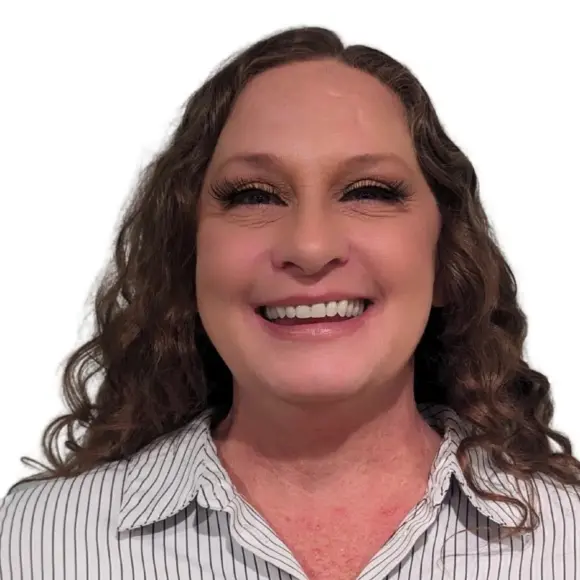
Recovery Advocate
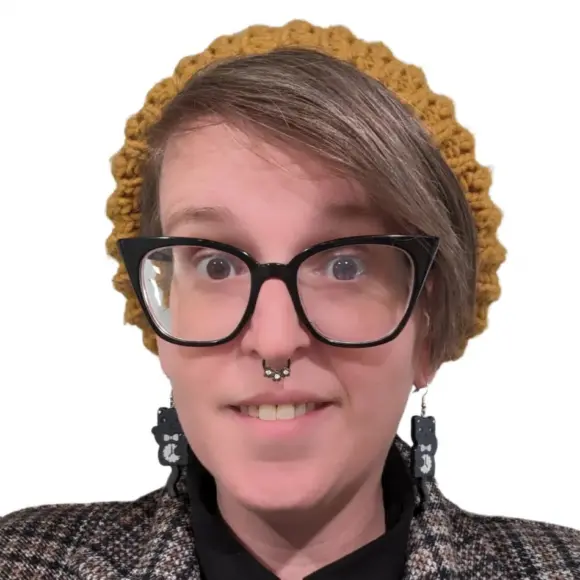
Admissions & Outreach Coordinator

The National Association of Addiction Treatment Providers (NAATP) is a professional association that represents organizations in the field of addiction services. Founded in 1978, NAATP's mission is to advance addiction services and ensure that high-quality addiction treatment is available and accessible.
NAATP Member: Yes

State Licenses are permits issued by government agencies that allow rehab organizations to conduct business legally within a certain geographical area. Typically, the kind of program a rehab facility offers, along with its physical location, determines which licenses are required to operate legally.
State License: Texas
License Number: 4642-4643
Rehab.com regularly reviews this listing for accuracy but changes may occur between updates. For the most up-to-date information, please contact Blue Heron Recovery.

2015 Ne Loop 410
San Antonio, TX 78217
Sponsored Helpline

Parker is 🔥, the staff is 🔥

Blue Heron was exactly what I needed to start my recovery. The staff, especially Parker, were exceptionally supportive during my detox and I look forward to continuing my recovery through their PHP program. If you're willing to help yourself, they'll be there to help you, too.

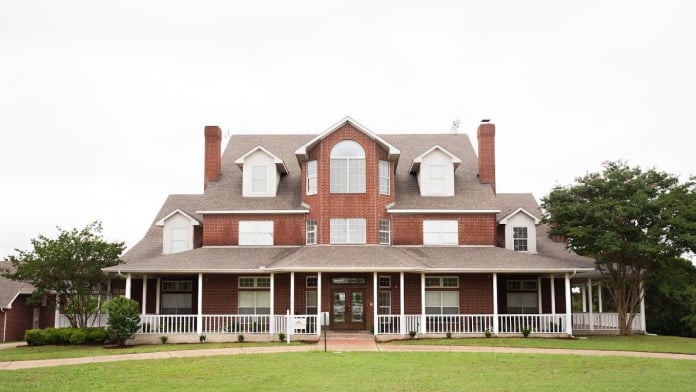
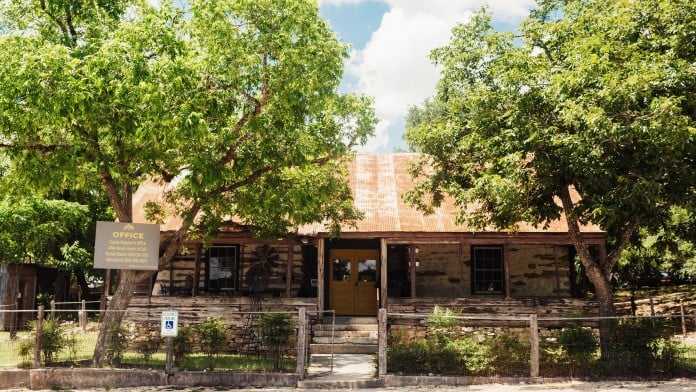
What has been created with Blue Heron Recovery and Los Patios is truly impressive. The property itself is absolutely beautiful, and the history and character of Los Patios make it unlike any typical treatment facility. Set on approximately 18 acres along Salado Creek, Los Patios has been part of San Antonio for decades. The mature trees, beautiful gardens, historic architecture, walkways and peaceful natural surroundings give the property a character that simply can’t be recreated overnight. To take a property with that much history and beauty and give it such an important purpose is pretty remarkable. Blue Heron has created an environment where professional treatment, recovery, community and the outdoors all come together in a setting that feels welcoming and peaceful rather than institutional. You can tell a tremendous amount of thought and care has gone into both the property and the program. Blue Heron Recovery and Los Patios are doing exceptional work in a truly exceptional setting, and I highly recommend them

This place was amazing. They took such good care of me and the staff is wonderful. My case manager Parker rocks!
 Back
Back
Sharing your insights and experiences can help others learn more about this rehab center.

 Written By: David Bugg
