






























































































The treatment they provide is good, they have a high quality of services. However the staff could improve, they lack communication between them and the doctors, and then between them and us patients, so they slow down some processes. They also could pay more attention to pat ...
About Bon Secours Community Hospital
Bon Secours Community Hospital is a hospital based addiction treatment and behavioral health center in Port Jervis, New York offering substance use and psychiatric services to adults in the region.
As part of the Westchester Medical Center Health Network the facility provides an integrated approach to care that addresses both chemical dependency and co-occurring mental health conditions.
The program focuses on helping clients stop substance use and build support systems while developing the relapse prevention skills needed for a healthier life.
Addiction Treatment Programs at Bon Secours Community Hospital
The hospital’s Drug Treatment program offers outpatient chemical dependency services including client and group counseling for adult men and women struggling with alcohol and drug use.
For those requiring a higher level of support the Adult Inpatient Psychiatric Unit provides a 15 bed private room setting for clients with acute psychiatric or behavioral health needs.
Clients in the outpatient program can expect group based chemical dependency counseling and a family program component to strengthen recovery support at home.
At a Glance: Bon Secours Community Hospital
- Levels of care: Outpatient chemical dependency treatment and adult inpatient psychiatric services
- Who they treat: Adult men and women with chemical dependency and co-occurring behavioral health conditions
- Approach: Integrated behavioral health model combining substance use treatment, psychiatric care, and family involvement
- Network affiliation: Member of the Westchester Medical Center Health Network
Latest Reviews
The nurses and assistants were fantastic.
Your feedback is a powerful reminder of the impact of our work and reinforces our commitment to excellence in patient care. You can be assured that we have shared your kind words with the care team.
We invite you to help us recognize a member(s) of the WMCHealth workforce who provided extraordinary service and compassionate care. You can do so by visiting https://www.westchestermedicalcenter.org/care-champions to learn more.
Thank you for entrusting us with your care. We look forward to continuing to serve you in the future.
Response from the owner3 months ago
Hello Randy, thank you for sharing your positive experience. Our caregivers work hard to ensure that every patient receives safe, quality, patient-centered care. It is an honor to know that our efforts to provide the highest quality care to our patients are recognized and appreciated.Your feedback is a powerful reminder of the impact of our work and reinforces our commitment to excellence in patient care. You can be assured that we have shared your kind words with the care team.
We invite you to help us recognize a member(s) of the WMCHealth workforce who provided extraordinary service and compassionate care. You can do so by visiting https://www.westchestermedicalcenter.org/care-champions to learn more.
Thank you for entrusting us with your care. We look forward to continuing to serve you in the future.
Exceptional personnel
Always treated with respect and dignity
Your feedback is a powerful reminder of the impact of our work and reinforces our commitment to excellence in patient care. You can be assured that we have shared your kind words with the care team.
We invite you to help us recognize a member(s) of the WMCHealth workforce who provided extraordinary service and compassionate care. You can do so by visiting https://www.westchestermedicalcenter.org/care-champions to learn more.
Thank you for entrusting us with your care. We look forward to continuing to serve you in the future.
Response from the owner3 months ago
Hello Michael, Thank you for sharing your positive experience. Our caregivers work hard to ensure that every patient receives safe, quality, patient-centered care. It is an honor to know that our efforts to provide the highest quality care to our patients are recognized and appreciated.Your feedback is a powerful reminder of the impact of our work and reinforces our commitment to excellence in patient care. You can be assured that we have shared your kind words with the care team.
We invite you to help us recognize a member(s) of the WMCHealth workforce who provided extraordinary service and compassionate care. You can do so by visiting https://www.westchestermedicalcenter.org/care-champions to learn more.
Thank you for entrusting us with your care. We look forward to continuing to serve you in the future.
I went to the ER this week and was admitted and had a laparoscopic surgery this week, and the experience was fabulous. The hospital is not fancy, but the people who work there were fabulous, the nurses, the doctors, everyone was so wonderful I was overwhelmed by the care and love they gave me. I'm from NYC so I have very high standards for medical care, and this was a fantastic experience. I highly recommend Bon Secours if you are in the unfortunate situation of needing medical care.
Your feedback is a powerful reminder of the impact of our work and reinforces our commitment to excellence in patient care. You can be assured that we have shared your kind words with the care team.
We invite you to help us recognize a member(s) of the WMCHealth workforce who provided extraordinary service and compassionate care. You can do so by visiting https://www.westchestermedicalcenter.org/care-champions to learn more.
Thank you for entrusting us with your care. We look forward to continuing to serve you in the future.
Response from the owner3 months ago
Hello Liz, Thank you for sharing your positive experience. Our caregivers work hard to ensure that every patient receives safe, quality, patient-centered care. It is an honor to know that our efforts to provide the highest quality care to our patients are recognized and appreciated.Your feedback is a powerful reminder of the impact of our work and reinforces our commitment to excellence in patient care. You can be assured that we have shared your kind words with the care team.
We invite you to help us recognize a member(s) of the WMCHealth workforce who provided extraordinary service and compassionate care. You can do so by visiting https://www.westchestermedicalcenter.org/care-champions to learn more.
Thank you for entrusting us with your care. We look forward to continuing to serve you in the future.

Rehab Score
 Our Methodology
Scoring is assigned by a proprietary system which helps surface key metrics that determine quality. The 10-point scale factors in categories such as operations, customer satisfaction, and trust metrics. Read Full Methodology

6.3 / 10
Gallery
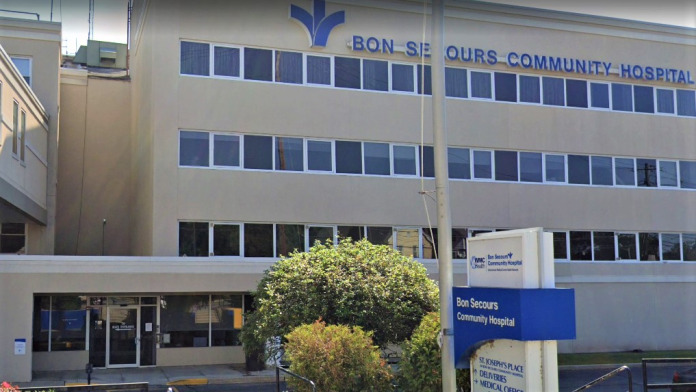
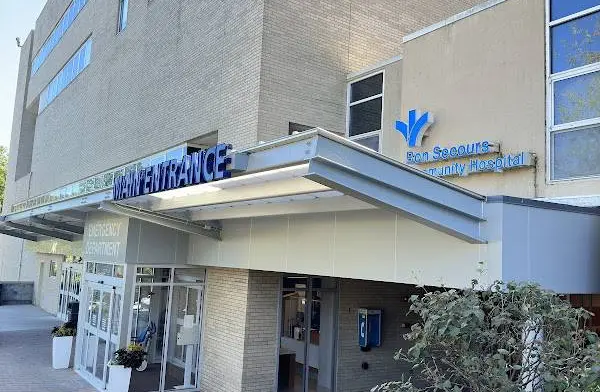
Accepted Insurance
Other Forms of Payment
Private insurance refers to any kind of healthcare coverage that isn't from the state or federal government. This includes individual and family plans offered by an employer or purchased from the Insurance Marketplace. Every plan will have different requirements and out of pocket costs so be sure to get the full details before you start treatment.
Self-pay involves paying for treatment out of your own pocket. You can use savings or credit, get a personal loan, or receive help from family and friends to fund your treatment. If you don't have insurance or your insurance plan doesn't cover a specific program, self-pay can help ensure you still get the care you need.
Financial aid can take many forms. Centers may have grants or scholarships available to clients who meet eligibility requirements. Programs that receive SAMHSA grants may have financial aid available for those who need treatment as well. Grants and scholarships can help you pai for treatment without having to repay.
Medicare is a federal program that provides health insurance for those 65 and older. It also serves people under 65 with chronic and disabling health challenges. To use Medicare for addiction treatment you need to find a program that accepts Medicare and is in network with your plan. Out of pocket costs and preauthorization requirements vary, so always check with your provider.
Military members, veterans, and eligible dependents have access to specific insurance programs that help them get the care they need. TRICARE and VA insurance can help you access low cost or no cost addiction and mental health treatment. Programs that accept military insurance often have targeted treatment focused on the unique challenges military members, veterans, and their families face.
Medicaid is a state based program that helps lower-income individuals and families pay for healthcare. Medicaid covers addiction treatment so those enrolled can use their coverage to pay for rehab. When a program accepts Medicaid the client often pays very little or nothing out of their own pocket.
Addiction Treatments
Levels of Care
Outpatient rehabs offer an intermediate level of care for clients who do not require the kind of intensive supervision and support an inpatient program typically provides. Many clients transition into outpatient care immediately after exiting inpatient treatment. Others enter outpatient programs upon completing detox. Some facilities offer ambulatory medical detox for clients who do not require hospitalization. Most outpatient rehabs offer a combination of services, including addiction counseling, life skills training, and medication assisted treatment (MAT).
Inpatient rehabs provide a space for clients to focus exclusively on their recovery while receiving intensive supervision and support. Inpatient treatment centers provide housing and food and most offer round-the-clock clinical care. Their primary treatment modalities typically consist of addiction counseling using various psychotherapeutic methods, including CBT, DBT, RBT, and motivational interviewing. Many rehabs also provide specialized services for clients with co-occurring addiction and mental illness. Recovery-focused life skills training and holistic therapies are other common services.
Clients who enroll in an intensive outpatient program (IOP) are typically either in early recovery or are experiencing a crisis that increases their relapse risk. These programs promote clients' sustained sobriety through robust support, including multiple, extended care sessions per week. Intensive outpatient treatment often encompasses an array of services, including psychotherapy, recovery education, and evidence-based holistic therapies, such as acupuncture and meditation. Many outpatient rehabs also offer medication assisted treatment (MAT).
Clients in rehab aftercare programs receive a customized portfolio of services designed to promote their sustained sobriety. These clients have completed high-level treatment, are typically exiting detox and/or intensive inpatient care and are reintegrating into their home, workplace, and community. Rehab aftercare services address addiction disease as a chronic condition requiring continuing care. Clients typically work with case managers and recovery teams to access necessary resources, such as peer coaching and 12 step program induction support.
Participants in 12 step programs maintain access to community-based peer support, which is the programs' primary treatment modality. 12 step recovery combines personal growth with paper coaching. Participants regularly attend group meetings, which are free, anonymous, open to the public, and available multiple times per day in most communities. They are also mentored by self-selected sponsors who guide them through the steps of recovery. Age and gender specific and other specialized formats are common.
Medical detox involves weaning your body off of addictive substances in a medically supervised environment. If you've become dependent on alcohol and/or drugs, quitting on your own can be uncomfortable and even dangerous. In medically assisted detox, a team of licensed medical professionals will help manage potential withdrawal symptoms, ensuring that you're as safe and comfortable as possible. This process typically takes about 5-7 days, although the length will depend on your individual needs.
Treatments
Many of those suffering from addiction also suffer from mental or emotional illnesses like schizophrenia, bipolar disorder, depression, or anxiety disorders. Rehab and other substance abuse facilities treating those with a dual diagnosis or co-occurring disorder administer psychiatric treatment to address the person's mental health issue in addition to drug and alcohol rehabilitation.
Mental health rehabs focus on helping individuals recover from mental illnesses like bipolar disorder, clinical depression, anxiety disorders, schizophrenia, and more. Mental health professionals at these facilities are trained to understand and treat mental health issues, both in individual and group settings.
Programs
Adult rehab programs include therapies tailored to each client's specific needs, goals, and recovery progress. They are tailored to the specific challenges adult clients may face, including family and work pressures and commitments. From inpatient and residential treatment to various levels of outpatient services, there are many options available. Some facilities also help adults work through co-occurring conditions, like anxiety, that can accompany addiction.
Young adulthood can be an exciting, yet difficult, time of transition. Individuals in their late teens to mid-20s face unique stressors related to school, jobs, families, and social circles, which can lead to a rise in substance use. Rehab centers with dedicated young adult programs will include activities and amenities that cater to this age group, with an emphasis on specialized counseling, peer socialization, and ongoing aftercare.
Clinical Services
Cognitive Behavioral Therapy (CBT) is a therapy modality that focuses on the relationship between one's thoughts, feelings, and behaviors. It is used to establish and allow for healthy responses to thoughts and feelings (instead of unhealthy responses, like using drugs or alcohol). CBT has been proven effective for recovering addicts of all kinds, and is used to strengthen a patient's own self-awareness and ability to self-regulate. CBT allows individuals to monitor their own emotional state, become more adept at communicating with others, and manage stress without needing to engage in substance abuse.
Group therapy is any therapeutic work that happens in a group (not one-on-one). There are a number of different group therapy modalities, including support groups, experiential therapy, psycho-education, and more. Group therapy involves treatment as well as processing interaction between group members.
In individual therapy, a patient meets one-on-one with a trained psychologist or counselor. Therapy is a pivotal part of effective substance abuse treatment, as it often covers root causes of addiction, including challenges faced by the patient in their social, family, and work/school life.
Introduced in 1983, motivational interviewing is a method to help clients commit to change. It's based on the philosophy that change is hard, and clients must explore their own options and come to their own conclusions rather than receive warnings or advice from the therapist.
You can participate in couples therapy to focus on a specific problem in your relationship or for general strengthening of the relationship. This therapy aims to help you improve communication, address conflict, and grow in affection for one another.
Research clearly demonstrates that recovery is far more successful and sustainable when loved ones like family members participate in rehab and substance abuse treatment. Genetic factors may be at play when it comes to drug and alcohol addiction, as well as mental health issues. Family dynamics often play a critical role in addiction triggers, and if properly educated, family members can be a strong source of support when it comes to rehabilitation.
Accreditations

The Joint Commission, formerly known as JCAHO, is a nonprofit organization that accredits rehab organizations and programs. Founded in 1951, the Joint Commision's mission is to improve the quality of patient care and demonstrating the quality of patient care.
Joint Commission Accreditation: Yes
Rehab.com regularly reviews this listing for accuracy but changes may occur between updates. For the most up-to-date information, please contact Bon Secours Community Hospital.
Contact Information

160 East Main Street
Port Jervis, NY 12771
Get Help Now - 914-301-7675
Sponsored Helpline
Sponsored Helpline


