





























































































About Cornell Scott – Hill Health Center of 122 Wilmot Road New Haven, CT
Cornell Scott Hill Health Center is a nonprofit, federally qualified health center offering multiple outpatient services, including behavioral health and addiction treatment. Some services like detox and addiction treatment services, are offered in the organization’s networked centers nearby. Clients in the network have access to various outpatient care, including medication assisted treatment (MAT).
The center serves young adults, adults, and seniors. You can pay for services using most private health insurance, military insurance (TRICARE), Medicare, and Medicaid. Sliding fees are also used for clients who might need assistance with funding. There’s a bus stop right in front of the health center for convenient access.
Comprehensive Treatment Network
The center is part of a much wider treatment network, which means clients have access to many primary care and specialty medical services. Clients experience a seamless referral process to ensure comprehensive treatment. The clinicians have an ongoing commitment to removing barriers to care, especially for underserved communities.
Gender Specific Programs
The network offers specialty programs that include gender specific programs for women. The programs address the unique obstacles women face when seeking treatment, from eating disorders to assistance with pediatrics. They also offer age appropriate treatment for teens.
Latest Reviews



Rehab Score
 Our Methodology


Gallery

Other Forms of Payment
Private insurance refers to any kind of healthcare coverage that isn't from the state or federal government. This includes individual and family plans offered by an employer or purchased from the Insurance Marketplace. Every plan will have different requirements and out of pocket costs so be sure to get the full details before you start treatment.
Self-pay involves paying for treatment out of your own pocket. You can use savings or credit, get a personal loan, or receive help from family and friends to fund your treatment. If you don't have insurance or your insurance plan doesn't cover a specific program, self-pay can help ensure you still get the care you need.
Medicare is a federal program that provides health insurance for those 65 and older. It also serves people under 65 with chronic and disabling health challenges. To use Medicare for addiction treatment you need to find a program that accepts Medicare and is in network with your plan. Out of pocket costs and preauthorization requirements vary, so always check with your provider.
Medicaid is a state based program that helps lower-income individuals and families pay for healthcare. Medicaid covers addiction treatment so those enrolled can use their coverage to pay for rehab. When a program accepts Medicaid the client often pays very little or nothing out of their own pocket.
Addiction Treatments
Levels of Care
Outpatient Programs (OP) are for those seeking mental rehab or drug rehab, but who also stay at home every night. The main difference between outpatient treatment (OP) and intensive outpatient treatment (IOP) lies in the amount of hours the patient spends at the facility. Most of the time an outpatient program is designed for someone who has completed an inpatient stay and is looking to continue their growth in recovery. Outpatient is not meant to be the starting point, it is commonly referred to as aftercare.
Rehab aftercare programs promote clients' long-term sobriety through a suite of services designed to provide a complete continuum of care. Drug rehab aftercare typically begins as soon as patients exit inpatient care and often includes formal outpatient treatment. Clients who no longer require outpatient counseling, education, or other treatment generally continue to receive rehab aftercare services, such as peer coaching, career counseling, or 12 step program induction. Clients typically develop their program in collaboration with their case manager.
12 step programs are a peer-directed, spiritually-focused approach to addiction recovery, though participants do not need to be religiously affiliated. They are also often considered to be the gold standard in addiction recovery. Participants self-select a sponsor to support them throughout the recovery journey. They also regularly attend group meetings, which are free, anonymous, and accessible multiple times daily in most communities. Dedicated programs for specialized groups, such as seniors, teens, and families, are widely available.
A partial hospitalization program (PHP) offers short-term intensive rehab for those who don't require 24-hour care. PHP treatment can serve as an alternative to inpatient hospitalization or a step-down option after being released from a hospital or residential program. A partial hospitalization program can provide medication management, relapse prevention strategies, and behavioral therapy interventions. With daily sessions lasting up to 8 hours for up to 5 days a week, the duration can vary with the average being 90 days.
Treatments
Many of those suffering from addiction also suffer from mental or emotional illnesses like schizophrenia, bipolar disorder, depression, or anxiety disorders. Rehab and other substance abuse facilities treating those with a dual diagnosis or co-occurring disorder administer psychiatric treatment to address the person's mental health issue in addition to drug and alcohol rehabilitation.
Mental health rehabs focus on helping individuals recover from mental illnesses like bipolar disorder, clinical depression, anxiety disorders, schizophrenia, and more. Mental health professionals at these facilities are trained to understand and treat mental health issues, both in individual and group settings.
Programs
Adult rehab programs include therapies tailored to each client's specific needs, goals, and recovery progress. They are tailored to the specific challenges adult clients may face, including family and work pressures and commitments. From inpatient and residential treatment to various levels of outpatient services, there are many options available. Some facilities also help adults work through co-occurring conditions, like anxiety, that can accompany addiction.
Young adulthood can be an exciting, yet difficult, time of transition. Individuals in their late teens to mid-20s face unique stressors related to school, jobs, families, and social circles, which can lead to a rise in substance use. Rehab centers with dedicated young adult programs will include activities and amenities that cater to this age group, with an emphasis on specialized counseling, peer socialization, and ongoing aftercare.
Clinical Services
According to cognitive behavioral therapy in Connecticut, individuals can change their behaviors by changing their thoughts. Applied to substance use disorder, this can be an effective treatment method to help patients transform their thoughts and lives.
Group therapy is any therapeutic work that happens in a group (not one-on-one). There are a number of different group therapy modalities, including support groups, experiential therapy, psycho-education, and more. Group therapy involves treatment as well as processing interaction between group members.
In individual therapy, a patient meets one-on-one with a trained psychologist or counselor. Therapy is a pivotal part of effective substance abuse treatment, as it often covers root causes of addiction, including challenges faced by the patient in their social, family, and work/school life.
Motivational interviewing in Connecticut is a method of communication designed to stimulate motivation and commitment to change. It encourages clients to move toward goals by exploring their own motivations for change rather than coercing them to change through advice, warnings, or judgment.
Trauma therapy offers you a safe space to process a traumatic experience as therapists use trauma informed care. Your therapist works to support your understanding of your emotional and physical responses to the trauma while developing healthier coping skills. This helps to foster a sense of empowerment that leads to recovery.
During couples therapy in Connecticut, you will learn skills such as problem solving, conflict resolution, and anger management. The goal is to develop techniques that will help you successfully navigate relationship challenges.
Family therapy sessions work to strengthen the family unit by addressing addiction related conflicts and fostering support between family members. Your therapist guides family members in developing effective communication strategies and creating an environment that aids in your loved one's recovery.
During rehab treatment, you and your therapist will identify any life skills that you need to develop. Your treatment will include methods to strengthen those skills so you can have a successful long term recovery. These skills include thinking skills, self awareness, and interpersonal skills.
Nutrition therapy provides a personalized, high protein diet that gives your body the nutrients it needs for mental and physical recovery. This is an important part of drug rehab programs in Connecticut.
When you use nicotine replacement therapy in Connecticut, you can avoid further exposure to the harmful chemicals found in tobacco. You'll get small doses of nicotine without the other toxins, so you can slowly wean yourself off nicotine and quit smoking for good.
Staff & Accreditations
Staff

Michael R. Taylor
CEO
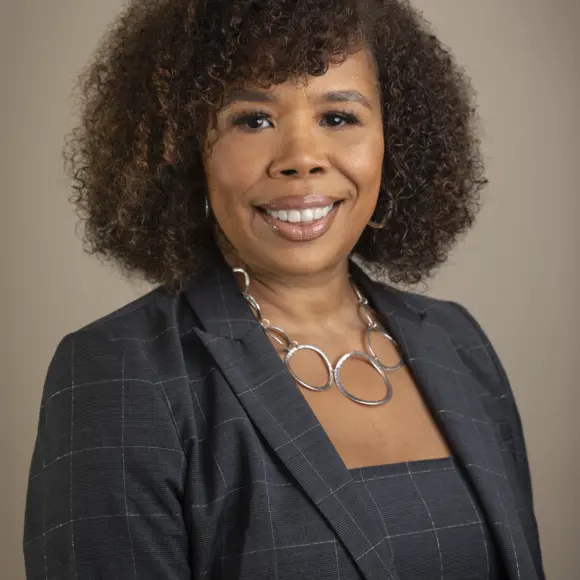
Andrea Lobo
Chief Human Resources Officer
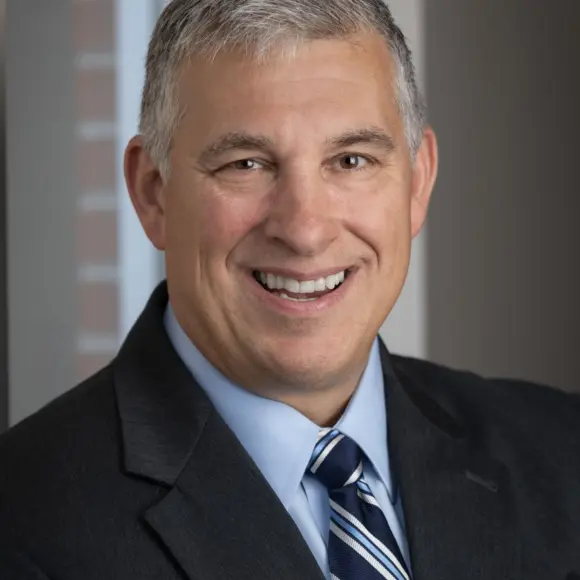
Douglas Magazu
CFO
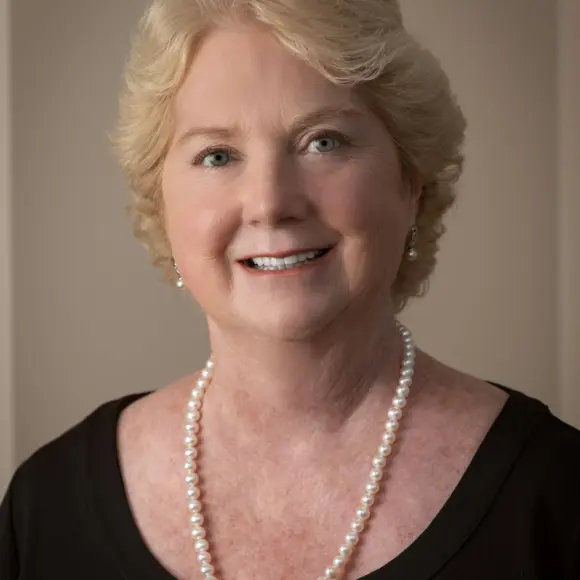
Mary Ellen Cody
Chief Development Officer

Denise Lear
COO
Accreditations

The Substance Abuse and Mental Health Services Administration (SAMHSA) is a branch of the U.S. Department of Health and Human Services. Established in 1992 by congress, SAMHSA's mission is to reduce the impact of substance abuse and mental illness on American's communities.
SAMHSA Listed: Yes

The Joint Commission, formerly known as JCAHO, is a nonprofit organization that accredits rehab organizations and programs. Founded in 1951, the Joint Commision's mission is to improve the quality of patient care and demonstrating the quality of patient care.
Joint Commission Accreditation: Yes
Rehab.com regularly reviews this listing for accuracy but changes may occur between updates. For the most up-to-date information, please contact Cornell Scott – Hill Health Center of 122 Wilmot Road New Haven, CT.
Contact Information


122 Wilmot Road
New Haven, CT 06515
Sponsored Helpline



