






























































































I originally went to Elvolve for the 3.3 residential program for women on a Wednesday. I was told I needed to go to a detox unit before I could be admitted even though I didn’t need detox My vehicle and keys were left with staff and they drove me to the detox facility . Th ...
About Evolve Life Centers
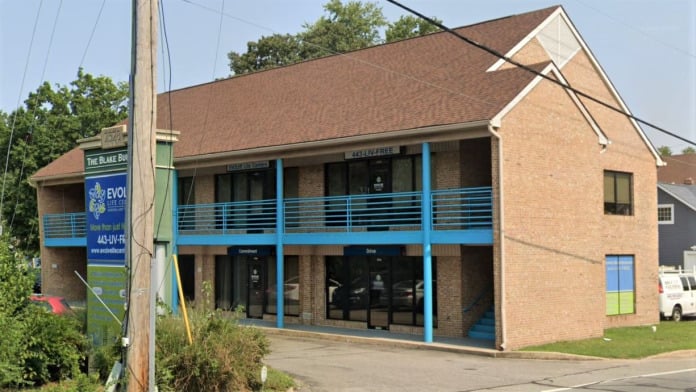
Evolve Life Centers is an addiction treatment and mental health provider in Pasadena, Maryland, serving adults and families through residential care, outpatient programs (PHP, IOP and OP) and recovery housing. The team takes a whole-person, eclectic approach, blending evidence based therapies with family involvement and strong community support. Clients benefit from individualized care, flexible telehealth options and a continuum that supports each stage of recovery.
What programs and levels of care are available?
Evolve Life Centers offers low and medium intensity residential treatment (lasting approximately 30 to 60 days or up to 5 months depending on the level), partial hospitalization (PHP), intensive outpatient (IOP) and standard outpatient services. Recovery housing is also available to support transition and sustained community integration after higher levels of care.
Who can get help at Evolve Life Centers?
The center serves adults 18 and older dealing with substance use disorders, co-occurring mental health concerns such as depression, anxiety, trauma, grief, or relationship challenges and families seeking education and therapy. Teens, young adults and older adults may be served through specific programs or referrals.
What therapy approaches are used?
Treatment combines Cognitive Behavioral Therapy (CBT), Dialectical Behavior Therapy (DBT), EMDR and Motivational Interviewing in individual, group and family formats. Psychiatric services and certified peer recovery specialists are part of the support team for dual diagnosis care.
What insurance or payment options are accepted?
Evolve Life Centers accepts BlueCross/BlueShield, CareFirst, Cigna, Medicaid, UnitedHealthcare, TRICARE and private pay. Individuals can contact the admissions team to verify coverage and explore financial assistance options.
The center offers both in-person sessions and virtual mental health appointments.
Latest Reviews
I had a wonderful experience while at evolve!!!
Response from the owner1 week ago
Thank you, Mike. We are so glad you had a wonderful experience at Evolve. We truly appreciate your kind words and support.
Here at Evolve you're treated like family from the moment the moment you walk in the door. The IOP people at the center take the time to listen to you and care about your needs. I highly recommend Evolve
Response from the owner1 week ago
Thank you, David. We’re grateful you felt welcomed and supported like family. Our IOP team truly cares, and we appreciate your recommendation.
Evolve is a great program and the staff really cares. The groups have helped me to identify tools for my recovery.
Response from the owner1 week ago
Thank you, Destiny. We are so glad the groups and our caring staff have helped you build valuable tools for your recovery. We’re honored to be part of your journey and wish you continued strength and success 
Rehab Score
 Our Methodology
Scoring is assigned by a proprietary system which helps surface key metrics that determine quality. The 10-point scale factors in categories such as operations, customer satisfaction, and trust metrics. Read Full Methodology

7.7 / 10
Gallery
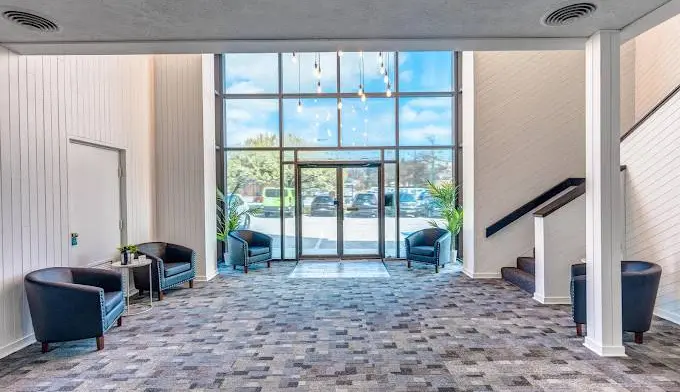
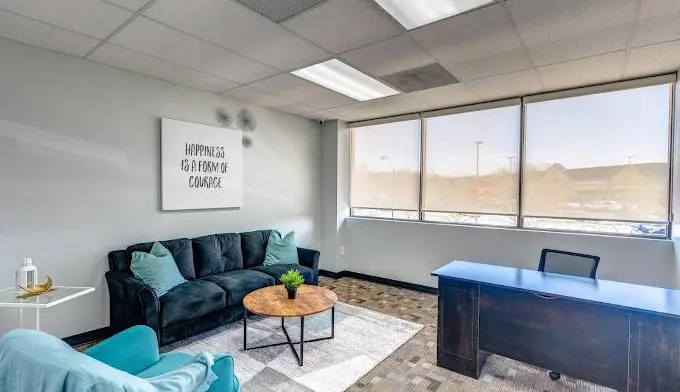
Accepted Insurance
Other Forms of Payment
Self-pay involves paying for treatment out of your own pocket. You can use savings or credit, get a personal loan, or receive help from family and friends to fund your treatment. If you don't have insurance or your insurance plan doesn't cover a specific program, self-pay can help ensure you still get the care you need.
Medicaid is a state based program that helps lower-income individuals and families pay for healthcare. Medicaid covers addiction treatment so those enrolled can use their coverage to pay for rehab. When a program accepts Medicaid the client often pays very little or nothing out of their own pocket.
Military members, veterans, and eligible dependents have access to specific insurance programs that help them get the care they need. TRICARE and VA insurance can help you access low cost or no cost addiction and mental health treatment. Programs that accept military insurance often have targeted treatment focused on the unique challenges military members, veterans, and their families face.
Addiction Treatments
Levels of Care
Drug and alcohol addiction often takes a heavy toll on one's body. Over time, a physical dependence can develop, meaning the body physiologically needs the substance to function. Detox is the process of removing drugs and/or alcohol from the body, a process that can be lethal if mismanaged. Medical detox is done by licensed medical professionals who monitor vital signs and keep you safe, healthy, and as comfortable as possible as you go through detox and withdrawal.
Intensive Outpatient Programs (IOP) are for those who want or need a very structured treatment program but who also wish to live at home and continue with certain responsibilities (such as work or school). IOP substance abuse treatment programs vary in duration and intensity, and certain outpatient rehab centers will offer individualized treatment programs.
Sober Living Houses (SLHs), aka sober homes or halfway houses, are safe, substance-free, supportive living facilities for those recovering from substance abuse. Ideal for those who've just been through inpatient or outpatient treatment, SLHs are supervised environments with rules that support sobriety, such as curfews, shared chores, and therapeutic meetings. Residents are also often trained on life skills and coping skills to make it easier to transition into society. SLHs also provide a strong sense of community that can lead to the kind of deep and lasting connections with other sober individuals that supports a new, healthy lifestyle.
12-step programs are addiction recovery models based on Alcoholics Anonymous (AA). A number of substance abuse programs (including some drug and alcohol rehab centers) use the 12 steps as a basis for treatment. Beginning steps involve admitting powerlessness over the addiction and creating a spiritual basis for recovery. Middle steps including making direct amends to those who've been hurt by the addiction, and the final step is to assist others in addiction recovery in the same way. 12-Step offshoots including Narcotics Anonymous (NA), Cocaine Anonymous (CA), Dual Recovery Anonymous (DRA), Sex and Love Addicts Anonymous (SLAA) and Gamblers Anonymous (GA).
Outpatient Programs (OP) are for those seeking mental rehab or drug rehab, but who also stay at home every night. The main difference between outpatient treatment (OP) and intensive outpatient treatment (IOP) lies in the amount of hours the patient spends at the facility. Most of the time an outpatient program is designed for someone who has completed an inpatient stay and is looking to continue their growth in recovery. Outpatient is not meant to be the starting point, it is commonly referred to as aftercare.
Inpatient rehab enables clients to focus exclusively on their recovery while living in a highly structured and supportive environment. Inpatient treatment is typically designed for clients who have just completed detox, are in early recovery, and/or are at an elevated risk of relapse. Their treatment generally involves intensive addiction counseling, including individual, group, and family counseling. Many inpatient rehabs also offer recovery-focused life skills training and/or holistic therapies, such as yoga, massage, and meditation.
Treatments
The goal of treatment for alcoholism is abstinence. Those with poor social support, poor motivation, or psychiatric disorders tend to relapse within a few years of treatment. For these people, success is measured by longer periods of abstinence, reduced use of alcohol, better health, and improved social functioning. Recovery and Maintenance are usually based on 12 step programs and AA meetings.
Once a person has become addicted to a substance, drug rehab in Maryland is often necessary to overcome that addiction. These programs provide the tools individuals need to manage the physical, mental, and emotional issues involved and begin a successful recovery journey.
Substance rehabs focus on helping individuals recover from substance abuse, including alcohol and drug addiction (both illegal and prescription drugs). They often include the opportunity to engage in both individual as well as group therapy.
Programs
Adult rehab programs include therapies tailored to each client's specific needs, goals, and recovery progress. They are tailored to the specific challenges adult clients may face, including family and work pressures and commitments. From inpatient and residential treatment to various levels of outpatient services, there are many options available. Some facilities also help adults work through co-occurring conditions, like anxiety, that can accompany addiction.
Young adulthood can be an exciting, yet difficult, time of transition. Individuals in their late teens to mid-20s face unique stressors related to school, jobs, families, and social circles, which can lead to a rise in substance use. Rehab centers with dedicated young adult programs will include activities and amenities that cater to this age group, with an emphasis on specialized counseling, peer socialization, and ongoing aftercare.
Clinical Services
Group therapy is any therapeutic work that happens in a group (not one-on-one). There are a number of different group therapy modalities, including support groups, experiential therapy, psycho-education, and more. Group therapy involves treatment as well as processing interaction between group members.
In individual therapy, a patient meets one-on-one with a trained psychologist or counselor. Therapy is a pivotal part of effective substance abuse treatment, as it often covers root causes of addiction, including challenges faced by the patient in their social, family, and work/school life.
Life skills trainings involve all the skills a person must have in order to function successfully in the world. These include time management, career guidance, money management, and effective communication. Truly successful addiction recovery is based on the ability to not only live substance-free, but to thrive. Life skills teaches the practical necessities of functioning in society, which sets clients up for success in life, and therefore sobriety. During the stay life coach will help the client with a resume and come up with a realistic plan for obtaining employment. Some employment opportunities are available through their program, which will help the participants with fees until they are able to find employment.
Nutrition therapy, aka medical nutrition therapy (MNT), is a way of treating physical, emotional, and medical conditions through diet. Specific dietary plans are designed by professional nutritionists or registered dietitians, and patients follow them in order to positively affect their physical and mental health.
Amenities
-
 Yoga Studio
Accreditations

The Commission on Accreditation of Rehabilitation Facilities (CARF) is a non-profit organization that specifically accredits rehab organizations. Founded in 1966, CARF's, mission is to help service providers like rehab facilities maintain high standards of care.
CARF Accreditation: Yes
Rehab.com regularly reviews this listing for accuracy but changes may occur between updates. For the most up-to-date information, please contact Evolve Life Centers.
Contact Information

2528 Mountain Road
Suite 204
Pasadena MD, 21122
Get Help Now - 443-376-8434
Sponsored Helpline
Sponsored Helpline

