San Antonio Council On Alcohol and Drug Abuse - SACADA
1
Top 10 Rehab In San Antonio































































































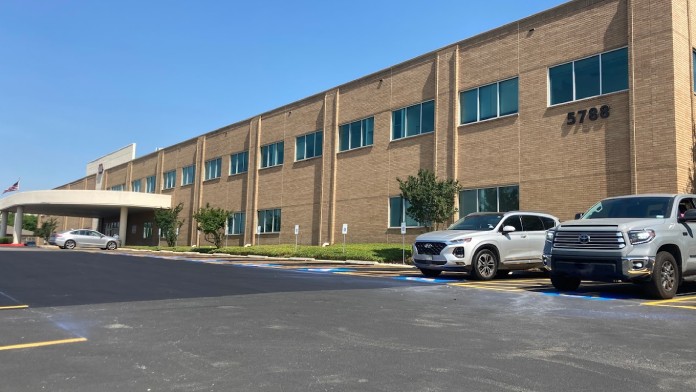
Flourishing Foundations Recovery specializes in drug and alcohol detox services. You’ll find them near the San Antonio Medical Center in San Antonio, Texas. Their priority is to lay the foundation for your addiction recovery journey with highly individualized treatment, including co-occurring disorder care.
As an outpatient detox center, this facility allows you to safely withdraw from abused substances under the supervision of a multidisciplinary medical team without an inpatient stay. You’ll have the freedom to live at home with friends and family during the process. They accept many insurance plans here, so contact the office to confirm your coverage.
Detox may be the first step toward recovery, but that doesn’t mean support has to end once this phase of treatment ends. Detox at this clinic includes extensive aftercare planning, which I appreciate—knowing the best way to move forward isn’t always easy when you’re new to addiction recovery.
A comprehensive assessment will determine your needs as you and your provider discuss the path forward. Options that may be recommended to you include stepping down to another level of care or joining a community support group. Simply having a carefully built plan in place can reduce the risk of falling off the path you worked so hard to get on.
Services in this program combine time tested clinical and holistic methods, creating a diverse range of techniques for your care team to draw from. Multiple options are a positive sign that a center is seriously invested in personalized care.
It’s also worth noting that aftercare here can include housing support (through sober living homes) and job assistance. These extra layers of support go beyond your addiction treatment and focus on your stability, enhancing your ability to really support yourself during SUD recovery.



 Our Methodology


Private insurance refers to any kind of healthcare coverage that isn't from the state or federal government. This includes individual and family plans offered by an employer or purchased from the Insurance Marketplace. Every plan will have different requirements and out of pocket costs so be sure to get the full details before you start treatment.
Self-pay involves paying for treatment out of your own pocket. You can use savings or credit, get a personal loan, or receive help from family and friends to fund your treatment. If you don't have insurance or your insurance plan doesn't cover a specific program, self-pay can help ensure you still get the care you need.
Ridding the body of harmful, addictive substances, also known as detoxification, is usually the first phase of recovery. Those going through medically assisted detox can be administered medications by a team of medical professionals who are on-site 24/7 to provide different types of therapies that help mitigate withdrawal symptoms.
Intensive outpatient programs offer high-level care for clients as an increased risk of relapse, including those in early recovery, those with a strong history of relapse, and those experiencing a crisis. Intensive outpatient treatment typically requires clients to engage in nine to 20 hours of care weekly, with treatment modalities that combine psychotherapy and recovery education, and holistic therapies, such as acupuncture and animal therapy. Medication assisted treatment (MAT) is also common in alcohol and/or opioid recovery.
After completing some form of inpatient care, many clients transition or step down to an outpatient rehab, while some choose to transition from detox directly into outpatient care. High-intensity outpatient programming, including partial hospitalization (PHP) and intensive outpatient (IOP) is widely available for clients in early recovery, those leaving detox, and those at an elevated relapse risk. Clients in outpatient care generally engage in robust addiction counseling and recovery education, and some also receive medication assisted treatment (MAT).
Alcoholism occurs when a person becomes physically and psychologically dependent on alcohol. Attending a professional alcohol rehab in Texas can provide customized intervention methods to address the physical, mental, and relational challenges of addiction.
 Opioid Addiction
Substance abuse treatment is available in Texas for anyone who's struggling with drug or alcohol addiction. These programs usually provide a comprehensive assessment and individualized treatment plan, and include evidence-based treatments, like therapies such as cognitive-behavioral therapy (CBT) to reframe unhelpful coping strategies, and dialectical behavior therapy (DBT) to help with emotional regulation and stress.
Adult rehab programs include therapies tailored to each client's specific needs, goals, and recovery progress. They are tailored to the specific challenges adult clients may face, including family and work pressures and commitments. From inpatient and residential treatment to various levels of outpatient services, there are many options available. Some facilities also help adults work through co-occurring conditions, like anxiety, that can accompany addiction.
The goal of cognitive behavioral therapy (CBT) in Texas is to change thought patterns, which leads to changes in behavior. Specific techniques during CBT can include self talk, SMART goals, journaling, and positive activities.
Treatment that takes a dialectical behavior therapy approach focuses on four strategies. Distress tolerance will help you accept and tolerate intense emotions. Emotional regulation will teach you to manage those emotions. Mindfulness will keep you in the present moment instead of regret or worry. Interpersonal effectiveness will teach you to manage your relationships.
Therapy sessions that incorporate motivational interviewing focus on OARS: open questions, affirmation, reflections, and summarizing. This facilitates an exchange of information and an empowering of the client to decide for themselves what changes might need to be made in their lives.
Together with an experienced trauma therapist, you work on healing emotional wounds from traumatic experiences within a trauma therapy environment. Your therapist will help you process the experience of the trauma, which promotes emotional healing and improves your overall mental health.
Peer support is an important aspect of group therapy sessions for drug and alcohol addiction. As you and your peers share stories and encourage each other, it fosters a sense of community and belonging that helps you process your feelings and reduces the sense of isolation that is associated with addiction.
Individual therapy offers you a confidential space to address the complexities of your drug or alcohol addiction. Your therapist guides these personalized sessions to help develop self awareness and manage stress. This promotes sustained sobriety and overall well being.
The purpose of family therapy is to create a supportive and understanding family dynamic within the family unit. Therapists help individual members to identify and change harmful behavior patterns and improve communication. This provides a stable foundation for the family and their loved one's recovery.

6707 W Hausman Rd, San Antonio, TX 78249
Sponsored Helpline

I came to flourishing foundations directly out of a detox center where I had the worst experience. After 10 days, I was still shaky and had to hold on to things in order to walk. I came here to FF and they took care of me immediately! They put me on a longer taper, which is what the provider at the Previous detox center should have done. And not only that, the staff is absolutely amazing! Kaitlyn, Tasha, Susan, Becks, Nico, and all of the temporary weekend nurses are absolutely wonderful. They genuinely care for you and want to get you well. I recommend this facility to anyone who is struggling With addiction.

Staff is extremely welcoming and kind. The owner Niko is also an amazing soul and super easy to talk to! Highly recommend

Recovery can be hard but with flourishing foundations it is possible!! Thank you for all your help.

Flourishing Foundations is a great rehab center, the therapies they use make it possible for clients to learn coping skills necessary to be successful in recovery and they truly care about their patients.
 Back
Back
Sharing your insights and experiences can help others learn more about this rehab center.