





























































































About Gaudenzia Corporate
Gaudenzia’s Corporate Headquarters in Norristown, Pennsylvania oversees a network of 51 facilities across Pennsylvania, Maryland, Delaware and Washington, D.C. They serve more than 15,000 individuals annually with evidence based treatment for substance use disorders and co-occurring mental health conditions.
While the headquarters itself does not provide direct client services, it coordinates a comprehensive continuum of care across its facilities. They are accredited by The Joint Commission. They accept Medicaid, select commercial insurances and county funding. Financial assistance is also available.
Levels of Treatment
I like that they focus on long term recovery through personalized, trauma informed and gender responsive programs. You’ll be able to receive residential and outpatient treatment, detox, withdrawal management and medication assisted treatment (MAT) using medications like buprenorphine and Vivitrol.
I also like that their specialized programs cater to diverse groups. They serve pregnant and parenting women, adolescents, criminal justice involved individuals and those with co-occurring disorders.
Their intensive outpatient programs (IOP) and partial hospitalization programs (PHP) provide flexible support. They also integrate therapies like cognitive behavioral therapy and dialectical behavior therapy.
Prevention services will also be available. They offer harm reduction which distributes Narcan and can provide you with affordable housing options such as sober living communities.
Unique Treatment Features
What stood out to me is that their headquarters also manages the Gaudenzia Training Institute which offers over 228 annual trainings for staff and professionals to ensure high quality care. The peer leadership program trains individuals with one year of sobriety for roles like house managers to help foster employment and self sufficiency.
Facility Overview
 650
650 
Rehab Score
 Our Methodology


Gallery
Other Forms of Payment
Self-pay involves paying for treatment out of your own pocket. You can use savings or credit, get a personal loan, or receive help from family and friends to fund your treatment. If you don't have insurance or your insurance plan doesn't cover a specific program, self-pay can help ensure you still get the care you need.
Private insurance refers to any kind of healthcare coverage that isn't from the state or federal government. This includes individual and family plans offered by an employer or purchased from the Insurance Marketplace. Every plan will have different requirements and out of pocket costs so be sure to get the full details before you start treatment.
Addiction Treatments
Levels of Care
Outpatient programs are for those seeking mental rehab or drug rehab, but who also stay at home every night. The main difference between outpatient treatment (OP) and intensive outpatient treatment (IOP) lies in the amount of hours the patient spends at the facility. Most of the time an outpatient program is designed for someone who has completed an inpatient stay and is looking to continue their growth in recovery. Outpatient is not meant to be the starting point, it is commonly referred to as aftercare.
Residential treatment programs are those that offer housing and meals in addition to substance abuse treatment. Rehab facilities that offer residential treatment allow patients to focus solely on recovery, in an environment totally separate from their lives. Some rehab centers specialize in short-term residential treatment (a few days to a week or two), while others solely provide treatment on a long-term basis (several weeks to months). Some offer both, and tailor treatment to the patient's individual requirements. Short, intermediate and long term substance abuse and mental health services are available at Gaudenzia for adults, women with children, homeless individuals, and HIV symptomatic substance abusers.
Sober Living Houses (SLHs), aka sober homes or halfway houses, are safe, substance-free, supportive living facilities for those recovering from substance abuse. Ideal for those who've just been through inpatient or outpatient treatment, SLHs are supervised environments with rules that support sobriety, such as curfews, shared chores, and therapeutic meetings. Residents are also often trained on life skills and coping skills to make it easier to transition into society. SLHs also provide a strong sense of community that can lead to the kind of deep and lasting connections with other sober individuals that supports a new, healthy lifestyle.
Gaudenzia offers detoxification services as part of their full continuum of care for individuals with substance use disorders.
Gaudenzia's PHP services provide intensive day-treatment level care for clients managing substance use and mental health needs.
Gaudenzia offers Intensive Outpatient Programs (IOP) as a flexible level of care within their comprehensive treatment continuum.
Treatments
The goal of treatment for alcoholism is abstinence. Those with poor social support, poor motivation, or psychiatric disorders tend to relapse within a few years of treatment. For these people, success is measured by longer periods of abstinence, reduced use of alcohol, better health, and improved social functioning. Recovery and Maintenance are usually based on 12 step programs and AA meetings.
Drug rehab in Pennsylvania is devoted to the treatment of addiction. Levels of care, treatment methods, and settings differ, but the aim of each program is to end drug dependency and empower participants to achieve long-term recovery.
Many of those suffering from addiction also suffer from mental or emotional illnesses like schizophrenia, bipolar disorder, depression, or anxiety disorders. Rehab and other substance abuse facilities treating those with a dual diagnosis or co-occurring disorder administer psychiatric treatment to address the person's mental health issue in addition to drug and alcohol rehabilitation.
A combined mental health and substance abuse rehab has the staff and resources available to handle individuals with both mental health and substance abuse issues. It can be challenging to determine where a specific symptom stems from (a mental health issue or an issue related to substance abuse), so mental health and substance abuse professionals are helpful in detangling symptoms and keeping treatment on track.
Opioid rehabs specialize in supporting those recovering from opioid addiction. They treat those suffering from addiction to illegal opioids like heroin, as well as prescription drugs like oxycodone. These centers typically combine both physical as well as mental and emotional support to help stop addiction. Physical support often includes medical detox and subsequent medical support (including medication), and mental support includes in-depth therapy to address the underlying causes of addiction.
Gaudenzia provides comprehensive treatment services for individuals affected by substance use disorders, addressing health and wellness alongside legal and employment issues.
Programs
Adult rehab programs include therapies tailored to each client's specific needs, goals, and recovery progress. They are tailored to the specific challenges adult clients may face, including family and work pressures and commitments. From inpatient and residential treatment to various levels of outpatient services, there are many options available. Some facilities also help adults work through co-occurring conditions, like anxiety, that can accompany addiction.
Young adulthood can be an exciting, yet difficult, time of transition. Individuals in their late teens to mid-20s face unique stressors related to school, jobs, families, and social circles, which can lead to a rise in substance use. Rehab centers with dedicated young adult programs will include activities and amenities that cater to this age group, with an emphasis on specialized counseling, peer socialization, and ongoing aftercare.
Gaudenzia's Adolescent Services provide evidence-based treatment and support for youth and their families managing substance use disorders.
Gaudenzia's Women's Services provide comprehensive treatment and supportive services to women and their children affected by substance use.
Gaudenzia offers reentry and treatment programs for individuals involved with the criminal justice system as part of their comprehensive service continuum.
Clinical Services
Group therapy is any therapeutic work that happens in a group (not one-on-one). There are a number of different group therapy modalities, including support groups, experiential therapy, psycho-education, and more. Group therapy involves treatment as well as processing interaction between group members.
In individual therapy, a patient meets one-on-one with a trained psychologist or counselor. Therapy is a pivotal part of effective substance abuse treatment, as it often covers root causes of addiction, including challenges faced by the patient in their social, family, and work/school life.
Trauma therapy addresses traumatic incidents from a client's past that are likely affecting their present-day experience. Trauma is often one of the primary triggers and potential causes of addiction, and can stem from child sexual abuse, domestic violence, having a parent with a mental illness, losing one or both parents at a young age, teenage or adult sexual assault, or any number of other factors. The purpose of trauma therapy is to allow a patient to process trauma and move through and past it, with the help of trained and compassionate mental health professionals.
Gaudenzia incorporates family counseling services to address family dynamics and strengthen support systems as part of their integrated treatment programming.
Gaudenzia provides life skills training and educational support to help clients develop coping strategies and strengthen their ability to prevent relapse.
Gaudenzia provides individual counseling as part of evidence-based treatment planning for substance use and co-occurring mental health conditions.
Group counseling services are integrated into Gaudenzia's comprehensive treatment approach for addiction and dual diagnosis recovery.
Family counseling is available to support clients and their families through Gaudenzia's treatment and recovery process.
Relapse prevention services are provided as part of Gaudenzia's recovery support offerings to maintain sustained sobriety.
Case management services support Gaudenzia clients in navigating treatment and recovery, coordinating care across the organization's network.
Peer support services are available to foster recovery and mutual aid among Gaudenzia clients throughout their treatment journey.
Amenities
-
 Private Setting
Staff & Accreditations
Staff
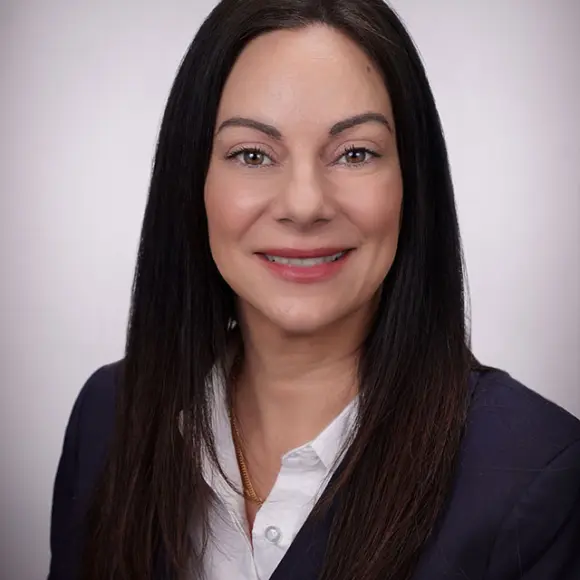
Deja Gilbert, PhD, LMHC, LPC, FACHE
President & CEO
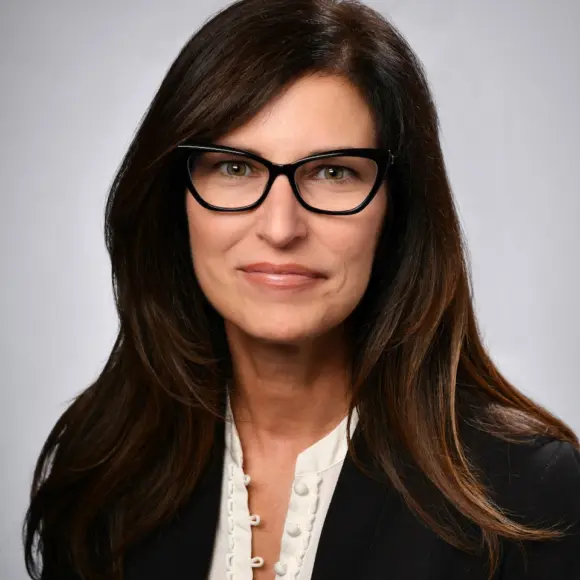
Patricia McKernan, DSW, LSW
COO
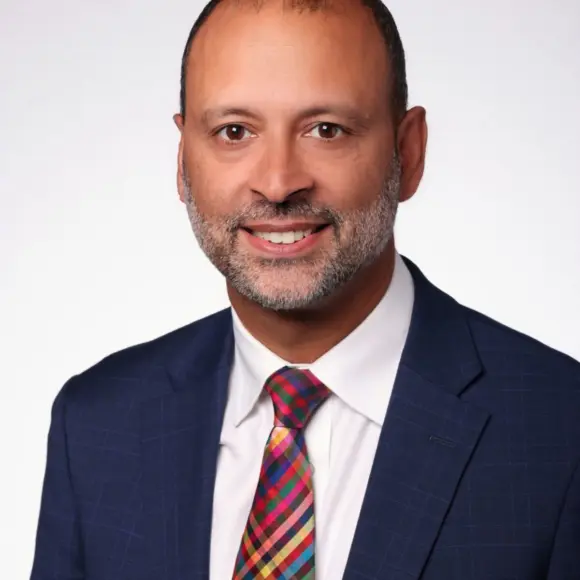
Nikant Ohri, CPA
CFO
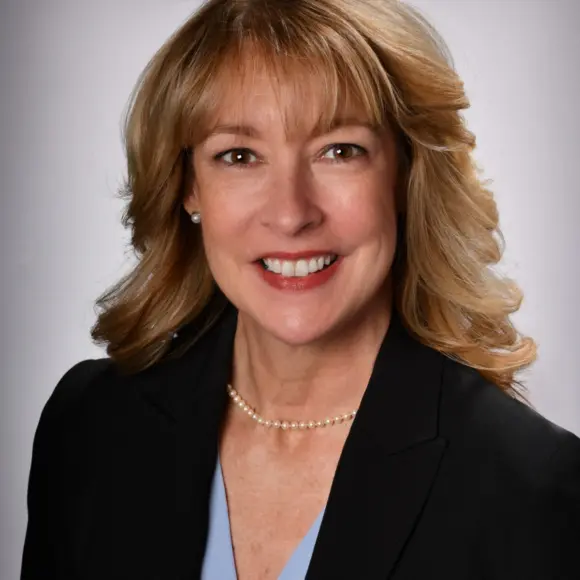
M. Elizabeth Naughton-Beck, Esq.
General Counsel
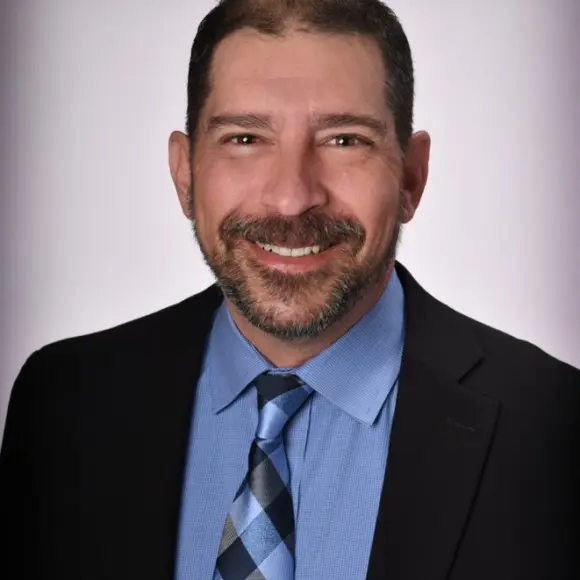
Michael Anderson
CIO
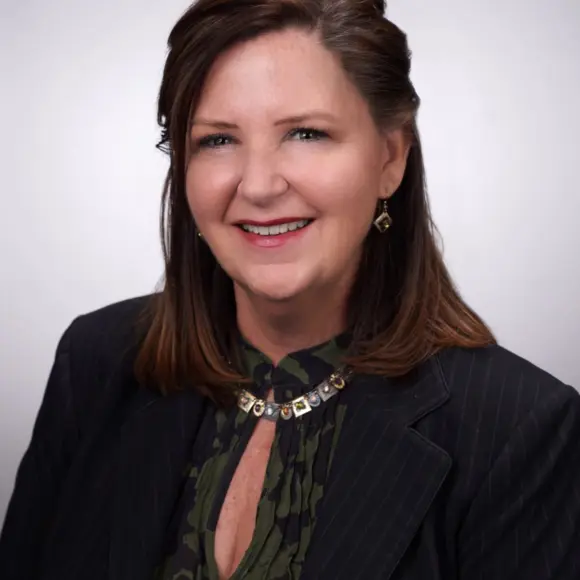
Joanne Bogrett
Chief Philanthropy Officer

Bhavani Raghavan Lobo, Psy.D.
Chief Clinical Officer
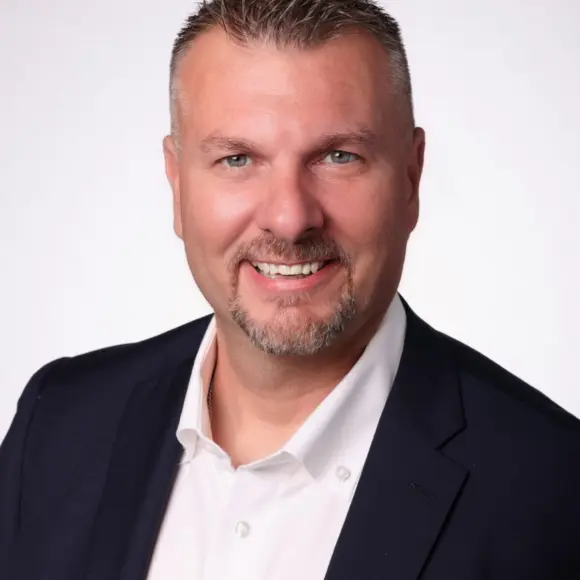
Michael Willette, MBA, PMP, CLSSB
Chief Growth Officer
Accreditations

The Commission on Accreditation of Rehabilitation Facilities (CARF) is a non-profit organization that specifically accredits rehab organizations. Founded in 1966, CARF's, mission is to help service providers like rehab facilities maintain high standards of care.
CARF Accreditation: Yes
Rehab.com regularly reviews this listing for accuracy but changes may occur between updates. For the most up-to-date information, please contact Gaudenzia Corporate.
Contact Information


106 West Main Street, Norristown, PA 19401
Sponsored Helpline



