





























































































In 2018 i went to treatment at Horizon Village. My counselor was Bill Bly what an amazing man and his wife she handled a fitness recovery part of it. What an amazing.place chef on duty in morning and afternoon and evening classes were very helpful to my recovery im 6 year 3 ...
About Horizon Village
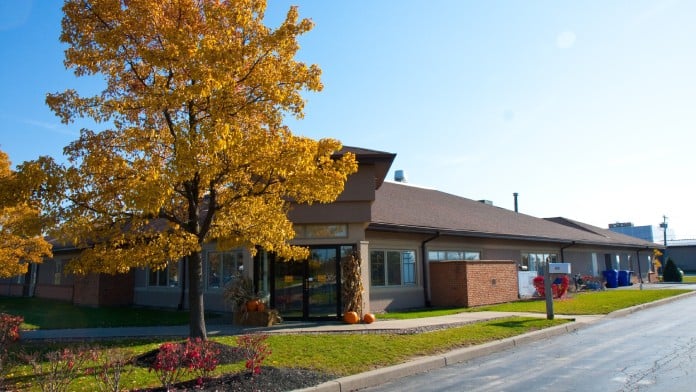
Horizon Village in Sanborn, New York, is a 50 bed rehab exclusively for individuals who identify as men. The adult only facility uses evidence based practices such as counseling and recovery coaches to help clients recover from substance use disorder.
Comfortable Amenities to Help You Heal
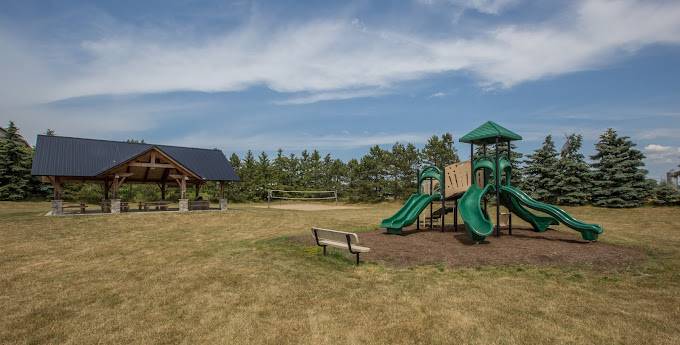
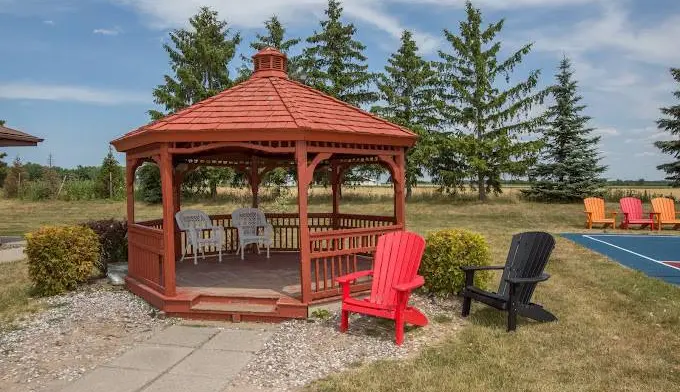
The residential facility provides multiple amenities to ensure you’re comfortable and able to focus on your healing. You’ll have access to dining halls for nutritious meals and walking paths where you can relax in between your treatment sessions. The facility also features a fitness center and basketball court so you can learn to use exercise for stress relief.
Diverse Programs to Support Recovery
Horizon Village believes in treating the whole person, which means addressing all aspects of your life to support your overall recovery. The program will provide you with vocational and educational counseling to guide you to resources that can help with future employment. The health and wellness service will focus on improving your overall health and may focus on topics such as nutrition and exercise.
Along with these services, the facility also provides individual and group counseling, addiction medicine consultations and the therapy dog program. After an addiction medicine consultation, you may be prescribed a medication that can help you minimize your withdrawal symptoms and cravings.
Accessible Healing Services Near Niagara Falls
One thing you might like about this rehab’s location is that it’s only 15 minutes away from Niagara Falls, New York. When you’re able to start living a sober lifestyle outside of the facility, you can visit Niagara Falls State Park and enjoy the sight of the waterfalls and also check out their aquarium.
Facility Overview
 50
50 Number of Available Beds
 31 - 60
 Avg Length of Stay in Days
Latest Reviews
Thomas j Altman
Reviewed on 07/21/2025
In 2018 i went to treatment at Horizon Village. My counselor was Bill Bly what an amazing man and his wife she handled a fitness recovery part of it. What an amazing.place chef on duty in morning and afternoon and evening classes were very helpful to my recovery im 6 year 3 months clean Secretary of State
Saved my son’s life, and they helped our family in so many different ways. I can’t speak highly enough about this place.
I’ve had family that has gone to this facility and I highly recommend it! The staff is friendly, professional and very helpful!

Rehab Score
 Our Methodology
Scoring is assigned by a proprietary system which helps surface key metrics that determine quality. The 10-point scale factors in categories such as operations, customer satisfaction, and trust metrics. Read Full Methodology

9.1 / 10
Gallery
Accepted Insurance

Oxford Health Plans
Other Forms of Payment
Medicare is a federal program that provides health insurance for those 65 and older. It also serves people under 65 with chronic and disabling health challenges. To use Medicare for addiction treatment you need to find a program that accepts Medicare and is in network with your plan. Out of pocket costs and preauthorization requirements vary, so always check with your provider.
Medicaid is a state based program that helps lower-income individuals and families pay for healthcare. Medicaid covers addiction treatment so those enrolled can use their coverage to pay for rehab. When a program accepts Medicaid the client often pays very little or nothing out of their own pocket.
Military members, veterans, and eligible dependents have access to specific insurance programs that help them get the care they need. TRICARE and VA insurance can help you access low cost or no cost addiction and mental health treatment. Programs that accept military insurance often have targeted treatment focused on the unique challenges military members, veterans, and their families face.
Private insurance refers to any kind of healthcare coverage that isn't from the state or federal government. This includes individual and family plans offered by an employer or purchased from the Insurance Marketplace. Every plan will have different requirements and out of pocket costs so be sure to get the full details before you start treatment.
Self-pay involves paying for treatment out of your own pocket. You can use savings or credit, get a personal loan, or receive help from family and friends to fund your treatment. If you don't have insurance or your insurance plan doesn't cover a specific program, self-pay can help ensure you still get the care you need.
Addiction Treatments
Levels of Care
Drug and alcohol addiction often takes a heavy toll on one's body. Over time, a physical dependence can develop, meaning the body physiologically needs the substance to function. Detox is the process of removing drugs and/or alcohol from the body, a process that can be lethal if mismanaged. Medical detox is done by licensed medical professionals who monitor vital signs and keep you safe, healthy, and as comfortable as possible as you go through detox and withdrawal.
Residential treatment programs are those that offer housing and meals in addition to substance abuse treatment. Rehab facilities that offer residential treatment allow patients to focus solely on recovery, in an environment totally separate from their lives. Some rehab centers specialize in short-term residential treatment (a few days to a week or two), while others solely provide treatment on a long-term basis (several weeks to months). Some offer both, and tailor treatment to the patient's individual requirements.
Participants in 12 step programs maintain access to community-based peer support, which is the programs' primary treatment modality. 12 step recovery combines personal growth with paper coaching. Participants regularly attend group meetings, which are free, anonymous, open to the public, and available multiple times per day in most communities. They are also mentored by self-selected sponsors who guide them through the steps of recovery. Age and gender specific and other specialized formats are common.
Treatments
The goal of treatment for alcoholism is abstinence. Those with poor social support, poor motivation, or psychiatric disorders tend to relapse within a few years of treatment. For these people, success is measured by longer periods of abstinence, reduced use of alcohol, better health, and improved social functioning. Recovery and Maintenance are usually based on 12 step programs and AA meetings.
When you choose drug rehab in New York, you'll participate in a variety of treatments that are designed to help you live a drug-free lifestyle. Common methods of treatment include group, individual, and family counseling, medication management, nutrition, exercise, and management of co-occurring mental health disorders.
Many of those suffering from addiction also suffer from mental or emotional illnesses like schizophrenia, bipolar disorder, depression, or anxiety disorders. Rehab and other substance abuse facilities treating those with a dual diagnosis or co-occurring disorder administer psychiatric treatment to address the person's mental health issue in addition to drug and alcohol rehabilitation.
Opioid rehabs specialize in supporting those recovering from opioid addiction. They treat those suffering from addiction to illegal opioids like heroin, as well as prescription drugs like oxycodone. These centers typically combine both physical as well as mental and emotional support to help stop addiction. Physical support often includes medical detox and subsequent medical support (including medication), and mental support includes in-depth therapy to address the underlying causes of addiction.
Substance rehabs focus on helping individuals recover from substance abuse, including alcohol and drug addiction (both illegal and prescription drugs). They often include the opportunity to engage in both individual as well as group therapy.
Programs
Serving in the military is both mentally and physically challenging, and can result in trauma that persists even after combat ends. Military programs are tailored to the specific and often complex needs of active duty personnel, veterans, and military families. Clients often access these programs through the U.S. Department of Veterans Affairs (VA).
Adult rehab programs include therapies tailored to each client's specific needs, goals, and recovery progress. They are tailored to the specific challenges adult clients may face, including family and work pressures and commitments. From inpatient and residential treatment to various levels of outpatient services, there are many options available. Some facilities also help adults work through co-occurring conditions, like anxiety, that can accompany addiction.
Young adulthood can be an exciting, yet difficult, time of transition. Individuals in their late teens to mid-20s face unique stressors related to school, jobs, families, and social circles, which can lead to a rise in substance use. Rehab centers with dedicated young adult programs will include activities and amenities that cater to this age group, with an emphasis on specialized counseling, peer socialization, and ongoing aftercare.
Clinical Services
Introduced in 1983, motivational interviewing is a method to help clients commit to change. It's based on the philosophy that change is hard, and clients must explore their own options and come to their own conclusions rather than receive warnings or advice from the therapist.
Research clearly demonstrates that recovery is far more successful and sustainable when loved ones like family members participate in rehab and substance abuse treatment. Genetic factors may be at play when it comes to drug and alcohol addiction, as well as mental health issues. Family dynamics often play a critical role in addiction triggers, and if properly educated, family members can be a strong source of support when it comes to rehabilitation.
Trauma therapy addresses traumatic incidents from a client's past that are likely affecting their present-day experience. Trauma is often one of the primary triggers and potential causes of addiction, and can stem from child sexual abuse, domestic violence, having a parent with a mental illness, losing one or both parents at a young age, teenage or adult sexual assault, or any number of other factors. The purpose of trauma therapy is to allow a patient to process trauma and move through and past it, with the help of trained and compassionate mental health professionals.
Cognitive behavioral therapy (CBT) in New York is a short term therapeutic method used to treat substance use and mental health disorders. CBT typically lasts from five to 20 sessions, based on the individual's needs.
Amenities
-
 Residential Setting
 -
 Private Rooms
Staff & Accreditations
Staff
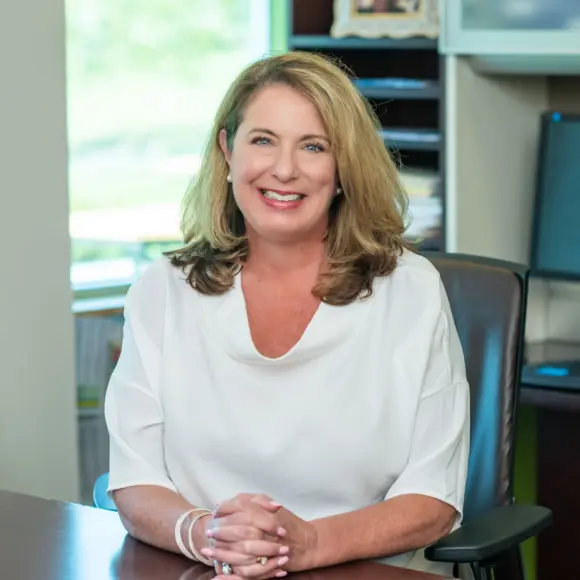
Erin E. DiGirolamo, CPA
CEO Horizon Corporations
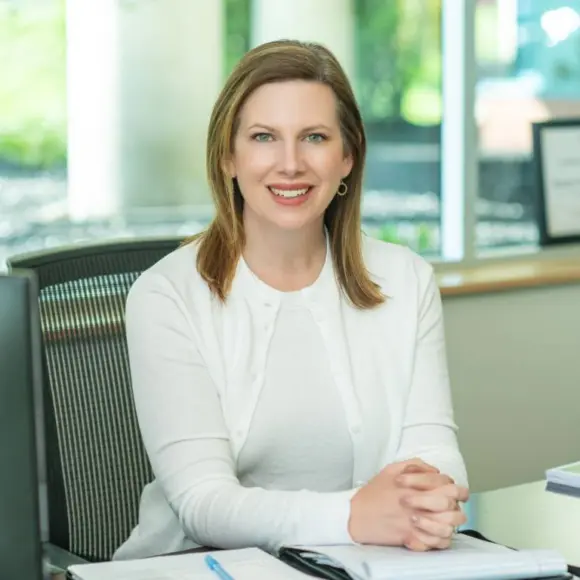
Brandy Vandermark-Murray, LMHC, CASAC
President
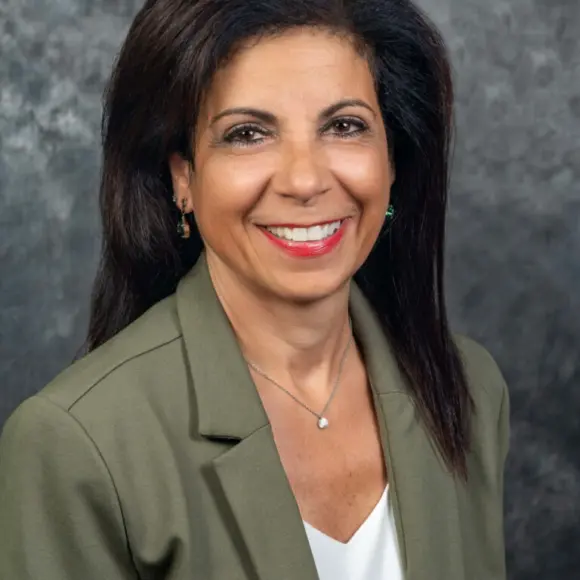
Michelle Curto
VP & Administrative Operations
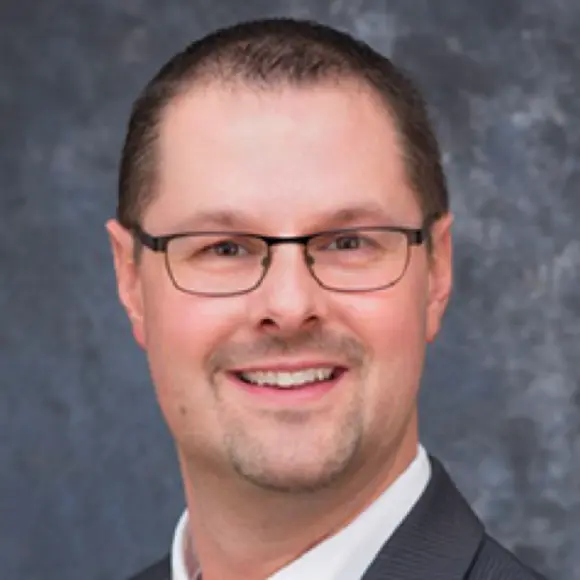
Jacob Haacker
CIO & Security Officer
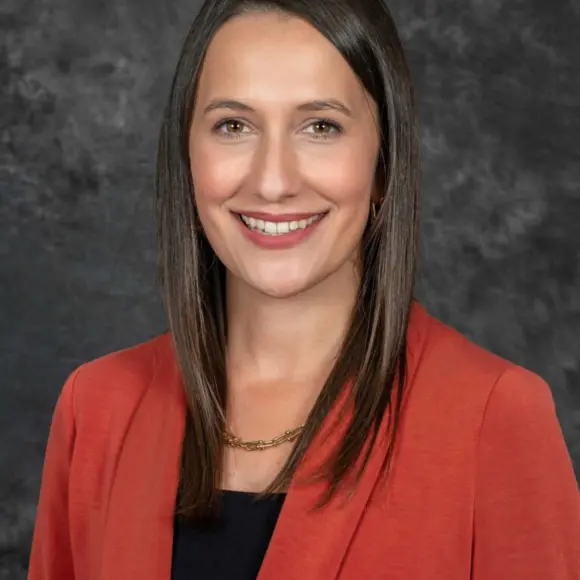
Amelia Hakes, CPA
VP of Finance
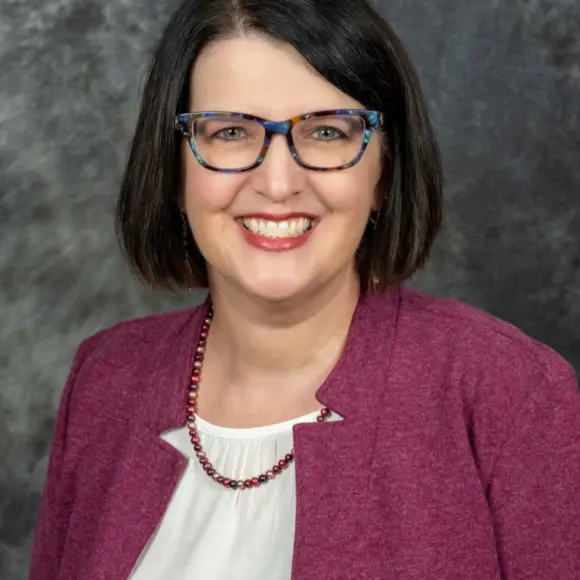
Brenda John-Banach, LMSW, CASAC
VP & Quality Operations and Chief Compliance Officer
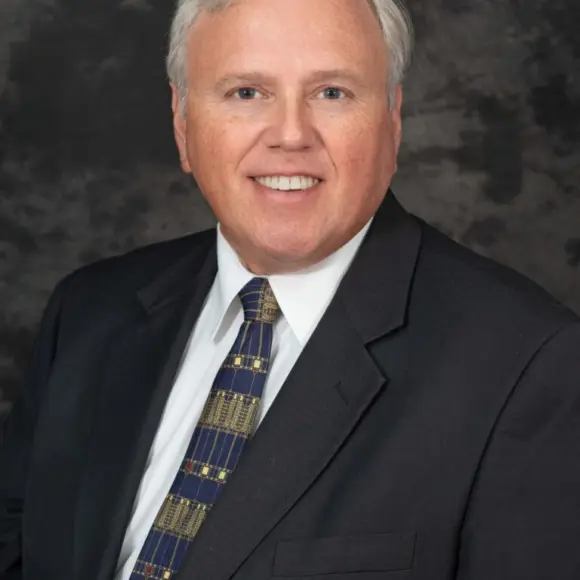
Joseph V. Mure, MD, FASAM, FAAFP
Chief Medical Officer
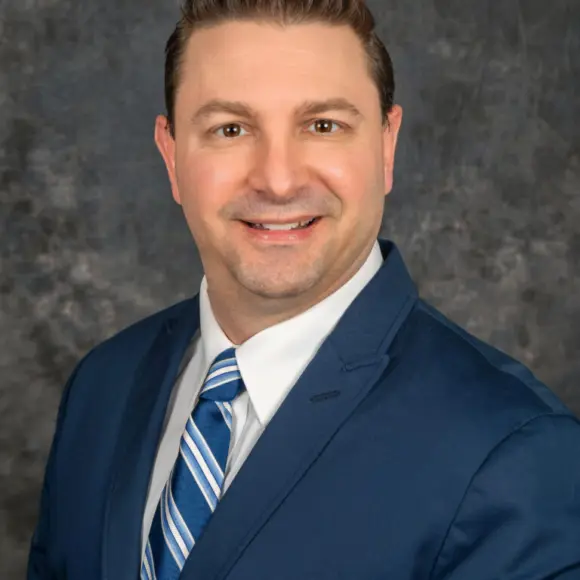
John Ruffolo
CFO
Accreditations

The Commission on Accreditation of Rehabilitation Facilities (CARF) is a non-profit organization that specifically accredits rehab organizations. Founded in 1966, CARF's, mission is to help service providers like rehab facilities maintain high standards of care.
CARF Accreditation: Yes

The Joint Commission, formerly known as JCAHO, is a nonprofit organization that accredits rehab organizations and programs. Founded in 1951, the Joint Commision's mission is to improve the quality of patient care and demonstrating the quality of patient care.
Joint Commission Accreditation: Yes

The Substance Abuse and Mental Health Services Administration (SAMHSA) is a branch of the U.S. Department of Health and Human Services. Established in 1992 by congress, SAMHSA's mission is to reduce the impact of substance abuse and mental illness on American's communities.
SAMHSA Listed: Yes

State Licenses are permits issued by government agencies that allow rehab organizations to conduct business legally within a certain geographical area. Typically, the kind of program a rehab facility offers, along with its physical location, determines which licenses are required to operate legally.
State License: New York
Rehab.com regularly reviews this listing for accuracy but changes may occur between updates. For the most up-to-date information, please contact Horizon Village.
Contact Information

6301 Inducon Drive East
Sanborn, NY 14132
Get Help Now - 716-351-4382
Sponsored Helpline
Sponsored Helpline



