






























































































The inpatient program is full of lifelong professional gang members, criminals, and people still in jail or prison. Some are violent. Patients and staff are often involved in physical altercations involving injury and the police and ambulances. The management does all they c ...
About Inroads to Recovery
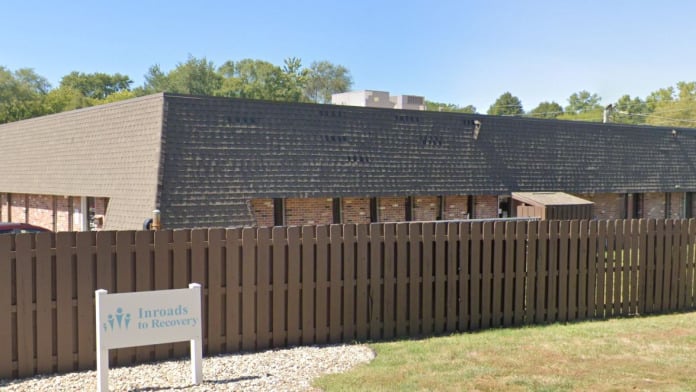
Inroads to Recovery provides substance use treatment in Omaha, Nebraska with numerous services for co-occurring mental health disorders. The facility provides therapeutic methods and trauma-related counseling to help guests overcome the cycle of addiction. Inroads to Recovery is committed to helping individuals in the Greater Omaha-Council Bluffs community find their path to lasting change.
Integrated Treatment
Inroads to Recovery specializes in treating individuals with co-occurring substance use and mental health conditions using a model that includes medication assisted treatment. This service helps reduce cravings and lessen withdrawal symptoms so clients are comfortable and safe while focusing on treatment and healing.
Treatment combines individual, group, and family counseling with approaches like relapse prevention and 12-step facilitation. Reviews frequently highlight the compassion and diagnostic skill of the psychiatric team, with many patients praising the supportive care they received through outpatient services.
Specialized Care for Emerging Addictions
Inroads to Recovery addresses emerging substances of abuse including kratom, tianeptine, PCP, and inhalants. The facility also offers a vaping cessation education program alongside traditional addiction treatment, ensuring clients receive comprehensive care for a wide range of dependencies.
Inroads to Recovery serves the Greater Omaha-Council Bluffs area with in-person and telehealth options available.
Latest Reviews
Inroads to Recovery is an amazing place. When I was going through a really dark and difficult time, Cai and Ana truly went out of their way to help me pull through. I’m so grateful for their support, kindness, and dedication. Thank you to the whole team in Omaha for being there when I needed it most!
Very responsable and knowledgeable psyquiatrist who has helped Omaha's patients with Mental Illness and drug abuse with empathy, and expertise due to years of training, and hard work
The Intensive Outpatient Program with Grace is informative, engaging, impactful, and transformative. I graduated the program a much different person than when I started. If you’re looking to take your recovery to the next level, I highly recommend the IOP with Grace!

Rehab Score
 Our Methodology
Scoring is assigned by a proprietary system which helps surface key metrics that determine quality. The 10-point scale factors in categories such as operations, customer satisfaction, and trust metrics. Read Full Methodology

6.5 / 10
Gallery
Other Forms of Payment
Self-pay involves paying for treatment out of your own pocket. You can use savings or credit, get a personal loan, or receive help from family and friends to fund your treatment. If you don't have insurance or your insurance plan doesn't cover a specific program, self-pay can help ensure you still get the care you need.
Military members, veterans, and eligible dependents have access to specific insurance programs that help them get the care they need. TRICARE and VA insurance can help you access low cost or no cost addiction and mental health treatment. Programs that accept military insurance often have targeted treatment focused on the unique challenges military members, veterans, and their families face.
Addiction Treatments
Levels of Care
Outpatient Programs (OP) are for those seeking mental rehab or drug rehab, but who also stay at home every night. The main difference between outpatient treatment (OP) and intensive outpatient treatment (IOP) lies in the amount of hours the patient spends at the facility. Most of the time an outpatient program is designed for someone who has completed an inpatient stay and is looking to continue their growth in recovery. Outpatient is not meant to be the starting point, it is commonly referred to as aftercare.
Inpatient rehabs primarily serve clients who are transitioning out of detox and those who are at a heightened risk of relapse, including those with a history of recurrence. Clients in inpatient treatment receive multiple counseling sessions per week using a variety of psychotherapeutic approaches, including CBT, DBT, RBT, and motivational interviewing. Relapse prevention is also prioritized and many programs feature recovery-focused life skills training. Some facilities also offer holistic therapies, such as meditation and yoga.
Intensive outpatient programs (IOP) are designed to evolve with clients' evolving needs. Most programs provide between nine and 20 hours of care weekly, with the frequency and intensity of treatment gradually decreasing as clients grow stronger and more stable in their recovery. Intensive outpatient rehabs specialize in myriad treatment modalities, including medication assisted treatment (MAT) for those in alcohol and/or opioid recovery, addiction counseling, recovery-focused life skills training, and evidence-based holistic care.
Rehab aftercare programs ensure clients receive a complete continuum of care after completing high-level treatment in a detox center or inpatient rehab. Clients typically partner with their case manager and care team to outline their specific recovery needs and goals. Rehab aftercare services are often highly customized and designed to evolve as clients progress in their recovery. Standard services include outpatient treatment and peer coaching, career counseling, and 12 step program induction following outpatient care.
Treatments
The goal of treatment for alcoholism is abstinence. Those with poor social support, poor motivation, or psychiatric disorders tend to relapse within a few years of treatment. For these people, success is measured by longer periods of abstinence, reduced use of alcohol, better health, and improved social functioning. Recovery and Maintenance are usually based on 12 step programs and AA meetings.
During drug rehab in Nebraska, you'll participate in therapies that address the many issues that contribute to addiction. Treatment includes physical, mental, emotional, and relational aspects. These methods provide the tools you need to achieve long-term recovery.
A combined mental health and substance abuse rehab has the staff and resources available to handle individuals with both mental health and substance abuse issues. It can be challenging to determine where a specific symptom stems from (a mental health issue or an issue related to substance abuse), so mental health and substance abuse professionals are helpful in detangling symptoms and keeping treatment on track.
Opioid rehabs specialize in supporting those recovering from opioid addiction. They treat those suffering from addiction to illegal opioids like heroin, as well as prescription drugs like oxycodone. These centers typically combine both physical as well as mental and emotional support to help stop addiction. Physical support often includes medical detox and subsequent medical support (including medication), and mental support includes in-depth therapy to address the underlying causes of addiction.
Programs
Adult rehab programs include therapies tailored to each client's specific needs, goals, and recovery progress. They are tailored to the specific challenges adult clients may face, including family and work pressures and commitments. From inpatient and residential treatment to various levels of outpatient services, there are many options available. Some facilities also help adults work through co-occurring conditions, like anxiety, that can accompany addiction.
Young adulthood can be an exciting, yet difficult, time of transition. Individuals in their late teens to mid-20s face unique stressors related to school, jobs, families, and social circles, which can lead to a rise in substance use. Rehab centers with dedicated young adult programs will include activities and amenities that cater to this age group, with an emphasis on specialized counseling, peer socialization, and ongoing aftercare.
Clinical Services
Cognitive behavioral therapy in Nebraska is often the preferred method of treatment for substance use. In just a few sessions, clients can learn how to identify challenges and start to develop healthy coping methods to manage them.
The premise of dialectical behavior therapy is that many problems are due to a lack of skills to properly handle them. This therapy aims to give you the skills to manage your emotions and challenging situations so you can live a healthier, productive life.
Group therapy is any therapeutic work that happens in a group (not one-on-one). There are a number of different group therapy modalities, including support groups, experiential therapy, psycho-education, and more. Group therapy involves treatment as well as processing interaction between group members.
In individual therapy, a patient meets one-on-one with a trained psychologist or counselor. Therapy is a pivotal part of effective substance abuse treatment, as it often covers root causes of addiction, including challenges faced by the patient in their social, family, and work/school life.
Research clearly demonstrates that recovery is far more successful and sustainable when loved ones like family members participate in rehab and substance abuse treatment. Genetic factors may be at play when it comes to drug and alcohol addiction, as well as mental health issues. Family dynamics often play a critical role in addiction triggers, and if properly educated, family members can be a strong source of support when it comes to rehabilitation.
Recreational therapy is often included in a holistic addiction recovery program in Nebraska. It incorporates fun activities that improve your overall physical and mental health. These activities can include sports, music, and nature explosions that help reduce cravings, manage stress, and build a supportive social network to aid in your path to sobriety.
Amenities
-
 Private Setting
Staff & Accreditations
Staff

S. Pirzada Sattar, MD
Chief Executive Officer

Fatima Basith, MA,MPA
Chief Operating Officer
Accreditations

The Commission on Accreditation of Rehabilitation Facilities (CARF) is a non-profit organization that specifically accredits rehab organizations. Founded in 1966, CARF's, mission is to help service providers like rehab facilities maintain high standards of care.
CARF Accreditation: Yes
Rehab.com regularly reviews this listing for accuracy but changes may occur between updates. For the most up-to-date information, please contact Inroads to Recovery.
Contact Information

2808 N 75th St
Omaha, NE 68134
Get Help Now - 402-230-7969
Sponsored Helpline
Sponsored Helpline


