New federal data show kratom poisonings have climbed more than 1,200% over the past decade, raising urgent questions for anyone researching substance use disorders and the rehab options available to address them. You can listen to rehab.com’s podcast to learn more about this emerging issue.
What the CDC Data Shows
Analysis of National Poison Data System records from 2015 through 2025 found kratom-related exposure reports rose from 258 to 3,434, an increase of approximately 1,200%, including a marked surge in 2025. The study findings appeared in the CDC’s Morbidity and Mortality Weekly Report in late March 2026.
Researchers found that calls rose steadily from 2015 to 2019, leveled off between 2020 and 2024, and then sharply increased in 2025. Hospitalizations involving kratom alone increased by more than 1,150% over the decade, rising from 43 cases in 2015 to 538 in 2025.
When kratom was combined with other substances, such as illicit drugs or antidepressants, hospitalizations increased nearly 1,300%. During the study period, 233 deaths were associated with kratom use, with 184 of those involving multiple substances.
Why Kratom Is an Opioid Risk
Many people assume kratom is safe because it comes from a plant. That assumption has proven dangerous.
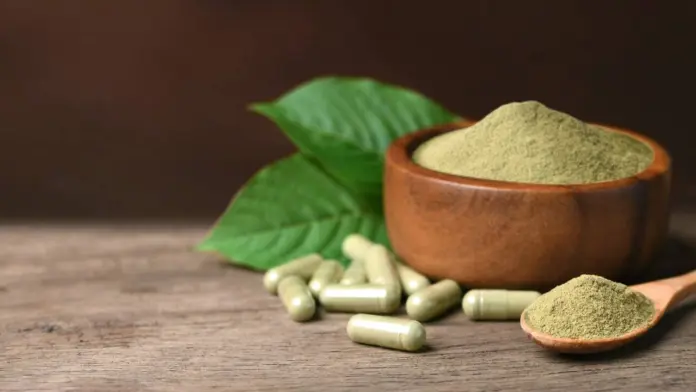
Kratom’s effects come from compounds in its leaves, including mitragynine and 7-hydroxymitragynine (7OH). Mitragynine is a weak opioid, while 7OH is considerably stronger, increasing the intensity of opioid effects and the risk of overdose.
Both compounds bind to opioid receptors in the brain and, with regular use, can cause dependence and withdrawal symptoms similar to those associated with oxycodone or heroin.
Signs of kratom poisoning can include high blood pressure, vomiting, heart attack, tremors, seizures, delusions, hallucinations, liver damage, and an increased heart rate.
The FDA has warned consumers for more than a decade that kratom can cause serious problems including liver disease, seizures, addiction, and death, and that the compounds in kratom make it “not just a plant, it’s an opioid.”
Who Is Most Affected
Over the 10-year study period, more than 14,400 kratom exposure cases were reported. Most involved men, especially those in their 20s and 30s. However, reports also rose significantly among adults ages 40 to 59, suggesting broader use across multiple age groups.
Reports involving exposure to multiple substances, often including addictive substances and antidepressants, were associated with the most severe clinical outcomes.
In 2025, 60% of multi-substance cases led to serious medical outcomes, and roughly half required hospitalization. Kratom is also being used by people with existing opioid use disorder.
Some individuals with a history of opioid use disorder use kratom as a potentially lower-risk alternative or to help manage opioid withdrawal symptoms. Others use it to self-treat chronic pain, anxiety, depression, or PTSD. All these treatment uses lack scientific backing.
The Regulatory Landscape
As of early 2026, six states have banned kratom outright. Proposals to regulate or ban the substance are being debated in legislatures across the country, but the product remains widely available in most states, often with no age restrictions and no standardized labeling.
Kratom poisonings are probably underestimated due to reliance on self-reports and insufficient toxicology testing, meaning the true scale of harm may be larger than current data reflect.
Researchers say continued monitoring could help identify high-risk usage patterns and inform public health education and clinical care, especially for individuals using multiple substances.
What This Means for Treatment Seekers
If you or someone you care about has been using kratom regularly, especially in combination with other substances, these findings are relevant to your treatment decisions. Kratom dependence can produce opioid-like withdrawal symptoms that may require medical supervision to manage safely.
Addiction treatment centers experienced in opioid use disorder are increasingly equipped to address kratom-related dependence, and insurance coverage for rehab may apply.
Finding the Right Rehab
Kratom dependence is treatable, and evidence-based addiction treatment options are available. If you or a loved one is struggling with kratom use, or a combination of substances, help is available.
Explore Rehab.com’s directory of verified rehab treatment centers nationwide to get started with recovery.. You can also call
800-985-8516
(  Sponsored Helpline )
to speak with a treatment advisor.
Sponsored Helpline )
to speak with a treatment advisor.