Researchers reported July 7 in JAMA Network Open that a majority of 8th graders, and roughly a third of 10th and 12th graders, do not see a great risk in using fentanyl once or twice.
For families researching treatment options, the finding shows how early opioid risk can reach a teenager and why timely help matters.
The data come from the 2025 Monitoring the Future study, an annual, nationally representative survey of U.S. middle and high schoolers.
Among the close to 4,000 students who answered questions about fentanyl, 48 percent of 8th graders, 64 percent of 10th graders and 70 percent of 12th graders said there is great risk in using fentanyl once or twice. That leaves about half of the youngest students, and a sizable share of older teens, who did not.
Why One Exposure Is Different
Perceived risk rose when students were asked about more frequent use. But the study authors caution that the usual pattern of rising harm with rising use does not apply to fentanyl the way it does to alcohol or marijuana use.
Fentanyl is up to 50 times more potent than heroin and can be fatal in very small amounts, so a single exposure can be lethal.
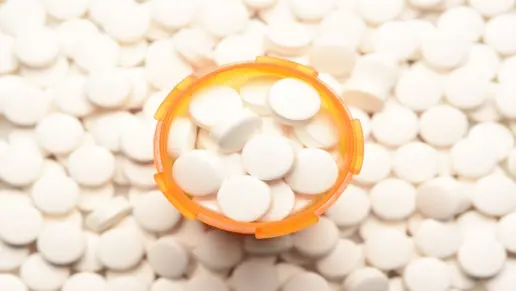
The most common way adolescents encounter fentanyl is unintentional, through counterfeit prescription pills that are contaminated with the drug or made entirely of it.
Researchers also found that 9 to 17 percent of students, depending on grade, said they were not familiar enough with fentanyl to judge its risk at all.
What This Means for Treatment Seekers
Drug poisonings and overdoses now rank third among the leading causes of death for children and teens in the United States, and fentanyl plays a role in at least 75 percent of overdose deaths among adolescents.
While fewer teens are using illicit drugs overall, a growing share are dying from overdoses. For parents and caregivers, that combination raises the stakes of acting early rather than waiting.
Families who suspect a teen is using opioids do not have to navigate the decision alone. Adolescent-focused programs can assess a young person, address any co-occurring mental health concerns, and connect the family to the right level of care.
For opioid use disorder, evidence-based options include medication-assisted treatment, which pairs FDA-approved medications such as buprenorphine with counseling.
Finding the Right Rehab
Parents comparing addiction treatment for a teen can start by confirming a program offers adolescent services, family involvement and co-occurring mental health support.
It also helps to verify insurance coverage for rehab and to understand which levels of care a facility provides, from outpatient counseling to residential treatment.
Rehab.com’s directory includes verified treatment facilities you can compare by location, specialty and payment options.
Call
800-985-8516
(  Sponsored Helpline )
to speak with a treatment advisor, or contact SAMHSA’s national helpline at 1-800-662-4357 for free, confidential, 24/7 support and referrals.
Sponsored Helpline )
to speak with a treatment advisor, or contact SAMHSA’s national helpline at 1-800-662-4357 for free, confidential, 24/7 support and referrals.