






























































































There's a lot of drama in the house and the house phone is barely available, computer, peanut butter and other food is gone within 2 days. We do 3 outside meetings a week that are mandatory, and we never leave the cabin other than that. It's a lower level of care, but it sti ...
About MCCA – Trinity Glen Women’s Program
The 11 bed residential care program offers semi private dormitory rooms with spacious living quarters and community rooms. In this program, clients benefit from 20-30 hours of evidence based therapies, individual counseling, group support, and a range of therapeutic activities each week. Clients can address their long term mental and behavioral health disorders, develop life skills, and form healthy daily living routines. Recreational programs and enrollment in AA and other support groups are also available.
Trinity Glen Women’s Program offers continual care and support for alumni. Referrals may be made to other centers in the MCCA network for acute care, or to outside facilities.
Trinity Glen offers self pay and financing options. The center may be in network with Aetna, Beacon, BlueCross/BlueShield, Cigna, Humana, Optum, and Wellpoint. Please check your coverage and out of network benefits.
Facility Overview
 11
11 Number of Available Beds
Latest Reviews
My stay at TG has been amazing, truly life saving. The beautiful campus set on Litchfield's rolling hills alongside the Appalachian Trail are stunning year round. The staff members are a blessing, Garrett, Adam, Victor, Marsha, and Dannie always assured that they let me know that they're invested in my well being. I was able to peel back decades of trauma and repressed memories via their helping hands. I leave with a newfound look on life, hope, and most importantly peace.
Response from the owner2 weeks ago
Hi Henry. Thank you for such a wonderful review. We are so happy to hear what a positive effect the program has had on your life. I also couldn't agree more with you about the beauty of the Trinity Glen campus. I always enjoy my visits to the Sharon program. Wishing you continued success!
Beautiful place to concentrate on recovery, while obtaining tools to overcome addiction. Staff is great!!
Response from the owner2 weeks ago
Hi Carlos. We are so glad you enjoyed the location, and found it beneficial to your recovery. It is beautiful country up there. Thank you for taking the time to review our Trinity Glenn program.
This place is amazing. It specializes in men with addiction coupled with TBI’s. The staff is wonderful, especially Garrett Deutermann, MSW and the director Carolyn. Lottie a technician is also wonderful. We are forever grateful to Trinity Glen.
Response from the owner2 weeks ago
Hi Susan. We are delighted to receive such a wonderful review of our dedicated staff in Trinity Glen. We always appreciate feedback from family members and community partners. 
Rehab Score
 Our Methodology
Scoring is assigned by a proprietary system which helps surface key metrics that determine quality. The 10-point scale factors in categories such as operations, customer satisfaction, and trust metrics. Read Full Methodology

7.5 / 10
Gallery

Accepted Insurance
Other Forms of Payment
Self-pay involves paying for treatment out of your own pocket. You can use savings or credit, get a personal loan, or receive help from family and friends to fund your treatment. If you don't have insurance or your insurance plan doesn't cover a specific program, self-pay can help ensure you still get the care you need.
Medicaid is a state based program that helps lower-income individuals and families pay for healthcare. Medicaid covers addiction treatment so those enrolled can use their coverage to pay for rehab. When a program accepts Medicaid the client often pays very little or nothing out of their own pocket.
Private insurance refers to any kind of healthcare coverage that isn't from the state or federal government. This includes individual and family plans offered by an employer or purchased from the Insurance Marketplace. Every plan will have different requirements and out of pocket costs so be sure to get the full details before you start treatment.
Addiction Treatments
Levels of Care
Residential treatment programs are those that offer housing and meals in addition to substance abuse treatment. Rehab facilities that offer residential treatment allow patients to focus solely on recovery, in an environment totally separate from their lives. Trinity Glen offers a structured healing environment for women who are needing a long-term care and rehabilitation for their alcohol and substances addictions.
12-step programs are addiction recovery models based on Alcoholics Anonymous (AA). A number of substance abuse programs (including some drug and alcohol rehab centers) use the 12 steps as a basis for treatment. Beginning steps involve admitting powerlessness over the addiction and creating a spiritual basis for recovery. Middle steps including making direct amends to those who've been hurt by the addiction, and the final step is to assist others in addiction recovery in the same way. 12-Step offshoots including Narcotics Anonymous (NA), Cocaine Anonymous (CA), Dual Recovery Anonymous (DRA), Sex and Love Addicts Anonymous (SLAA) and Gamblers Anonymous (GA). Trinity Glen Women's Program include optional AA meetings in the night.
Completing a drug or alcohol rehab program shouldn't spell the end of substance abuse treatment. Aftercare involves making a sustainable plan for recovery, including ongoing support. This can include sober living arrangements like halfway houses, career counseling, and setting a patient up with community programs like Alcoholics Anonymous (AA) or Narcotics Anonymous (NA).
Intervention services helps family or friends of addicts stage an intervention, which is a meeting in which loved ones share their concerns and attempt to get an addict into treatment. Professional intervention specialists can help loved ones organize, gather, and communicate with an addict. They can guide intervention participants in describing the damage the addict's behavior is causing and that outside help is necessary to address the addiction. The ideal outcome of an intervention is for the addict to go to rehab and get the help they need.
Treatments
The goal of treatment for alcoholism is abstinence. Those with poor social support, poor motivation, or psychiatric disorders tend to relapse within a few years of treatment. For these people, success is measured by longer periods of abstinence, reduced use of alcohol, better health, and improved social functioning. Recovery and Maintenance are usually based on 12 step programs and AA meetings.
Drug rehab in Connecticut provides the professional support that is often necessary to break free from drug dependency. With proper treatment, individuals can make changes that restore balance and health to their lives and achieve long-term recovery.
Opioid rehabs specialize in supporting those recovering from opioid addiction. They treat those suffering from addiction to illegal opioids like heroin, as well as prescription drugs like oxycodone. These centers typically combine both physical as well as mental and emotional support to help stop addiction. Physical support often includes medical detox and subsequent medical support (including medication), and mental support includes in-depth therapy to address the underlying causes of addiction.
Substance rehabs focus on helping individuals recover from substance abuse, including alcohol and drug addiction (both illegal and prescription drugs). They often include the opportunity to engage in both individual as well as group therapy.
Programs
Adult rehab programs include therapies tailored to each client's specific needs, goals, and recovery progress. They are tailored to the specific challenges adult clients may face, including family and work pressures and commitments. From inpatient and residential treatment to various levels of outpatient services, there are many options available. Some facilities also help adults work through co-occurring conditions, like anxiety, that can accompany addiction.
Young adulthood can be an exciting, yet difficult, time of transition. Individuals in their late teens to mid-20s face unique stressors related to school, jobs, families, and social circles, which can lead to a rise in substance use. Rehab centers with dedicated young adult programs will include activities and amenities that cater to this age group, with an emphasis on specialized counseling, peer socialization, and ongoing aftercare.
Clinical Services
Group therapy is any therapeutic work that happens in a group (not one-on-one). There are a number of different group therapy modalities, including support groups, experiential therapy, psycho-education, and more. Group therapy involves treatment as well as processing interaction between group members.
In individual therapy, a patient meets one-on-one with a trained psychologist or counselor. Therapy is a pivotal part of effective substance abuse treatment, as it often covers root causes of addiction, including challenges faced by the patient in their social, family, and work/school life.
Life skills trainings involve all the skills a person must have in order to function successfully in the world. Truly successful addiction recovery is based on the ability to not only live substance-free, but to thrive. A significant component of the program develop and enhance work skills and a sense of responsibility and self esteem.
Recreational therapy (aka therapeutic recreation) uses creative and fun activities to help with addiction recovery. Recreational therapists lead patients in entertaining and engaging activities like sports or games; art (drawing, painting, sculpture); drama, music, and dance; and/or community outings (field trips) to improve patients' physical, social, and emotional well-being.
Amenities
-
 Private Setting
Staff & Accreditations
Staff

John D'Eramo, RN, BSN, MHA
President & CEO
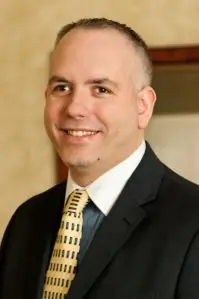
Glenn Connan, MBA
VP & CFO
Mohamed Elsamra, MD
Medical Director
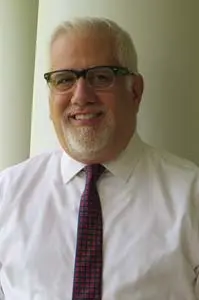
Steve Palma, MS, LPC
VP of Operations
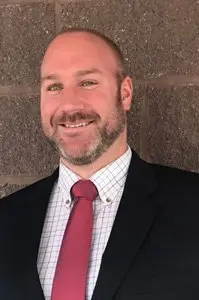
Scott Nelson, MSW, LCSW, ICGC-II
Clinical Director, Outpatient Services

Tomy Aprame, LPC, PD, MS, MA
Program Director, Outpatient Services in Danbury
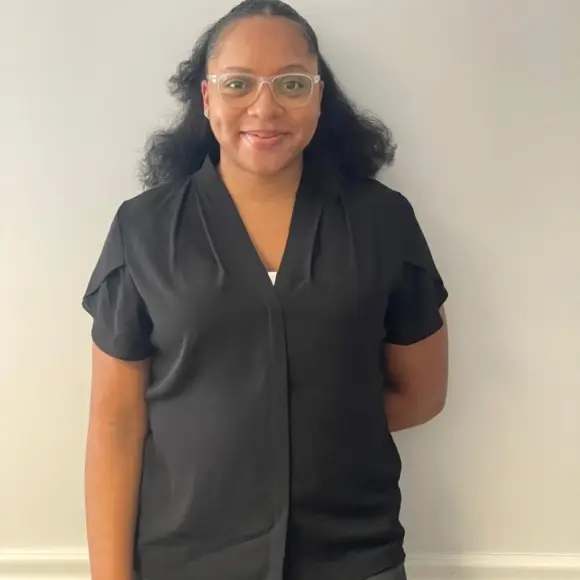
Crystal Mitchell, MS, LMFT
Program Director, Outpatient Services in Waterbury

Carolyn Carlson, MEd, LADC, AADC
Facility Directory, Trinity Glen
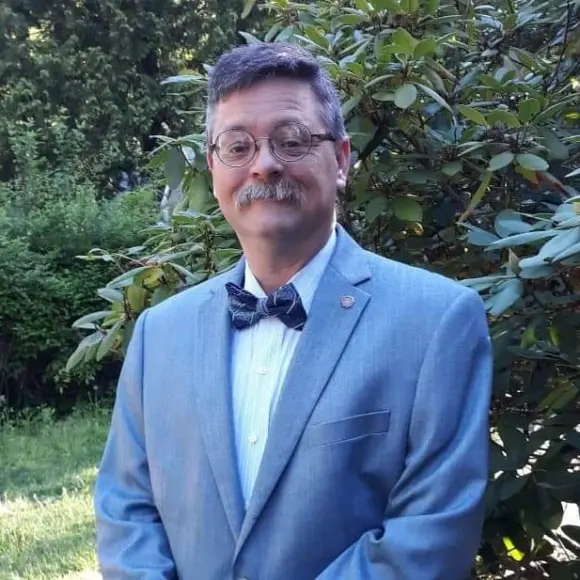
Christopher Keenan, MS, LPCA, LADC
Program Director, McDonough House
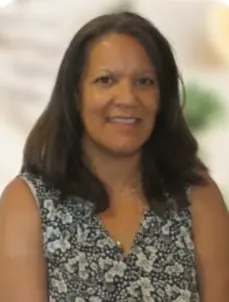
Emily Fiscella, LPC
Program Director, Withdrawal Management Services (Detox and Admissions)

Ray Muszynski, LPC
Program Director, Outpatient Services in Derby
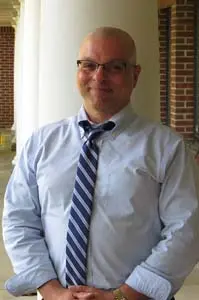
Peter T. Pizzillo, BA Psychology
Program Director, Sobering Center, Sunrise Terrace, Recovery Support Services/Region V Case Management, and Vet House
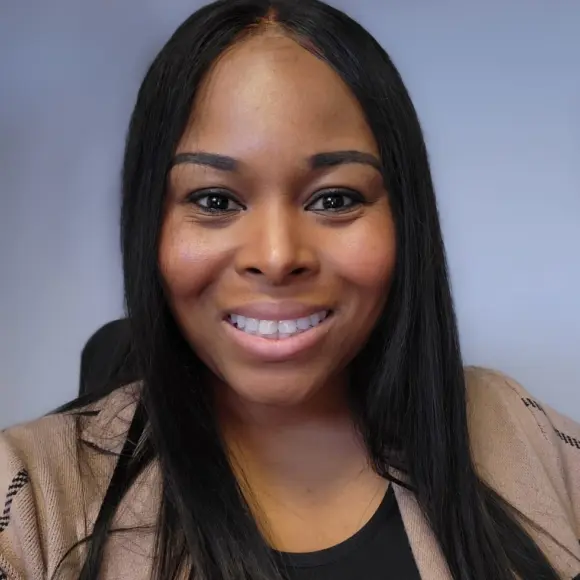
Ebony Wilson, MS, LADC, AADC, LPC
Program Director, Outpatient Services in Torrington, New Milford and TPP Programs
Accreditations

The Commission on Accreditation of Rehabilitation Facilities (CARF) is a non-profit organization that specifically accredits rehab organizations. Founded in 1966, CARF's, mission is to help service providers like rehab facilities maintain high standards of care.
CARF Accreditation: Yes
Accreditation Number: 251954

The Substance Abuse and Mental Health Services Administration (SAMHSA) is a branch of the U.S. Department of Health and Human Services. Established in 1992 by congress, SAMHSA's mission is to reduce the impact of substance abuse and mental illness on American's communities.
SAMHSA Listed: Yes
Rehab.com regularly reviews this listing for accuracy but changes may occur between updates. For the most up-to-date information, please contact MCCA – Trinity Glen Women’s Program.
Contact Information

149 W Cornwall Rd
Sharon, CT 06069
Get Help Now - 860-264-6018
Sponsored Helpline
Sponsored Helpline


