






























































































The reason why I didn't like Phoenix Center is because I felt like if I was just a number, like if they just wanted to finish my treatment as soon as possible no matter what.
About Phoenix Center Lotte Beal Training Center
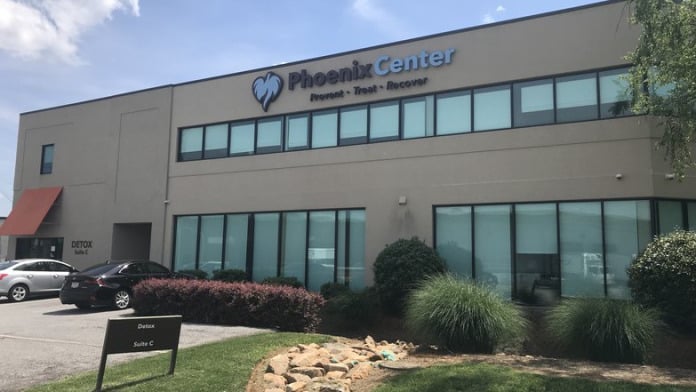
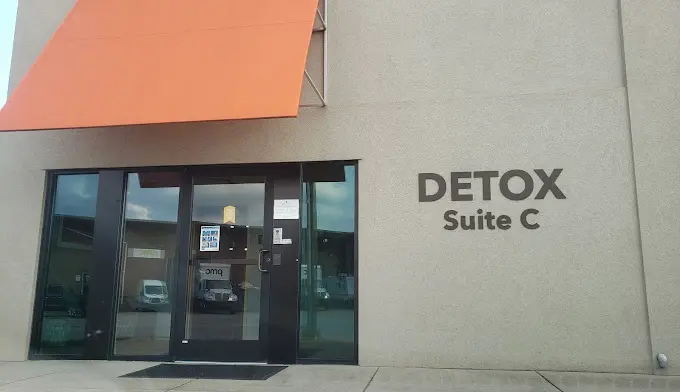
The Phoenix Center operates a 10 bed medical detox unit for adults in crisis. It’s open 24/7, and is operated by nurses, physicians, and other support staff to help clients through detox. Clients attend group meetings as they stabilize to learn more about addiction and their options following successful detox.
Inpatient care is an intense form of drug rehab available to men and women who need a safe living space and close monitoring during treatment. They live onsite with other clients, where they receive medical care and have additional needs met by staff and receive six hours of treatment every day.
The care plan focuses on therapy which aims to uncover harmful triggers and replace them with healthy coping skills. Therapy occurs in individual and group settings. Clients are introduced to community support resources they can utilize once they’ve completed the program.
Outpatient programs are a step down from inpatient care, though some clients use them as a transitional step after detox. Clients visit the facility on a fixed schedule to receive treatment while living at home, attending school, and continuing employment. Outpatient care is open to adolescents ages 12-17 and adults.
Adult clients enrolled in the outpatient program qualify for medication assisted treatment. During this treatment, clients receive medication that helps curb cravings and reduce the risk of relapse. Drugs approved for medication assisted treatment include Suboxone, Subutex, and Vivitrol. Clients are supervised during dosing and throughout their program.
Phoenix Center is accredited by the Commission on Accreditation of Rehabilitation Facilities. The center accepts Medicaid and has a sliding scale for low income clients. Insurance is accepted, but please check your coverage and any applicable out of network benefits.
Facility Overview
 10
10 Number of Available Beds
Latest Reviews
Gave me my life back! Then I came to work for them. Amazing people .. more like family. A safe place to come and start your new journey.
This place has been a game changer for me. God led me here, no longer feeling like im riding in the backseat of my sobriety/ cleanliness. Now im driving this train and pulling some folks too.Feels amazing...also want to note how sweet the staff all were, even the couple token sourpusses have their value for sure. The food was actually pretty edible! Not that u really want to eat, but this is an absolute necessity in the beginning as well as sleep and the bed was comfortable enough i was able to sleep another absolute necessity you would be surprised i didnt find at other places, sometimes its about those little things that otherwise would have caused anyone so much more unnecessary uncomfort. Also, plenty of vape breaks, and they give u a good vape for your stay as long as u attend the groups, plz do as many groups as uu possibly can. Thank u again to all the staff, support and to all the beautiful people I met in there. If youre reading this and this would be your first time coming in for something like this boy are uu lucky to have just found this place.PLZZ JUST DO IT! ...RIGHT NOW. It finally is working for me wish I would have come here first! I plead the Blood of Jesus over you, and apply it to your situation in His Holy Name. Thank you Lord
Amen
I could not be more grateful for the care I received here. The staff are amazing and will make sure that you are always comfortable. You will be respected, heard, and treated with dignity. You won't be dismissed, all your questions will be answered. Be completely honest so that you can receive the exact care that you need. You could not ask for better accomodations or understanding. The environment is immediately welcoming. Its quiet, peaceful. They have everything you need, you really just need clothing. (Its a bit chilly, bring hoodies and fuzzy socks) There are even laundry facilities. You will be provided with a vape or nicotine patches if you use nicotine products. You may rest as much as you need, the staff will let you sleep through the night, vitals are during the day. You can call your family, except for during group meetings. No visitors, but the stay is short. The counselors and peer support specialists are very honest, open, and eager to help you with your personal journey, without being pushy or making you feel rushed. Whether faith based or evidence based care is right for you, that is your choice. There are options for both approaches!
The idea of group meetings was terrifying for me, an introvert, an addict full of shame and guilt. You are not obligated to contribute, that was reassuring. But I was surprised at myself for wanting to contribute and engage. It was a bit sad leaving. While here, I was not just a junkie, just an alcoholic, a lost cause, all of the negative adjectives I used to describe myself. I wasn't the things my family called me. I wasn't an echo of the childhood I lost. I wasn't an empty, lonely vessel on autopilot. I was a person. A human. Im more than my story, but sharing our perspectives and caring for each other felt like being part of a family. A family where you aren't the black sheep. It was almost overwhelming to feel that kind of support and HOPE. Ill be honest; When I came in, i wasn't ready to get help. The timing was just right. But very quickly that changed. They made me want to be better. Not for recognition or pats on the back. Not for attention or brownie points. They made me want it because they made me see I deserve it, I deserve to live a good life and be happy. If you are thinking about making some changes, please come here. What do you have to lose?

Rehab Score
 Our Methodology
Scoring is assigned by a proprietary system which helps surface key metrics that determine quality. The 10-point scale factors in categories such as operations, customer satisfaction, and trust metrics. Read Full Methodology

8.6 / 10
Gallery
Accepted Insurance
Other Forms of Payment
Medicaid is a state based program that helps lower-income individuals and families pay for healthcare. Medicaid covers addiction treatment so those enrolled can use their coverage to pay for rehab. When a program accepts Medicaid the client often pays very little or nothing out of their own pocket.
Private insurance refers to any kind of healthcare coverage that isn't from the state or federal government. This includes individual and family plans offered by an employer or purchased from the Insurance Marketplace. Every plan will have different requirements and out of pocket costs so be sure to get the full details before you start treatment.
Self-pay involves paying for treatment out of your own pocket. You can use savings or credit, get a personal loan, or receive help from family and friends to fund your treatment. If you don't have insurance or your insurance plan doesn't cover a specific program, self-pay can help ensure you still get the care you need.
Financial aid can take many forms. Centers may have grants or scholarships available to clients who meet eligibility requirements. Programs that receive SAMHSA grants may have financial aid available for those who need treatment as well. Grants and scholarships can help you pai for treatment without having to repay.
Sliding scale payments are based on a client's income and family size. The goal is to make treatment affordable to everyone. By taking these factors into account, addiction recovery care providers help ensure that your treatment does not become a financial burden to you or your family, eliminating one barrier to care.
Private insurance refers to any kind of healthcare coverage that isn't from the state or federal government. This includes individual and family plans offered by an employer or purchased from the Insurance Marketplace. Every plan will have different requirements and out of pocket costs so be sure to get the full details before you start treatment.
Addiction Treatments
Levels of Care
The Phoenix Center offers outpatient services during the day and evening hours except Sundays. Their goal is to make treatment services available and convenient for our clients. Substance abuse is the kind of problem that can quickly become out of control and can negatively affect all aspects of life. The related problems may be physical, emotional, at work or school, or in relationships. At the Phoenix Center, their counselors work with adolescents, ages 12-17, who are involved in risky behaviors, have emotional problems, and/or need help with family problems. Through their Adolescent Outpatient program, adolescents are taught life-skills needed to change behaviors that could result in negative consequences.
Drug and alcohol addiction often takes a heavy toll on one's body. Over time, a physical dependence can develop, meaning the body physiologically needs the substance to function. Detox is the process of removing drugs and/or alcohol from the body, a process that can be lethal if mismanaged. Medical detox is done by licensed medical professionals who monitor vital signs and keep you safe, healthy, and as comfortable as possible as you go through detox and withdrawal.
Residential treatment programs are those that offer housing and meals in addition to substance abuse treatment. Rehab facilities that offer residential treatment allow patients to focus solely on recovery, in an environment totally separate from their lives. Some rehab centers specialize in short-term residential treatment (a few days to a week or two), while others solely provide treatment on a long-term basis (several weeks to months). Some offer both, and tailor treatment to the patient's individual requirements.
At certain points in the recovery process, it's important to have support available 24/7. 24-hour clinical care offers a safe environment in which to recover from drug or alcohol addiction in peace, knowing medical detox and other treatment will happen with professionals on hand.
Treatments
The goal of treatment for alcoholism is abstinence. Those with poor social support, poor motivation, or psychiatric disorders tend to relapse within a few years of treatment. For these people, success is measured by longer periods of abstinence, reduced use of alcohol, better health, and improved social functioning. Recovery and Maintenance are usually based on 12 step programs and AA meetings.
Choosing a drug rehab in South Carolina helps you overcome drug dependency, learn how to manage cravings, and obtain the tools needed to prevent relapse. This is accomplished through individualized treatment that addresses a full spectrum of physical, social, and emotional needs.
Opioid rehabs specialize in supporting those recovering from opioid addiction. They treat those suffering from addiction to illegal opioids like heroin, as well as prescription drugs like oxycodone. These centers typically combine both physical as well as mental and emotional support to help stop addiction. Physical support often includes medical detox and subsequent medical support (including medication), and mental support includes in-depth therapy to address the underlying causes of addiction.
Substance rehabs focus on helping individuals recover from substance abuse, including alcohol and drug addiction (both illegal and prescription drugs). They often include the opportunity to engage in both individual as well as group therapy.
Programs
Adult rehab programs include therapies tailored to each client's specific needs, goals, and recovery progress. They are tailored to the specific challenges adult clients may face, including family and work pressures and commitments. From inpatient and residential treatment to various levels of outpatient services, there are many options available. Some facilities also help adults work through co-occurring conditions, like anxiety, that can accompany addiction.
Young adulthood can be an exciting, yet difficult, time of transition. Individuals in their late teens to mid-20s face unique stressors related to school, jobs, families, and social circles, which can lead to a rise in substance use. Rehab centers with dedicated young adult programs will include activities and amenities that cater to this age group, with an emphasis on specialized counseling, peer socialization, and ongoing aftercare.
The providers who specialize in the children's rehab space understand the specialized needs that this population faces. School-based and social services such as tutoring and family counseling are often central to treatment. Child programs may also address the needs of youth experiencing substance abuse in the home, including a parent's or sibling's addiction.
Rehabs for women provide a safe, nurturing space for female clients to heal. These treatment programs consider the specific obstacles that women can face during recovery and place a special emphasis on mental, social, physical, and reproductive health. They explore how each woman's experience has shaped the trajectory of their substance use, addressing issues such as sexual abuse and past trauma.
Clinical Services
Research clearly demonstrates that recovery is far more successful and sustainable when loved ones like family members participate in rehab and substance abuse treatment. Genetic factors may be at play when it comes to drug and alcohol addiction, as well as mental health issues. Family dynamics often play a critical role in addiction triggers, and if properly educated, family members can be a strong source of support when it comes to rehabilitation.
Group therapy is any therapeutic work that happens in a group (not one-on-one). There are a number of different group therapy modalities, including support groups, experiential therapy, psycho-education, and more. Group therapy involves treatment as well as processing interaction between group members.
In individual therapy, a patient meets one-on-one with a trained psychologist or counselor. Therapy is a pivotal part of effective substance abuse treatment, as it often covers root causes of addiction, including challenges faced by the patient in their social, family, and work/school life.
The main basis of cognitive behavioral therapy in South Carolina is that all your thoughts, feelings, and behaviors are interconnected. Therefore, the therapist will help you change your thoughts, which will lead to different emotions and actions.
 Equine Therapy
There are four fundamental processes to motivational interviewing in South Carolina. Engaging involves careful listening to understand the client's perspective. Focusing involves reaching an agreement on the purpose of the treatment. Evoking is the process of exploring the client's ideas and motivations. Planning explores how the client can make changes.
The overall goal of trauma therapy is to address and reduce the lingering physical and emotional effects that trauma has had on your life. You work within a safe space with an experienced therapist to understand your responses and develop healthier coping mechanisms.
 Eye Movement Desensitization And Reprocessing
Life skills allow you to manage the highs and lows of daily life. They include interpersonal skills, emotional skills, and cognitive skills. Life skills training in South Carolina helps you relearn or strengthen these skills so you can move forward successfully in recovery.
If you struggle with managing your emotions, dialectical behavior therapy in South Carolina might be a good method of treatment for you. This form of talk therapy helps you learn to accept yourself while working on changing unhealthy patterns of thoughts and reactions.
Amenities
-
 Private Setting
 -
 Residential Setting
Staff & Accreditations
Staff
Becky Lee Maddox, MPA
CEO
Alan Lyme
Training Director
Alex Wells-Simmons
Client Navigation Manager
Amanda Davis
Prevention Manager
Ben Gold
Operations Manager
Charissa Happe
Clinical Supervision Coordinator
Cynthia Fryer
Director of Development & Mission Advancement
Jackie Jones
Business Development Director
Jessica Owens
COO
Kimbley Smith
Women & Children Services Director
Michael McLain
Community Engagement Director
Peyton Snyder
Withdrawal Management Director
Shawn Tobin
Chief Human Resource Officer
Susan Van Staden
Adult Services Manager
Tricia Hackett
Finance Director
Accreditations

The Commission on Accreditation of Rehabilitation Facilities (CARF) is a non-profit organization that specifically accredits rehab organizations. Founded in 1966, CARF's, mission is to help service providers like rehab facilities maintain high standards of care.
CARF Accreditation: Yes
Rehab.com regularly reviews this listing for accuracy but changes may occur between updates. For the most up-to-date information, please contact Phoenix Center Lotte Beal Training Center.
Contact Information

130 Industrial Dr
Greenville, SC 29607
Get Help Now - 864-742-7022
Sponsored Helpline
Sponsored Helpline


