





























































































I believe I was here about 6-7 years ago and I found the place to be exceptional and a place where they make the best out of limited resources and noncompliant guests that are there only to please the courts or their family members. Like anywhere you go, you will get what yo ...
About Pyramid Healthcare Inc. – Hillside Detox and Residential Treatment Center for Men
Pyramid Healthcare–Hillside Detox and Inpatient Treatment Center is an integrative drug and alcohol rehab in Stroudsburg, Pennsylvania. They offer medically supervised detox and inpatient services for adolescents and adults, integrating addiction counseling and evidence based complementary therapies. Specialized programs for young adults, men, women, members of the LGBTQ+ community, and persons with co-occurring mental health disorders are also provided.
Pyramid Healthcare–Hillside Detox and Inpatient Treatment Center promotes the safety and comfort of clients undergoing substance withdrawal through 24 hour medical supervision. The clinical staff is licensed to provide comprehensive support, including prescribing FDA approved medications to ease withdrawal symptoms and prevent potentially dangerous medical complications.
Their trauma informed, 12 step focused inpatient program at Pyramid Healthcare is designed to enable clients to focus on their recovery, safe from the pressures and distractions of the outside world. Their integrative treatment programs draw from a range of psychotherapeutic approaches, including motivational interviewing (MI) and moral reconation (reasoning) therapy (MRT). In addition to individual, group, and family counseling, clients receive a range of evidence based complementary therapies, including nutrition, experiential, and exercise therapy. Recovery focused addiction education and life skills courses are also available to support long term sobriety. They also offer aftercare planning and step down support for clients transitioning to outpatient or sober living programs.
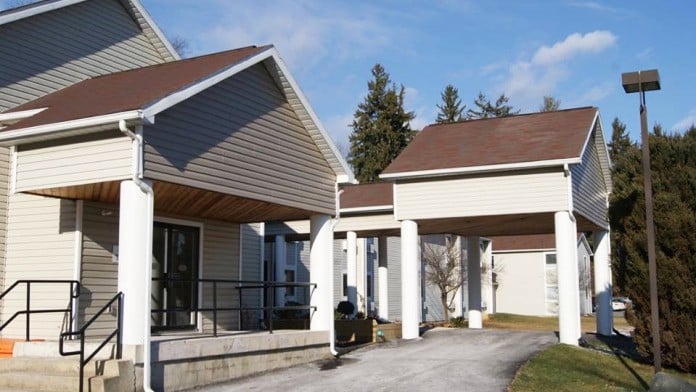
Pyramid Healthcare–Hillside Detox and Inpatient Treatment Center is located in a private, home-like setting overlooking the Poconos Mountains and features premium amenities, including an onsite yoga studio, meditation room, and recreational facilities.
Pyramid Healthcare–Hillside Detox and Inpatient Treatment Center is CARF accredited. They accept self pay, private insurance, and Medicaid, and they offer need based financial assistance.
Latest Reviews
From what I experienced with Pyramid Hillside -while my son Elijah was there - was really good.
I know that it's important to give credit where credit is due.
Thank You all who took my msgs, to forward them to the appropriate persons.
Thank You- Eric B. For taking the time -(listening to me when -talking/emailing you) and for your prompt responses as soon as you were available. You were always respectful and listened well.
I felt that you were a genuinely caring person and honest, Thank You Eric , keep caring and keep growing -to learn more so you can provide in ways that those who are at this Facility -will be moving forward in their life with Stepping Stones that will bring God's Purpose and Plan for all-(
Including Staff/Nurses, Drs. Etc...)
Thank You Nurse Lisa,
You Are what a True Nurse is. ❤️✝️ You were such a Big help to my son and myself.
Beautiful person you are.
Your assistance was so needed and helpful to my son. It calmed my Being. You listened and understood and shared with me information that showed me that you Genuinely Care.
This place should be Grateful to have you.
God Bless You and your families Both of you, Nurse Lisa and Eric and all at this Facility.
My daughter’s father Wilson Melendez was inpt there recently the staff really helped him through the whole process. A big thank you to ms Debbie, Rob,Billy,ms Judy,Kevin, Kayla,and the Director Tim
The staff was great one of my favorite people there was cat with he tool kit of crafts she made it fun.. also Kaylee because I don't want to hear that I forgot about her.. hope you all are doing well miss you guys.

Rehab Score
 Our Methodology
Scoring is assigned by a proprietary system which helps surface key metrics that determine quality. The 10-point scale factors in categories such as operations, customer satisfaction, and trust metrics. Read Full Methodology

8.1 / 10
Gallery




Accepted Insurance

Managed Health Network (MHN)

Geisinger
HealthAmerica
Preferred Health Care
Quest Behavioral Health
Other Forms of Payment
Medicaid is a state based program that helps lower-income individuals and families pay for healthcare. Medicaid covers addiction treatment so those enrolled can use their coverage to pay for rehab. When a program accepts Medicaid the client often pays very little or nothing out of their own pocket.
Private insurance refers to any kind of healthcare coverage that isn't from the state or federal government. This includes individual and family plans offered by an employer or purchased from the Insurance Marketplace. Every plan will have different requirements and out of pocket costs so be sure to get the full details before you start treatment.
Self-pay involves paying for treatment out of your own pocket. You can use savings or credit, get a personal loan, or receive help from family and friends to fund your treatment. If you don't have insurance or your insurance plan doesn't cover a specific program, self-pay can help ensure you still get the care you need.
Financial aid can take many forms. Centers may have grants or scholarships available to clients who meet eligibility requirements. Programs that receive SAMHSA grants may have financial aid available for those who need treatment as well. Grants and scholarships can help you pai for treatment without having to repay.
Military members, veterans, and eligible dependents have access to specific insurance programs that help them get the care they need. TRICARE and VA insurance can help you access low cost or no cost addiction and mental health treatment. Programs that accept military insurance often have targeted treatment focused on the unique challenges military members, veterans, and their families face.
Addiction Treatments
Levels of Care
Outpatient Programs (OP) are for those seeking mental rehab or drug rehab, but who also stay at home every night. The main difference between outpatient treatment (OP) and intensive outpatient treatment (IOP) lies in the amount of hours the patient spends at the facility. Most of the time an outpatient program is designed for someone who has completed an inpatient stay and is looking to continue their growth in recovery. Outpatient is not meant to be the starting point, it is commonly referred to as aftercare.
They provide safe and effective detoxification from drug and alcohol dependency. Their trained medical team is experienced in treating substance addiction with comprehensive, medically supervised detoxification. They offer a variety of customized drug assisted detox programs based on the substance of choice, medical history and individual preferences of each client they treat.
Their residential program utilizes the most current Evidence-Based Practices to treat individuals with a drug and/or alcohol dependency. Although their programs incorporate the 12 Steps of Alcoholics Anonymous (AA) and Narcotics Anonymous (NA), they also focus on the physical, emotional, spiritual, family and mental health needs of each client. A team of therapists, nurses and a psychiatrist, work with each client to closely monitor, evaluate and adjust programming in response to the client’s individual needs as his/her treatment progresses.
At certain points in the recovery process, it's important to have support available 24/7. 24-hour clinical care offers a safe environment in which to recover from drug or alcohol addiction in peace, knowing medical detox and other treatment will happen with professionals on hand.
Those reluctant to acknowledge an addiction or participate in a substance abuse rehabilitation program often benefit from intervention services. Their certified intervention specialists are trained to utilize highly effective techniques and resources to skillfully initiate, guide and oversee the intervention process during which friends and family use honest, supportive communication to encourage their loved one to accept treatment as a first step toward recovery.
Their inpatient residential treatment programs rely on the 12-step philosophy as an integral part of recovery. Clients attend Alcoholics Anonymous or Narcotics Anonymous as part of their treatment regimen. Beginning steps involve admitting powerlessness over the addiction and creating a spiritual basis for recovery. Middle steps including making direct amends to those who've been hurt by the addiction, and the final step is to assist others in addiction recovery in the same way.
Encouraging continued specialty treatment care after a stay in a residential facility, or providing resources that promote sustained sobriety, can be key in helping a client successfully achieve abstinence. In order to give their clients the best possible chance at remaining sober, they offer aftercare programs that provide some structure, oversight, and planning post-treatment. They consider client wants and needs when making arrangements for aftercare. If the client was part of a residential program, staff may recommend that they step down into an intensive outpatient, outpatient, or partial hospitalization program to continue specialty treatment. Other aftercare options include halfway or transitional housing.
Clients engaged in intensive outpatient programs (IOP) live and work in their home community while receiving frequent, high-level care. These programs offer personalized care designed to evolve with the clients' changing needs. Many intensive outpatient rehabs require a minimum of nine hours of treatment per week, but high-risk clients and those in early recovery may receive up to 20 hours of care weekly. IOP services generally include addiction counseling, recovery education, and holistic therapies, such as massage.
With a partial hospitalization program (PHP), you can participate in intensive rehabilitation treatment with the ability to return home at the end of the day. For a weekly minimum of 20 hours, a partial hospitalization program can take place up to 5 days a week for an average of 90 days. During PHP treatment, you can receive relapse prevention strategies, medication management, individual and group therapy, and other behavioral therapy interventions.
Residents of a sober living home in Pennsylvania pay rent and contribute to household maintenance. For their contributions, individuals get the opportunity to live in a substance-free environment and receive support from others in recovery while all residents practice sober-living skills. Sober living expenses are not covered by insurance since they are not treatment services. However, grants and scholarships are often available to help individuals afford rent for men's or women's sober living.
Treatments
The goal of treatment for alcoholism is abstinence. Those with poor social support, poor motivation, or psychiatric disorders tend to relapse within a few years of treatment. For these people, success is measured by longer periods of abstinence, reduced use of alcohol, better health, and improved social functioning. Recovery and Maintenance are usually based on 12 step programs and AA meetings.
Drug rehab in Pennsylvania is devoted to the treatment of addiction. Levels of care, treatment methods, and settings differ, but the aim of each program is to end drug dependency and empower participants to achieve long-term recovery.
Pyramid Healthcare provides dual diagnosis treatment, which addresses symptoms of both mental health disorders and addiction, for adults at select facilities. By combining the most effective aspects of mental health care and substance abuse into a continuum, the chances of a client successfully maintaining sustained sobriety increase greatly. Many Pyramid Healthcare clinicians and counselors are certified in the treatment of co-occurring mental health disorders and are able to effectively and expertly apply the tenets of dual diagnosis treatment. Clients receiving dual diagnosis treatment will receive psychiatric care and proper medication to address their diagnosis while simultaneously participating in addiction recovery programs.
A combined mental health and substance abuse rehab has the staff and resources available to handle individuals with both mental health and substance abuse issues. It can be challenging to determine where a specific symptom stems from (a mental health issue or an issue related to substance abuse), so mental health and substance abuse professionals are helpful in detangling symptoms and keeping treatment on track.
Opioid rehabs specialize in supporting those recovering from opioid addiction. They treat those suffering from addiction to illegal opioids like heroin, as well as prescription drugs like oxycodone. These centers typically combine both physical as well as mental and emotional support to help stop addiction. Physical support often includes medical detox and subsequent medical support (including medication), and mental support includes in-depth therapy to address the underlying causes of addiction.
Programs
Adult rehab programs include therapies tailored to each client's specific needs, goals, and recovery progress. They are tailored to the specific challenges adult clients may face, including family and work pressures and commitments. From inpatient and residential treatment to various levels of outpatient services, there are many options available. Some facilities also help adults work through co-occurring conditions, like anxiety, that can accompany addiction.
Recovery is most successful when clients feel accepted and validated by their peers and treatment providers. Facilities that offer LGBTQ-inclusive programming are committed to creating a safe space where everyone can grow and recover without fear of judgment or discrimination. They will have dedicated policies in place to create a safe and supportive environment that fosters free expression.
Young adulthood can be an exciting, yet difficult, time of transition. Individuals in their late teens to mid-20s face unique stressors related to school, jobs, families, and social circles, which can lead to a rise in substance use. Rehab centers with dedicated young adult programs will include activities and amenities that cater to this age group, with an emphasis on specialized counseling, peer socialization, and ongoing aftercare.
Serving in the military is both mentally and physically challenging, and can result in trauma that persists even after combat ends. Military programs are tailored to the specific and often complex needs of active duty personnel, veterans, and military families. Clients often access these programs through the U.S. Department of Veterans Affairs (VA).
Clinical Services
Experiential therapy is a form of therapy in which clients are encouraged to surface and work through subconscious issues by engaging in real-time experiences. Experiential therapy departs from traditional talk therapy by involving the body, and having clients engage in activities, movements, and physical and emotional expression. This can involve role-play or using props (which can include other people). Experiential therapy can help people process trauma, memories, and emotion quickly, deeply, and in a lasting fashion, leading to substantial and impactful healing.
They believe it is imperative to engage families from the onset of treatment. At Hillside, they recognize that each family dynamic is unique and specialized services can be implemented to address the needs of the client and his/her family. The Family Program is an opportunity for families to learn the basics about addiction and how they can support and participate in their loved ones recovery.
Group therapy is any therapeutic work that happens in a group (not one-on-one). There are a number of different group therapy modalities, including support groups, experiential therapy, psycho-education, and more. Group therapy involves treatment as well as processing interaction between group members.
In individual therapy, a patient meets one-on-one with a trained psychologist or counselor. Therapy is a pivotal part of effective substance abuse treatment, as it often covers root causes of addiction, including challenges faced by the patient in their social, family, and work/school life.
Assisting their clients in their search for recovery and a higher quality of life is a crucial part of their mission. In order to help individuals struggling from addiction successfully reintegrate into the community once they have completed treatment, they provide extensive life skills training at their halfway houses and residential programs. Pyramid Healthcare specialists and clinicians collaborate in an effort to provide clients with guidance and instruction on a variety of real-world topics. These include financial management, job preparation, communication skills, social etiquette, volunteerism, and the appropriate utilization of community resources.
Moral Reconation Therapy (MRT) is a modality based on strengthening moral reasoning, that can be used in substance abuse treatment. Originally created to help criminal offenders stop committing crimes, it is a structured approach that includes both group and individual counseling, as well as homework exercises. The MRT workbook is structured around 16 steps (units) focusing on 7 treatment issues, including building a healthy, positive identity; developing a higher frustration tolerance; and forming a strong moral belief structure. Participants meet 1-2 times weekly in groups, and can complete all steps of the MRT program in 3-6 months.
Motivational Interviewing (MI) is a clinical approach to helping people with substance abuse issues and other conditions shift behavior in positive ways. It is more goal-oriented than traditional psychotherapy, as MI counselors directly attempt to get clients to consider making behavioral change (rather than wait for them to come to conclusions themselves). Its primary purpose is to resolve ambivalence and help clients become able to make healthy choices freely.
Nutrition therapy, aka medical nutrition therapy (MNT), is a way of treating physical, emotional, and medical conditions through diet. Specific dietary plans are designed by professional nutritionists or registered dietitians, and patients follow them in order to positively affect their physical and mental health.
Trauma therapy addresses traumatic incidents from a client's past that are likely affecting their present-day experience. Trauma is often one of the primary triggers and potential causes of addiction, and can stem from child sexual abuse, domestic violence, having a parent with a mental illness, losing one or both parents at a young age, teenage or adult sexual assault, or any number of other factors. The purpose of trauma therapy is to allow a patient to process trauma and move through and past it, with the help of trained and compassionate mental health professionals.
Amenities
-
 Private Setting
 -
 Mountain Views
 -
 Yoga Studio
 -
 Private Transportation
 -
 Gym
Gym
Accreditations

The Commission on Accreditation of Rehabilitation Facilities (CARF) is a non-profit organization that specifically accredits rehab organizations. Founded in 1966, CARF's, mission is to help service providers like rehab facilities maintain high standards of care.
CARF Accreditation: Yes
Accreditation Number: 262967

The Substance Abuse and Mental Health Services Administration (SAMHSA) is a branch of the U.S. Department of Health and Human Services. Established in 1992 by congress, SAMHSA's mission is to reduce the impact of substance abuse and mental illness on American's communities.
SAMHSA Listed: Yes
Rehab.com regularly reviews this listing for accuracy but changes may occur between updates. For the most up-to-date information, please contact Pyramid Healthcare Inc. – Hillside Detox and Residential Treatment Center for Men.
Contact Information

420 Supreme Court Drive
East Stroudsburg PA, 18302
Get Help Now - 267-450-9996
Sponsored Helpline
Sponsored Helpline



