





























































































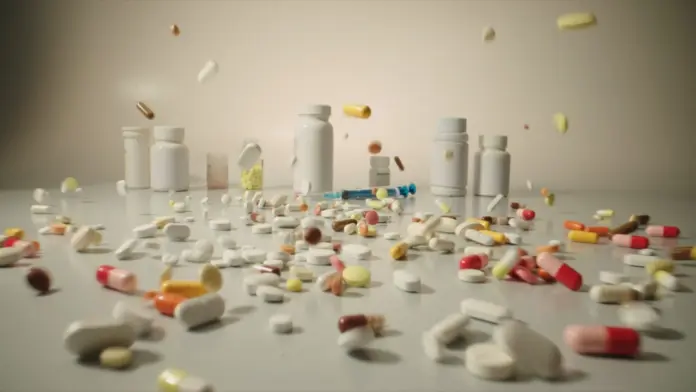
The UN World Drug Report 2026, released by the UN Office on Drugs and Crime (UNODC), found that global drug use has reached a record high while increasingly potent synthetic substances spread. The new record has challenged addiction treatment programs worldwide, including in the U.S.
“We have seen an unprecedented spike in new types of drugs on the market, and worryingly, some are more potent or dangerous than before,” said Monica Juma, UNODC Executive Director.
A Record Number of People Are Using Drugs
UNODC estimated that 331 million people used drugs in 2024, about 6.2 percent of the world’s population aged 15 to 64, up from 5.2 percent a decade earlier.
Cannabis remained the most widely used drug at 256 million users, followed by opioids at 63 million, amphetamines at 32 million, cocaine at 25 million and ecstasy at 21 million.
Synthetic Opioids Are Reshaping the Market
Authorities identified 755 new psychoactive substances in 2024, including 118 reported for the first time, and the number of different drugs turning up in seizures is now five times higher than before the year 2000.
After Afghanistan banned opium cultivation in 2022, illicit heroin production fell sharply, and the report warns that traffickers are turning to synthetic opioids such as fentanyls and nitazenes, some even more potent than fentanyl.
“The market is becoming very diverse, but also perhaps more dangerous,” said Chloe Carpentier, the report’s lead researcher. “We don’t always know what we are taking, and first responders don’t know what they are responding to.”
Why Potency Matters in Treatment
An unpredictable supply raises the risk of overdose and complicates withdrawal, which is part of why clinicians stress supervised care.
Medication-assisted treatment (MAT) pairs FDA-approved medications such as buprenorphine, methadone or naltrexone with counseling, and it is a common starting point for opioid use disorder. Medical detox provides monitoring during the early, higher-risk days of stopping use.
Treatment Gaps Hit Some Groups Harder
The report stressed that harm is shaped by poverty, housing, mental health and unequal access to care.
Women remain far less likely than men to receive treatment, with only one in 23 women who have drug use disorders getting care, compared with one in nine men.
Women who inject drugs are also 20 percent more likely to be living with HIV than men. Researchers flagged adolescence as a period when drug use can have lasting effects on the developing brain.
What This Means for Treatment Seekers
A more potent, less predictable supply makes the quality of care a person chooses more important, not less. Verifying a facility’s accreditation, asking whether it offers medical detox and MAT, and confirming insurance coverage can help families compare options with confidence rather than guessing.
Finding the Right Rehab
If you are starting to research care, useful next steps include comparing rehab centers by level of care, understanding insurance coverage for addiction treatment, and asking about evidence-based therapies and credentials.
Rehab.com’s directory includes verified treatment centers nationwide. Call
800-985-8516
(  Sponsored Helpline )
to get in touch with a treatment specialist.
Sponsored Helpline )
to get in touch with a treatment specialist.
