


















































































































I assist to some of the groups here, and for me, they've been uplifting and inspiring. The therapist is fantastic, always there for us and always making sure we have quality time to address our issues and needs. Thank you for listening to me every time I've needed it.
About South Nassau Communities Hospital – Mental Health
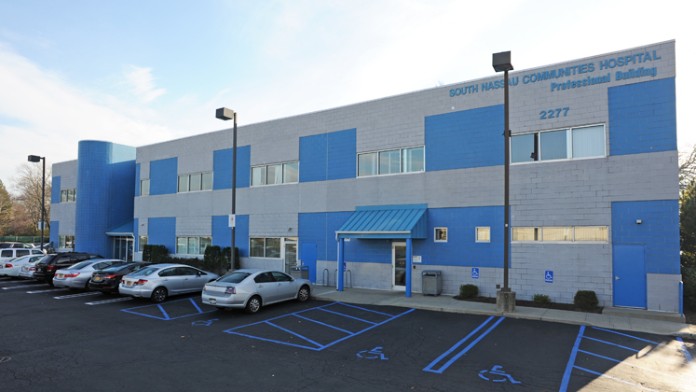
South Nassau Communities Hospital Mental Health in Baldwin, New York is a facility that provides comprehensive addiction treatment and behavioral health services. Near the scenic Silver Lake Park, residents can access 24/7 emergency psychiatric evaluations in a well equipped center that accepts Medicare and Medicaid and multiple private insurance plans, and offers a sliding fee scale.
Award Winning Full Continuum of Evidence Based Care
Operating since 1928 and the winner of numerous accolades rewarding its patient care capabilities, this facility’s behavioral health unit is qualified to handle your recovery journey at every stage. Whether you need a short term inpatient stay, a partial hospitalization program (PHP) that meets five times a week, or an intensive outpatient program (IOP) that offers a flexible three day schedule, this center has established programs to meet your needs.
A Compassionate Staff Ready to Serve
While reading the reviews of this facility, I noticed that many alumni highlighted how its team members combine deep professional expertise with genuine care about the outcomes of their patients. Past clients found a supportive environment where they didn’t feel judged but rather supported to learn, grow and heal.
Fact checked and written by:
Serg Valencia, MD, MS
Edited by:
Nikki Wisher, BA
Facility Overview
 36
36 Number of Available Beds
Latest Reviews
their PHP and IOP genuinely gave me such a different outlook on life during some of my toughest times. i can accredit them for giving me hope to continue living. Jessica, Faryn, and every other group facilitator and social worker are amazing and dedicated to whoever they are assigned to. dr. florita has also been a breath of fresh air, he’s knowledgeable, honest and allows the patient to have a choice in their treatment without pushing certain avenues. the group therapy is also amazing. i couldn’t recommend this facility more for anything mental health related. thank you 💕
This place is horrible for a mental health clinic. First of all its a hassle to even get someone on the phone. You can continue calling and no one will answer. When you do leave a message & they bother to call back.....the staff has an attitude. Its like they're upset that they have to do their job & have so much attitude answering your questions or trying to help. Secondly they've some type of discriminatory attitude toward patients that dont live with in Nassau or probably right next to them even if you assure them that you'll and can make your own way to the appointments. If i didnt ask you to provide me transport, why is it your concern? I get some patients miss alot of appointments but this is a mental health clinic. Seeing how this is listed on official NY health website, they shouldnt have problems accepting/treating patients that are in NY. I was surprised to see the bad reviews for hospital like mount sinai but after speaking to one of the staff.....I can tell why they get a bad reputation. If receptionists are this rude.....i wont be able to imagine how the providers would be at this place & as seen from other reviews written here. 0 compassion. I'll give them 0 stars based off of the first impression.
obgyn services here are subpar. worst experience with an OB ever in my life and this is my first time being pregnant so I won't waste another moment around uncaring and disconnected people. the front staff is rude and literally rolls their eyes. disgusting. I wasn't helped at all with what has been causing me to miss work...she didn't care about the fact I'm a teacher- a human being with a life and that I matter. just went through the motions. zero stars- never coming back

Rehab Score
 Our Methodology
Scoring is assigned by a proprietary system which helps surface key metrics that determine quality. The 10-point scale factors in categories such as operations, customer satisfaction, and trust metrics. Read Full Methodology

5.4 / 10
Gallery
Accepted Insurance
Other Forms of Payment
Medicaid is a state based program that helps lower-income individuals and families pay for healthcare. Medicaid covers addiction treatment so those enrolled can use their coverage to pay for rehab. When a program accepts Medicaid the client often pays very little or nothing out of their own pocket.
Private insurance refers to any kind of healthcare coverage that isn't from the state or federal government. This includes individual and family plans offered by an employer or purchased from the Insurance Marketplace. Every plan will have different requirements and out of pocket costs so be sure to get the full details before you start treatment.
Self-pay involves paying for treatment out of your own pocket. You can use savings or credit, get a personal loan, or receive help from family and friends to fund your treatment. If you don't have insurance or your insurance plan doesn't cover a specific program, self-pay can help ensure you still get the care you need.
Financial aid can take many forms. Centers may have grants or scholarships available to clients who meet eligibility requirements. Programs that receive SAMHSA grants may have financial aid available for those who need treatment as well. Grants and scholarships can help you pai for treatment without having to repay.
Sliding scale payments are based on a client's income and family size. The goal is to make treatment affordable to everyone. By taking these factors into account, addiction recovery care providers help ensure that your treatment does not become a financial burden to you or your family, eliminating one barrier to care.
Medicare is a federal program that provides health insurance for those 65 and older. It also serves people under 65 with chronic and disabling health challenges. To use Medicare for addiction treatment you need to find a program that accepts Medicare and is in network with your plan. Out of pocket costs and preauthorization requirements vary, so always check with your provider.
Military members, veterans, and eligible dependents have access to specific insurance programs that help them get the care they need. TRICARE and VA insurance can help you access low cost or no cost addiction and mental health treatment. Programs that accept military insurance often have targeted treatment focused on the unique challenges military members, veterans, and their families face.
Addiction Treatments
Levels of Care
Outpatient Programs (OP) are for those seeking mental rehab or drug rehab, but who also stay at home every night. The main difference between outpatient treatment (OP) and intensive outpatient treatment (IOP) lies in the amount of hours the patient spends at the facility. Most of the time an outpatient program is designed for someone who has completed an inpatient stay and is looking to continue their growth in recovery. Outpatient is not meant to be the starting point, it is commonly referred to as aftercare.
Treatments
Many of those suffering from addiction also suffer from mental or emotional illnesses like schizophrenia, bipolar disorder, depression, or anxiety disorders. Rehab and other substance abuse facilities treating those with a dual diagnosis or co-occurring disorder administer psychiatric treatment to address the person's mental health issue in addition to drug and alcohol rehabilitation.
Mental health rehabs focus on helping individuals recover from mental illnesses like bipolar disorder, clinical depression, anxiety disorders, schizophrenia, and more. Mental health professionals at these facilities are trained to understand and treat mental health issues, both in individual and group settings.
Programs
Adult rehab programs include therapies tailored to each client's specific needs, goals, and recovery progress. They are tailored to the specific challenges adult clients may face, including family and work pressures and commitments. From inpatient and residential treatment to various levels of outpatient services, there are many options available. Some facilities also help adults work through co-occurring conditions, like anxiety, that can accompany addiction.
Young adulthood can be an exciting, yet difficult, time of transition. Individuals in their late teens to mid-20s face unique stressors related to school, jobs, families, and social circles, which can lead to a rise in substance use. Rehab centers with dedicated young adult programs will include activities and amenities that cater to this age group, with an emphasis on specialized counseling, peer socialization, and ongoing aftercare.
Clinical Services
Cognitive Behavioral Therapy (CBT) is a therapy modality that focuses on the relationship between one's thoughts, feelings, and behaviors. It is used to establish and allow for healthy responses to thoughts and feelings (instead of unhealthy responses, like using drugs or alcohol). CBT has been proven effective for recovering addicts of all kinds, and is used to strengthen a patient's own self-awareness and ability to self-regulate. CBT allows individuals to monitor their own emotional state, become more adept at communicating with others, and manage stress without needing to engage in substance abuse.
Whether a marriage or other committed relationship, an intimate partnership is one of the most important aspects of a person's life. Drug and alcohol addiction affects both members of a couple in deep and meaningful ways, as does rehab and recovery. Couples therapy and other couples-focused treatment programs are significant parts of exploring triggers of addiction, as well as learning how to build healthy patterns to support ongoing sobriety.
Research clearly demonstrates that recovery is far more successful and sustainable when loved ones like family members participate in rehab and substance abuse treatment. Genetic factors may be at play when it comes to drug and alcohol addiction, as well as mental health issues. Family dynamics often play a critical role in addiction triggers, and if properly educated, family members can be a strong source of support when it comes to rehabilitation.
Group therapy is any therapeutic work that happens in a group (not one-on-one). There are a number of different group therapy modalities, including support groups, experiential therapy, psycho-education, and more. Group therapy involves treatment as well as processing interaction between group members.
In individual therapy, a patient meets one-on-one with a trained psychologist or counselor. Therapy is a pivotal part of effective substance abuse treatment, as it often covers root causes of addiction, including challenges faced by the patient in their social, family, and work/school life.
Trauma therapy addresses traumatic incidents from a client's past that are likely affecting their present-day experience. Trauma is often one of the primary triggers and potential causes of addiction, and can stem from child sexual abuse, domestic violence, having a parent with a mental illness, losing one or both parents at a young age, teenage or adult sexual assault, or any number of other factors. The purpose of trauma therapy is to allow a patient to process trauma and move through and past it, with the help of trained and compassionate mental health professionals.
Staff

Adhi Sharma, MD, MHA
President

Joe Calderone
Senior VP for Corporate Communications and Development
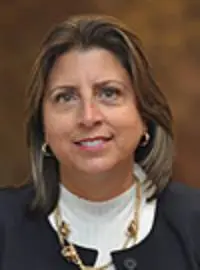
Stacey Conklin, MSN, RN-BC, MHCDS, NE-BC
Senior VP for Chief Nursing Officer

Ken Long
Senior VP for Administration & Chief Clinical Integration Officer
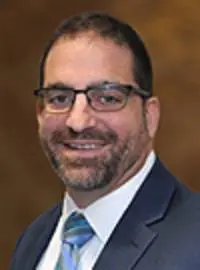
John Pohlman
Senior VP, COO & CFO

Alan Wong, DO, MBA
CMO

Josh Kugler, MD, FACEP, FAAEM
VP for Physician Services
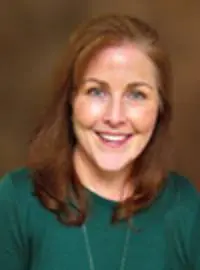
Margaret Pfeiffer, MSN, RN, CCRN, NE-BC
VP for Patient Care Services
Contact Information

2277 Grand Avenue
Baldwin, NY 11510
Get Help Now - 646-439-0877
Sponsored Helpline
Sponsored Helpline


