Sponsored Helpline






























































































 21 Min Read
Individuals seeking addiction treatment in rural communities face key challenges that can make it difficult to find the right resources they need. In addition to their geographic isolation, they also have access to fewer providers and must travel longer distances to find accredited facilities.
Key Points:
- More than 60% of rural Americans live in a designated behavioral health shortage area, according to a 2026 SAMHSA advisory.
- Rural communities face higher rates of stimulant-involved and prescription opioid overdose deaths compared to urban areas, per CDC data.
- Transportation, provider shortages, stigma, and limited internet access are the most common barriers to rural treatment.
- Free telehealth options can connect people in rural areas to licensed prescribers for opioid and alcohol use disorder treatment, often with same day availability.
- Federal programs, including Medicaid non-emergency transportation and the FCC Lifeline program, exist specifically to help rural residents overcome access barriers.
- This guide covers 40+ resources organized by need, from 24/7 crisis lines to virtual peer support groups and harm reduction tools.
In this article:
- Challenges for Rural Treatment Seekers
- National Resource & Crisis Lines
- Nationwide Treatment Directories
- Telehealth Treatment Options
- Harm Reduction & Overdose Prevention
- Peer Support Groups & Communities
- Recovery Residence & Sober Living
- Other Rural Resources
- Find Treatment
The Challenges of Rural Addiction Treatment
Addiction affects people in every zip code. But the conditions that shape how it develops differ significantly between rural and urban communities. Some of the key challenges in treat rural substance use disorder include:
- Transportation/Distance: Treatment centers in rural locations could be hours away from an individual’s residence. This creates a time restriction that makes daily or even weekly attendance at outpatient facilities difficult to achieve. Rural areas may also face infrastructure limitations, with fewer public transportation or rideshare options available.
- Stigma/Privacy: The tight-knit social fabric of rural communities could prevent individuals from seeking care. They may fear that being seen at an addiction treatment facility will lead to judgment or ostracization, as they might personally know the providers or other clients being treated. The stigma of addiction as a moral failing rather than a disease perpetuates this hesitancy.
- Provider Shortages: Rural communities face significant workforce challenges. They may struggle to recruit and retain qualified physicians, counselors and addiction specialists, leading to long waitlists and overextended staff.
Telehealth and online addiction treatment offer practical ways to close the rural treatment gap. These platforms offer clients privacy and access to reputable providers without requiring a commute. Individuals who are ready to go this route can start with national services that offer telehealth support and then use online directories like ours to find local options.
Rural Addiction by the Numbers
People in rural communities are not less likely to face addiction, and, in many ways, they face it on harder terms. Understanding the data behind the rural treatment gap helps explain why this resource guide exists and why finding the right help often requires more steps than it does in a city.
60%+ of rural Americans live in a designated behavioral health shortage area, according to a 2026 SAMHSA advisory.
70% of rural counties do not have a practicing psychiatrist, per data from the WWAMI Rural Health Research Center at the University of Washington.
Stimulant-involved overdose deaths occur at a rate 31% higher in rural counties than in urban counties, according to CDC.
Fewer than 1 in 5 people with opioid use disorder (20%) receive evidence based treatment in a given year.
National Resources & Crisis Lines
If you need help right now, these free, confidential helplines are available around the clock and do not require insurance, a referral, or a visit to a clinic. Each connects you to trained specialists who can assess your situation, find local treatment options, and provide immediate support by phone or text.
SAMHSA’s National Helpline: The Substance Abuse and Mental Health Services Administration (SAMHSA) offers several phone numbers you can call for treatment referrals and information. This federal agency connects individuals to local treatment facilities, support groups and community-based organizations and can help if you’re uninsured/underinsured
Their 1-800-662-HELP (4357) line is free and confidential and runs around the clock. You can also text your zip code to 435748 (HELP4U) for treatment referrals by location. Hearing-impaired individuals can call 1-800-487-4889 for specialized support.
United Way 211: This is a free, confidential service that connects callers with local health and human services. You can call 211 to ask about local substance use treatment, counseling, transportation help, housing, food support and more.
988 Suicide and Crisis Lifeline: Call or text 988 to receive immediate support for a mental health or substance use crisis. You’ll connect with a trained counselor who will listen and offer confidential support, connecting you to a local mental health center or crisis outreach team if necessary.
Crisis Text Line: Text HOME to 741741 from anywhere in the U.S. to connect with a live counselor via text, online chat, or WhatsApp message. They’re specially trained to help individuals work through issues like stress, anxiety and bullying in addition to substance use.
Never Use Alone: If you or someone you know is using drugs alone and is concerned about an overdose, call 800-484-3731 or 877-696-1996 any time of day or night. A peer operator will stay on the line and can alert EMS if the caller stops responding for more than 30 seconds.
Find Rural Addiction Treatment: Nationwide Directories
The following resources are especially important in rural areas because they help individuals locate the closest addiction treatment facilities near them. This includes county programs, community clinics and medication providers.
Rehab.com Rehab Locator: our carefully curated directory of drug and alcohol rehab centers across the U.S. With 25,000+ facilities listed across the country you can find treatment programs and filter by levels of care, insurance and payment, or facility programs and amenities.
FindTreatment.gov: This is a federal locator offered by SAMHSA to connect individuals with local mental health and substance use treatment services. You can enter your address, city, or zip code to find accredited facilities in your area.
SAMHSA Opioid Treatment Program (OTP) Directory: This is a national directory of certified methadone clinics and opioid treatment programs (OTPs) and the primary way to find methadone treatment. Filter the list by state to find the resource closest to you.
SAMHSA Buprenorphine Practitioner Locator: This directory helps individuals find local clinicians who provide medication-assisted treatment (MAT) using buprenorphine products, including Suboxone. Note that the DATA-2000 waiver requirement ended under the Consolidated Appropriations Act of 2023, so the locator tool might not include every eligible prescriber.
HRSA “Find a Health Center” Tool: The Health Resources and Services Administration (HRSA) offers this tool to help individuals find nearby community health centers and federally qualified health centers (FQHCs). These are often the most accessible medical safety net options in rural areas.
CCBHC Locator: Use this interactive map and state list to find Certified Community Behavioral Health Clinics (CCBHCs) near you. These clinics provide a broad range of mental health and substance use services, serving anyone who walks through the door, regardless of their diagnosis or insurance status.
NIAAA Alcohol Treatment Navigator: This website offers resources and information for individuals struggling with alcohol use disorder (AUD). It includes a three-step tool to help you find local providers, ask the right questions and compare your options to find quality care.
Shatterproof Treatment ATLAS: This national platform helps people find and compare addiction treatment programs in their area. You can search for providers based on location, services provided, insurance accepted, groups served and other criteria.
SAMHSA Directory of Single State Agencies: If you need state-funded or low-cost treatment services, a Single State Agency (SSA) is often the best gateway. With this SAMHSA tool, you can easily search for providers by location.
RHIhub Rural Substance Use Disorders Toolkit: This kit breaks down the basics of evidence-based, rural treatment programs and provides resources organizations can use to develop, implement and sustain such models. The Program Clearinghouse includes information on statewide initiatives that currently exist.
HRSA Rural Communities Opioid Response Program: The RCORP funds rural opioid use disorder (OUD) prevention and treatment programs across the country. This resource is useful for understanding which programs may be funded in your area.
Brandeis Opioid Resource Connector: This comprehensive site includes curated program models, locator websites and other resources for communities tackling opioid addiction. It includes a list of interventions, policies and practices for local agencies and stakeholders.
Telehealth and In-Home Treatment Options
When the nearest treatment clinic is hours away, telehealth and online treatment programs can be the fastest and most private way to begin care. Availability varies by state, but the providers below serve many rural areas and offer same-day or next-day access in most cases.
Medication Treatment for Opioid Use Disorder (MOUD) via Telehealth
These providers offer buprenorphine-based treatment for opioid use disorder entirely through a secure app or video visit, removing the need to travel to a clinic. Most accept major insurance plans and Medicaid, and several can ship prescriptions directly to your door.
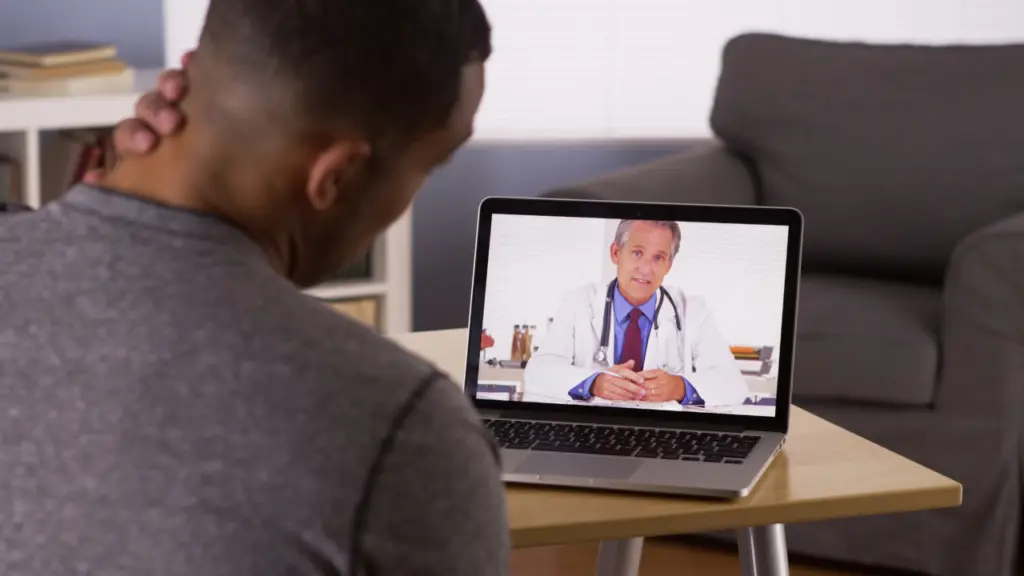
QuickMD: This healthcare provider offers personalized, affordable virtual care for a range of issues, including opioid addiction, weight loss and hormone therapy. Click on your state to see which services are available in your area and schedule an online appointment.
Workit Health: This online treatment provider offers care for opioid and alcohol addiction. Services are 100% online and the website includes a list of states where they’re currently accepting members.
Bicycle Health: This medical group offers MOUD treatment via telemedicine, using Suboxone. Its clinicians are licensed across 31 states and will create a customized plan tailored to your needs and goals.
Boulder Care: This online clinic offers telehealth addiction treatment for OUD and AUD. Their website includes an eligibility flow that lists many states of residence. Services are offered through a secure mobile app.
PursueCare: This provider offers app-based addiction treatment and mental health counseling. Same-day admissions are available and their in-house pharmacy can deliver medications to your door.
In-Home Providers
Aware Recovery Care: This in-home provider provides long-term addiction treatment and medication management across multiple states, as well as a Family Wellness program for loved ones. Their interactive map details the locations where they’re currently active.
Online Alcohol Treatment Programs
Alcohol use disorder treatment is increasingly available through virtual platforms that combine counseling, medication, and peer support without requiring in-person visits. The programs below serve residents across most or all U.S. states.
Monument: This online treatment program offers support groups and an active community forum for individuals recovering from alcohol addiction. Support services are available in all 50 states, while therapy and medication services are only offered in selected, listed locations.
Ria Health: Ria Health provides virtual treatment for alcohol addiction. Services include online coaching, medication-assisted treatment, virtual support groups and daily breathalyzer readings.
Virtual Intensive Outpatient Programs (IOP)
Virtual IOPs offer the same structured treatment schedule as traditional intensive outpatient programs, typically 15 to 40 hours per month, delivered through secure video instead of a physical clinic. They are a strong fit for individuals who need more support than standard outpatient therapy but cannot travel daily to a facility.
Lionrock Recovery: This provider offers an online IOP via secure video. Their individualized plans encompass 40 treatment hours per month and include individual, group and family therapy as well as educational sessions. State availability varies based on licensing.
Harm Reduction and Overdose Prevention
In rural areas, a person experiencing an overdose may be alone and far from emergency services, making access to naloxone and peer support especially critical. The resources below help reduce the risk of overdose death and connect individuals to life-saving tools even when no local program is nearby.

National Harm Reduction Coalition: The central “Harm Reduction Resources Near You” hub on this page helps individuals find resources to support safer drug use. This includes links to the North American Syringe Exchange Network (NASEN) for syringe access programs as well as NEXT Distro, which offers mail-based naloxone when local resources aren’t available.
Naloxone Finder: The National Harm Reduction Coalition also offers an interactive map of community-based naloxone providers across the country. They update the map bi-monthly and allow programs to update their information directly.
NEXT Distro: This is a service that mails naloxone and supplies to individuals who cannot access the lifesaving medication at a physical location nearby. NEXT Distro partners with more than 30 harm reduction programs nationwide. Search by your state to find available services and related resources.
NASEN Syringe Services Program (SSP): NASEN maintains an opt-in, interactive directory of harm reduction locations across the United States. You can search their support network by state, program type, or service.
Never Use Alone: This overdose prevention line is staffed by experienced peer operators. They can stay on the line with someone who is using drugs and expressing concern about a potential overdose. They will call EMS if the caller becomes unresponsive.
Peer Support and Recovery Communities
Peer support is one of the most consistent predictors of long-term recovery, and online support group meetings have made it possible to access that community from anywhere with an internet connection. Most of the programs below are free, available every day of the week, and require no prior experience with recovery or a particular program philosophy.

Largest and Most Widely Available
Alcoholics Anonymous (AA): The AA Online Intergroup offers a directory of online meeting times for those who cannot attend in person. The directory is filterable by day, time, platform, meeting type and language. They also have a Meeting Guide app to help you find in-person meetings. Learn more about Alcoholics Anonymous.
Narcotics Anonymous (NA): NA offers a virtual meeting search tool on their website. Once you enter your language, you can choose the meeting that works best for you based on day, time and format. Learn more about Narcotics Anonymous.
SMART Recovery: This support group is based on an evidence-based, non-12-step recovery process. They offer an online search tool to help you find local, in-person meetings as well as virtual options. Set the meeting type to “online” to see remote times only. Learn more about SMART Recovery.
Other National Mutual-Aid Options (Including Online)
Celebrate Recovery: This Christian, 12-step-based recovery group offers meetings in person at locations around the country. They also offer an online Zoom option every Wednesday at 12pm PST. Their CR locator tool can help you find meetings in your area. Learn more about Celebrate Recovery.
Recovery Dharma: This is a Buddhist-inspired peer group for addiction recovery. Recovery Dharma (RD) Online is an independent community that facilitates virtual meetings each week based on RD principles. Learn more about Recovery Dharma.
Refuge Recovery: Another recovery group based on the teachings and principles of Buddha, Refuge Recovery offers online meetings and workshops in the mornings and evenings. Learn more about Refuge Recovery.
LifeRing Secular Recovery: This peer support group is based on secular principles and doesn’t incorporate the concept of a “higher power” found in organizations like AA and NA. They offer daily online meetings in an open discussion format. Learn more about LifeRing Secular Recovery.
Women for Sobriety: Women seeking gender-specific recovery support can attend online meetings through Women for Sobriety. Meetings focus on group discussions, recovery strategies and community-building activities. Learn more about Women for Sobriety.
She Recovers: This is a women-centered, trauma-informed support group that offers online meetings twice daily. Holistic therapies, including yoga and dance, are also available through their online series. Learn more about She Recovers.
In The Rooms: This is a free online recovery community that provides more than 130 live, video-based meetings each week. Meetings center on various formats, including AA, NA and non-12 step philosophies.
The Phoenix: This peer support group emphasizes the importance of community and connection in recovery. They host several sober events and activities weekly to help individuals find friendships and socialization. If you can’t meet in person, they offer live-streamed events and meetings.
Free Family Support
Al‑Anon: This support group is for family members and friends of individuals with alcohol use disorder. They offer in-person, hybrid and fully remote meetings each week. You can enter your zip code to see a list of nearby times and locations. Learn more about Al-Anon.
Nar‑Anon: This 12-step group supports friends and loved ones of individuals with drug use disorder. Look for a meeting location near you, or search for virtual times on their website. Learn more about Nar-Anon.

Recovery Housing and Sober Living: Nationwide Networks
Recovery residences and transitional housing programs provide a structured, substance-free living environment for individuals leaving treatment who are not yet ready to return to independent living. The national networks below maintain searchable directories to help you find available beds close to where you need to be.
Oxford House: These are peer-run recovery homes for individuals recovering from drug and alcohol addiction. Each house is democratically self-run and typically holds between six and 15 people. Find a house near you by browsing their national directory online. You can also visit their Vacancy Locator to find open beds quickly. An online application is required for residency.
National Alliance for Recovery Residences (NARR): This is a national nonprofit organization designed to improve and expand access to recovery housing across the country. Their website includes a Certified Residence Locator, as well as standards that NARR-certified residences should follow.

Help for Families and Caregivers: Actionable Supports
When a family member is struggling with substance use disorder, knowing where to turn for guidance can make a real difference in whether they enter treatment. These resources offer coaching, peer support, and trained specialists who can walk caregivers through next steps without requiring the person in need to make the first call.
Partnership to End Addiction: This organization offers coaching for parents and caregivers of children and teens with substance use disorder (SUD). Their helpline connects callers to specialists who can walk them through next steps. You can call, email, or text CONNECT to 55753 to get in touch.
SAMHSA National Helpline: This helpline also supports families with loved ones in addiction. When you call, trained specialists can help you connect with local family services and support groups. Support is available around the clock.
Al‑Anon / Nar‑Anon: These 12-step support groups offer free, widely available resources for families and caregivers of individuals in recovery and addiction. This includes online and in-person meeting options.
Paying for Care and Overcoming Rural Barriers
Cost, transportation, and access to technology are among the most common reasons rural residents delay or avoid treatment, but practical resources exist to help address each one. The programs below are organized by the specific barrier they address so you can find relevant help quickly.
Transportation
Medicaid Non‑Emergency Medical Transportation (NEMT): Offered through Centers for Medicare and Medicaid Services (CMS), NEMT supports individuals who need help getting to and from medical appointments. Their website includes a fact sheet with information and resources for beneficiaries.
Insurance Denials and Coverage Restrictions
Federal parity law requires most insurance plans to cover substance use disorder treatment at the same level as physical health services, and a denial does not always mean the answer is final. If your insurer has denied coverage for addiction treatment, the resources below can help you understand your rights and file an appeal.

Parity Registry (Mental Health Parity and Addiction Equity Act Resources): Parity law requires health plans to cover mental health and addiction benefits no more restrictively than physical health benefits. If your health plan has denied these services, you can visit this website for support and help filing an appeal.
SAMHSA National Helpline: If you’re uninsured or underinsured, you can still receive support for addiction recovery. When you call the SAMHSA helpline, the organization can refer you to state-funded treatment options, as well as facilities that offer sliding-fee payment options.
Phone/Internet Access for Telehealth
FCC/USAC Lifeline: This lifeline provides phone and internet discounts to make communication services, including telehealth, more affordable. Some participating providers also provide a monthly discount on qualifying phone and/or internet services.
The monthly benefit can be up to $9.25 for eligible, low-income subscribers and up to $34.26 for subscribers on Tribal lands. Use the “Companies Near Me” tool to find participating providers. You can apply online through the National Verifier application system.
Medication Access Discrimination (MOUD)
Legal Action Center: If you or someone you know has been denied housing, employment, or other essential services due to prescribed MOUD or MAT for recovery, Legal Action Center (LAC) can help. Their MAT-MOUD Advocacy Toolkit provides resources to help you challenge discrimination.
Additional Rural-Friendly Resources
Veterans and Native American community members face distinct challenges in accessing addiction care and are served by dedicated federal programs with specialized provider networks. The tools below help individuals in these groups locate SUD treatment through systems that are specifically designed for their circumstances.
U.S. Department of Veterans Affairs (VA): The VA offers an online Program Locator tool to help individuals find specialized SUD programs by state. Even VA medical centers without a specific SUD program will still offer SUD treatment. In addition, many designated Veteran centers and VA community based outpatient clinics may also offer these essential services. Learn more about finding addiction treatment for veterans.
Indian Health Service (IHS): The IHS offers a “Find Health Care” tool to help individuals locate IHS, Tribal, or Urban Indian Health Program facilities including behavioral health and substance use treatment facilities.
National Rural Health Association (NRHA): The NRHA is the primary national advocacy organization for rural health policy and access. Their website includes policy briefs, rural health data, and a member directory that can help connect individuals and organizations to rural health stakeholders in their state.
Project ECHO (Extension for Community Healthcare Outcomes): Developed at the University of New Mexico, Project ECHO trains rural primary care providers in addiction medicine, mental health, and opioid use disorder treatment via a hub-and-spoke telehealth education model. If you are a rural primary care provider looking to expand addiction treatment capacity, ECHO offers free training and mentorship from addiction specialists. Many state-level ECHO programs are free to join.
Appalachian Regional Commission (ARC): The ARC funds economic development and health access programs across the 13-state Appalachian region — one of the areas most heavily impacted by the opioid crisis. Their website includes grant databases and program directories for organizations and communities seeking to expand addiction services in Appalachia.
USDA Rural Development: The USDA funds rural infrastructure and community services programs, including grants that have supported rural health clinics and community behavioral health centers. Local organizations and community health centers in rural areas can search their grant database for funding opportunities related to health services.
Finding Treatment Close to Home
Distance is one of the most common reasons people in rural communities delay getting help, but treatment closer to home may be more available than it appears. Our drug rehab directory helps you find accredited centers and treatment programs near your current location, filtered to reflect the full range of care options including outpatient, telehealth-eligible, and MAT-providing facilities.
If nothing comes up within a comfortable distance, that does not mean your options are exhausted. Telehealth programs, SAMHSA’s national helpline (1-800-662-HELP), and the federal locators listed above can connect you to vetted care regardless of where you live. Many facilities also offer case management support to help coordinate transportation or arrange remote intake if travel is a barrier.
You do not have to figure this out alone. The resources on this page exist because rural communities face real, documented gaps in addiction care access, and a growing network of providers, peer supporters, and advocates is working to close them.
Featured Treatment Centers
Finding facilities near you…