






























































































My husband and I haven’t seen our son this happy and healthy in years, and in just a matter of months! The work God is doing through Teen Challenge is amazing, keep it up!
About Georgia Men’s Rehab
Georgia Men’s Rehab is a faith based, long term residential recovery program for adult men located in Dublin, Georgia.
The program serves men struggling with addiction through Christian discipleship, counseling and mentorship.
The program offers a supportive brotherhood where spiritual growth and accountability guide every step of transformation.
Faith Based Residential Recovery for Men
Georgia Men’s Rehab specializes in long term residential recovery, giving men the time and space needed for deep change.
As a non clinical, discipleship centered program, it focuses on spiritual formation, character development and life skills.
Daily life includes chapel services, Bible study, individual and group counseling, life coaching and relapse prevention.
Testimonials from graduates highlight restored relationships, renewed purpose and freedom from destructive patterns.
Structured Campus Living
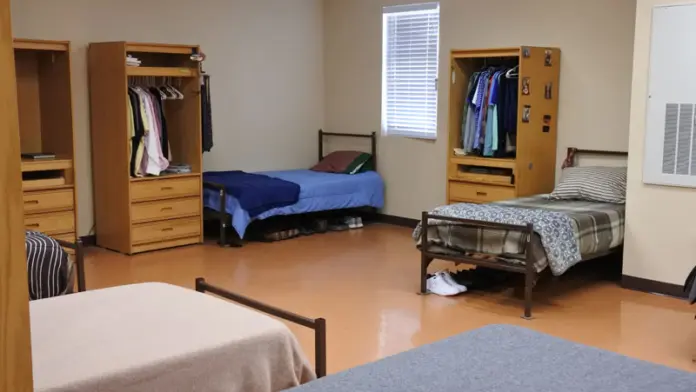
The Dublin campus offers a rural environment designed to remove residents from familiar triggers and urban distractions.
Men live in a structured setting with housing, healthy meals, exercise, daily routines and peer support.
Admissions and Getting Started
Georgia Men’s Rehab welcomes adult men from Dublin, Middle Georgia, cities like Atlanta, Macon, Augusta, and Columbus.
As a nonprofit ministry supported by donations and partnerships, the program is positioned as an affordable option with self pay, sliding scale, and financial aid discussed directly with admissions.
Latest Reviews
Graduated 10 years ago. Hardest thing and smartest thing ive ever done
My son Roddricus is changing. Thanks to God and Teen Challenge. How my son's life was going I thought we would be burying him. 🙌🙌
Changed my life

Rehab Score
 Our Methodology
Scoring is assigned by a proprietary system which helps surface key metrics that determine quality. The 10-point scale factors in categories such as operations, customer satisfaction, and trust metrics. Read Full Methodology

6.5 / 10
Gallery
Other Forms of Payment
Self-pay involves paying for treatment out of your own pocket. You can use savings or credit, get a personal loan, or receive help from family and friends to fund your treatment. If you don't have insurance or your insurance plan doesn't cover a specific program, self-pay can help ensure you still get the care you need.
Financial aid can take many forms. Centers may have grants or scholarships available to clients who meet eligibility requirements. Programs that receive SAMHSA grants may have financial aid available for those who need treatment as well. Grants and scholarships can help you pai for treatment without having to repay.
Sliding scale payments are based on a client's income and family size. The goal is to make treatment affordable to everyone. By taking these factors into account, addiction recovery care providers help ensure that your treatment does not become a financial burden to you or your family, eliminating one barrier to care.
 Free
FreeAddiction Treatments
Levels of Care
Residential treatment programs are those that offer housing and meals in addition to substance abuse treatment. Rehab facilities that offer residential treatment allow patients to focus solely on recovery, in an environment totally separate from their lives. Some rehab centers specialize in short-term residential treatment (a few days to a week or two), while others solely provide treatment on a long-term basis (several weeks to months). Some offer both, and tailor treatment to the patient's individual requirements.
Aftercare, which is sometimes referred to as continuing care or relapse prevention, is a type of structured care meant to help you continue with the progress you've made after completing an addiction treatment program. Most of the time, you'll continue receiving support after a treatment program by partnering with their case managers and staff to identify and access the resources you need to remain sober.
Sober living homes in Georgia offers an alternative to the abrupt change of moving from intensive treatment to an unstructured home environment. Men's and women's sober living homes replicate everyday life situations, but they do so in a sober environment while also reinforcing healthy habits. This reduces the chance of relapse. Individuals who could use extra support after rehab or don't have a stable home environment can benefit from this transitional option.
Medical detox is the process of ridding the body of addictive substances in a medically supervised setting. If you become chemically dependent on a substance like alcohol, opioids, or benzodiazepines (like Xanax or Ativan), quitting abruptly can cause uncomfortable or even dangerous side effects. Licensed medical professionals ensure the process goes as safely and comfortably as possible while monitoring you 24/7 and administering any required medications,
Treatments
The goal of treatment for alcoholism is abstinence. Those with poor social support, poor motivation, or psychiatric disorders tend to relapse within a few years of treatment. For these people, success is measured by longer periods of abstinence, reduced use of alcohol, better health, and improved social functioning. Recovery and Maintenance are usually based on 12 step programs and AA meetings.
A quality drug rehab in Georgia can help you overcome addiction. This environment is designed to help you address the complex issues contributing to drug dependence. The goal of treatment is to give you the tools you need to make a full recovery.
Opioid rehabs specialize in supporting those recovering from opioid addiction. They treat those suffering from addiction to illegal opioids like heroin, as well as prescription drugs like oxycodone. These centers typically combine both physical as well as mental and emotional support to help stop addiction. Physical support often includes medical detox and subsequent medical support (including medication), and mental support includes in-depth therapy to address the underlying causes of addiction.
Substance rehabs focus on helping individuals recover from substance abuse, including alcohol and drug addiction (both illegal and prescription drugs). They often include the opportunity to engage in both individual as well as group therapy.
Programs
Adult rehab programs include therapies tailored to each client's specific needs, goals, and recovery progress. They are tailored to the specific challenges adult clients may face, including family and work pressures and commitments. From inpatient and residential treatment to various levels of outpatient services, there are many options available. Some facilities also help adults work through co-occurring conditions, like anxiety, that can accompany addiction.
Young adulthood can be an exciting, yet difficult, time of transition. Individuals in their late teens to mid-20s face unique stressors related to school, jobs, families, and social circles, which can lead to a rise in substance use. Rehab centers with dedicated young adult programs will include activities and amenities that cater to this age group, with an emphasis on specialized counseling, peer socialization, and ongoing aftercare.
Recovery is most successful when clients feel accepted and validated by their peers and treatment providers. Facilities that offer LGBTQ-inclusive programming are committed to creating a safe space where everyone can grow and recover without fear of judgment or discrimination. They will have dedicated policies in place to create a safe and supportive environment that fosters free expression.
Men face specific challenges and concerns when seeking addiction treatment. Gender-specific recovery programs help them tackle these issues head-on in an environment that's focused, targeted, and distraction-free. It also gives them the opportunity to connect with and learn from other men who have been through a similar journey and can offer support for the next step.
Clinical Services
Cognitive Behavioral Therapy (CBT) is a therapy modality that focuses on the relationship between one's thoughts, feelings, and behaviors. It is used to establish and allow for healthy responses to thoughts and feelings (instead of unhealthy responses, like using drugs or alcohol). CBT has been proven effective for recovering addicts of all kinds, and is used to strengthen a patient's own self-awareness and ability to self-regulate. CBT allows individuals to monitor their own emotional state, become more adept at communicating with others, and manage stress without needing to engage in substance abuse.
Group therapy is any therapeutic work that happens in a group (not one-on-one). There are a number of different group therapy modalities, including support groups, experiential therapy, psycho-education, and more. Group therapy involves treatment as well as processing interaction between group members.
In individual therapy, a patient meets one-on-one with a trained psychologist or counselor. Therapy is a pivotal part of effective substance abuse treatment, as it often covers root causes of addiction, including challenges faced by the patient in their social, family, and work/school life.
During rehab in Georgia, you may engage in motivational interviewing. This typically lasts one to two sessions and is designed to address any ambivalence you have toward change. It helps you explore your current situation and motivations and commit to making changes for the future.
In trauma therapy, you address the emotional and psychological effects of traumatic events in your life. Your therapist provides you with the tools you need to process those memories and reduce the symptoms. This helps improve your overall mental health and functioning.
Life skills trainings involve all the skills a person must have in order to function successfully in the world. These include time management, career guidance, money management, and effective communication. Truly successful addiction recovery is based on the ability to not only live substance-free, but to thrive. Life skills teaches the practical necessities of functioning in society, which sets clients up for success in life, and therefore sobriety.
Recreational therapy (aka therapeutic recreation) uses creative and fun activities to help with addiction recovery. Recreational therapists lead patients in entertaining and engaging activities like sports or games; art (drawing, painting, sculpture); drama, music, and dance; and/or community outings (field trips) to improve patients' physical, social, and emotional well-being.
While each person is unique, the typical length for dialectical behavior therapy is six months to a year. You'll attend weekly hour long individual sessions with your therapist, as well as weekly group sessions. Homework between sessions often includes keeping a diary to track your emotions and behaviors. Your therapist uses this diary to guide the focus of each session.
Amenities
-
 Residential Setting
 -
 Private Rooms
 -
 Recreation Room
Staff
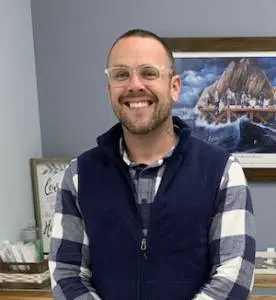
Jason Prater
Executive Director
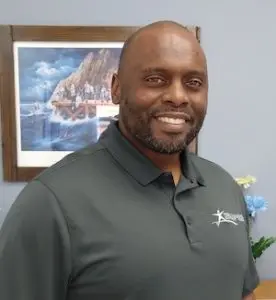
Donte White
Program Manager
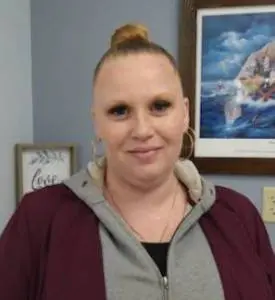
Shannon White
Administative Assistant

Daniel Hardy
Admissions
Rehab.com regularly reviews this listing for accuracy but changes may occur between updates. For the most up-to-date information, please contact Georgia Men’s Rehab.
Contact Information

3729 US Highway 441 South
Dublin, GA 31021
Get Help Now - 229-228-0567
Sponsored Helpline
Sponsored Helpline
