





























































































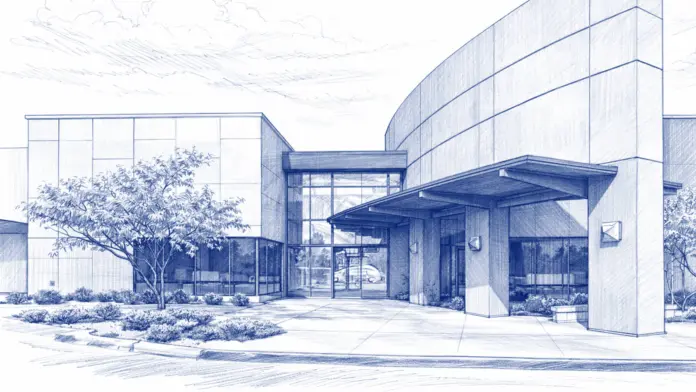
About The Wave Columbia: Mental Health Treatment In South Carolina
The Wave Columbia is an addiction treatment center in Winnsboro, South Carolina offering integrated care for substance use disorders and co-occurring mental health conditions.
The program provides medically supervised detox and residential treatment, partial hospitalization, and intensive outpatient services blending evidence based therapies with holistic approaches.
What kinds of treatment does The Wave offer?
The Wave Columbia provides a full continuum of care including medically supervised detox and residential treatment with 24 hour support, PHP, and IOP.
Therapies include CBT and DBT, EMDR and trauma informed care, relapse prevention and equine assisted therapy, expressive art therapy, mindfulness, and medication management. The team takes a non-12 step approach to dual diagnosis recovery.
Who can get help here?
The center serves adult men and women in a co-ed setting who are living with substance use disorders including alcohol and opioids, stimulants, benzodiazepines, and prescription drugs.
It also specializes in co-occurring conditions such as depression and anxiety, PTSD and trauma, bipolar disorder, and co-dependency.
Where is the facility located?
The Wave Columbia sits on a 10 acre campus in Winnsboro, South Carolina just outside the greater Columbia area. The property features walking and hiking trails and outdoor meditation spaces, a ropes course, yoga areas, and community spaces designed to support healing in nature.
Facility Overview
 61 - 90
 Latest Reviews



Rehab Score
 Our Methodology


Location
Accepted Insurance
Other Forms of Payment
Private insurance refers to any kind of healthcare coverage that isn't from the state or federal government. This includes individual and family plans offered by an employer or purchased from the Insurance Marketplace. Every plan will have different requirements and out of pocket costs so be sure to get the full details before you start treatment.
Self-pay involves paying for treatment out of your own pocket. You can use savings or credit, get a personal loan, or receive help from family and friends to fund your treatment. If you don't have insurance or your insurance plan doesn't cover a specific program, self-pay can help ensure you still get the care you need.
Addiction Treatments
Levels of Care
Withdrawing from addictive substances, like alcohol, benzodiazepines (like Xanax), or opioids, occurs during the detox process. Since this process can have uncomfortable and even dangerous side effects, the mission of a medically assisted detox is to provide an expert medical team to help monitor your health around the clock. They will work to keep you as safe and comfortable as possible, administering necessary medications to alleviate any withdrawal symptoms.
Clients who have just completed detox, those who are in crisis, and those with a history of relapse often require treatment in an inpatient rehab. These facilities provide high-level supervision, structure, and support, allowing clients to focus on their recovery away from their addiction triggers. Most inpatient treatment programs center upon various forms of psychotherapy, including CBT, DBT, RBT, and motivational interviewing. Clients may also receive recovery-focused life skills training and evidence-based holistic therapies, such as massage.
As a short-term option, a partial hospitalization program (PHP) provides an intensive rehab option for individuals with acute symptoms. PHP treatment focuses on management without requiring 24-hour care. During PHP treatment, you may engage in behavioral therapy services, psychoeducation, and periodic evaluations conducted by licensed professionals. The duration of a partial hospitalization program can average 90-130 days based on your progress. Insurance coverage may vary, but many providers offer full or partial coverage for PHP.
Clients undergoing treatment in an intensive outpatient program (IOP) remain in or return to their homes following detox and/or inpatient rehab. They engage in multiple, extended treatment sessions weekly, with most intensive outpatient rehabs requiring between nine and 20 therapeutic hours per week. These programs are ideal for clients in early recovery and those at an elevated risk of relapse and typically combine counseling, recovery education, holistic care, and medication assisted treatment (MAT).
Treatments
Alcoholism is characterized by a lack of control over drinking habits, use of alcohol despite negative consequences, and preoccupation with alcohol. Often, alcohol use disorder occurs simultaneously with other mental health disorders. If you have a co-occurring disorder, it is important to get treatment for both. Alcohol rehab in South Carolina can provide this dual diagnosis treatment through inpatient or outpatient care.
Choosing a drug rehab in South Carolina helps you overcome drug dependency, learn how to manage cravings, and obtain the tools needed to prevent relapse. This is accomplished through individualized treatment that addresses a full spectrum of physical, social, and emotional needs.
 Opioid Addiction
Specialized dual-diagnosis treatment programs in South Carolina can help individuals looking for substance abuse treatment. Dual-diagnosis simply means treating individuals struggling with addiction and any other mental health problems, like anxiety. These conditions often co-occur and treating them at the same time can dramatically improve your odds of success. You can typically expect these addiction treatment programs to utilize evidence-based therapies such as cognitive-behavioral therapy (CBT), with skill-based education to enhance your coping skills and improve your overall well-being.
South Carolina's specialized dual-diagnosis addiction treatment programs treat individuals with co-occurring substance use disorders and mental health conditions. These comprehensive treatment programs generally encompass a mental health assessment, individualized treatment plan, mindfulness-based therapies, and support groups designed to improve mental health, help you achieve sobriety, and equip you with the tools to sustain recovery.
If you require specialized addiction treatment programming in order to address an addiction and a co-occurring mental health condition, dual diagnosis treatment is essential. Residential dual diagnosis centers offer a wealth of mental health services, including 24/7 access to medical and mental health professionals, individual and group counseling, relapse prevention education, cognitive-behavioral therapy (CBT), motivational interviewing and family support groups.
Clinical Services
The main basis of cognitive behavioral therapy in South Carolina is that all your thoughts, feelings, and behaviors are interconnected. Therefore, the therapist will help you change your thoughts, which will lead to different emotions and actions.
If you struggle with managing your emotions, dialectical behavior therapy in South Carolina might be a good method of treatment for you. This form of talk therapy helps you learn to accept yourself while working on changing unhealthy patterns of thoughts and reactions.
 Eye Movement Desensitization And Reprocessing
Men and women in South Carolina undergoing individual therapy work closely with their therapist to address the personal challenges and lifestyle changes that can help address addiction triggers. You have a unique situation and your therapist will spend time helping you develop healthy coping strategies so you can work toward achieving and maintaining sobriety.
Group therapy participants in South Carolina learn practical conflict resolution skills they can practice within the group. These skills are essential for improving your relationships and reducing stress outside rehabilitation. Both of these factors are crucial to help maintain your recovery.
Recreational therapy helps you recover from drug and alcohol addiction by offering activities that improve your physical and mental health. When you participate in team sports, arts, and outdoor adventures, you engage in a positive experience that helps reduce your cravings and stress levels while giving you an opportunity to express your emotions.
The overall goal of trauma therapy is to address and reduce the lingering physical and emotional effects that trauma has had on your life. You work within a safe space with an experienced therapist to understand your responses and develop healthier coping mechanisms.
Amenities
-
 Residential Setting
Rehab.com regularly reviews this listing for accuracy but changes may occur between updates. For the most up-to-date information, please contact The Wave Columbia: Mental Health Treatment In South Carolina.
Contact Information


1403 Greenbrier Mossydale Rd, Winnsboro, SC 29180
Sponsored Helpline

