
 Sponsored Helpline






























































































 14 Min Read
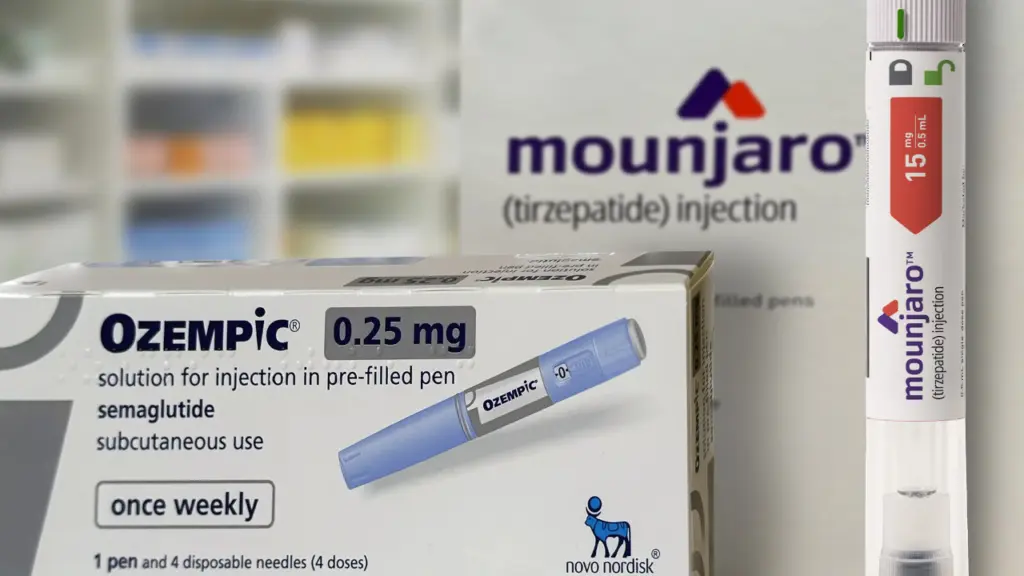
While GLP-1 receptor agonists, including medications like Ozempic, Wegovy, and Mounjaro, have become central to the management of metabolic health, a growing body of research suggests their impact may extend into addiction medicine.
Although currently FDA-approved for diabetes and weight management, clinical evidence indicates these medications also interact with the brain’s neurological reward pathways involved in substance use disorder.
In this article, we’ll examine the science of how GLP-1s may help regulate cravings and better understand their potential role as a supportive tool within a comprehensive, evidence-based addiction treatment plan.
Key Facts
- GLP-1 receptor agonists like Ozempic are currently FDA-approved for the treatment of type 2 diabetes and weight management.
- These medications affect dopamine (happy chemical) release in the brain, altering reward pathway processes.
- The dopamine reduction caused by GLP-1s may make the medications effective for treating substance use and other behavioral disorders that are reward-pathway based.
- Early studies indicate GLP-1s should be researched further as possible treatments for alcohol use and substance use disorders, nicotine addiction, and compulsive behaviors.
- Due to potential physical and psychological side effects, any GLP-1 use should be medically monitored.
Introduction to GLP-1 Receptor Agonists
Ozempic. Mounjaro. Wegovy. These brand names are quickly becoming household names. But what exactly are these medications, and what are their applications?
What Are GLP-1 Medications?
GLP-1 stands for glucagon-like peptide. Peptides are groups of amino acids, which serve as messengers in your body to control various functions. Common GLP-1 medications include semaglutide (brand names Ozempic and Wegovy) and liraglutide (brand names Victoza and Saxenda). These medications have been FDA-approved for the treatment of type 2 diabetes and weight management.
A specific GLP-1 hormone in the body gets released when you eat. These peptides tell the body to release insulin, to break down the food and use the glucose (sugar) to nourish and energize the body. GLP-1 medications mimic this hormone, making them effective for the treatment of diabetes. They also cause a delay in stomach emptying, which can help people feel “full” so they eat less, making the drugs effective for weight loss.
Often, medications have “off-label” uses, which means they are taken for other conditions not officially approved by the FDA. For GLP-1 receptor agonists, there is a growing interest in off-label use for curbing compulsive behaviors.
GLP-1 Use At a Glance
Mainstream Adoption:
Approximately 12% of U.S. adults (roughly 1 in 8) report having taken a GLP-1 drug at some point.
Rapid Shift in Use:
Between 2019 and 2023, the U.S. saw a staggering 700% increase in patients without diabetes starting GLP-1 treatments.
Explosive Spending Growth:
National spending on GLP-1 medications surged by over 500% in just five years, jumping from $13.7 billion in 2018 to nearly $71.7 billion in 2023.
Widespread Eligibility:
Recent estimates suggest that up to 137 million U.S. adults are medically eligible for semaglutide based on diabetes, weight, or cardiovascular markers.
The Link Between Metabolic Health and Addiction
Gut hormones like GLP-1 regulate appetite, blood sugar, and satiety (feelings of being full after eating). But they also interact with the central nervous system (the brain). Researchers have found a strong brain-gut connection, which means what goes on in the digestive system has a direct impact on mood and behaviors.
This nervous system activity has a direct overlap with binge eating, food addiction, and substance use disorders. As various behaviors are “rewarded” with the release of dopamine, we want to repeat those behaviors. This can lead to addictions to all types of things, including food or drugs.
How GLP-1 Drugs Rewire the Brain
To alter the cycle of addiction that has been formed in the body and brain, something needs to change. The brain has been rewired by substances, so something else needs to rewire it again.
Changing Your Reward Pathways
Addictive substances cause unnatural spikes in dopamine. This “happy chemical” travels from the ventral tegmental area to the nucleus accumbens. This is referred to as the mesolimbic dopamine pathway, or reward pathway.
Addictive substances rewire this pathway to cause the body to crave more of the substance so the behavior is repeated. The natural release of dopamine is altered to rely on the drug.
GLP-1 receptors may be able to help with this cycle by dampening the release of dopamine. They block the normal reward processing, so if the pathway has been hijacked by substances, it may be rewired once again to restore normal functioning.
Regulating Cravings and Impulse Control
The rewiring of the brain caused by GLP-1 drugs strengthens the prefrontal cortex regulation. This part of the brain is responsible for decision-making and impulse control.
By improving impulse control, the medications may be able to help users resist sudden urges and environmental triggers for substance use.
Dr. Sylvie Stacy, Chief Medical Officer at Rehab.com
Dampening the Reinforcing Effects of Substances
While taking a GLP-1 receptor agonist, the medication reduces the euphoric “high” that is normally felt after abusing a substance. This dampening effect reduces the reinforcement that would typically occur that leads to repeated use of the substance.
Preclinical animal studies have demonstrated that this effect can reduce drug-seeking behavior and lower the risk of relapse.
GLP-1s for Alcohol Use Disorder (AUD)
Early research has included investigations to determine whether GLP-1 might be an effective treatment for AUD. Preclinical trials have demonstrated potential reduction in alcohol consumption in rats. Follow-up clinical trials among humans found mixed results.
One study found that GLP-1 use was associated with a reduction in alcohol cravings. Another study found no effect on drinking among individuals with AUD, but it did find a reduction in heavy drinking days for those who have both an AUD and comorbid obesity.
A study in Denmark discovered that GLP-1 use was associated with a lower incidence of alcohol-related events.
Can Semaglutide Treat Alcohol Use Disorder?
Widespread anecdotal reports indicate that semaglutide can reduce alcohol cravings. Some clinical studies back up these claims.
One study found that semaglutide administration reduced alcohol consumption among rodents. Another study found that low-dose semaglutide reduced alcohol consumption and cravings among humans.
57% Reduction in Drinks
Patients taking low-dose semaglutide experienced a 57% overall reduction in the number of drinks consumed per drinking day.
2% Reduction in Placebo
Compared to only a 2% overall reduction in average drinks per day in the placebo group.
Semaglutide targets specific reward loops in the brain and may diminish some of the reinforcing effects of alcohol. By modulating these reward pathways, the medication may reduce cravings and alter behavioral patterns associated with chronic drinking.
Dr. Sylvie Stacy, Chief Medical Officer at Rehab.com
GLP-1 and Alcohol Interactions
GLP-1 receptor agonists like Ozempic slow the gastric emptying process. This can cause a slower rise in blood alcohol level, which reduces the effects of alcohol.
However, alcohol also stimulates the production of stomach acid, so when alcohol stays in the stomach longer, this can cause other side effects such as heartburn and nausea.
Reductions in Binge Drinking and Relapse
Several research studies have discovered that GLP-1s are associated with fewer alcohol-related disorders and hospitalizations. One study found that semaglutide use was associated with a 50% reduction in risk of recurrent AUD diagnoses and a 56% reduced risk of AUD among individuals with type 2 diabetes.
50% Reduction in Recurrent AUD
Semaglutide use was associated with a 50% reduction in the risk of recurrent AUD diagnoses.
56% Reduction in Developing AUD
It was associated with a 56% reduced risk of developing an AUD diagnosis among patients with existing type 2 diabetes.
Another study examining over 227,000 Swedish AUD patients found that those who took semaglutide had a lower risk of hospitalization due to AUD. Researchers have also found that GLP-1 use has been linked to fewer episodes of alcohol intoxication.
It is important to note that these studies and related use of GLP-1 focus on reducing the severity and frequency of alcohol use and binge drinking. They have not focused on a goal of total abstinence through the use of GLP-1s.

Treating Other Substance Use Disorders with GLP-1s
How might GLP-1s impact other chemical dependencies? Researchers are looking into these applications.
Can Ozempic Help You Quit Smoking?
Initial research indicates that GLP-1 receptor agonists may be effective for treating nicotine dependence. Emerging evidence suggests that these medications reduce nicotine seeking and use. They may prove effective at reducing the number of cigarettes a person smokes each day as well as prevent the weight gain that often accompanies smoking cessation.
46.3% Smoking Abstinence With GLP-1
In a clinical trial utilizing a GLP-1 receptor agonist combined with nicotine replacement therapy, 46.3% of participants successfully abstained from smoking after six weeks.
26.8% Abstinence Without GLP-1
The placebo + NRT group only achieved 26.8% abstinence after 6 weeks, indicating additional benefit of GLP-1s.
This additional benefit of preventing weight gain may give GLP-1s an advantage over traditional smoking cessation aids which treat cravings only. Because weight gain is a common cause for relapse, preventing this side-effect may help people taking GLP-1s for nicotine addiction achieve greater long-term success.
GLP-1 Medications for Heroin, Fentanyl, and other Opioids
Early research has shown some positive results for GLP-1 treatment of opioid use disorder (OUD). Researchers testing the medications on mice found no significant effects of the drug. However, other studies involving rats have had more positive results with reducing heroin-seeking behavior.
The mixed results emphasize the need for further research to determine how GLP-1 medications may be used to treat OUD and other substance use disorders. Based on further findings, these medications might eventually complement traditional opioid use disorder (OUD) treatments like methadone or buprenorphine.

Stimulants: Cocaine and Amphetamine Research
GLP-1 receptor activation has been found to suppress cocaine-stimulated dopamine release. By altering these signals, the medication may decrease the reinforcing attributes of cocaine.
Early research on rodents has shown that GLP-1s may reduce cocaine and other stimulant use as well as reduce the dopamine release associated with these drugs. This may prove helpful in reducing relapse behaviors related to powerful psychostimulants.

GLP-1s for Behavioral Addictions
What about non-substance compulsive behavior and psychological disorders? Can GLP-1 receptor agonists treat these conditions? It’s possible.
Food Addiction and Binge Eating Disorder
GLP-1s suppress the appetite. They can also affect dopamine release. By reducing the “reward” aspect of eating and making the person feel more full, the drugs may be able to treat binge eating. The medication may interfere with the psychological control that binge eating has on the person by reducing the motivations of hunger and reward.
This may effectively reduce “food noise”: constant thoughts about food. By turning down the noise, the person can more easily break the cycle of addiction. This can also provide a blueprint for treatment of other behavioral addictions.

Binge Shopping, Gambling, and Compulsive Behaviors
Reports are emerging regarding GLP-1 effectiveness at mitigating behavioral addictions such as gambling, compulsive shopping, and skin-picking.
One mixed-methods approach that reviewed social media posts found that around 21% of comments indicated that the medication helped with compulsive shopping. However, compulsive sexual behaviors increased in some users. Some mental health benefits were also noted.
The common denominator for treating any of these conditions is a restoration of balanced dopamine levels. By reducing the dopamine spike normally caused by these behaviors, the medications may reduce all types of thrill-seeking and compulsive actions.

The Psychological Impact and Side Effects
Are there any drawbacks to taking GLP-1 receptor agonists like Ozempic? There are a few physical and mental health concerns to consider.
Common Physical Side Effects
While GLP-1 medications are generally well-tolerated, their impact on the metabolic and gastrointestinal systems can cause several common side effects:
- Nausea: The most frequent side effect, typically occurring during initial treatment or dosage increases.
- Vomiting & Diarrhea: Common as the body adjusts to the medication; maintaining hydration is essential.
- Constipation: A result of slowed gastrointestinal motility reducing bowel movement frequency.
- Delayed Gastric Emptying: Slowed digestion that often leads to bloating, acid reflux, or early fullness.
While unpleasant, these physical symptoms can also indirectly deter substance use, because the user may develop a physical aversion to drinking alcohol (since it makes them nauseous).
Anhedonia and Depression on GLP-1s
Because GLP-1s dampen dopamine release, there is a risk of “dopamine blunting.” This happens when the body doesn’t release enough dopamine and causes emotional flatness.
In this state, it is hard for a person to experience pleasure (referred to as anhedonia). This can lead to drug-induced depression.
Dr. Sylvie Stacy, Chief Medical Officer at Rehab.com
Because of this risk, it is important to remain under medical supervision while taking GLP-1s. Clinicians can ensure the medication is creating a healthy craving reduction rather than anhedonia.
Addiction vs. Medication Dependency
Unlike pain medications or other substances, GLP-1 medications do not cause chemical addiction or traditional withdrawal symptoms. However, users may develop a psychological dependency on the drug. This may include fears of rebounding cravings if they stop taking the medication.
Prescribing, Safety, and the Future of GLP-1s
Are you considering treatment that involves GLP-1 receptor agonists? If so, it’s important to understand the current regulatory landscape.
FDA Approvals and Clinical Trials
Currently, GLP-1s are not FDA-approved for any addiction treatment. Research continues to investigate their safety and efficacy for the treatment of substance use disorders.
Clinical trials and reviews of these trials are ongoing and include dozens of studies. Most have focused on alcohol use disorder and nicotine addiction. Some positive results thus far have encouraged additional research into the topic.
How to Get a Prescription for a GLP-1
Because GLP-1s are not currently FDA-approved for addiction treatment, clinicians may be hesitant to prescribe the medication for an off-label use.
Dr. Sylvie Stacy, Chief Medical Officer at Rehab.com
If you do take a GLP-1, it is important to remain under medical supervision. It is also crucial to find addiction-informed healthcare providers who have a solid understanding of your situation and can provide appropriate comprehensive care.
Additionally, these medications may or may not be covered by insurance, so costs can be prohibitive.
Frequently Asked Questions
No. GLP-1s are currently only approved for treatment of type 2 diabetes and weight management. Any formal use for addiction is currently confined to off-label prescriptions or clinical research settings.
No. GLP-1 receptor agonists help manage dopamine release to reduce addictive cravings. They do not entirely block dopamine release. Normal pleasure processing usually remains intact, despite rare reported cases of anhedonia.
Substance or food cravings may return once the medication leaves your system. This makes concurrent behavioral therapy, lifestyle changes, and supervised tapering strategies crucial for those taking GLP-1s.
You should consult your doctor before mixing alcohol with medications like Wegovy, Ozempic, or Zepbound. The interaction of substances can cause side effects such as severe nausea, hypoglycemia, and gastrointestinal distress.
Research is still too early to declare a definitive “best” option for treating addiction. Semaglutide and liraglutide are currently the most heavily studied compounds in both clinical and preclinical addiction trials.
Addiction Centers That Treat Substance Abuse
Finding facilities near you…