






























































































It's been a year since I completed the program and I'm still clean, it's wonderful to get out of alcohol slavery and live sober. The 12-step program is very useful and the group sessions helped me a lot. I'm grateful to them because they saved my life, I love all the adviser ...
About Victory Bay
Here at one of New Jersey’s best rated outpatient rehabs, they will incorporate individual, group and family therapy. While you are in therapy they will offer a variety of different holistic methods with one of them being EMDR. What is so beneficial about doing EMDR is the ability it has to help you process and heal from painful, stressful or traumatic experiences.
Because you are working with a licensed therapist, they will assist and guide you through the process of remembering uncomfortable memories, unhealthy ways of thinking, behaviors and patterns. Identifying the root and cause for distress will help you transform your way of thinking and mindset into a positive and wholesome space.
Their 12 Step recovery treatment helps you learn to become more open minded and accepting to the reality of the impacts of mental health and substance use disorders and what you can do to help you move forward. You’ll learn to adjust to change with a healthy and sober lifestyle and feel comfortable in society.
The 12 Step recovery method helps you get connected to others with more experience in sobriety and can help you get active in recovery by attending support groups and creating a social network.
Latest Reviews
I found Victory Bay when I was at my lowest point. Their support staff, therapists and ancillary providers all rallied around me. I was supported, encouraged and never felt forced. My time here unfolded organically.
What to expect- you can expect a large time commitment when you first come for treatment. Multiple group therapy sessions, individual therapy sessions and also the possibility of working with wellness coaches and nutrition support.
Recovery will feel like your second job. But these groups will start to feel like your second home. You'll grow to love those around you, and feel their love and support as you embark on your journey. My cohorts have come to feel like my family, and we've never met face to face! I was skeptical about zoom therapy but never again- it works.
Response from the owner2 months ago
Thank you for sharing your journey. We’re honored that our psychosocial therapy, group sessions, and wellness coaching supported you at your lowest point. Hearing that our team became your second home reaffirms the commitment of our addiction and eating disorder treatment program to holistic recovery. Your words inspire us to continue fostering a compassionate rehabilitation community. We’re grateful for your trust and celebrate your progress.
I was here for a month and Reilly and Alicia and Kelsey were so helpful and kind I hope to be coming back soon so grateful
Response from the owner2 months ago
Thank you, Alexa, for your wonderful feedback! We're delighted to hear that Reilly, Alicia, and Kelsey made a positive impact during your stay. At Victory Bay Behavioral Health, we strive to provide compassionate care in our addiction treatment programs and rehabilitation services. Your gratitude means a lot to us, and we look forward to supporting you on your journey whenever you're ready to return. Take care!
Victory bay is a really good mental health place, the only gripe I had was that my casemanger wasn’t always available and I really needed help with something. But recently i got a new casemanger and she’s by far the best. She’s always available and able to help me out and genuinely cares. I just wanted to shout out Kaylie mento. She made being here so much better!!
Response from the owner2 months ago
Thank you, Joshua, for your wonderful feedback! We're delighted to hear that you had a positive experience with your new case manager, Kaylie. Our team is dedicated to providing exceptional support in mental health and addiction treatment. Your insights help us continually improve our services. If you need anything else or have further concerns, please don’t hesitate to reach out. We’re here for you! 
Rehab Score
 Our Methodology
Scoring is assigned by a proprietary system which helps surface key metrics that determine quality. The 10-point scale factors in categories such as operations, customer satisfaction, and trust metrics. Read Full Methodology

8.5 / 10
Gallery
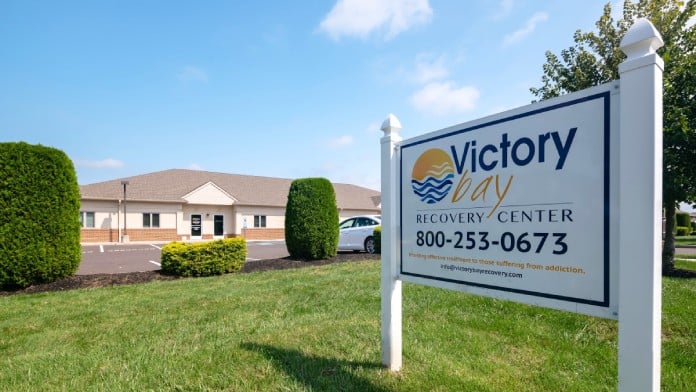
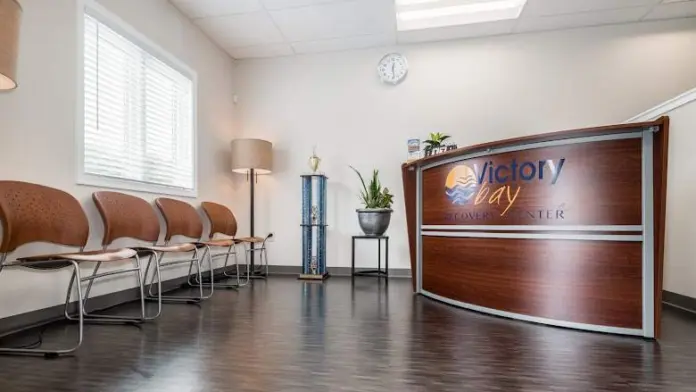
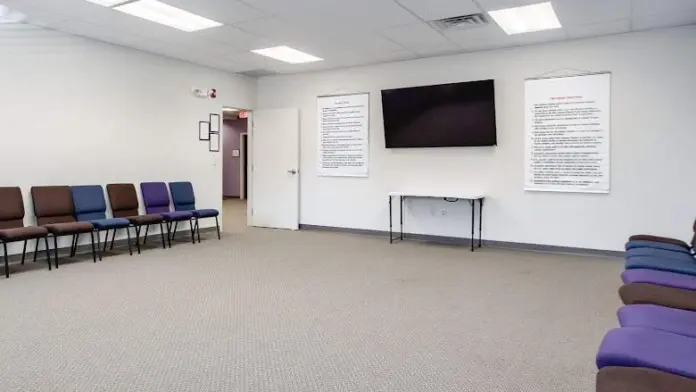
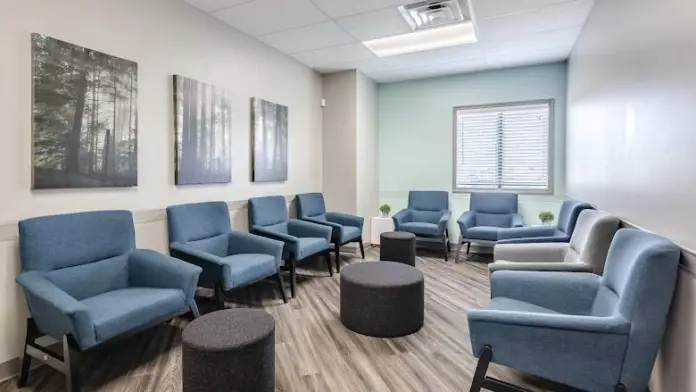
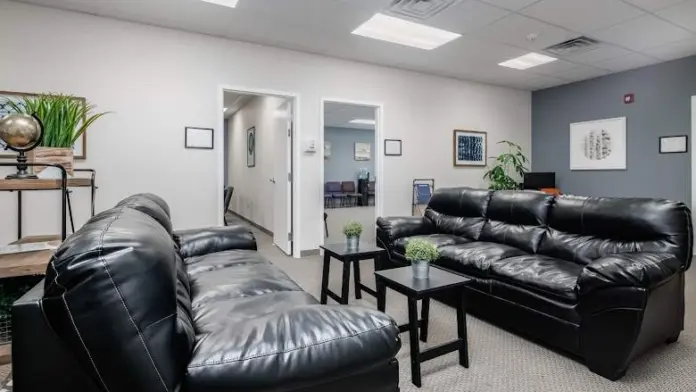
Accepted Insurance
Other Forms of Payment
Private insurance refers to any kind of healthcare coverage that isn't from the state or federal government. This includes individual and family plans offered by an employer or purchased from the Insurance Marketplace. Every plan will have different requirements and out of pocket costs so be sure to get the full details before you start treatment.
Self-pay involves paying for treatment out of your own pocket. You can use savings or credit, get a personal loan, or receive help from family and friends to fund your treatment. If you don't have insurance or your insurance plan doesn't cover a specific program, self-pay can help ensure you still get the care you need.
Medicaid is a state based program that helps lower-income individuals and families pay for healthcare. Medicaid covers addiction treatment so those enrolled can use their coverage to pay for rehab. When a program accepts Medicaid the client often pays very little or nothing out of their own pocket.
Medicare is a federal program that provides health insurance for those 65 and older. It also serves people under 65 with chronic and disabling health challenges. To use Medicare for addiction treatment you need to find a program that accepts Medicare and is in network with your plan. Out of pocket costs and preauthorization requirements vary, so always check with your provider.
Addiction Treatments
Levels of Care
This treatment is usually combined with other treatment methods or as follow-up support. Therapy and counseling along with once a week group, can help you identify the root cause of your drug use, repair relationships and learn healthier coping skills. Treatment includes behavioral therapy, group or individual therapy, and family counseling, as well as didactic educational session
Clients often enter inpatient rehab following detox, but they may also enroll during early recovery or at an increased risk of relapse. Inpatient rehabs provide housing, meals, and intensive clinical supervision, allowing clients to focus exclusively on their recovery in a highly structured and supportive environment. Clients typically receive multiple individual, group, and/or family therapy sessions weekly. Many programs also offer extensive addiction education and recovery-focused life skills training. Integrative inpatient rehabs provide holistic therapies as well.
IOP is the level of care that is provided after Partial Care. While Partial Care mandates group therapy five days a week, IOP group therapy sessions can be held as little as 2 days a week. While in IOP, it is common that a person will be working a part time job or going to school. IOP schedules can be very flexible, allowing each person to work their personal life around their therapy. Commonly, a person will still be going to IOP when they are a resident in a sober living home. Rather being spit right back into life with a few coping skills, IOP creates a smooth transition from treatment to full time work or school.
Clients in a rehab aftercare program have typically completed detox and intensive inpatient and are medically stable. These programs are designed to address addiction recovery as a life-long process. Outpatient counseling and recovery education are typically categorized as drug rehab aftercare, but many clients continue to receive support after being discharged from formal outpatient treatment. Case managers and recovery teams facilitate clients' access to peer coaching, career counseling, 12 step program induction, and related services.
12-step programs are addiction recovery models based on Alcoholics Anonymous (AA). A number of substance abuse programs (including some drug and alcohol rehab centers) use the 12 steps as a basis for treatment. Beginning steps involve admitting powerlessness over the addiction and creating a spiritual basis for recovery. Middle steps including making direct amends to those who've been hurt by the addiction, and the final step is to assist others in addiction recovery in the same way. 12-Step offshoots including Narcotics Anonymous (NA), Cocaine Anonymous (CA), Dual Recovery Anonymous (DRA), Sex and Love Addicts Anonymous (SLAA) and Gamblers Anonymous (GA).
Sober housing is a stable, alcohol and drug free living environment that can improve the chances of recovery through sustained abstinence during and following outpatient or residential substance abuse treatment. Sober houses have staff supervision, perform periodic urine drug testing while emphasizing attendance at 12-step meetings and group meetings.
A drug intervention in New Jersey is more than a confrontational conversation. This organized effort is specific and goal-oriented. During the intervention, family members share specific examples of how the person's addiction has impacted their lives and spell out what they will do if the individual does not get treatment. The intervention also presents a clear treatment plan, which typically involves input from intervention services.
A partial hospitalization program (PHP) is a short-term, intensive outpatient option designed for those with moderate to severe addictions who don't require 24-hour care. PHP treatment is often fully covered by insurance and provides structured programming (i.e. individual and group therapy). A typical partial hospitalization program can meet 3-5 days a week for a minimum of 20 hours, offering intensive treatment during the day while allowing you to return home after. PHP treatment duration can vary based on your progress but averages 90 days.
24-hour clinical care in New Jersey provides a setting where you can withdraw from alcohol or drugs under close monitoring of experienced medical staff. These trained professionals can intervene at any time if needed. They can prescribe medications to reduce cravings and physical discomfort. Mental health professionals are also available to address any emotional and psychological challenges you experience as you begin your recovery journey.
Drug and alcohol addiction often takes a heavy toll on one's body. Over time, a physical dependence can develop, meaning the body physiologically needs the substance to function. Detox is the process of removing drugs and/or alcohol from the body, a process that can be lethal if mismanaged. Medical detox is done by licensed medical professionals who monitor vital signs and keep you safe, healthy, and as comfortable as possible as you go through detox and withdrawal.
Telehealth is a real-time communication between you and your physician via telecommunications equipment. This might involve a video call, phone call, or medical app. It may also include the transmission of medical information via sharing technology.
Treatments
A combined mental health and substance abuse rehab has the staff and resources available to handle individuals with both mental health and substance abuse issues. It can be challenging to determine where a specific symptom stems from (a mental health issue or an issue related to substance abuse), so mental health and substance abuse professionals are helpful in detangling symptoms and keeping treatment on track.
Alcoholism (alcohol use disorder) is diagnosed when a person's drinking causes harm or distress and they continue to drink anyway. Often, they have a physical as well as psychological dependence on the substance. To treat alcohol addiction, medical detox is often necessary to safely withdraw from alcohol. Once this is complete, alcohol rehab in New Jersey can provide skills and supports necessary for long-term recovery.
Drug rehab in New Jersey is the process of addressing the complex issues involved with addiction. Challenges are identified and addressed through individual and group counseling. Participants learn how to manage these issues without the use of substances.
You can find comprehensive substance abuse treatment in New Jersey in drug and alcohol rehabs. These treatment programs typically provide a full continuum of care including medically assisted detox, inpatient, outpatient, dual-diagnosis, and intensive outpatient. With a comprehensive substance abuse evaluation, addiction experts provide individualized treatment plans to meet your specific needs. These programs address substance use disorders using evidence-based therapies, like cognitive behavioral therapy (CBT) and dialectical behavioral therapy (DBT), individual and family counseling, and recovery support groups.
Mental health often overlooked, but it's a critical component of addiction treatment and recovery. Mental health disorders can significantly impact your quality of life, relationships, and ability to function on a daily basis. Mental health conditions - depression, anxiety, bipolar disorder - and addiction require specialized treatment just like any other physical illness. When people have a mental health disorder and an addiction simultaneously, dual diagnosis treatment is essential.
Programs
Adult rehab programs include therapies tailored to each client's specific needs, goals, and recovery progress. They are tailored to the specific challenges adult clients may face, including family and work pressures and commitments. From inpatient and residential treatment to various levels of outpatient services, there are many options available. Some facilities also help adults work through co-occurring conditions, like anxiety, that can accompany addiction.
Young adulthood can be an exciting, yet difficult, time of transition. Individuals in their late teens to mid-20s face unique stressors related to school, jobs, families, and social circles, which can lead to a rise in substance use. Rehab centers with dedicated young adult programs will include activities and amenities that cater to this age group, with an emphasis on specialized counseling, peer socialization, and ongoing aftercare.
Recovery is most successful when clients feel accepted and validated by their peers and treatment providers. Facilities that offer LGBTQ-inclusive programming are committed to creating a safe space where everyone can grow and recover without fear of judgment or discrimination. They will have dedicated policies in place to create a safe and supportive environment that fosters free expression.
Teen programs are designed to address the unique pressures teens face, pressures that can drive them to experiment with dangerous, addictive substances. They need programs that meet them exactly where they are and give them tools for long-term recovery. Therapy can help teenagers understand and work through underlying issues so they can reclaim the life ahead of them.
Clinical Services
Cognitive Behavioral Therapy (CBT) is a therapy modality that focuses on the relationship between one's thoughts, feelings, and behaviors. It is used to establish and allow for healthy responses to thoughts and feelings (instead of unhealthy responses, like using drugs or alcohol). CBT has been proven effective for recovering addicts of all kinds, and is used to strengthen a patient's own self-awareness and ability to self-regulate. CBT allows individuals to monitor their own emotional state, become more adept at communicating with others, and manage stress without needing to engage in substance abuse.
Dialectical Behavior Therapy (DBT) is a modified form of Cognitive Behavioral Therapy (CBT), a treatment designed to help people understand and ultimately affect the relationship between their thoughts, feelings, and behaviors. DBT is often used for individuals who struggle with self-harm behaviors, such as self-mutilation (cutting) and suicidal thoughts, urges, or attempts. It has been proven clinically effective for those who struggle with out-of-control emotions and mental health illnesses like Borderline Personality Disorder.
Group therapy settings offer you a diverse perspective on addiction and recovery. People from a variety of backgrounds gather together to discuss their challenges and speak openly and in a nonjudgmental atmosphere. This enriches your experience and your understanding of addiction and recovery.
During individual therapy for drug addiction, patients receive a customized and tailored approach to understanding their unique circumstances and providing them with targeted interventions. These include coping skills, relapse prevention plans, and developing resilience, all of which are essential for long term recovery.
Motivational interviewing helps clients find their motivation to change. It can be an effective method to work with clients who are angry or hostile or feel insecure about their ability to make changes in their lives. It is often used during addiction treatment or to manage physical health conditions.
Trauma therapy provides a structure to approach healing from past traumatic events that you may have witnessed or experienced. Your therapist will work with you to identify and process these memories. This helps promote a sense of safety and stability and helps you heal emotionally.
Most experts in couples therapy are trained in several modes of treatment. This allows your therapist to draw from various techniques to personalize your therapy for your needs. This may include cognitive, emotional, and behavioral methods, which are all designed to help you strengthen your relationship.
EMDR is a therapeutic modality originally developed to help process trauma. In an EMDR session, a patient is prompted to undergo eye movements that mimic those of REM sleep. This is accomplished by watching a therapist's finger move back and forth across, or following a bar of light. The goal is repetitive sets of eye movements that help the brain reprocess memory, which can significantly reduce the intensity of remembered traumatic incidents. Associated memories can heal simultaneously, leaving patients significantly calmer, more stable, and more emotionally relaxed.
Family therapy sessions address addiction related conflicts and other issues between members of the family unit. By strengthening communication and coping skills, as well as creating a nurturing environment, the family can help support their loved one's recovery.
Building life skills allows you to demolish negative patterns of behavior and build new, healthy patterns. By building new thought processes, coping strategies, and behaviors, you establish a solid foundation for recovery.
Nutrition therapy, aka medical nutrition therapy (MNT), is a way of treating physical, emotional, and medical conditions through diet. Specific dietary plans are designed by professional nutritionists or registered dietitians, and patients follow them in order to positively affect their physical and mental health.
Recreational therapy is a dynamic approach to addiction treatment in New Jersey. It integrates activities like music therapy, team sports, and gardening so you have a therapeutic outlet for your emotions and stress. This improves your physical and mental health and helps you develop new skills to support a sober lifestyle.
Amenities
-
 Private Transportation
 -
 Gym
Gym -
 Yoga Studio
 -
 Wifi
Wifi -
 Residential Setting
 -
 Private Rooms
 -
 Basketball Court
Staff & Accreditations
Staff

Leslie Madrak, DO
Psychiatrist–Medical Director
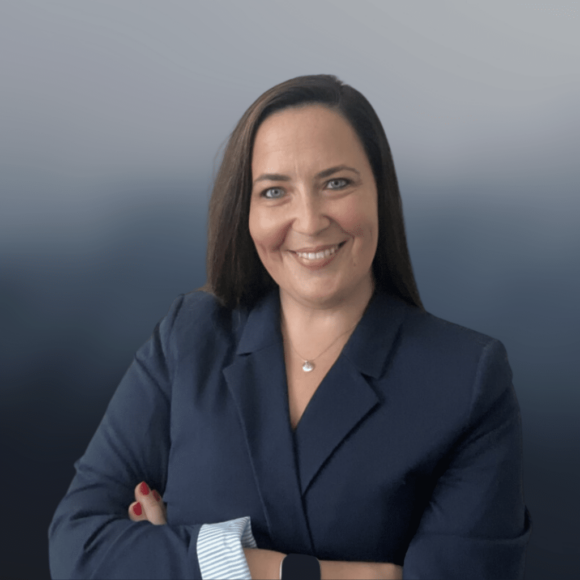
Kiersten Pennington, LCSW
Regional Clinical Director

Gabrielle Skinner, LPC
Clinical Supervisor
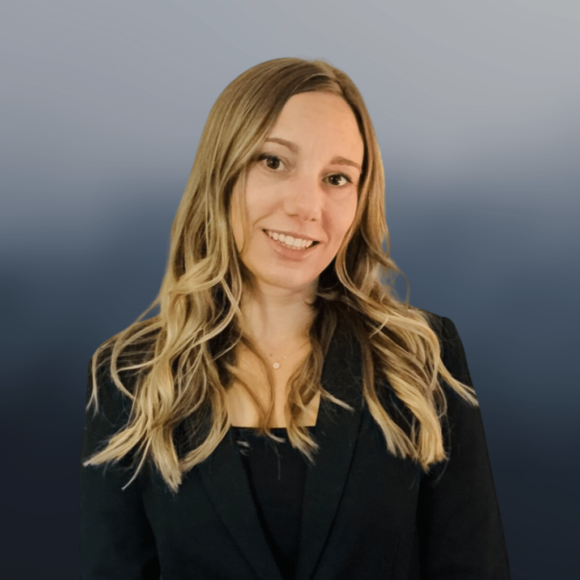
Samantha Burns, LPC
Clinical Supervisor
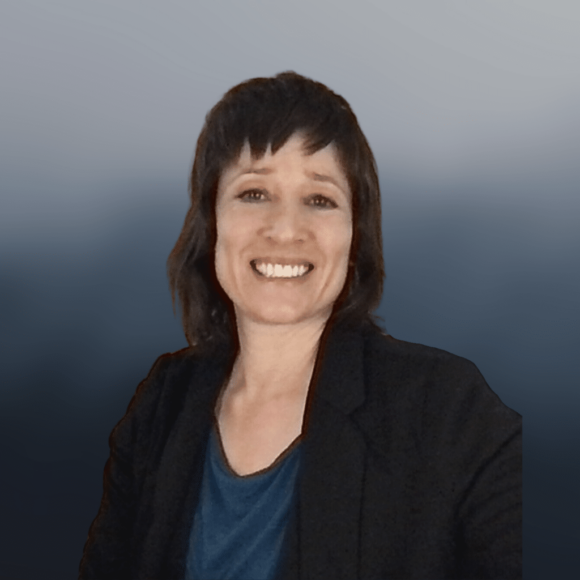
Heidi Seekins, LMHC
Clinical Supervisor

Matthew Wolf
Director of Operations
Accreditations

LegitScript has reviewed Victory Bay as part of their certification program, and has determined that it meets the LegitScript standards for legality, safety and transparency.
LegitScript verified in

State Licenses are permits issued by government agencies that allow rehab organizations to conduct business legally within a certain geographical area. Typically, the kind of program a rehab facility offers, along with its physical location, determines which licenses are required to operate legally.
State License: New Jersey

The Joint Commission, formerly known as JCAHO, is a nonprofit organization that accredits rehab organizations and programs. Founded in 1951, the Joint Commision's mission is to improve the quality of patient care and demonstrating the quality of patient care.
Joint Commission Accreditation: Yes

The National Association of Addiction Treatment Providers (NAATP) is a professional association that represents organizations in the field of addiction services. Founded in 1978, NAATP's mission is to advance addiction services and ensure that high-quality addiction treatment is available and accessible.
NAATP Member: Yes
Rehab.com regularly reviews this listing for accuracy but changes may occur between updates. For the most up-to-date information, please contact Victory Bay.
Contact Information

1395 Chews Landing Rd.
Clementon, NJ 08021
Get Help Now - 856-460-9043
Sponsored Helpline
Sponsored Helpline


