






























































































The staff is the nicest! I would 100% recommend this place for your recovery and your mental health; this place will take you to the right place in life.
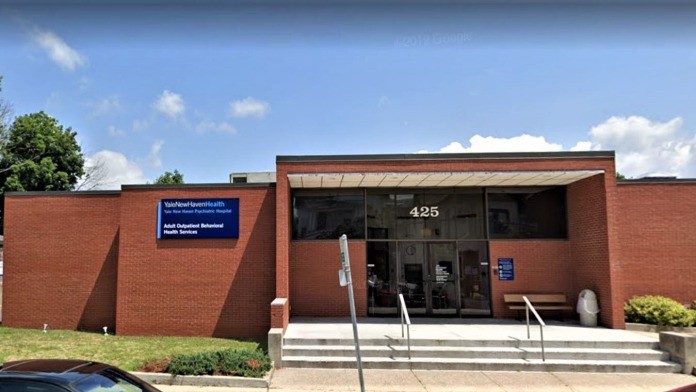
About Adult Outpatient Psychiatric Services – New Haven
Treatment is available for co-occurring disorders, personality disorders, family or interpersonal conflicts, mood disorders, anxiety disorders and chronic suicidal ideation. Referrals can come from outpatient mental health providers as well as a hospital stay.
Participants in their program attend treatment three to four times a week for four hours a day. Treatment has three primary tracks. Individuals with general mood or anxiety disorders are eligible for their general adult track. For patients with dual diagnoses of substance abuse and mental health disorders there is a dual diagnosis program. Patients with severe personality disorders such as borderline personality disorder are the main target audience for their dialectical behavioral track. To help patients safely manage their psychiatric or co-occurring disorders, they provide crisis intervention and case management services.
Cognitive behavioral groups are offered, with an emphasis on relapse prevention and the ongoing improvement of coping and problem solving techniques. They offer group therapy that focuses on interpersonal issues that are known to exacerbate co-occurring disorders or persistent psychiatric issues. In order to help patients become more committed to altering problematic behaviors they provide psychoeducational groups.
They can also provide medication assisted treatment if needed. They provide medication consultation to community psychiatrists and other physicians prescribing pharmacologic treatments.
To establish transition plans that support patients optimal functioning and to facilitate an integrated approach, they provide discharge planning. Staff collaborate with the patients, their families and community agencies to create a suitable plan for ongoing support.

Rehab Score
 Our Methodology
Scoring is assigned by a proprietary system which helps surface key metrics that determine quality. The 10-point scale factors in categories such as operations, customer satisfaction, and trust metrics. Read Full Methodology

5.3 / 10
Gallery
Other Forms of Payment
Medicaid is a state based program that helps lower-income individuals and families pay for healthcare. Medicaid covers addiction treatment so those enrolled can use their coverage to pay for rehab. When a program accepts Medicaid the client often pays very little or nothing out of their own pocket.
Private insurance refers to any kind of healthcare coverage that isn't from the state or federal government. This includes individual and family plans offered by an employer or purchased from the Insurance Marketplace. Every plan will have different requirements and out of pocket costs so be sure to get the full details before you start treatment.
Self-pay involves paying for treatment out of your own pocket. You can use savings or credit, get a personal loan, or receive help from family and friends to fund your treatment. If you don't have insurance or your insurance plan doesn't cover a specific program, self-pay can help ensure you still get the care you need.
Financial aid can take many forms. Centers may have grants or scholarships available to clients who meet eligibility requirements. Programs that receive SAMHSA grants may have financial aid available for those who need treatment as well. Grants and scholarships can help you pai for treatment without having to repay.
Medicare is a federal program that provides health insurance for those 65 and older. It also serves people under 65 with chronic and disabling health challenges. To use Medicare for addiction treatment you need to find a program that accepts Medicare and is in network with your plan. Out of pocket costs and preauthorization requirements vary, so always check with your provider.
Military members, veterans, and eligible dependents have access to specific insurance programs that help them get the care they need. TRICARE and VA insurance can help you access low cost or no cost addiction and mental health treatment. Programs that accept military insurance often have targeted treatment focused on the unique challenges military members, veterans, and their families face.
Addiction Treatments
Levels of Care
Outpatient Programs (OP) are for those seeking mental rehab or drug rehab, but who also stay at home every night. The main difference between outpatient treatment (OP) and intensive outpatient treatment (IOP) lies in the amount of hours the patient spends at the facility. Most of the time an outpatient program is designed for someone who has completed an inpatient stay and is looking to continue their growth in recovery. Outpatient is not meant to be the starting point, it is commonly referred to as aftercare.
Intensive outpatient programs (IOP) offer robust support for clients who are at an elevated risk of relapse, including those in early recovery and those in crisis. Clients in intensive outpatient treatment typically receive between nine and 20 hours of service per week, with the intensity and frequency of treatment decreasing as clients stabilize. The services provided in these programs vary, but generally include addiction counseling, recovery-focused life skills training, medication assisted treatment (MAT), and holistic therapies.
Treatments
Many of those suffering from addiction also suffer from mental or emotional illnesses like schizophrenia, bipolar disorder, depression, or anxiety disorders. Rehab and other substance abuse facilities treating those with a dual diagnosis or co-occurring disorder administer psychiatric treatment to address the person's mental health issue in addition to drug and alcohol rehabilitation.
Mental health rehabs focus on helping individuals recover from mental illnesses like bipolar disorder, clinical depression, anxiety disorders, schizophrenia, and more. Mental health professionals at these facilities are trained to understand and treat mental health issues, both in individual and group settings.
Programs
Adult rehab programs include therapies tailored to each client's specific needs, goals, and recovery progress. They are tailored to the specific challenges adult clients may face, including family and work pressures and commitments. From inpatient and residential treatment to various levels of outpatient services, there are many options available. Some facilities also help adults work through co-occurring conditions, like anxiety, that can accompany addiction.
Young adulthood can be an exciting, yet difficult, time of transition. Individuals in their late teens to mid-20s face unique stressors related to school, jobs, families, and social circles, which can lead to a rise in substance use. Rehab centers with dedicated young adult programs will include activities and amenities that cater to this age group, with an emphasis on specialized counseling, peer socialization, and ongoing aftercare.
Clinical Services
According to cognitive behavioral therapy in Connecticut, individuals can change their behaviors by changing their thoughts. Applied to substance use disorder, this can be an effective treatment method to help patients transform their thoughts and lives.
Group therapy is any therapeutic work that happens in a group (not one-on-one). There are a number of different group therapy modalities, including support groups, experiential therapy, psycho-education, and more. Group therapy involves treatment as well as processing interaction between group members.
Staff
Christopher M. O’Connor, FACHE
CEO, Yale New Haven Health
Pamela Sutton-Wallace, MPH
President, Yale New Haven Health
Katherine Heilpern, MD, FACEP
President, Yale New Haven Hospital
William J. Aseltyne, Chief of Staff & General Counsel
Executive VP
Rehab.com regularly reviews this listing for accuracy but changes may occur between updates. For the most up-to-date information, please contact Adult Outpatient Psychiatric Services – New Haven.
Contact Information

425 George Street
New Haven, CT 06511
Get Help Now - 860-264-6018
Sponsored Helpline
Sponsored Helpline


