For people researching mental health treatment options, the findings highlight a growing gap between public interest in psychedelics and access to supervised, evidence-based care.
The analysis, published in the American Journal of Preventive Medicine Focus, draws from the 2024 National Survey on Drug Use and Health, which collected responses from roughly 58,000 people ages 12 and older.
Who Is Using Psilocybin and Why It Matters
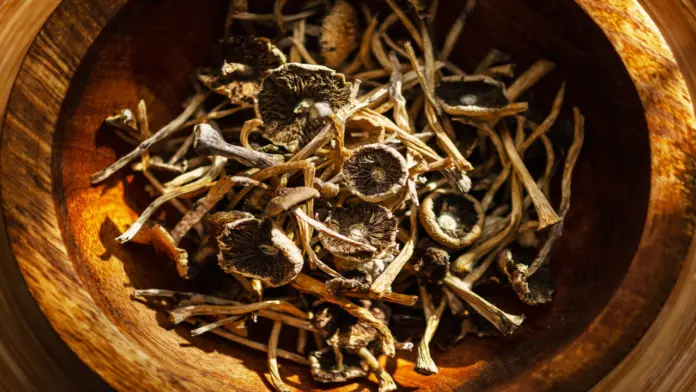
Researchers from the University of Illinois Urbana-Champaign found that psilocybin users were more likely to be white, male, younger, and more financially well-off than nonusers.
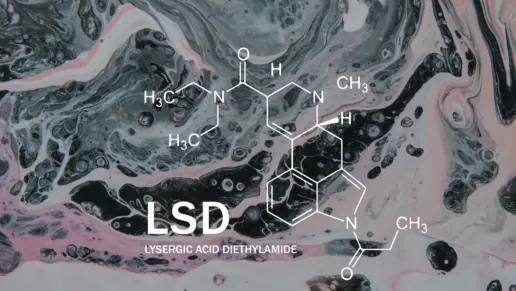
Users were also more likely to report using other substances, including alcohol, cocaine, ecstasy, ketamine, LSD, marijuana and several other hallucinogens and stimulants.
Lead researcher Andrew Yockey said the goal was to understand not just how common psilocybin use is, but what risk factors travel alongside it.
Co-author Rachel Hoopsick noted that interest in psilocybin has grown alongside loosened federal restrictions on clinical trials and state-level decriminalization efforts, even though the substance remains a Schedule I controlled substance federally.
Poly-Substance Use Raises Treatment Concerns
One of the study’s key findings is that psilocybin use rarely happens in isolation. Many users reported also using other mind-altering substances, a pattern researchers describe as “poly-substance use.”
Yockey cautioned that combining substances, for example, psilocybin with ketamine, carries risks that aren’t well understood, including potential poisoning or unintentional overdose.
This is an area where treatment providers offering co-occurring disorder programs may see growing demand, since addressing one substance without screening for others can leave gaps in care.
Interestingly, the study found that people who reported heroin use were significantly less likely to also use psilocybin, a pattern Hoopsick attributed to the different reasons people turn to each substance.
Why Most Use Happens Outside Clinical Settings
A major theme in the research is that most psilocybin use is happening outside of medically supervised environments. Hoopsick noted that without clinical oversight, users typically don’t know the dose, potency, or source of what they’re taking, which can lead to unpredictable effects.
This matters for anyone considering psilocybin-assisted therapy as part of a broader mental health treatment plan. Supervised settings, such as clinical trials or licensed treatment programs offering medication-assisted treatment (MAT) alongside counseling, provide dosage control, medical monitoring, and integration support that unsupervised use cannot.
Cost Remains a Major Barrier
According to Yockey, the average cost of psychedelic-assisted therapy can run as high as $6,500, and many insurance plans do not cover it.
He pointed out that this pricing likely explains why psilocybin users in the study tended to have higher incomes, those who can afford supervised options are more likely to access them, while others may turn to unsupervised use instead.
Comparing Survey Findings
A separate study, the 2025 RAND Psychedelics Survey, estimated an even higher number, about 11 million U.S. adults using psilocybin in the past year, with many reporting “microdosing.”
Researchers note that the NSDUH survey likely undercounts actual use, since it relies on self-reporting and excludes incarcerated, institutionalized and unsheltered populations.
What This Means for Treatment Seekers
For people exploring mental health treatment or addiction treatment, this research underscores the importance of disclosing all substance use to providers, including psilocybin or other psychedelics, even if use occurred outside a clinical setting.
It also highlights why cost and insurance coverage remain central barriers to accessing supervised psychedelic-assisted therapy, and why poly-substance use screening is an important part of a comprehensive treatment plan.
Exploring Treatment Options
If you or someone you know is navigating substance use alongside interest in emerging therapies like psilocybin-assisted treatment, working with a licensed provider matters. Steps to consider include:
- Comparing rehab centers that offer co-occurring disorder and poly-substance use treatment
- Understanding insurance coverage for addiction treatment and mental health treatment before starting any program
- Asking about evidence-based therapies, including medically supervised approaches to psychedelic-assisted treatment where available
- Verifying that any facility holds proper licensing and medical oversight credentials
Rehab.com’s directory offers thousands of verified rehab centers where you can start your recovery. Call
800-985-8516
(  Sponsored Helpline )
to speak with a treatment advisor.
Sponsored Helpline )
to speak with a treatment advisor.