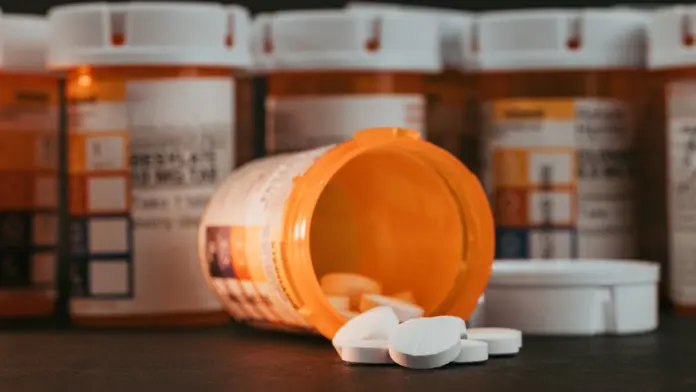
The findings carry direct implications for anyone navigating opioid use disorder, whether they’re researching addiction treatment for themselves or a loved one.
What Pill Mill Laws Actually Do
Pill mill control laws target a specific and well-documented problem: a small number of clinics and providers responsible for a disproportionately large share of opioid prescriptions.
In Florida, just 4% of prescribers were responsible for 40% of opioid prescriptions. In Philadelphia, 1% of providers wrote 25% of all opioid prescriptions.
To address this, 11 states adopted pill mill control laws that either raise the qualifications for clinic ownership and practice, enhance oversight of clinic operations, or both.
The new study, published in The Journal of Public Economics, is among the most comprehensive examinations of these laws to date.
What the RAND-Penn Study Found
Researchers found that states with pill mill control laws saw decreases in total opioid prescribing, overprescribing, and doctor shopping among Medicare beneficiaries.
Doctor shopping, where patients visit multiple providers to obtain additional prescriptions, is a key indicator of prescription drug misuse.
Critically, the mortality reductions observed outpaced the overall reduction in prescribing. This pattern shows that the laws successfully targeted inappropriate opioid access rather than overall opioid prescribing in a state.
The economic mechanics behind pill mills also came under scrutiny. Overprescribing in problematic pain clinics is driven by profit motive, which increases when opioids are both prescribed and dispensed by the same provider.
The research found that pill mill control laws reduced opioid shipment quantities to practitioners by 74%, with additional large reductions in the volume of opioids dispensed directly by providers to patients.
Did These Laws Drive Patients to Street Drugs
One of the most persistent concerns about cracking down on prescription opioids is that patients cut off from prescriptions may turn to illicit substances like heroin or fentanyl, worsening addiction treatment outcomes rather than improving them.
This study directly addressed that concern. Unlike prior research, the mortality findings suggest that pill mill control laws do not create such unintended consequences. The data indicates these laws succeeded at reducing harmful prescribing without pushing patients into the illicit market.
That distinction matters enormously for addiction treatment providers and the people they serve. Policies that target rogue prescribers, rather than imposing blanket limits on all pain management, appear to carry far fewer risks for patients with legitimate needs.
Why This Research Matters Now for Addiction Treatment
Even as overdose deaths have begun to decline, the study’s authors argue that prescription opioids remain a relevant entry point into addiction.
LDI Senior Fellow David Powell noted that while most overdose deaths now involve illicit opioids, inappropriate prescribing may still operate as an important pathway to illicit opioid use, meaning that identifying and shutting down pill mills will continue to curb overdose rates.
The authors conclude that policies targeting high-risk pain management practices, rather than blanket prescribing limits, may be more effective at reducing harmful prescribing while minimizing the risk of patients shifting to illicit drug use.
Despite this evidence, pill mill control laws have not been widely adopted, in part because they are often opposed by physician organizations and require resources from law enforcement, state medical boards, and health agencies.
What This Means for Treatment Seekers
If you or someone you love is struggling with opioid use disorder, this research underscores an important reality: the pipeline from overprescribing to addiction is well-documented and policy efforts to close it are working in states that have acted.
For those already in addiction, evidence-based treatment options, including medication-assisted treatment (MAT) with buprenorphine or methadone, remain the standard of care regardless of how opioid use began. Understanding your treatment options and insurance coverage for rehab is a critical first step toward recovery.
Finding the Right Rehab
If opioid use disorder is affecting your life or a family member’s, now is the time to explore evidence-based addiction treatment.
Key steps include comparing accredited rehab centers in your area, verifying that facilities offer MAT and co-occurring mental health treatment and confirming your insurance coverage for addiction treatment.
You can explore Rehab.com’s directory to discover thousands of verified rehab centers across the country. Call
800-985-8516
(  Sponsored Helpline )
to speak with a treatment advisor who can help you find the right level of care.
Sponsored Helpline )
to speak with a treatment advisor who can help you find the right level of care.