





























































































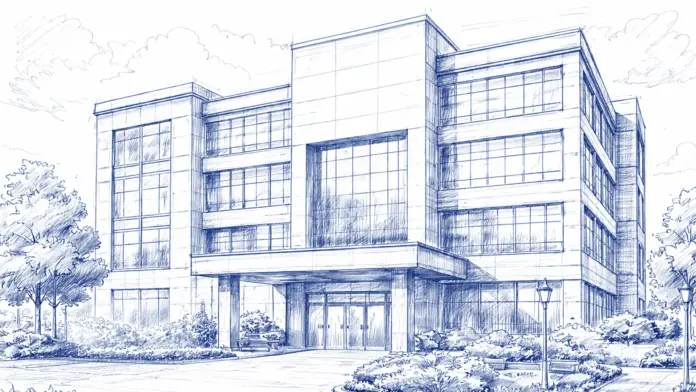
About A Better Life Treatment
A Better Life Treatment is an outpatient drug and alcohol rehab in Marietta, Georgia providing structured substance use treatment for individuals seeking recovery while maintaining their daily responsibilities.
The program offers a continuum of outpatient care, including partial hospitalization, intensive outpatient and standard outpatient services.
A Better Life Treatment focuses on individualized, evidence based care that addresses the root causes of addiction.
Intensive Outpatient Care
Clients may begin with a personalized assessment to determine the right level of care, from PHP for those needing intensive daily support to IOP for individuals stepping down from higher care or requiring more than traditional outpatient therapy.
IOP typically includes 9 to 15 hours of treatment per week, with flexible day and evening groups.
Programs combine therapy, using evidence based approaches such as cognitive behavioral therapy, dialectical behavioral therapy and trauma informed care.
Clients also receive relapse prevention education, life skills training and medication management when necessary.
Quick Facts
- Location: Terrell Mill Road in Marietta, Georgia in the metro Atlanta area
- Levels of care: PHP and IOP, standard outpatient and online IOP
- Who they treat: Adults, with specialized tracks for professionals and men.
- Approach: Evidence based and individualized, including CBT, DBT and trauma informed care
- Payment options: Accepts most major insurance plans with benefit verification available
- Support services: Family counseling, group therapy and relapse prevention
Latest Reviews



Rehab Score
 Our Methodology


Location
Addiction Treatments
Levels of Care
Outpatient rehab enables clients to receive addiction treatment while continuing to work and reside at home. Many programs offer evening, night, and weekend services so that clients may receive treatment on their own schedule. Outpatient treatment modalities typically include addiction counseling, recovery-focused life skills training, and/or medication assisted treatment (MAT). Many programs also provide step-down care, including partial hospitalization (PHP), intensive outpatient (IOP), and standard outpatient services, to align with clients' evolving needs.
Inpatient rehabs feature intensive clinical supervision and a highly structured and supportive environment, meaning they are especially well suited for clients in early recovery and those at risk of relapse. Clients reside at the treatment facility and engage in various therapeutic sessions throughout the day, including addiction counseling and recovery-focused life skills training. Many programs also offer evidence-based complementary therapies, such as meditation and massage.
Clients enrolled in an intensive outpatient program (IOP) travel to treatment centers for specialized care multiple times per week. Intensive outpatient treatment allows clients to receive robust care while continuing to live at home. Most programs require between nine and 20 treatment hours per week, with the frequency and intensive of sessions decreasing as clients stabilize. Services generally include a combination of addiction counseling, medication assisted treatment (MAT), recovery-focused life skills training, and holistic therapies.
Sober living homes in Georgia offers an alternative to the abrupt change of moving from intensive treatment to an unstructured home environment. Men's and women's sober living homes replicate everyday life situations, but they do so in a sober environment while also reinforcing healthy habits. This reduces the chance of relapse. Individuals who could use extra support after rehab or don't have a stable home environment can benefit from this transitional option.
A drug intervention in Georgia is designed to encourage an individual to get the treatment they need. This effort aims to break through resistance and motivate the individual to get help. The process typically involves loved ones sharing their concerns with the individual and how their substance use has affected those who care about them. A professional interventionist can help guide this conversation and explain from the clinical side how treatment can be beneficial.
Treatments
Alcoholism is a pattern of alcohol use that involves continued drinking even when it causes problems. Alcoholism is also characterized by a physical dependence on alcohol, which causes the body to experience withdrawal symptoms when alcohol is not present. Due to this physical dependence, medically-supervised detox is often necessary to safely recover from alcoholism. Alcohol rehab in Georgia offers a three-step process of detox, rehab, and maintenance to help individuals recover from alcohol addiction.
A quality drug rehab in Georgia can help you overcome addiction. This environment is designed to help you address the complex issues contributing to drug dependence. The goal of treatment is to give you the tools you need to make a full recovery.
Addiction treatment programs in Georgia help individuals to address substance abuse problems. With various programs available, including outpatient, inpatient, and partial hospitalization programs, you can find the right level of care for your specific needs. You can generally expect drug and alcohol rehab to incorporate evidence-based therapies, such as cognitive-behavioral therapy (CBT), skills training, recovery meetings, and mindfulness-based therapy. When combined, these interventions can successfully help you overcome addiction and continue to enjoy long-term mental health.
While in treatment for a substance use disorder, mental health services are provided, and you have access to a mental health counselor or therapist round the clock. Clinical staff constantly monitor your care, and you receive a number of mental health therapies including individual and group counseling, relapse prevention education, and coping skills training. Other mental health offerings will vary by rehab.
Programs
Adult rehab programs include therapies tailored to each client's specific needs, goals, and recovery progress. They are tailored to the specific challenges adult clients may face, including family and work pressures and commitments. From inpatient and residential treatment to various levels of outpatient services, there are many options available. Some facilities also help adults work through co-occurring conditions, like anxiety, that can accompany addiction.
Young adulthood can be an exciting, yet difficult, time of transition. Individuals in their late teens to mid-20s face unique stressors related to school, jobs, families, and social circles, which can lead to a rise in substance use. Rehab centers with dedicated young adult programs will include activities and amenities that cater to this age group, with an emphasis on specialized counseling, peer socialization, and ongoing aftercare.
Clinical Services
People in Georgia find that group therapy offers a place to share responsibility for each other's recovery. This helps foster a collective commitment to sobriety, which increases your potential for success and creates a network of mutual support that often follows into personal friendships.
Men and women in Georgia may experience Motivational Interviewing techniques while undergoing individual therapy for drug and alcohol addiction treatment. This approach helps you explore how you feel about drug use and it strengthens your commitment to maintaining treatment. It is particularly useful in the early stages of recovery.
During family therapy sessions in Georgia, members address the emotional toll that addiction has had on them. Therapists help your family develop coping strategies and improve the family unit's communication. This provides a stable environment that supports the recovery process.
The skills you learn in couples therapy are designed to help you successfully address relationship challenges as they arise. These skills can include anger management, conflict resolution, communication, and problem solving.
By incorporating recreational therapy into an addiction treatment program in Georgia, you learn to discover new interests and develop health and healthy coping mechanisms. Activities could include painting, group sports, or yoga. These encourage social interaction and support your physical fitness, which are vital factors in a successful recovery journey.
Addiction treatment and recovery focuses on identifying and addressing cognitive distortions that drive substance abuse and addiction. Rational behavior therapy promotes rational thinking and emotional resilience to help you reduce the risk of relapse.
Accreditations

The Substance Abuse and Mental Health Services Administration (SAMHSA) is a branch of the U.S. Department of Health and Human Services. Established in 1992 by congress, SAMHSA's mission is to reduce the impact of substance abuse and mental illness on American's communities.
SAMHSA Listed: Yes

LegitScript has reviewed A Better Life Treatment as part of their certification program, and has determined that it meets the LegitScript standards for legality, safety and transparency.
LegitScript verified in
Rehab.com regularly reviews this listing for accuracy but changes may occur between updates. For the most up-to-date information, please contact A Better Life Treatment.
Contact Information


1295 Terrell Mill Road
Suite 104
Marietta, Georgia 30067
Sponsored Helpline


