





























































































 Claimed


I have referred several individuals with whom I'm close to into Advanced Health & Education. From admission to discharge Advanced Health exemplifies professionalism. I'm very familiar with how treatment program work and Advanced Health is a gold standard in how it should be ...
About Advanced Health and Education
You’ll get a complete continuum of outpatient care alighted with your evolving needs including intensive outpatient programs (IOP) and general outpatient (OP) programs. Clients can expect evaluation by trained clinicians to diagnose their condition accurately and then provide an effective, customized recovery plan. If you need inpatient detox or higher intensity residential care they can refer you to a trusted provider.
I like that they offer a wide range of holistic treatment options in addition to individual, group, and family therapy. You can engage in yoga, meditation, somatic experiencing, mindfulness, aromatherapy, and other holistic practices. They also offer access to chiropractic care.
The chances of recovery are multiplied beyond simply abstaining from drinking or drug use when addressing behavioral factors. Personality disorders, panic attacks, and depression may be driving the desire to engage in harmful or illicit substances.
Their robust aftercare services ensure that you’re never without support even after your formal treatment ends. Alumni have access to private social media support groups for continued encouragement and peer coaching to help them stay on course.
Past clients have praised how they organize and run the group counseling sessions. Others have said that the staff made them feel loved.
Latest Reviews
This place quite literally saved my life. The therapists and group facilitators are all amazing; they truly care about your recovery and your well being. The entire staff is so friendly and always bring such positive energy to the facility. I will never forget the skills I learned here and the people I have met!
Your recognition of our therapists and group facilitators means a great deal. Clinical knowledge is important, but so is having people around you who genuinely care about your recovery, your well-being, and the person you’re becoming. We’re equally happy to hear that the friendliness and positive energy throughout the facility helped make your experience memorable.
And while our team may have helped guide and support you, you’re the one who showed up and did the work. Thank you for allowing Advanced Health & Education to be part of such an important chapter in your life. We hope the skills, relationships, and memories you’re taking with you continue to provide strength as you build the life ahead!
Response from the owner3 weeks ago
Knowing that your time here had such a profound impact on your life is incredibly meaningful to our entire team at Advanced Health Drug & Alcohol Rehab New Jersey, Jessica 🫶 Treatment is ultimately about helping people build something they can carry with them beyond the program, and we’re so glad the skills you developed and the connections you made have stayed with you.Your recognition of our therapists and group facilitators means a great deal. Clinical knowledge is important, but so is having people around you who genuinely care about your recovery, your well-being, and the person you’re becoming. We’re equally happy to hear that the friendliness and positive energy throughout the facility helped make your experience memorable.
And while our team may have helped guide and support you, you’re the one who showed up and did the work. Thank you for allowing Advanced Health & Education to be part of such an important chapter in your life. We hope the skills, relationships, and memories you’re taking with you continue to provide strength as you build the life ahead!
Staff were really sweet. Techs were great, I had no issues with clinical staff. Had some issues with groups, but there’s always room for improvement!
We also appreciate you mentioning the areas that didn’t fully meet your expectations. Feedback about group programming is valuable because there is always an opportunity to evaluate what’s working well and where the experience can be strengthened. Different people connect with different group topics, formats, and facilitation styles, and hearing directly from clients helps us continue looking for ways to improve.
Thank you for recognizing our staff while also offering constructive feedback. We’re grateful you spent this part of your journey with Advanced Health Drug & Alcohol Rehab New Jersey, and we wish you continued growth, healing, and success moving forward. 💙
Response from the owner3 weeks ago
Hi Alyssa 👋 We appreciate the candid feedback and the positive words about the people who supported you during your time at Advanced Health Drug & Alcohol Rehab New Jersey. It’s great to hear that our technicians made such a positive impression and that your experience with the clinical staff was a good one.We also appreciate you mentioning the areas that didn’t fully meet your expectations. Feedback about group programming is valuable because there is always an opportunity to evaluate what’s working well and where the experience can be strengthened. Different people connect with different group topics, formats, and facilitation styles, and hearing directly from clients helps us continue looking for ways to improve.
Thank you for recognizing our staff while also offering constructive feedback. We’re grateful you spent this part of your journey with Advanced Health Drug & Alcohol Rehab New Jersey, and we wish you continued growth, healing, and success moving forward. 💙
Group Facilitators — Earvin, Chris, and Brian
The group facilitators contributed significantly to my experience. Earvin, Chris, and Brian each brought their own personalities and approaches to group therapy.
Earvin's groups, in particular, were more emotionally challenging and encouraged deeper self-reflection. His groups often brought difficult or important subjects to the surface and encouraged participants to look honestly at themselves and the areas they wanted to work on.
Chris brought a somewhat more lighthearted approach to his groups, which I appreciated. After spending a long day discussing difficult and emotional topics, having a group that allowed people to relax while still learning and participating was a welcome balance.
Brian also brought his own perspective and approach to group therapy, contributing to the overall variety of the program.
Having different facilitators and different styles was beneficial because not every person responds to therapy and group discussions in the same way. I appreciated having opportunities for both deeper emotional work and lighter, more approachable discussions.
I want to be fair and transparent about this particular section because I did not personally work with Caitlyn as my clinician. My direct interactions with her were very limited, so I cannot speak to what it is like to have her as a primary clinician based solely on my own experience.
Several clients expressed that they felt dismissed, talked down to, or uncomfortable during their interactions with her. Again, these are their experiences rather than something I can personally verify, and I don't want to present their accounts as established facts. However, I think it is worth mentioning because clients in a mental health facility are often in an especially vulnerable position, and the way they are spoken to can have a significant impact on how safe and respected they feel.
I believe clinicians should be able to communicate difficult truths, challenge clients, and maintain professional boundaries while still speaking to people with patience, empathy, dignity, and respect.
I understand that not every clinician will be the right fit for every client, and a therapist does not have to agree with everything a client says. However, there is a meaningful difference between challenging someone therapeutically and making someone feel dismissed or talked down to.
My concern, however, is the communication style I personally observed. There is a meaningful difference between challenging someone therapeutically and making someone feel dismissed or talked down to. For constructive criticism, I would definitely encourage her to do some self reflection on how what she says, her tone, and when she says things to client could affect their treatment here.
Thank you AHE. Super grateful to you all!!!! OXOXO
:)- Bellaaaaaaaa
Your recognition of Earvin, Chris, and Brian means a great deal. Different facilitators naturally bring different strengths and personalities into the room, and you captured why that variety can be valuable. Some conversations may encourage deeper emotional work and honest self-reflection, while others can provide a lighter atmosphere without losing their therapeutic purpose. Not everyone connects with the same approach, so having multiple perspectives can help clients discover what resonates most with them.
We also appreciate the care you took in distinguishing your own observations from experiences shared with you by others. Regardless of therapeutic style, we want clients to feel that they are treated with dignity and respect, particularly when difficult subjects are being discussed. Constructive feedback about communication, tone, and how interactions may be experienced is important, and we take those concerns seriously as opportunities to reflect on the client experience and continue improving the care we provide.
Most of all, we’re grateful that you felt strongly enough about your time here to recognize the individuals who contributed to it while also offering thoughtful feedback about where the experience could be better. Thank you, Bella, for being part of the Advanced Health Drug & Alcohol Rehab New Jersey community. We wish you continued healing, growth, and plenty of reasons to keep smiling in the next chapter! 🫶
Response from the owner3 weeks ago
Thank you, Bella, for taking the time to share such a thoughtful and balanced reflection on your experience at Advanced Health Drug & Alcohol Rehab New Jersey 🙂 We’re especially glad that the variety within our group programming gave you different ways to engage, learn, and reflect throughout treatment.Your recognition of Earvin, Chris, and Brian means a great deal. Different facilitators naturally bring different strengths and personalities into the room, and you captured why that variety can be valuable. Some conversations may encourage deeper emotional work and honest self-reflection, while others can provide a lighter atmosphere without losing their therapeutic purpose. Not everyone connects with the same approach, so having multiple perspectives can help clients discover what resonates most with them.
We also appreciate the care you took in distinguishing your own observations from experiences shared with you by others. Regardless of therapeutic style, we want clients to feel that they are treated with dignity and respect, particularly when difficult subjects are being discussed. Constructive feedback about communication, tone, and how interactions may be experienced is important, and we take those concerns seriously as opportunities to reflect on the client experience and continue improving the care we provide.
Most of all, we’re grateful that you felt strongly enough about your time here to recognize the individuals who contributed to it while also offering thoughtful feedback about where the experience could be better. Thank you, Bella, for being part of the Advanced Health Drug & Alcohol Rehab New Jersey community. We wish you continued healing, growth, and plenty of reasons to keep smiling in the next chapter! 🫶

Rehab Score
 Our Methodology
Scoring is assigned by a proprietary system which helps surface key metrics that determine quality. The 10-point scale factors in categories such as operations, customer satisfaction, and trust metrics. Read Full Methodology

8.3 / 10
Gallery
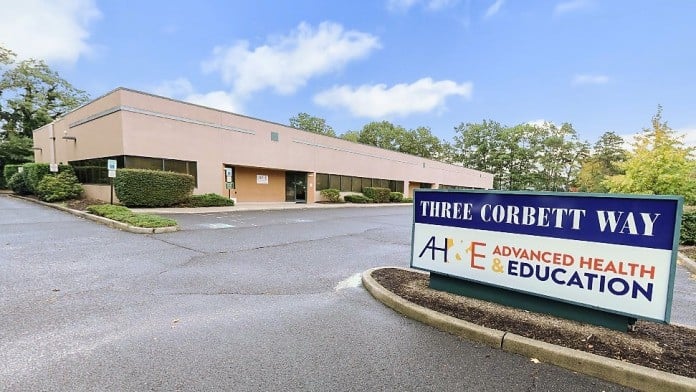

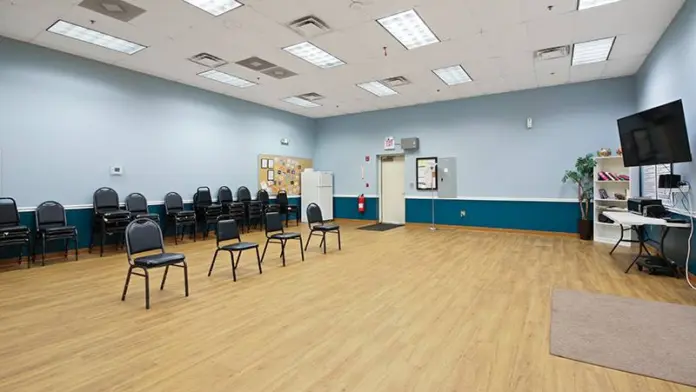
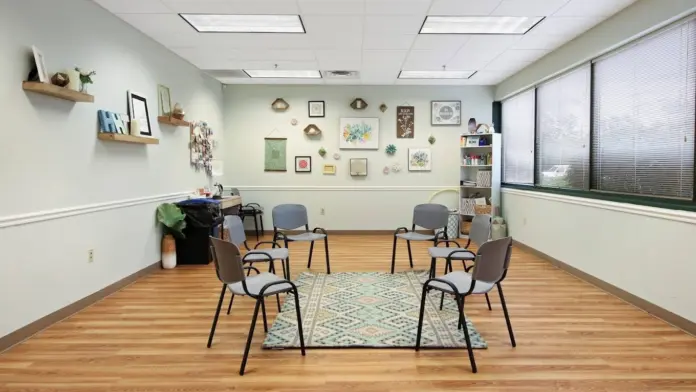
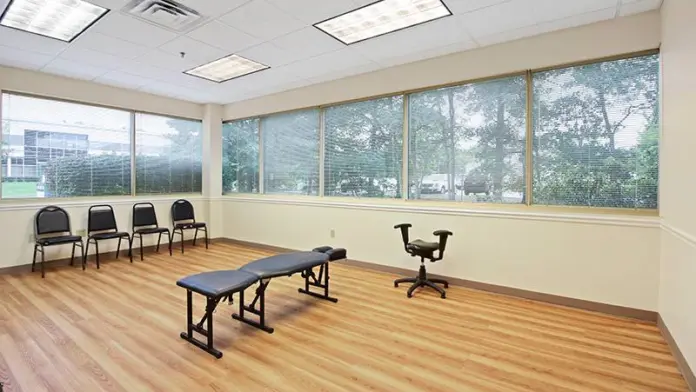
Accepted Insurance
Other Forms of Payment
Private insurance refers to any kind of healthcare coverage that isn't from the state or federal government. This includes individual and family plans offered by an employer or purchased from the Insurance Marketplace. Every plan will have different requirements and out of pocket costs so be sure to get the full details before you start treatment.
Self-pay involves paying for treatment out of your own pocket. You can use savings or credit, get a personal loan, or receive help from family and friends to fund your treatment. If you don't have insurance or your insurance plan doesn't cover a specific program, self-pay can help ensure you still get the care you need.
Medicaid is a state based program that helps lower-income individuals and families pay for healthcare. Medicaid covers addiction treatment so those enrolled can use their coverage to pay for rehab. When a program accepts Medicaid the client often pays very little or nothing out of their own pocket.
Private insurance refers to any kind of healthcare coverage that isn't from the state or federal government. This includes individual and family plans offered by an employer or purchased from the Insurance Marketplace. Every plan will have different requirements and out of pocket costs so be sure to get the full details before you start treatment.
Medicare is a federal program that provides health insurance for those 65 and older. It also serves people under 65 with chronic and disabling health challenges. To use Medicare for addiction treatment you need to find a program that accepts Medicare and is in network with your plan. Out of pocket costs and preauthorization requirements vary, so always check with your provider.
Addiction Treatments
Levels of Care
Advanced Health offers outpatient alcohol and drug rehab and treatment programs. One of the advantages to outpatient treatment is that it gives clients the opportunity to attend therapy sessions while maintaining the more significant aspects of “regular” life (like attending work, school, and living at home). Following IOP, or if a less intensive program is clinically recommend, clients may participate in non-intensive outpatient therapy, which includes: four hours of treatment per week, clients come in for two-hour sessions, twice per week.
Intensive Outpatient programs are for those who want or need a very structured treatment program but who also wish to live at home and continue with certain responsibilities (such as work or school). Intensive Outpatient Programs (“IOP”) include: nine hours of therapy each week, clients come in for three-hour sessions, three times per week, depending upon clinical recommendations and insurance arrangements, IOP may last up to 16 weeks.
Intervention services helps family or friends of addicts stage an intervention, which is a meeting in which loved ones share their concerns and attempt to get an addict into treatment. Professional intervention specialists can help loved ones organize, gather, and communicate with an addict. They can guide intervention participants in describing the damage the addict's behavior is causing and that outside help is necessary to address the addiction. The ideal outcome of an intervention is for the addict to go to rehab and get the help they need.
12-step programs are addiction recovery models based on Alcoholics Anonymous (AA). A number of substance abuse programs (including some drug and alcohol rehab centers) use the 12 steps as a basis for treatment. Beginning steps involve admitting powerlessness over the addiction and creating a spiritual basis for recovery. Middle steps including making direct amends to those who've been hurt by the addiction, and the final step is to assist others in addiction recovery in the same way. 12-Step offshoots including Narcotics Anonymous (NA), Cocaine Anonymous (CA), Dual Recovery Anonymous (DRA), Sex and Love Addicts Anonymous (SLAA) and Gamblers Anonymous (GA).
Recovery is a continuing process, there is no cure for addiction. Continued support is essential to growth in recovery and to avoid relapse. Their counselors help clients develop a variety of aftercare strategies, including 12-step community support meetings, sober living homes, continued therapy sessions, ongoing monitoring, and sober life coaches. Studies show that an ongoing monitoring program after addiction treatment gives clients the greatest chance of maintaining abstinence from alcohol and other drugs. These services may be mandatory for clients in certain professions (like healthcare workers, pilots, and transportation workers). They offer these services through their Alumni Association and certified case managers.
Sober living homes are a common next step after graduating from a rehabilitation treatment program. Sober living provides a family-like atmosphere where residents have the opportunity to live among other recovering individuals. Many sober living homes have job programs to help find employment, and offer drug testing to ensure that housemates are clean and sober.
Residential treatment programs are those that offer housing and meals in addition to substance abuse treatment. Rehab facilities that offer residential treatment allow patients to focus solely on recovery, in an environment totally separate from their lives. Some rehab centers specialize in short-term residential treatment (a few days to a week or two), while others solely provide treatment on a long-term basis (several weeks to months). Some offer both, and tailor treatment to the patient's individual requirements.
A medical detox is the safest way to wean your body off addictive substances. When you become physically dependent on alcohol or drugs, quitting abruptly can cause a host of challenging and uncomfortable withdrawal symptoms. In medically assisted detox, a team of medical professionals will be on hand to monitor any symptoms, to provide medication if possible, and to help keep you as safe and as comfortable as possible throughout this process.
A partial hospitalization program (PHP) is a short-term, intensive outpatient option designed for those with moderate to severe addictions who don't require 24-hour care. PHP treatment is often fully covered by insurance and provides structured programming (i.e. individual and group therapy). A typical partial hospitalization program can meet 3-5 days a week for a minimum of 20 hours, offering intensive treatment during the day while allowing you to return home after. PHP treatment duration can vary based on your progress but averages 90 days.
Treatments
The goal of treatment for alcoholism is abstinence. Those with poor social support, poor motivation, or psychiatric disorders tend to relapse within a few years of treatment. For these people, success is measured by longer periods of abstinence, reduced use of alcohol, better health, and improved social functioning. Recovery and Maintenance are usually based on 12 step programs and AA meetings.
Drug rehab in New Jersey is the process of addressing the complex issues involved with addiction. Challenges are identified and addressed through individual and group counseling. Participants learn how to manage these issues without the use of substances.
Many of those suffering from addiction also suffer from mental or emotional illnesses like schizophrenia, bipolar disorder, depression, or anxiety disorders. Rehab and other substance abuse facilities treating those with a dual diagnosis or co-occurring disorder administer psychiatric treatment to address the person's mental health issue in addition to drug and alcohol rehabilitation.
Opioid rehabs specialize in supporting those recovering from opioid addiction. They treat those suffering from addiction to illegal opioids like heroin, as well as prescription drugs like oxycodone. These centers typically combine both physical as well as mental and emotional support to help stop addiction. Physical support often includes medical detox and subsequent medical support (including medication), and mental support includes in-depth therapy to address the underlying causes of addiction.
Substance rehabs focus on helping individuals recover from substance abuse, including alcohol and drug addiction (both illegal and prescription drugs). They often include the opportunity to engage in both individual as well as group therapy.
Programs
Adult rehab programs include therapies tailored to each client's specific needs, goals, and recovery progress. They are tailored to the specific challenges adult clients may face, including family and work pressures and commitments. From inpatient and residential treatment to various levels of outpatient services, there are many options available. Some facilities also help adults work through co-occurring conditions, like anxiety, that can accompany addiction.
Young adulthood can be an exciting, yet difficult, time of transition. Individuals in their late teens to mid-20s face unique stressors related to school, jobs, families, and social circles, which can lead to a rise in substance use. Rehab centers with dedicated young adult programs will include activities and amenities that cater to this age group, with an emphasis on specialized counseling, peer socialization, and ongoing aftercare.
Recovery is most successful when clients feel accepted and validated by their peers and treatment providers. Facilities that offer LGBTQ-inclusive programming are committed to creating a safe space where everyone can grow and recover without fear of judgment or discrimination. They will have dedicated policies in place to create a safe and supportive environment that fosters free expression.
Serving in the military is both mentally and physically challenging, and can result in trauma that persists even after combat ends. Military programs are tailored to the specific and often complex needs of active duty personnel, veterans, and military families. Clients often access these programs through the U.S. Department of Veterans Affairs (VA).
Clinical Services
Cognitive behavioral therapy (CBT) in New Jersey typically follows a set structure of treatment. The therapist helps clients identify their life challenges and their thoughts surrounding those challenges. The client then learns to identify unhealthy thought patterns and reshape those into healthy patterns of thinking and behavior.
Dialectical means opposing. The premise of dialectical behavior therapy is to learn how two things that seem to be opposite can actually be true. You learn how to accept yourself while also making changes. The focus is on accepting your emotions and changing how you manage them.
They offer programs for families of addicts and alcoholics at our rehab center in NJ. Family support can be a significant source of encouragement for people new in recovery. In their family therapy sessions, members discuss how they have been impacted by a loved one’s addiction and begin the work of resolving family issues so that the transition from treatment back to life can be made as smooth as possible.
Group therapy is any therapeutic work that happens in a group (not one-on-one). Clients participate in group counseling sessions, which helps them to develop a sense of community reliance in the struggle to get clean and sober. Their treatment groups foster growth and healing through their challenging but supportive treatment processes.
In individual therapy, a patient meets one-on-one with a trained psychologist or counselor. Each client works with an assigned counselor for individual therapy. The counselor helps identify and address the client’s underlying addiction drivers, provides relapse prevention strategies, and create a sustainable long-term recovery plan.
Motivational interviewing helps clients find their motivation to change. It can be an effective method to work with clients who are angry or hostile or feel insecure about their ability to make changes in their lives. It is often used during addiction treatment or to manage physical health conditions.
For best results, nicotine replacement therapy (NRT) should be combined with other methods to quit smoking. While NRT addresses physical dependence, other quit program elements are necessary to address emotional and mental dependence. Together, these supports can help you successfully quit tobacco for good.
Most experts in couples therapy are trained in several modes of treatment. This allows your therapist to draw from various techniques to personalize your therapy for your needs. This may include cognitive, emotional, and behavioral methods, which are all designed to help you strengthen your relationship.
Trauma therapy provides a structure to approach healing from past traumatic events that you may have witnessed or experienced. Your therapist will work with you to identify and process these memories. This helps promote a sense of safety and stability and helps you heal emotionally.
Amenities
-
 Residential Setting
 -
 Private Setting
 -
 Yoga Studio
 -
 Private Rooms
 -
 Meditation Room
 -
 Gym
Gym -
 Massage Room
Staff & Accreditations
Staff
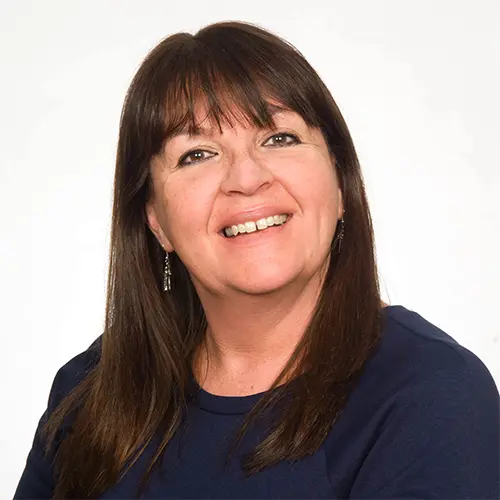
Johannah Palmieri, CADC, HRC
Office Manager
Kimberly Reid, RN
Director of Nursing
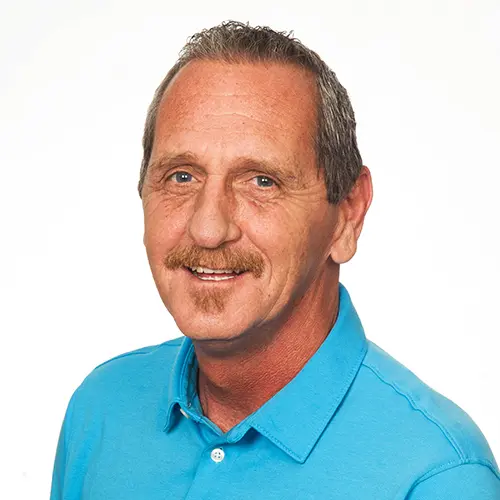
Bill VonGlahn, CADC
Counselor
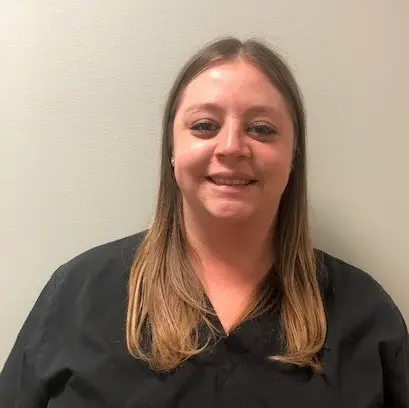
Kelly Coppola, RN
Nurse
Accreditations

The Joint Commission, formerly known as JCAHO, is a nonprofit organization that accredits rehab organizations and programs. Founded in 1951, the Joint Commision's mission is to improve the quality of patient care and demonstrating the quality of patient care.
Joint Commission Accreditation: Yes
Accreditation Number: 569425

LegitScript has reviewed Advanced Health and Education as part of their certification program, and has determined that it meets the LegitScript standards for legality, safety and transparency.
LegitScript verified in April 2020
Rehab.com regularly reviews this listing for accuracy but changes may occur between updates. For the most up-to-date information, please contact Advanced Health and Education.
Contact Information

3 Corbett Way
Eatontown, NJ 07724
Get Help Now - 908-312-3127
Sponsored Helpline
Sponsored Helpline


