



















































































































Unprofessional . impatient with patients. Supervisors write deceotive reports, abusing authority.. They lose paoerwork and arent accountable fir their mistakes.
About STEPS, Inc.
The intensive outpatient program is designed for clients who are stepping down from immersive inpatient care, clients in early recovery, or those who’re at heightened risk of relapse. In addition to robust addiction counseling, you’ll receive recovery focused continuing education, including training in life skills related to coping, stress and anger management, conflict resolution, communication, problem solving, self care, nutrition and wellness, and relapse prevention.
Their traditional outpatient program is less time intensive than the IOP program but still offers substantive and ongoing support for clients not yet ready to graduate to aftercare services. Their outpatient program offers numerous opportunities for clients to receive counseling and training each week, often with sessions scheduled for evenings, nights, and weekends for the client’s convenience.
In addition, they also offer a full suite of ancillary services designed to support clients and families at every stage of the recovery journey. This includes intervention planning support, transition assistance when you move from inpatient to outpatient care, and aftercare planning to facilitate clients’ sustained recovery. Aftercare planning may include mental health, medical, and social services referrals, transitional support for clients entering community based 12 Step programs, and other alumni services.
They’re accredited by the Commission on Accreditation of Rehabilitation Facilities (CARF) and the Substance Abuse and Mental Health Services Administration (SAMHSA). They accept private insurance, self pay, Medicare, and Medicaid. Financing and sliding scale payment plans are also available. Speak with your individual provider to confirm your coverage as out of network benefits can apply.
Fact checked and written by:
Courtney Myers, MS
Edited by:
Peter Lee, PhD
Latest Reviews
Great experience here thanks to my counselor Jorge went the extra mile for my success thank you steps !!!🙏🏽✌🏽
I haven’t heard from my therapist going on 5months I reach out no response. I also called the office straight to voicemail for the first time in 5months one time they answered last week for the first time In said they would reach back out HAVENT heard from them once again
Writing this in hopes of helping someone before they choose this place to do their drug evaluation I went here on 3-6-2025 and had the worst experience /counselor (Roymond Insalaco )He began to tell me I was gonna have to take a 12-week class. Without even evaluating me, I asked him why? he told me he saw my criminal history. I then ask him. Does he know the difference between going to jail and being convicted? I have never been convicted orfound guilty. I do not have any felonies. He then told me the reason he felt why I still would have to take this class he told me I could sell drugs when I leave. He then asked me will I take a drug test, and I assured him I sure would .He profiled me already. in his mind. I was this bad person before I even got there. I eventually asked for his manager Erid Otiz I explained to Her The conversation I just had with With (Raymond Insalaco) her staffshe only told me that he was new I'm guessing wasn't trained before I sat down. She then gave me another counselor. I say that to say this this place is set up for you to fail. I'm pretty sure within the last year. Everyone who came there to be evaluated had to take a 12-week program. These people are doing it for the money. How could you tell me? I have to take a 12-week CLASS when you have not even done my evaluation. Have yet to tell me why I have to take a 12 -week class.?????????????????????????????????? i'm still waiting for their answer.

Rehab Score
 Our Methodology
Scoring is assigned by a proprietary system which helps surface key metrics that determine quality. The 10-point scale factors in categories such as operations, customer satisfaction, and trust metrics. Read Full Methodology

5 / 10
Location
Accepted Insurance
Other Forms of Payment
Medicaid is a state based program that helps lower-income individuals and families pay for healthcare. Medicaid covers addiction treatment so those enrolled can use their coverage to pay for rehab. When a program accepts Medicaid the client often pays very little or nothing out of their own pocket.
Private insurance refers to any kind of healthcare coverage that isn't from the state or federal government. This includes individual and family plans offered by an employer or purchased from the Insurance Marketplace. Every plan will have different requirements and out of pocket costs so be sure to get the full details before you start treatment.
Self-pay involves paying for treatment out of your own pocket. You can use savings or credit, get a personal loan, or receive help from family and friends to fund your treatment. If you don't have insurance or your insurance plan doesn't cover a specific program, self-pay can help ensure you still get the care you need.
Medicare is a federal program that provides health insurance for those 65 and older. It also serves people under 65 with chronic and disabling health challenges. To use Medicare for addiction treatment you need to find a program that accepts Medicare and is in network with your plan. Out of pocket costs and preauthorization requirements vary, so always check with your provider.
Military members, veterans, and eligible dependents have access to specific insurance programs that help them get the care they need. TRICARE and VA insurance can help you access low cost or no cost addiction and mental health treatment. Programs that accept military insurance often have targeted treatment focused on the unique challenges military members, veterans, and their families face.
Sliding scale payments are based on a client's income and family size. The goal is to make treatment affordable to everyone. By taking these factors into account, addiction recovery care providers help ensure that your treatment does not become a financial burden to you or your family, eliminating one barrier to care.
Addiction Treatments
Levels of Care
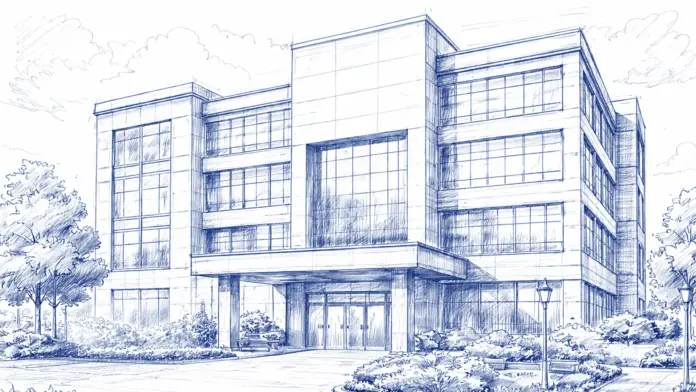
STEPS, Inc. provides flexible outpatient treatment at the Pine Hills location, allowing clients to receive substance use counseling while maintaining daily responsibilities. Services include structured group sessions and individual counseling tailored to promote long-term recovery and community reintegration.
This level of care offers more structure than standard outpatient programs, requiring multiple weekly visits. Clients at STEPS, Inc. engage in intensive clinical interventions designed to stabilize symptoms, develop coping mechanisms, and address the underlying causes of addiction.
This level of care offers more structure than standard outpatient programs, requiring multiple weekly visits. Clients at STEPS, Inc. engage in intensive clinical interventions designed to stabilize symptoms, develop coping mechanisms, and address the underlying causes of addiction.
Treatments
STEPS provides comprehensive treatment for alcoholism, combining FDA-approved medications through their Medication-Assisted Treatment program with traditional counseling and behavioral therapies. This whole-client approach effectively addresses alcohol dependence and supports individuals in achieving lasting recovery.
The facility offers evidence-based drug addiction treatment prioritizing indigent individuals, pregnant women, and IV drug users in Central Florida. Treatment utilizes individual counseling, care coordination, and holistic wellness planning to support comprehensive, long-term recovery.
STEPS delivers specialized care for opioid addiction using Medication-Assisted Treatment. Their dedicated Opioid Use Disorder navigator and mobile outreach vehicles ensure immediate access to care, combining medical intervention like buprenorphine with behavioral counseling.
Through a person-centered approach, the center offers comprehensive substance abuse services across Central Florida. Programs include outpatient care, day treatment, and residential options, utilizing individual therapy, family counseling, and community resource coordination for lasting sobriety.
Programs
This facility features dedicated adult outpatient and intensive outpatient programs across multiple counties. Services are tailored to adult needs, utilizing cognitive behavioral therapy, motivational interviewing, and family intervention to build a strong foundation for ongoing recovery.
Young adulthood can be an exciting, yet difficult, time of transition. Individuals in their late teens to mid-20s face unique stressors related to school, jobs, families, and social circles, which can lead to a rise in substance use. Rehab centers with dedicated young adult programs will include activities and amenities that cater to this age group, with an emphasis on specialized counseling, peer socialization, and ongoing aftercare.
The center is committed to providing highly inclusive care, offering substance use and mental health treatment to individuals regardless of sexual orientation or gender identity. They ensure a welcoming, person-centered environment for LGBTQ clients seeking recovery.
Serving in the military is both mentally and physically challenging, and can result in trauma that persists even after combat ends. Military programs are tailored to the specific and often complex needs of active duty personnel, veterans, and military families. Clients often access these programs through the U.S. Department of Veterans Affairs (VA).
Clinical Services
Clinicians at the center utilize cognitive behavioral therapy within their intensive outpatient, day treatment, and community programs. This evidence-based practice helps clients change negative thought patterns, modify destructive behaviors, and effectively break free from substance abuse.
As a core therapeutic method, motivational interviewing is utilized across outpatient and community programs. Therapists use this evidence-based approach to resolve ambivalence, helping clients set personal goals and confidently commit to positive behavioral changes in recovery.
Trauma therapy addresses traumatic incidents from a client's past that are likely affecting their present-day experience. Trauma is often one of the primary triggers and potential causes of addiction, and can stem from child sexual abuse, domestic violence, having a parent with a mental illness, losing one or both parents at a young age, teenage or adult sexual assault, or any number of other factors. The purpose of trauma therapy is to allow a patient to process trauma and move through and past it, with the help of trained and compassionate mental health professionals.
Amenities
-
 Private Setting
Accreditations

The Commission on Accreditation of Rehabilitation Facilities (CARF) is a non-profit organization that specifically accredits rehab organizations. Founded in 1966, CARF's, mission is to help service providers like rehab facilities maintain high standards of care.
CARF Accreditation: Yes

The Substance Abuse and Mental Health Services Administration (SAMHSA) is a branch of the U.S. Department of Health and Human Services. Established in 1992 by congress, SAMHSA's mission is to reduce the impact of substance abuse and mental illness on American's communities.
SAMHSA Listed: Yes
Contact Information

1033 N Pine Hills Rd
STE 300
Orlando, FL 32808
Get Help Now - 407-204-9068
Sponsored Helpline
Sponsored Helpline

