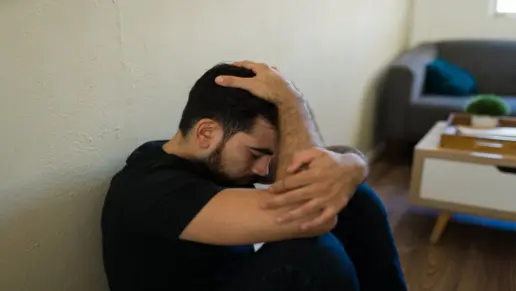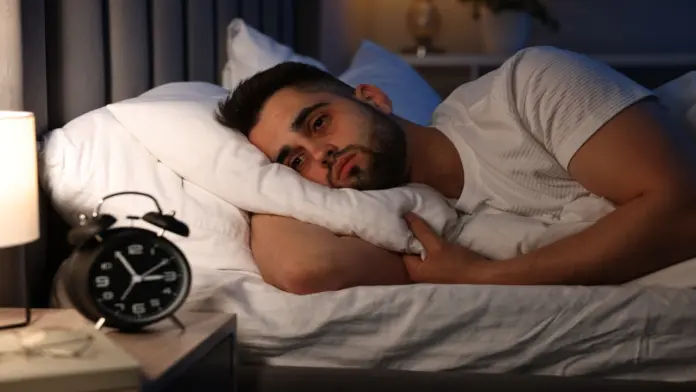
A $3.8 million grant from the National Institute of Mental Health is funding a five-year University of Arizona study into why mental health crises spike dramatically in the hours between 2 and 4 a.m.
The Mind After Midnight Hypothesis
University of Arizona researchers in the Department of Psychiatry have developed what they call the “mind after midnight” hypothesis. The hypothesis holds that when a person is awake while their brain expects to be asleep, they are more likely to make impulsive and poor decisions.
Lead investigator Michael Grandner, associate professor of psychiatry, noted that suicides have been found consistently, through both community and population data, to be three to four times more likely to occur between 2 a.m. and 4 a.m. than would be expected by chance.
Until now, the precise neurological mechanisms behind this pattern were not well understood. This study aims to change that.
What the Research Will Examine
Study participants will visit a sleep lab twice, in one session, they will be kept awake until around 2 a.m. and then tested; in the other, they will be allowed to fall asleep and then awakened at 2 a.m. for testing.
Researchers will evaluate how emotional processing, complex decision-making, and feelings of hopelessness, disconnection, and stress may differ in the middle of the night, and how these factors relate to brainwave activity.
The study is the first of its kind to examine mood, neuropsychological function, and suicidality through the lens of both biological rhythms and brain regulation. For mental health treatment providers, these findings could inform more targeted, time-sensitive crisis interventions.
Why Late Night Hours Are So Dangerous
The “mind after midnight” hypothesis proposes that nocturnal wakefulness disrupts normal circadian rhythms and impairs complex decision-making at a time when negative mood is at its peak, positive mood is at its lowest, people are often socially disconnected and risk/reward processing is distorted.
This combination creates a uniquely high-risk window, one that mental health treatment programs have not historically been designed to address with precision.
Co-lead investigator Fabian-Xosé Fernandez noted the research may uncover evidence-based treatments to reduce what he described as a “modifiable” suicide risk factor.
That framing is significant: if late-night neurological vulnerability can be identified and treated, it may open doors to new types of mental health treatment, including sleep-targeted therapies and crisis interventions timed to highest-risk hours.
Reshaping Suicide Prevention Strategies
Grandner and Fernandez hope the research can eventually help reshape international suicide prevention strategies by targeting neurobiological mechanisms and tailoring treatment approaches to reach individuals precisely when they are struggling with overnight thoughts of self-harm.
Dr. Jordan F. Karp, professor and chair of the Department of Psychiatry at the University of Arizona College of Medicine, Tucson, called the work “cutting-edge science” that will generate new knowledge of physiological mechanisms driving elevated suicide risk at night, with implications for both circadian science and suicide prevention.
For rehab centers and mental health treatment facilities, this research signals a growing body of evidence that sleep health is not a secondary concern, it is a direct factor in crisis risk and patient outcomes.
What This Means for Treatment Seekers
If you or someone you love is navigating addiction treatment or mental health treatment, this research underscores the importance of programs that address sleep disruption as part of whole-person care.
Many evidence-based treatment options now incorporate sleep health assessments alongside therapy and medication management. When evaluating rehab centers or mental health programs, asking about sleep-related interventions can be a meaningful part of the decision.
Finding the Right Rehab
Whether you’re looking for mental health treatment, addiction treatment, or dual-diagnosis care that addresses co-occurring conditions like insomnia or sleep disruption, the right program can make a critical difference.
- Compare rehab centers that offer integrated mental health treatment
- Ask providers about their approach to sleep health and crisis intervention
- Verify facility credentials and whether they offer evidence-based therapies
You can explore Rehab.com’s directory to find thousands of verified treatment centers nationwide. Call
800-985-8516
(  Sponsored Helpline )
to speak with a treatment advisor.
Sponsored Helpline )
to speak with a treatment advisor.