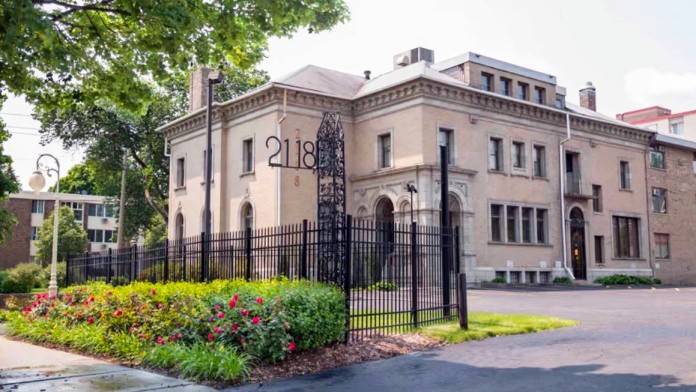

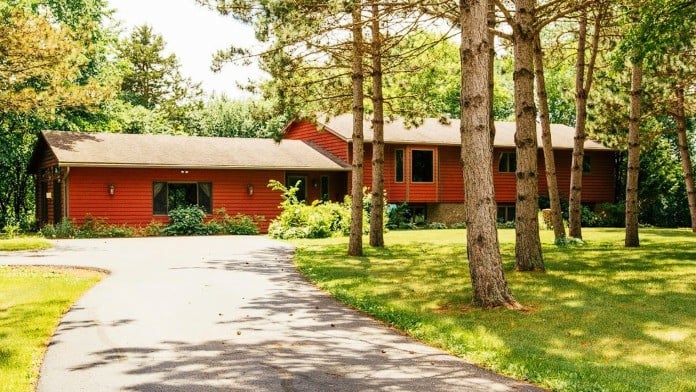
Burkwood Treatment Center
1
Top 10 Rehab In Hudson















































































 Our Methodology


Medicaid is a state based program that helps lower-income individuals and families pay for healthcare. Medicaid covers addiction treatment so those enrolled can use their coverage to pay for rehab. When a program accepts Medicaid the client often pays very little or nothing out of their own pocket.
Medicare is a federal program that provides health insurance for those 65 and older. It also serves people under 65 with chronic and disabling health challenges. To use Medicare for addiction treatment you need to find a program that accepts Medicare and is in network with your plan. Out of pocket costs and preauthorization requirements vary, so always check with your provider.
Private insurance refers to any kind of healthcare coverage that isn't from the state or federal government. This includes individual and family plans offered by an employer or purchased from the Insurance Marketplace. Every plan will have different requirements and out of pocket costs so be sure to get the full details before you start treatment.
Sliding scale payments are based on a client's income and family size. The goal is to make treatment affordable to everyone. By taking these factors into account, addiction recovery care providers help ensure that your treatment does not become a financial burden to you or your family, eliminating one barrier to care.
Outpatient rehabs typically provide a full continuum of care both for clients in early recovery and for those who are well advanced in their recovery journey. Their levels of care typically include partial hospitalization (PHP), intensive outpatient (IOP), sober living/halfway housing, and standard outpatient programming. Many outpatient facilities offer evening, night, and weekend services, including addiction counseling and recovery-focused life skills training, to accommodate clients' work and family schedules.
 Mental Health And Substance Abuse
Substance abuse treatment programs in Minnesota are designed to support individuals to overcome addiction. These programs employ evidence-based therapies such as cognitive-behavioral therapy (CBT), dialectical behavior therapy (DBT), and eye movement desensitization and reprocessing (EMDR), together with individual and group therapy, and recovery meetings. With a variety of treatment options available, which typically include outpatient, inpatient, dual-diagnosis, and partial hospitalization, you'll be able to find a personalized treatment option that works for your individual needs.
Recovery is most successful when clients feel accepted and validated by their peers and treatment providers. Facilities that offer LGBTQ-inclusive programming are committed to creating a safe space where everyone can grow and recover without fear of judgment or discrimination. They will have dedicated policies in place to create a safe and supportive environment that fosters free expression.
Therapists often use cognitive behavioral therapy in Minnesota to treat substance use disorders because it can help clients quickly identify challenges and ways to cope with them. Its structured, specific methods require fewer sessions than other types of therapy.
 Eye Movement Desensitization And Reprocessing
Qualified therapists in Minnesota offer individual therapy to men and women so they can receive customized care tailored to their needs. Your therapist works to understand your unique circumstances and provide you with targeted interventions and coping skills essential for long term recovery.
People benefit from group therapy sessions that offer them the chance to learn and practice conflict resolution skills with their peers. This helps you recognize your strengths and capabilities, which boosts your self confidence as you work toward overcoming addiction and building a healthier lifestyle.

625 Hayward Ave N, Oakdale, MN 55128
Sponsored Helpline
 Back
Back
Sharing your insights and experiences can help others learn more about this rehab center.