






























































































Bridges of Hope literally and figuratively saved my son's life. After extended treatment in Ridgeview and Blue Ridge Rehab Centers, with minimal success, desperation was the overwhelming emotion. Bridges of Hope accepted my son and this brand of treatment, fellowship, and p ...
About Bridges of Hope II
You will be expected to pay a fee when you check in to the facility. You should bring clothing and your own linens. You will not be able to bring cell phones or computers to the facility. Any prescription medication you bring to the facility must be unopened.
Every day begins with a devotional. This may include a reading from the Bible or a prayer. It may also be a meditation session. After devotionals, you will study the AA Big Book.
Clients will have group meetings every day where they will discuss their struggles with addiction. The groups will have a leader who will pose basic questions and topics to be discussed. You will also go to daily 12 Step meetings both on and off campus.
The men who live here sleep in dormitories and perform daily work. You will have chores such as gardening and kitchen duty. There’ll be plenty of downtime to play basketball, enjoy the nearby lake, socialize, and explore the 36 acres of surrounding woods.
Most men stay for 45 days. You’ll have an exit interview before you leave in which you will discuss plans for the future. The staff will help provide a toolkit to stay sober. They’ll also help you find a sober living home and vocational training.
Facility Overview
 50
50 Number of Available Beds
 31 - 60
 Avg Length of Stay in Days
Latest Reviews
Saved my life!
Saves lives. I’m glad I’m done but it made me able to have a better life with a improved version of myself. Thank you Boh2 and thank you God for all you do I am forever grateful
My husband came home in April from his stay at Bridges. As a spouse I can’t say enough good things about this rehab. This was his fourth rehab at other places and hopefully the last. The program is fair, AA balanced and the guys have to work to stay. It is extremely well run and organized and the guys know what to expect. The camaraderie between staff and residents is genuine and the program works if one wants it to. I am very thankful to Chad and his guys for aiding my husband in his sobriety. One day at a time.
M Powell

Rehab Score
 Our Methodology
Scoring is assigned by a proprietary system which helps surface key metrics that determine quality. The 10-point scale factors in categories such as operations, customer satisfaction, and trust metrics. Read Full Methodology

6.8 / 10
Gallery
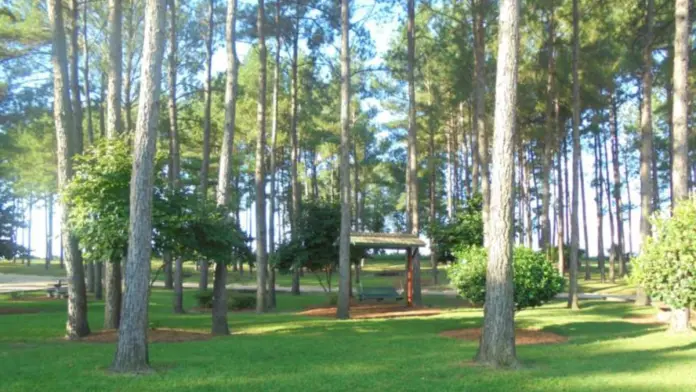
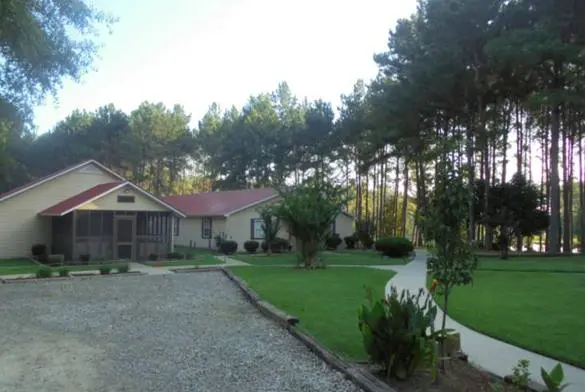
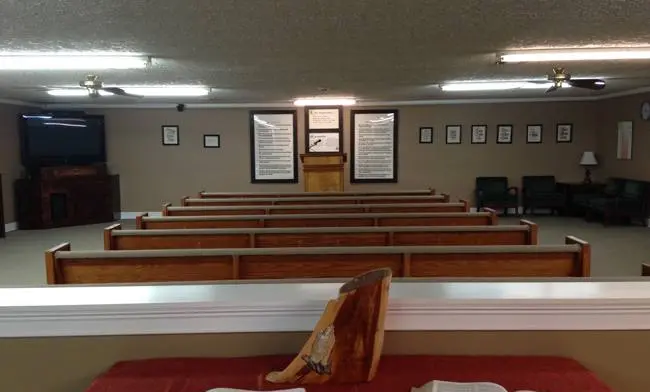

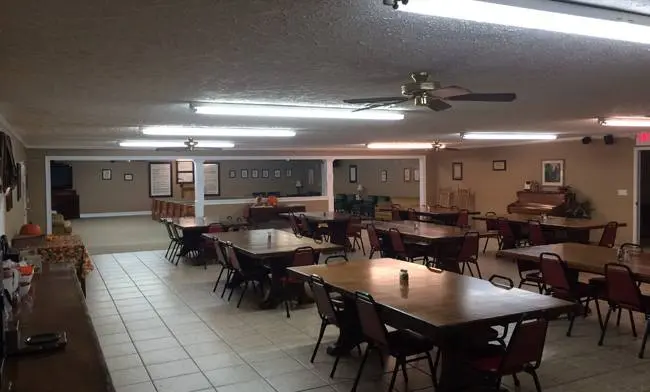
Other Forms of Payment
Self-pay involves paying for treatment out of your own pocket. You can use savings or credit, get a personal loan, or receive help from family and friends to fund your treatment. If you don't have insurance or your insurance plan doesn't cover a specific program, self-pay can help ensure you still get the care you need.
Addiction Treatments
Levels of Care
Residential treatment programs are those that offer housing and meals in addition to substance abuse treatment. Rehab facilities that offer residential treatment allow patients to focus solely on recovery, in an environment totally separate from their lives. Some rehab centers specialize in short-term residential treatment (a few days to a week or two), while others solely provide treatment on a long-term basis (several weeks to months). Some offer both, and tailor treatment to the patient's individual requirements.
Aftercare, which is sometimes referred to as continuing care or relapse prevention, is a type of structured care meant to help you continue with the progress you've made after completing an addiction treatment program. Most of the time, you'll continue receiving support after a treatment program by partnering with their case managers and staff to identify and access the resources you need to remain sober.
12-step programs are addiction recovery models based on Alcoholics Anonymous (AA). A number of substance abuse programs (including some drug and alcohol rehab centers) use the 12 steps as a basis for treatment. Beginning steps involve admitting powerlessness over the addiction and creating a spiritual basis for recovery. Middle steps including making direct amends to those who've been hurt by the addiction, and the final step is to assist others in addiction recovery in the same way. 12-Step offshoots including Narcotics Anonymous (NA), Cocaine Anonymous (CA), Dual Recovery Anonymous (DRA), Sex and Love Addicts Anonymous (SLAA) and Gamblers Anonymous (GA).
24-hour clinical care in Georgia reduces the risks involved in detox and addiction treatment. Without access to professional medical care, individuals may experience withdrawal symptoms that become life threatening. For example, alcohol withdrawal can cause delirium tremens, confusion, and cardiac symptoms. Without medical supervision to step in, these symptoms could potentially turn fatal.
Medical detox is the process of ridding the body of addictive substances in a medically supervised setting. If you become chemically dependent on a substance like alcohol, opioids, or benzodiazepines (like Xanax or Ativan), quitting abruptly can cause uncomfortable or even dangerous side effects. Licensed medical professionals ensure the process goes as safely and comfortably as possible while monitoring you 24/7 and administering any required medications,
Treatments
The goal of treatment for alcoholism is abstinence. Those with poor social support, poor motivation, or psychiatric disorders tend to relapse within a few years of treatment. For these people, success is measured by longer periods of abstinence, better health, and improved social functioning. Recovery and Maintenance are usually based on 12 step programs and AA meetings.
A quality drug rehab in Georgia can help you overcome addiction. This environment is designed to help you address the complex issues contributing to drug dependence. The goal of treatment is to give you the tools you need to make a full recovery.
Substance rehabs focus on helping individuals recover from substance abuse, including alcohol and drug addiction (both illegal and prescription drugs). They often include the opportunity to engage in both individual as well as group therapy.
Programs
Adult rehab programs include therapies tailored to each client's specific needs, goals, and recovery progress. They are tailored to the specific challenges adult clients may face, including family and work pressures and commitments. From inpatient and residential treatment to various levels of outpatient services, there are many options available. Some facilities also help adults work through co-occurring conditions, like anxiety, that can accompany addiction.
Young adulthood can be an exciting, yet difficult, time of transition. Individuals in their late teens to mid-20s face unique stressors related to school, jobs, families, and social circles, which can lead to a rise in substance use. Rehab centers with dedicated young adult programs will include activities and amenities that cater to this age group, with an emphasis on specialized counseling, peer socialization, and ongoing aftercare.
Clinical Services
Group therapy is any therapeutic work that happens in a group (not one-on-one). There are a number of different group therapy modalities, including support groups and more. Group therapy involves treatment as well as processing interaction between group members.
Men and women in Georgia may experience Motivational Interviewing techniques while undergoing individual therapy for drug and alcohol addiction treatment. This approach helps you explore how you feel about drug use and it strengthens your commitment to maintaining treatment. It is particularly useful in the early stages of recovery.
Amenities
-
 Residential Setting
 -
 Private Rooms
Staff
David Morgan
Chairman
Ron Strickland
Vice Chairman
Dennis McCarthy
Secretary & Treasurer
Morgan Rewis
Office Manager
Rehab.com regularly reviews this listing for accuracy but changes may occur between updates. For the most up-to-date information, please contact Bridges of Hope II.
Contact Information

74 C L Tucker Dr.
Chauncey, GA 31011
Get Help Now - 229-228-0567
Sponsored Helpline
Sponsored Helpline


