






























































































The staff is so friendly and caring. You couldn't choose a better treatment center. I would recommend it to anyone and I have. Keep up the good work the community needs more compassionate people like you.
About BrightView
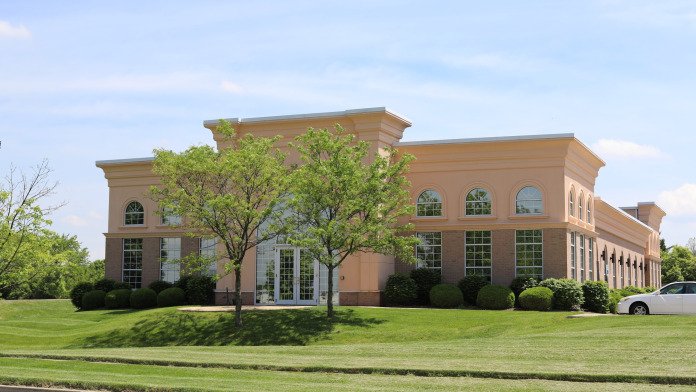
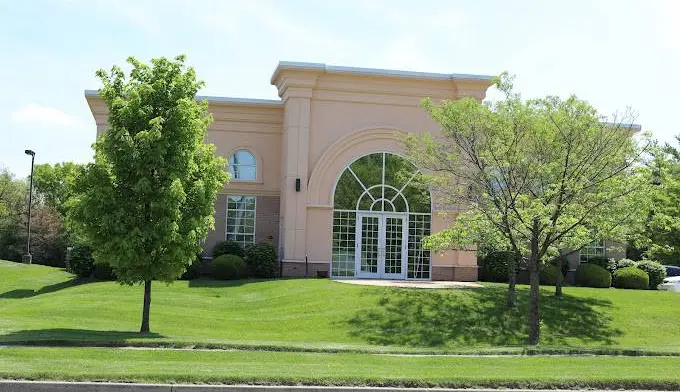
BrightView is an outpatient addiction treatment center in Dayton, Ohio specializing in medication assisted treatment for substance use disorders. They are known for the flexibility of walk-in visits and same-day appointments as well as and the ability to maintain responsibilities while receiving treatment.
What programs does BrightView in Dayton offer?
BrightView provides outpatient addiction treatment with medication assisted treatment using Suboxone, Vivitrol, and other evidence based medications for opioid and alcohol use disorders.
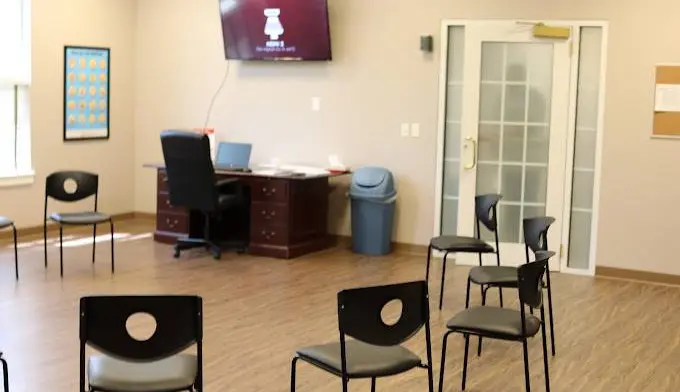
Treatment includes client and group counseling and the center also offers psychiatry services for patients who may benefit from medication management for co-occurring mental health conditions like depression and anxiety.
Who can get help at BrightView?
The center serves adults struggling with addiction to opioids, alcohol, methamphetamine, cocaine, and other substances. BrightView is LGBTQA+ friendly and welcomes clients with co-occurring mental health concerns.
What makes BrightView’s approach unique?
BrightView emphasizes accessible flexible care by accepting walk-ins and offering same day and telehealth appointments. This outpatient model allows patients to receive consistent support while continuing daily responsibilities reducing barriers to starting and staying in treatment.
Latest Reviews
Love the staff. They listen to you . Medical is also great . If you are a no show or something they call you to check on you . The one on one is always great feel like I can tell them anything . I tell everyone I know to go to Bright view . I've been to a lot of treatment programs and this one in Centerville is by far the best I have been to . They also call me out on my bullshit but don't make me feel bad about myself or that I can't get back on track . They don't give up on you even if you e given up on yourself
Response from the owner3 weeks ago
We are so happy to see that you feel this way about BrightView! Reading your nice comments about our services makes our day. Thank you so much for the positive review, we really appreciate it!
Brightview has stuck by me through thick n thin . Now Im going on 2 yeard sober and if you knew me thats miraculous !
Response from the owner3 weeks ago
William, reading such kind words about BrightView makes our day! We are so happy to see that you feel so positively about our staff and services! Thank you so much for the nice review! We really do appreciate it!
Brightview has been my recovery home for six years now, and out of all the places I have received treatment, its by far the best. I started going there because someone told me they dont care about THC. This is true, they're chill about it. But I stayed because a) it actually felt like a doctor's office, instead of an apartment or house that had been rented to use as a treatment facility, and b) i felt and still feel like im actually cared for; they aren't just after my insurance claim.
Last year I would have rated five stars. However, a change made last year has really stuck in my craw and upset me, and despite the feedback they've received from me and countless others, it's yet to be rolled back. Used to be, if you needed to speak to someone to find out what time your appt is, or get a message to your care team, you could call 24/7. NOW, only new patients can call and receive assistance after business hours. They contract their calls out to people who work from home, and they no longer have access to existing patient records after business hours.
Maybe it's the industry standard, I wouldn't know. But it was and is still very disheartening, for people who work odd hours or sleep a lot due to depression 🙋♀️and cant always call during business hours. That's the ONLY reason I'm not giving 5*.
I'm a patient at the Centerville office, and my girls there are truly like family to me. I've had several different doctors but its nothing like other facilities, with their revolving door of staff coming in and barely getting settled before theyre gone again. I got placed with a counselor who's been with brightview over 10 years, because i was tired of telling my life story over and over. I realized I had gotten everything I could out of a group setting, and they put me in a ghost group so I don't have to attend one anymore. Susan, my provider, is literally like the mom I always dreamed of having. She's so good at her job and she makes sure you know how much she cares for you.
One last thing, since i know who is most likely reading these reviews. if youre on suboxone and tired of being ruled by a daily dose, consider the sublocade shot. They got me on it hwre. I was terrified because the withdrawal has always been so bad. With sublocade there was ZERO withdrawal as I made the switch, and ZERO withdrawal when tapering off. It takes about three months, and you're just OFF of it, without having to deal with any of the BS of withdrawal symptoms.
Response from the owner3 weeks ago
A massive thank you for the positive review! It's always heartwarming to see kind comments about BrightView. If there is anything we can do to improve, please let us know. We are always looking for ways to better our services. Thanks again! 
Rehab Score
 Our Methodology
Scoring is assigned by a proprietary system which helps surface key metrics that determine quality. The 10-point scale factors in categories such as operations, customer satisfaction, and trust metrics. Read Full Methodology

9.1 / 10
Gallery

Accepted Insurance
Other Forms of Payment
Private insurance refers to any kind of healthcare coverage that isn't from the state or federal government. This includes individual and family plans offered by an employer or purchased from the Insurance Marketplace. Every plan will have different requirements and out of pocket costs so be sure to get the full details before you start treatment.
Self-pay involves paying for treatment out of your own pocket. You can use savings or credit, get a personal loan, or receive help from family and friends to fund your treatment. If you don't have insurance or your insurance plan doesn't cover a specific program, self-pay can help ensure you still get the care you need.
Medicare is a federal program that provides health insurance for those 65 and older. It also serves people under 65 with chronic and disabling health challenges. To use Medicare for addiction treatment you need to find a program that accepts Medicare and is in network with your plan. Out of pocket costs and preauthorization requirements vary, so always check with your provider.
Military members, veterans, and eligible dependents have access to specific insurance programs that help them get the care they need. TRICARE and VA insurance can help you access low cost or no cost addiction and mental health treatment. Programs that accept military insurance often have targeted treatment focused on the unique challenges military members, veterans, and their families face.
Medicaid is a state based program that helps lower-income individuals and families pay for healthcare. Medicaid covers addiction treatment so those enrolled can use their coverage to pay for rehab. When a program accepts Medicaid the client often pays very little or nothing out of their own pocket.
Addiction Treatments
Levels of Care
Outpatient Programs (OP) are for those seeking mental rehab or drug rehab, but who also stay at home every night. The main difference between outpatient treatment (OP) and intensive outpatient treatment (IOP) lies in the amount of hours the patient spends at the facility. Most of the time an outpatient program is designed for someone who has completed an inpatient stay and is looking to continue their growth in recovery. Outpatient is not meant to be the starting point, it is commonly referred to as aftercare.
Rehab aftercare programs are designed to ensure clients receive continuing care while in the maintenance phase of recovery. Some clients may be in outpatient treatment, which is generally considered to be an element of drug rehab aftercare. The specific services provided in these programs are often determined by the client's case manager and care team in consultation with the client. Common services include peer coaching, career counseling, and 12 step program induction.
Intervention services help family members prepare for a drug intervention in Ohio. During an intervention, family members typically read letters they have prepared that explain how the individual's substance abuse has affected their lives and relationships. Each family member also explains what they will do if the individual does not agree to get treatment. An intervention specialist offers support to guide this discussion and makes appropriate treatment recommendations.
Medical detox involves clearing your body of drugs and/or alcohol under the 24/7 care of licensed medical professionals. If you've become dependent on alcohol or drugs (like benzodiazepines or opioids), quitting abruptly can have uncomfortable and even dangerous side effects. The purpose of medically assisted detox is to keep you as safe and comfortable as possible during this process. Medications like Suboxone or Vivitrol may be provided if necessary to mitigate any withdrawal symptoms.
Treatments
Substance rehabs focus on helping individuals recover from substance abuse, including alcohol and drug addiction (both illegal and prescription drugs). They often include the opportunity to engage in both individual as well as group therapy.
An alcohol use disorder (AUD), also commonly called alcoholism, can range from mild to severe. It involves compulsive consumption of alcohol and maladaptive patterns of drinking that lead to negative physical, social, and relational consequences. Diverse treatment programs are available for people with AUD. Mutual-support groups, medications, and behavioral treatments are provided through alcohol rehab in Ohio. If co-occurring disorders are present, it is important to receive treatment for both disorders.
Drug rehab in Ohio provides comprehensive treatment to address the physical and psychological needs of those struggling with substance use disorders. This may involve inpatient and/or outpatient care.
 Opioid Addiction
Programs
Adult rehab programs include therapies tailored to each client's specific needs, goals, and recovery progress. They are tailored to the specific challenges adult clients may face, including family and work pressures and commitments. From inpatient and residential treatment to various levels of outpatient services, there are many options available. Some facilities also help adults work through co-occurring conditions, like anxiety, that can accompany addiction.
Young adulthood can be an exciting, yet difficult, time of transition. Individuals in their late teens to mid-20s face unique stressors related to school, jobs, families, and social circles, which can lead to a rise in substance use. Rehab centers with dedicated young adult programs will include activities and amenities that cater to this age group, with an emphasis on specialized counseling, peer socialization, and ongoing aftercare.
Recovery is most successful when clients feel accepted and validated by their peers and treatment providers. Facilities that offer LGBTQ-inclusive programming are committed to creating a safe space where everyone can grow and recover without fear of judgment or discrimination. They will have dedicated policies in place to create a safe and supportive environment that fosters free expression.
Clinical Services
Cognitive Behavioral Therapy (CBT) is a therapy modality that focuses on the relationship between one's thoughts, feelings, and behaviors. It is used to establish and allow for healthy responses to thoughts and feelings (instead of unhealthy responses, like using drugs or alcohol). CBT has been proven effective for recovering addicts of all kinds, and is used to strengthen a patient's own self-awareness and ability to self-regulate. CBT allows individuals to monitor their own emotional state, become more adept at communicating with others, and manage stress without needing to engage in substance abuse.
The main goals of dialectical behavior therapy are to teach you how to regulate your emotions, develop positive ways to cope with stress, improve your relationships, and live in the moment. This therapy lasts about six months and involves weekly individual and group sessions.
Group therapy is any therapeutic work that happens in a group (not one-on-one). There are a number of different group therapy modalities, including support groups, experiential therapy, psycho-education, and more. Group therapy involves treatment as well as processing interaction between group members.
In individual therapy, a patient meets one-on-one with a trained psychologist or counselor. Therapy is a pivotal part of effective substance abuse treatment, as it often covers root causes of addiction, including challenges faced by the patient in their social, family, and work/school life.
Therapists who apply motivational interviewing in Ohio don't try to confront clients or force advice onto them. Instead, they listen and come alongside clients to help them explore why and how they might decide to make changes for themselves.
With trauma therapy, you can reclaim your life after witnessing or experiencing a traumatic event. Therapists help you process the memories, which promotes emotional healing and enables you to build resilience to navigate future challenges and triggers.
Some couples therapy in Ohio is designed as short term treatment to address a specific problem in the relationship, such as anxiety, depression, or addiction. Other couples therapy may focus on general strengthening of the relationship by improving interactions.
Family therapy offers a group time to collectively make an effort to understand and combat the issues and challenges associated with addiction. Therapists work with family members to establish healthy boundaries between each other and their loved one who is addicted, improve emotional support systems, and work together toward a sustained long term recovery.
Staff & Accreditations
Staff
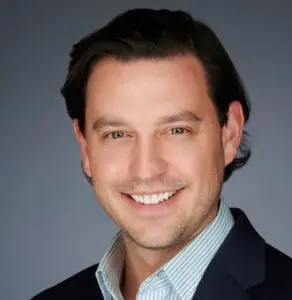
Brad Barker
CFO
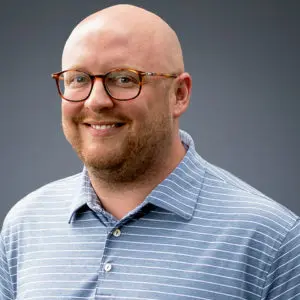
Chad Smith
CEO
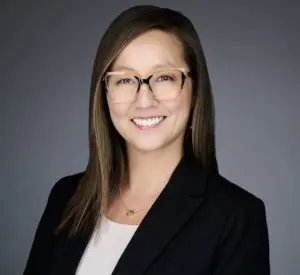
Jane Cobler
Chief People Officer
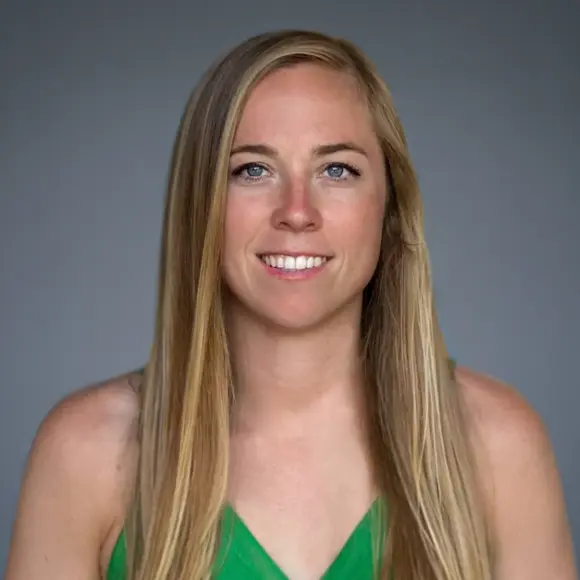
Jen Dumiak
Chief of Staff
Accreditations

LegitScript has reviewed BrightView as part of their certification program, and has determined that it meets the LegitScript standards for legality, safety and transparency.
LegitScript verified in April 2020

The Joint Commission, formerly known as JCAHO, is a nonprofit organization that accredits rehab organizations and programs. Founded in 1951, the Joint Commision's mission is to improve the quality of patient care and demonstrating the quality of patient care.
Joint Commission Accreditation: Yes

The National Association of Addiction Treatment Providers (NAATP) is a professional association that represents organizations in the field of addiction services. Founded in 1978, NAATP's mission is to advance addiction services and ensure that high-quality addiction treatment is available and accessible.
NAATP Member: Yes
Rehab.com regularly reviews this listing for accuracy but changes may occur between updates. For the most up-to-date information, please contact BrightView.
Contact Information

8120 Garnet Drive
Dayton, OH 45458
Get Help Now - 513-427-2173
Sponsored Helpline
Sponsored Helpline

