





























































































About Brook Lane
Brook Lane provides behavioral healthcare offering addiction and mental health treatment across a full continuum of care in Hagerstown, Maryland.
The facility treats substance use disorders, including alcoholism and drug addiction along with co-occurring mental health conditions for children, adolescents and adults.
Brook Lane provides structured, clinically staffed care designed to meet patients wherever they are in their recovery journey.
Addiction Recovery Services
Brook Lane’s Addiction Services provide comprehensive treatment for substance use disorders and co-occurring mental health needs.
The program spans multiple levels of care, including detox and withdrawal management, residential drug and alcohol rehab for adults and outpatient options.
Care is delivered by clinical teams offering both medical and therapeutic support in a structured setting.
Partial Hospitalization Programs offer day treatment while allowing patients to return home in the evenings .
Intensive Outpatient Programs provide group-based treatment several days per week so clients can maintain work, school and family responsibilities.
Residential Crisis and Specialized Programs
Beyond addiction care Brook Lane operates a voluntary, short-term Residential Crisis program for adults with serious mental illness and co-occurring substance use disorders.
Services include psychiatric care, medication management, nursing, group sessions and peer support, with stays typically lasting 4 to 10 days.
The organization also offers a dedicated Eating Disorders Program and specialized tracks for children and adolescents.
Facility Overview
 58
58 Latest Reviews



Rehab Score
 Our Methodology


Gallery
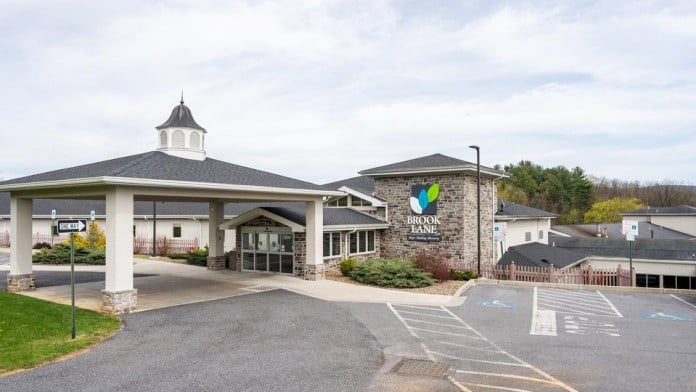
Other Forms of Payment
Private insurance refers to any kind of healthcare coverage that isn't from the state or federal government. This includes individual and family plans offered by an employer or purchased from the Insurance Marketplace. Every plan will have different requirements and out of pocket costs so be sure to get the full details before you start treatment.
Self-pay involves paying for treatment out of your own pocket. You can use savings or credit, get a personal loan, or receive help from family and friends to fund your treatment. If you don't have insurance or your insurance plan doesn't cover a specific program, self-pay can help ensure you still get the care you need.
Medicare is a federal program that provides health insurance for those 65 and older. It also serves people under 65 with chronic and disabling health challenges. To use Medicare for addiction treatment you need to find a program that accepts Medicare and is in network with your plan. Out of pocket costs and preauthorization requirements vary, so always check with your provider.
Medicaid is a state based program that helps lower-income individuals and families pay for healthcare. Medicaid covers addiction treatment so those enrolled can use their coverage to pay for rehab. When a program accepts Medicaid the client often pays very little or nothing out of their own pocket.
Addiction Treatments
Levels of Care
Outpatient Programs (OP) are for those seeking mental rehab or drug rehab, but who also stay at home every night. The main difference between outpatient treatment (OP) and intensive outpatient treatment (IOP) lies in the amount of hours the patient spends at the facility. Most of the time an outpatient program is designed for someone who has completed an inpatient stay and is looking to continue their growth in recovery. Outpatient is not meant to be the starting point, it is commonly referred to as aftercare.
Inpatient rehab enables clients to focus exclusively on their recovery while living in a highly structured and supportive environment. Inpatient treatment is typically designed for clients who have just completed detox, are in early recovery, and/or are at an elevated risk of relapse. Their treatment generally involves intensive addiction counseling, including individual, group, and family counseling. Many inpatient rehabs also offer recovery-focused life skills training and/or holistic therapies, such as yoga, massage, and meditation.
If you think a loved one needs help with substance abuse, but they are not seeking treatment, it may be time for a drug intervention in Maryland. Intervention services can help you with this effort. During the intervention, loved ones share how their addiction-related behavior has affected them and encourage the individual to get treatment. The intervention specialist helps facilitate the conversation and explain how treatment can help.
A partial hospitalization program (PHP) is a short-term form of intensive rehab, usually for those with acute symptoms that are hard to manage but don’t require 24-hour care. PHPs have structured programming (i.e. individual and/or group therapy), and usually meet 3-5 days a week for around 6 hours (i.e. 9am-3m). Some PHPs are residential (patients sleep on site) and some are not, so patients sleep at home. PHPs can last from 1-6 months, and some offer transportation and meals.
For intensive-level rehab treatment, 24-hour clinical care in Maryland is an essential tool. Medical staff are available around the clock to supervise the process, which involves cleansing the body of toxins. Close supervision is necessary due to the potential risks of withdrawal symptoms. Medical experts on-site are available to prescribe medications and other forms of treatment to address these symptoms and ensure a safe detox process.
Treatments
A combined mental health and substance abuse rehab has the staff and resources available to handle individuals with both mental health and substance abuse issues. It can be challenging to determine where a specific symptom stems from (a mental health issue or an issue related to substance abuse), so mental health and substance abuse professionals are helpful in detangling symptoms and keeping treatment on track.
Programs
Adult rehab programs include therapies tailored to each client's specific needs, goals, and recovery progress. They are tailored to the specific challenges adult clients may face, including family and work pressures and commitments. From inpatient and residential treatment to various levels of outpatient services, there are many options available. Some facilities also help adults work through co-occurring conditions, like anxiety, that can accompany addiction.
Young adulthood can be an exciting, yet difficult, time of transition. Individuals in their late teens to mid-20s face unique stressors related to school, jobs, families, and social circles, which can lead to a rise in substance use. Rehab centers with dedicated young adult programs will include activities and amenities that cater to this age group, with an emphasis on specialized counseling, peer socialization, and ongoing aftercare.
Clinical Services
Cognitive behavioral therapy in Maryland emphasizes your current life rather than what has happened in the past. Your therapist will help you develop methods to deal with current and future challenges so you can cope in healthy ways that don't involve substances.
Group therapy is any therapeutic work that happens in a group (not one-on-one). There are a number of different group therapy modalities, including support groups, experiential therapy, psycho-education, and more. Group therapy involves treatment as well as processing interaction between group members.
In individual therapy, a patient meets one-on-one with a trained psychologist or counselor. Therapy is a pivotal part of effective substance abuse treatment, as it often covers root causes of addiction, including challenges faced by the patient in their social, family, and work/school life.
When you participate in couples therapy, you learn how to understand each other better, improve your communication skills, resolve conflict, and improve relationship satisfaction. Your therapist will help you develop skills in each of these areas to strengthen your relationship.
Research clearly demonstrates that recovery is far more successful and sustainable when loved ones like family members participate in rehab and substance abuse treatment. Genetic factors may be at play when it comes to drug and alcohol addiction, as well as mental health issues. Family dynamics often play a critical role in addiction triggers, and if properly educated, family members can be a strong source of support when it comes to rehabilitation.
Amenities
-
 Residential Setting
 -
 Private Rooms
Staff
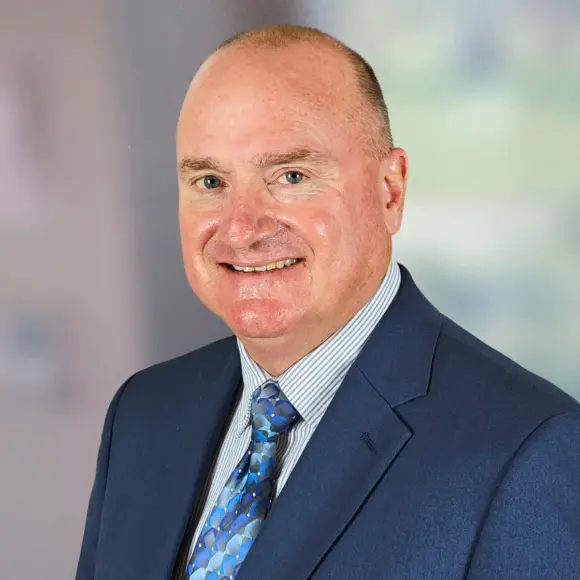
Jeffery D. O’Neal, MBA, LCPC, FACHE
CEO
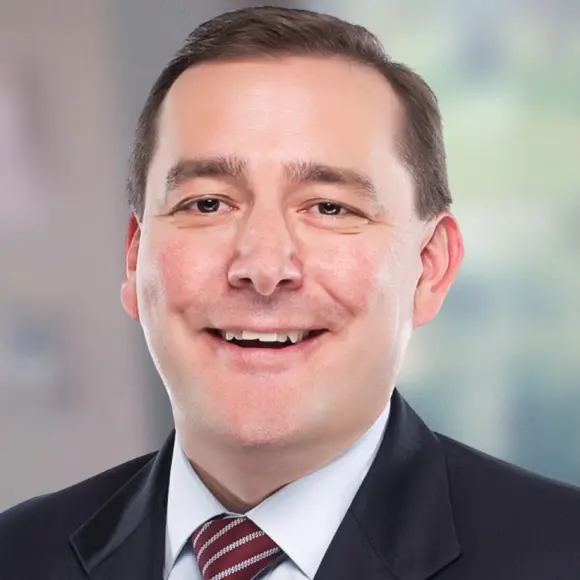
Allen Twigg, MBA, LCPC, FACHE
COO
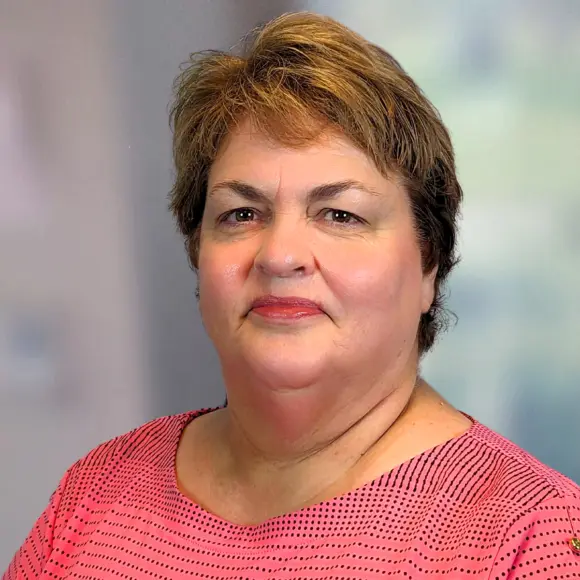
Karen Forsyth, RN
Chief Nursing Officer
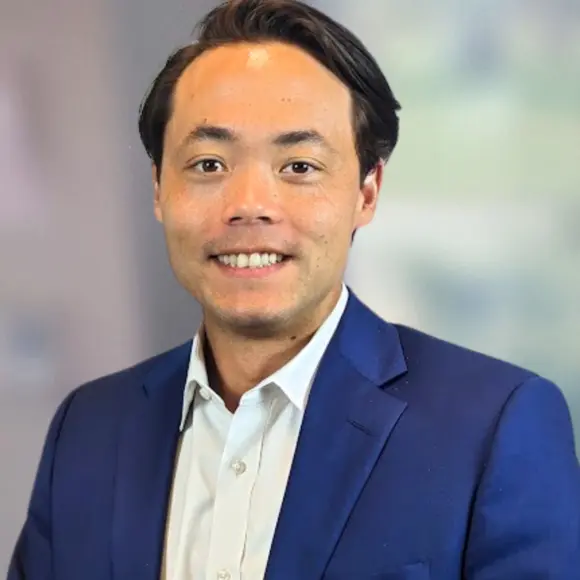
Yuki Uchino
Interim CIO
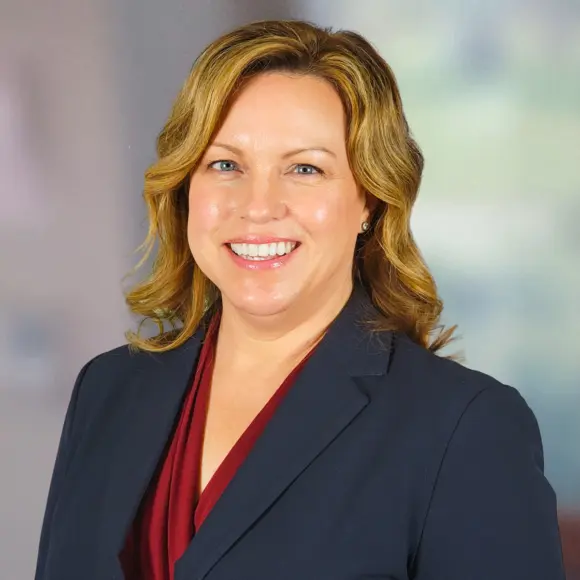
Nicole Twigg, SPHR
Chief Human Resources Officer
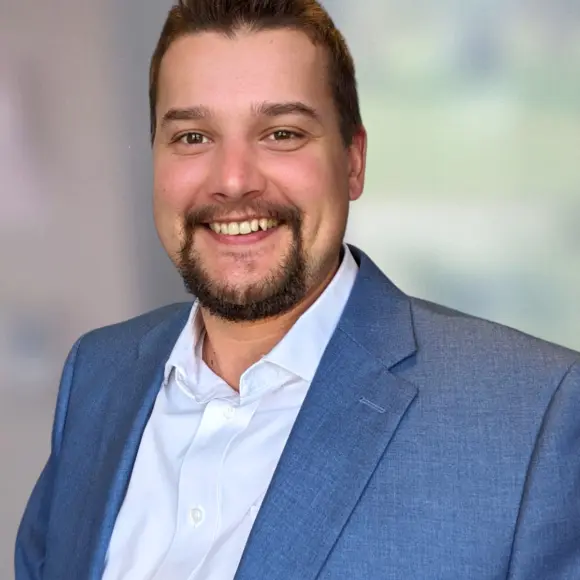
Levi Bucher, CPA
Interim CFO
Rehab.com regularly reviews this listing for accuracy but changes may occur between updates. For the most up-to-date information, please contact Brook Lane.
Contact Information


13121 Brook Lane
Hagerstown, MD 21742
Sponsored Helpline


