





























































































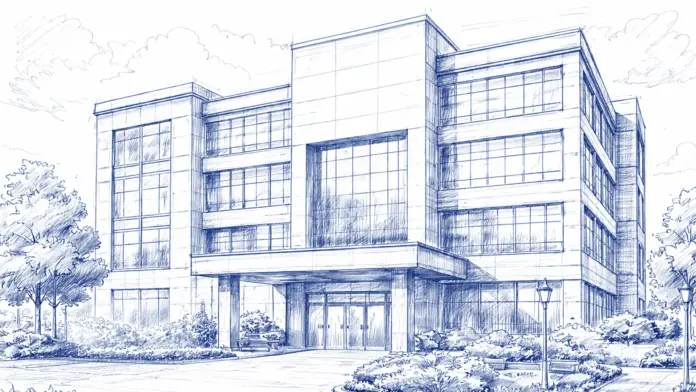


Causeway Collaborative has the most higher quality of service, their team seems to connect with kids, they really love their work, thanks to them my son was able to achieve self-confidence that allowed him to make great changes in his life.
About Causeway Collaborative
Causeway Collaborative is a facility in Westport, Connecticut, providing therapy services and mentorship for young men. Located on Post Road East, the center helps young men and their families thrive by offering guidance, encouragement and a peer network they can rely on.
Mentorship and Strategizing for Real Life Problems
The center employs a unique approach to counseling, which they refer to as “Therapeutic Mentorship.” The goal is to equip young men with the skills they need for independent living.
Through experiential therapy practiced in everyday activities, workshops for planning the future and an ethos of taking decisive action, young men can develop resilience and build their character.
Collaboration at the Center of Transformation
I appreciate the overwhelming positive reviews of past clients. Especially the common praise that the facility involves families profoundly as catalysts of change in young men’s lives. This way, the road to a better self is less lonely and the result can be stronger family units.
Causeway Collaborative is an out of network provider that accepts multiple payment options, including credit cards.
Latest Reviews
This is a valued resource in our community specifically for teen boys and young men. I appreciate their unique programming that is client-centered, their availability to consult, and their connections in this community and beyond.
Under the clinical leadership of renowned expert therapist Vince Benevento, the Causeway Collaborative team is composed of innovative, dedicated and passionate providers, who utilize an effective, time-tested and proven therapeutic intervention program. They helped thousands of young men reclaim the lives they were born to lead with their pragmatic and personal approach. For a young man in need of guidance and direction, there is no group I would turn to sooner than the Causeway team.
From 2018-2022, two of my sons were clients at Causeway. While as a parent I was not technically a client, I feel I also benefited so much from the experience. In our time at Causeway, my sons saw five different staff members for counseling, mentorship and goal setting, Each person added to the collective experience and I am so grateful to have had such supportive and caring men in our lives. Thank you.

Rehab Score
 Our Methodology
Scoring is assigned by a proprietary system which helps surface key metrics that determine quality. The 10-point scale factors in categories such as operations, customer satisfaction, and trust metrics. Read Full Methodology

6.7 / 10
Location
Other Forms of Payment
Self-pay involves paying for treatment out of your own pocket. You can use savings or credit, get a personal loan, or receive help from family and friends to fund your treatment. If you don't have insurance or your insurance plan doesn't cover a specific program, self-pay can help ensure you still get the care you need.
Sliding scale payments are based on a client's income and family size. The goal is to make treatment affordable to everyone. By taking these factors into account, addiction recovery care providers help ensure that your treatment does not become a financial burden to you or your family, eliminating one barrier to care.
Addiction Treatments
Levels of Care
Outpatient Programs (OP) are for those seeking mental rehab or drug rehab, but who also stay at home every night. The main difference between outpatient treatment (OP) and intensive outpatient treatment (IOP) lies in the amount of hours the patient spends at the facility. Most of the time an outpatient program is designed for someone who has completed an inpatient stay and is looking to continue their growth in recovery. Outpatient is not meant to be the starting point, it is commonly referred to as aftercare.
Intensive Outpatient Programs (IOP) are for those who want or need a very structured treatment program but who also wish to live at home and continue with certain responsibilities (such as work or school). IOP substance abuse treatment programs vary in duration and intensity, and certain outpatient rehab centers will offer individualized treatment programs.
Intervention services helps family or friends of addicts stage an intervention, which is a meeting in which loved ones share their concerns and attempt to get an addict into treatment. Professional intervention specialists can help loved ones organize, gather, and communicate with an addict. They can guide intervention participants in describing the damage the addict's behavior is causing and that outside help is necessary to address the addiction. The ideal outcome of an intervention is for the addict to go to rehab and get the help they need.
Completing a drug or alcohol rehab program shouldn't spell the end of substance abuse treatment. Aftercare involves making a sustainable plan for recovery, including ongoing support. This can include sober living arrangements like halfway houses, career counseling, and setting a patient up with community programs like Alcoholics Anonymous (AA) or Narcotics Anonymous (NA).
Treatments
The goal of treatment for alcoholism is abstinence. Those with poor social support, poor motivation, or psychiatric disorders tend to relapse within a few years of treatment. For these people, success is measured by longer periods of abstinence, reduced use of alcohol, better health, and improved social functioning. Recovery and Maintenance are usually based on 12 step programs and AA meetings.
Drug rehab in Connecticut provides the professional support that is often necessary to break free from drug dependency. With proper treatment, individuals can make changes that restore balance and health to their lives and achieve long-term recovery.
Many of those suffering from addiction also suffer from mental or emotional illnesses like schizophrenia, bipolar disorder, depression, or anxiety disorders. Rehab and other substance abuse facilities treating those with a dual diagnosis or co-occurring disorder administer psychiatric treatment to address the person's mental health issue in addition to drug and alcohol rehabilitation.
A combined mental health and substance abuse rehab has the staff and resources available to handle individuals with both mental health and substance abuse issues. It can be challenging to determine where a specific symptom stems from (a mental health issue or an issue related to substance abuse), so mental health and substance abuse professionals are helpful in detangling symptoms and keeping treatment on track.
Programs
Young adulthood can be an exciting, yet difficult, time of transition. Individuals in their late teens to mid-20s face unique stressors related to school, jobs, families, and social circles, which can lead to a rise in substance use. Rehab centers with dedicated young adult programs will include activities and amenities that cater to this age group, with an emphasis on specialized counseling, peer socialization, and ongoing aftercare.
Clinical Services
Research clearly demonstrates that recovery is far more successful and sustainable when loved ones like family members participate in rehab and substance abuse treatment. Genetic factors may be at play when it comes to drug and alcohol addiction, as well as mental health issues. Family dynamics often play a critical role in addiction triggers, and if properly educated, family members can be a strong source of support when it comes to rehabilitation.
According to cognitive behavioral therapy in Connecticut, individuals can change their behaviors by changing their thoughts. Applied to substance use disorder, this can be an effective treatment method to help patients transform their thoughts and lives.
Clients participating in dialectical behavior therapy in Connecticut can expect to attend weekly skills focused group meetings as well as one on one sessions with the therapist. Individual sessions usually last one hour, and groups, made up of four to 10 people, last 1.5 to 2 hours. The focus is to help clients accept situations, recognize emotions, and acknowledge the need for change.
Amenities
-
 Residential Setting
 -
 Private Setting
Staff & Accreditations
Staff
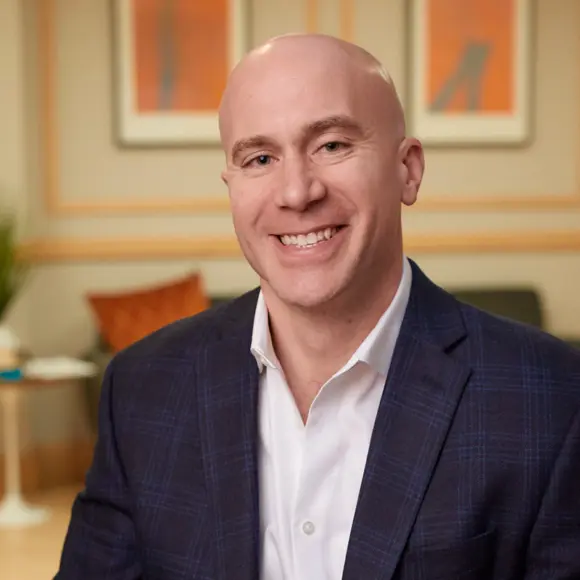
Vince Benevento
Founder & Chief Executive Officer
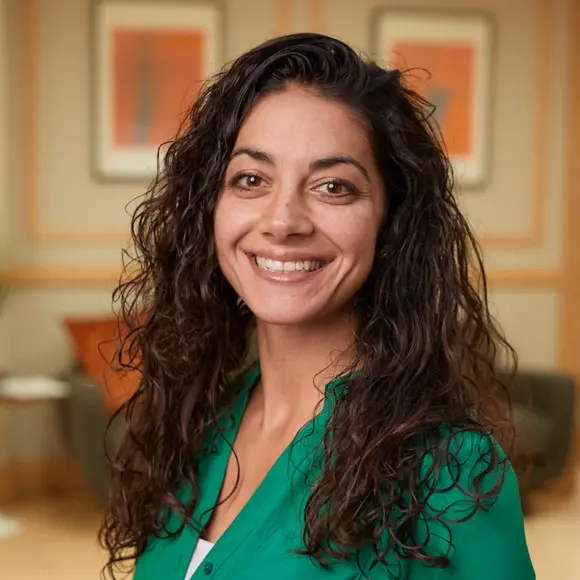
Gina Benevento
Chief Financial Officer
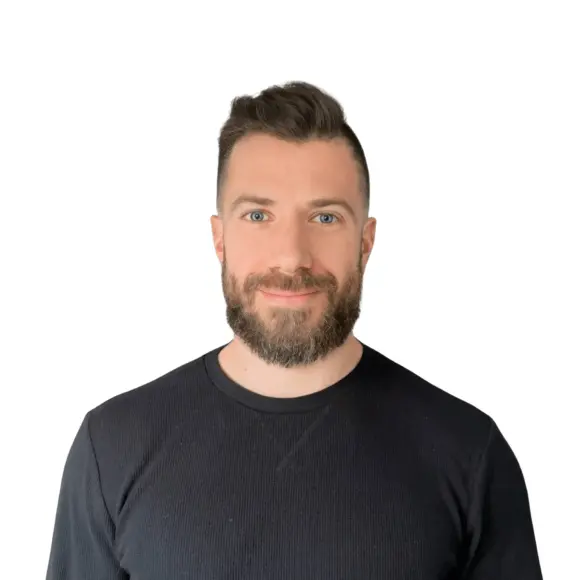
Justin Carotti
Chief Operating Officer
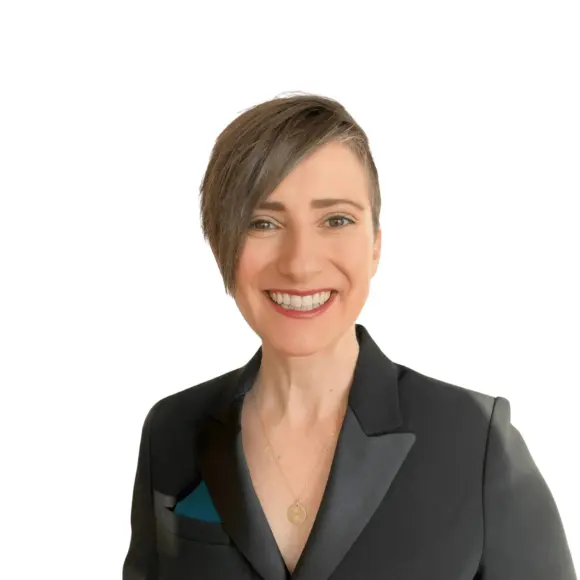
Dr. Nicole O’Brien, LMFT
Chief Clinical Officer
Accreditations

State Licenses are permits issued by government agencies that allow rehab organizations to conduct business legally within a certain geographical area. Typically, the kind of program a rehab facility offers, along with its physical location, determines which licenses are required to operate legally.
State License: Connecticut
License Number: 002552
Rehab.com regularly reviews this listing for accuracy but changes may occur between updates. For the most up-to-date information, please contact Causeway Collaborative.
Contact Information

1465 Post Road East
Suite 201
Westport, CT 06880
Get Help Now - 860-264-6018
Sponsored Helpline
Sponsored Helpline


