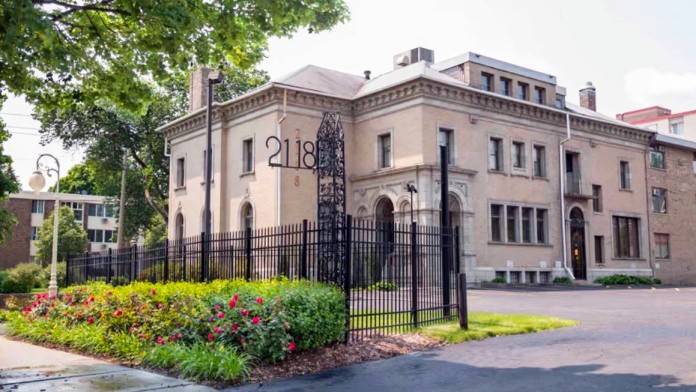
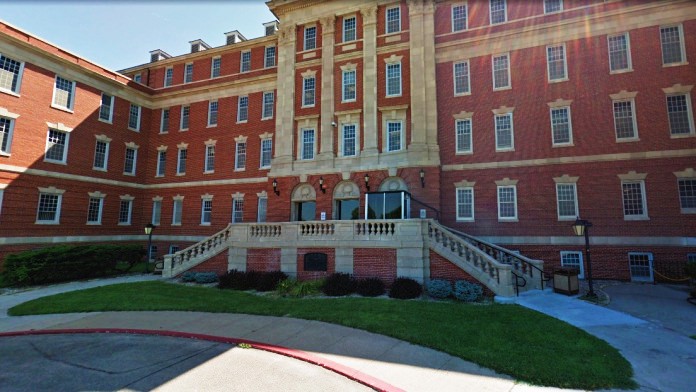
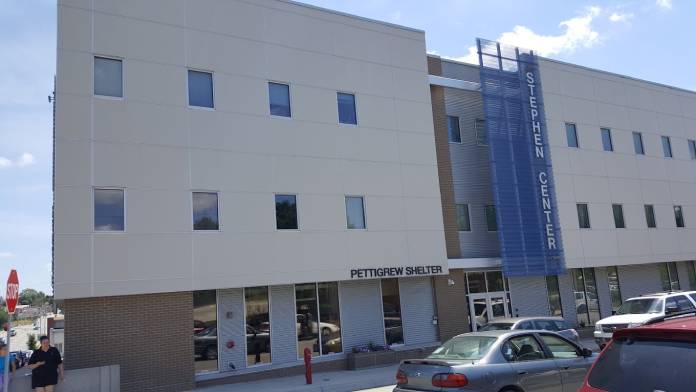
C&B was a great experience! I manage to restore my life thanks to this place. They were very attentive and helpful. The environment really helps too.
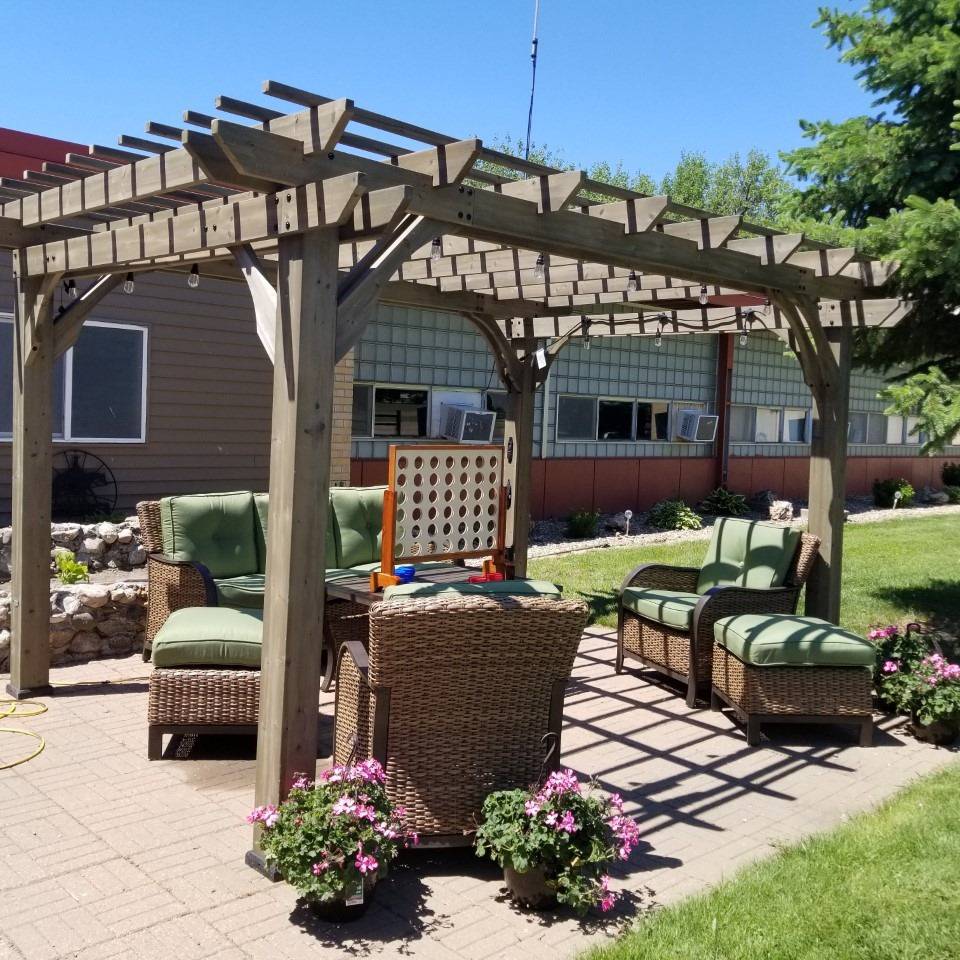
Prairie Recovery Center
Raleigh, ND 58564






































































































 Our Methodology


Medicaid is a state based program that helps lower-income individuals and families pay for healthcare. Medicaid covers addiction treatment so those enrolled can use their coverage to pay for rehab. When a program accepts Medicaid the client often pays very little or nothing out of their own pocket.
Private insurance refers to any kind of healthcare coverage that isn't from the state or federal government. This includes individual and family plans offered by an employer or purchased from the Insurance Marketplace. Every plan will have different requirements and out of pocket costs so be sure to get the full details before you start treatment.
Self-pay involves paying for treatment out of your own pocket. You can use savings or credit, get a personal loan, or receive help from family and friends to fund your treatment. If you don't have insurance or your insurance plan doesn't cover a specific program, self-pay can help ensure you still get the care you need.
Medicare is a federal program that provides health insurance for those 65 and older. It also serves people under 65 with chronic and disabling health challenges. To use Medicare for addiction treatment you need to find a program that accepts Medicare and is in network with your plan. Out of pocket costs and preauthorization requirements vary, so always check with your provider.
Military members, veterans, and eligible dependents have access to specific insurance programs that help them get the care they need. TRICARE and VA insurance can help you access low cost or no cost addiction and mental health treatment. Programs that accept military insurance often have targeted treatment focused on the unique challenges military members, veterans, and their families face.
Outpatient Programs (OP) are for those seeking mental rehab or drug rehab, but who also stay at home every night. The main difference between outpatient treatment (OP) and intensive outpatient treatment (IOP) lies in the amount of hours the patient spends at the facility. Most of the time an outpatient program is designed for someone who has completed an inpatient stay and is looking to continue their growth in recovery. Outpatient is not meant to be the starting point, it is commonly referred to as aftercare.
The goal of treatment for alcoholism is abstinence. Those with poor social support, poor motivation, or psychiatric disorders tend to relapse within a few years of treatment. For these people, success is measured by longer periods of abstinence, reduced use of alcohol, better health, and improved social functioning. Recovery and Maintenance are usually based on 12 step programs and AA meetings.
The goal of drug rehab in North Dakota is to help individuals overcome addiction. These programs provide treatment for both mind and body and teach participants how to live healthy, productive lives without drug abuse.
A combined mental health and substance abuse rehab has the staff and resources available to handle individuals with both mental health and substance abuse issues. It can be challenging to determine where a specific symptom stems from (a mental health issue or an issue related to substance abuse), so mental health and substance abuse professionals are helpful in detangling symptoms and keeping treatment on track.
Adult rehab programs include therapies tailored to each client's specific needs, goals, and recovery progress. They are tailored to the specific challenges adult clients may face, including family and work pressures and commitments. From inpatient and residential treatment to various levels of outpatient services, there are many options available. Some facilities also help adults work through co-occurring conditions, like anxiety, that can accompany addiction.
Whether a marriage or other committed relationship, an intimate partnership is one of the most important aspects of a person's life. Drug and alcohol addiction affects both members of a couple in deep and meaningful ways, as does rehab and recovery. Couples therapy and other couples-focused treatment programs are significant parts of exploring triggers of addiction, as well as learning how to build healthy patterns to support ongoing sobriety.
Family therapists in North Dakota use therapy sessions to emphasize healing the relationships that were strained by addiction. Your therapist will help each family member understand the role they played in addiction and their responsibilities in recovery. This helps foster a collaborative approach that benefits each loved one and the family unit.
Group therapy is any therapeutic work that happens in a group (not one-on-one). There are a number of different group therapy modalities, including support groups, experiential therapy, psycho-education, and more. Group therapy involves treatment as well as processing interaction between group members.
 Yoga Studio
Licensed Psychologist
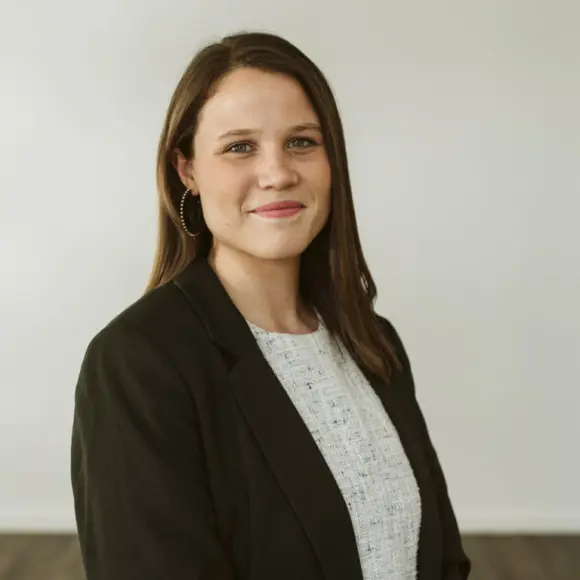
Licensed Psychologist
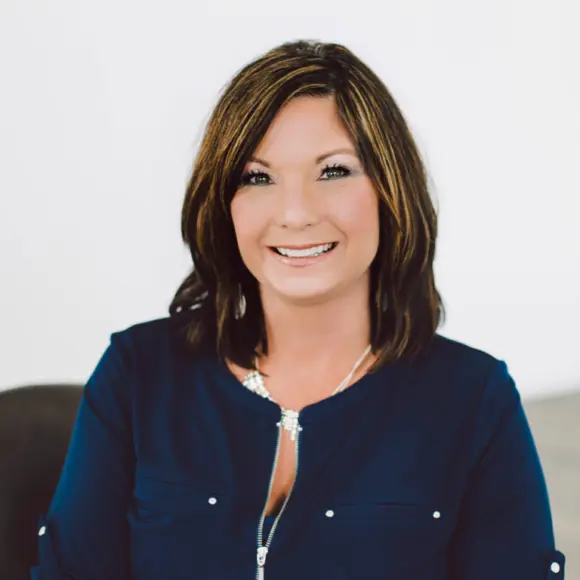
Psychiatric Mental Health Clinical Nurse Specialist
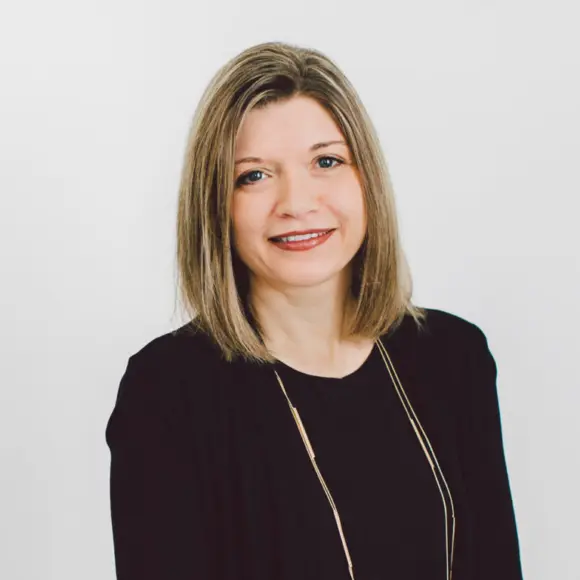
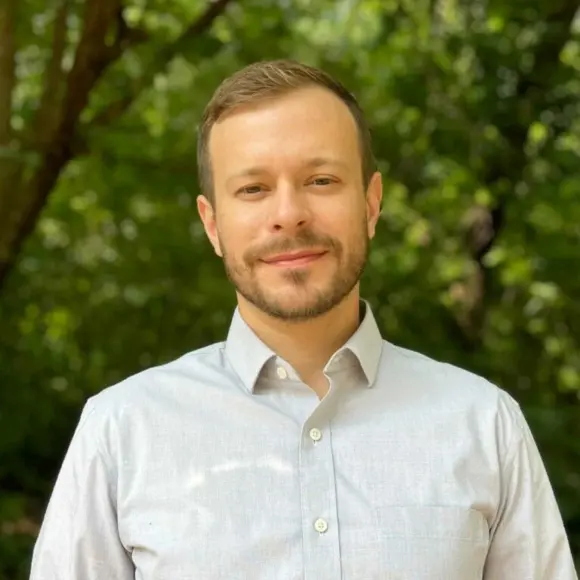
Licensed Psychologist
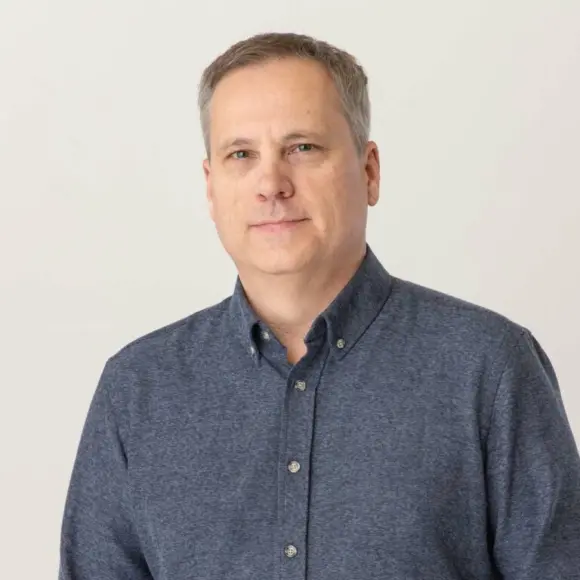
Licensed Psychologist
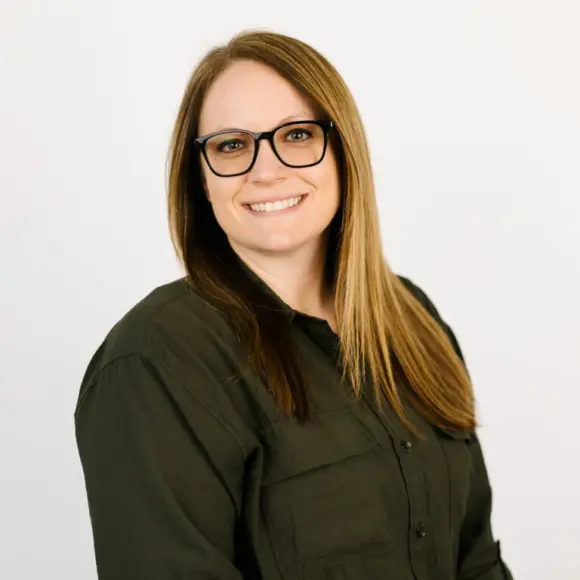
Licensed Professional Clinical Counselor
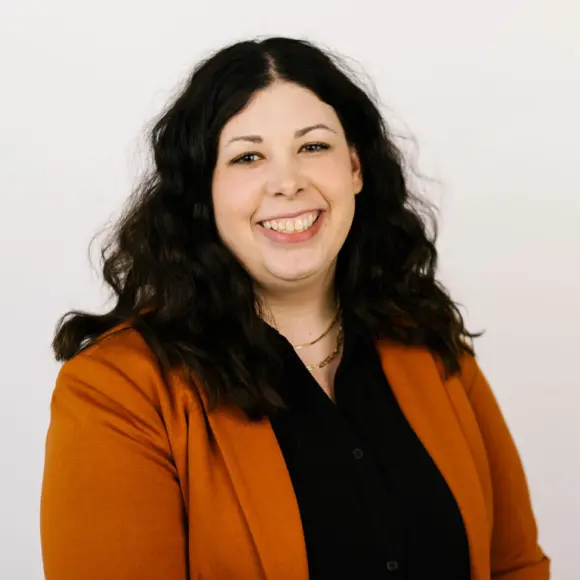
Licensed Master Level Social Worker

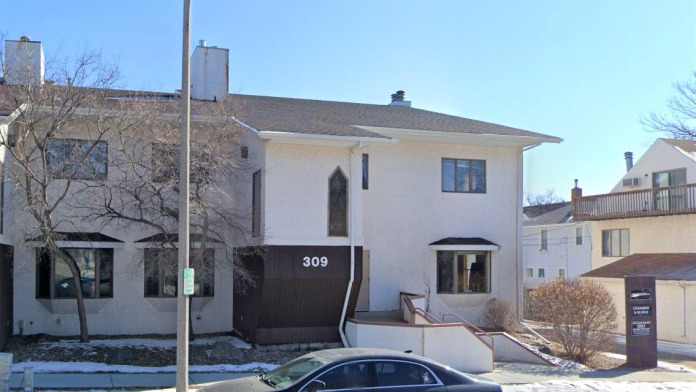
309 N Mandan
St #1
Bismarck, ND 58501
Sponsored Helpline
C&B was a great experience! I manage to restore my life thanks to this place. They were very attentive and helpful. The environment really helps too.

Dr. Krumm is the best psychologist you could ask for. She is compassionate, personable, and will leave you feeling supported and cared for. Highly recommend!


I've been mentally ill my whole life and have tried different therapies over the years. I'm finally at a point where I have the time, support, and insurance to dive back in and hopefully accomplish something different since progress has been slow despite the dozens of doctors, meds, treatments, and books I've tried. This place offered something new that I desperarely needed, and I was rejected. Then I was told how to feel about it, gaslighted with a 'don't take it as being denied help', and then sent home with a public group where I could vent the hopelessness of my frustration with the other suicidals of the community. Suicide wasn't even a topic the entire time I was there. This has negatively affected my mental health. Alek Crumb won't even remember who I am after today, but I won't forget that face for years. If I could rate this place negative stars, I would.

 Back
Back
Sharing your insights and experiences can help others learn more about this rehab center.