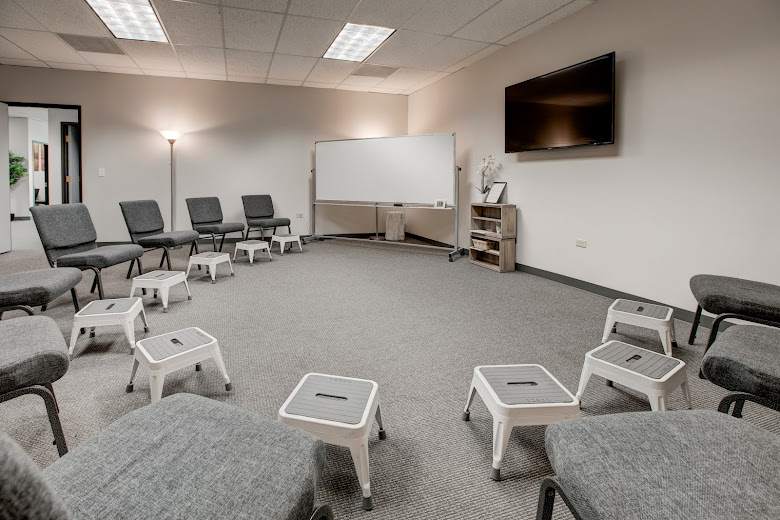
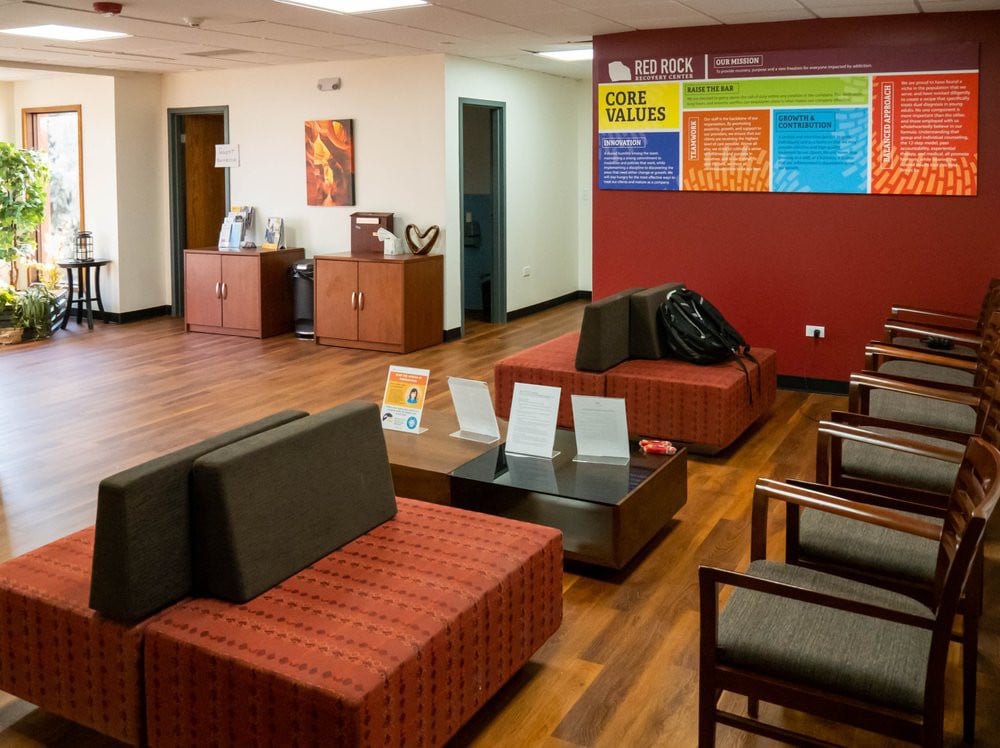
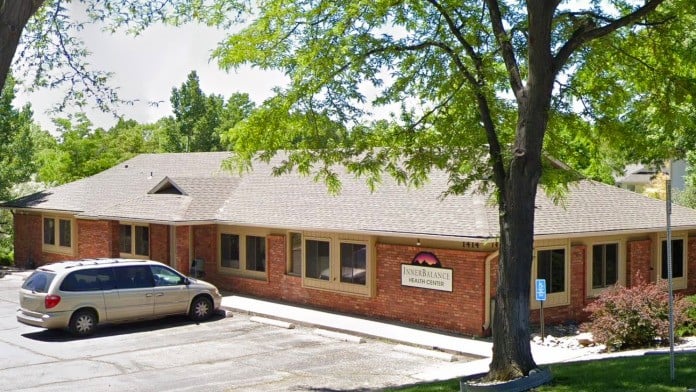
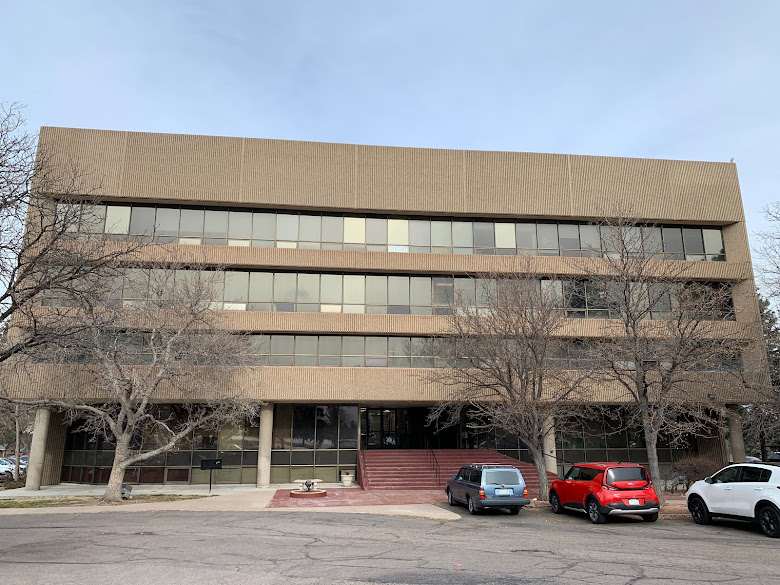
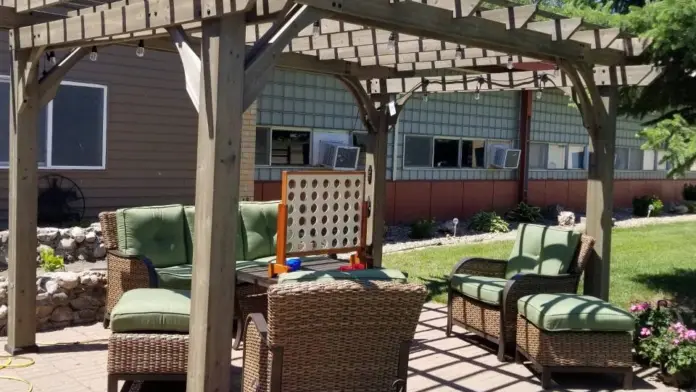
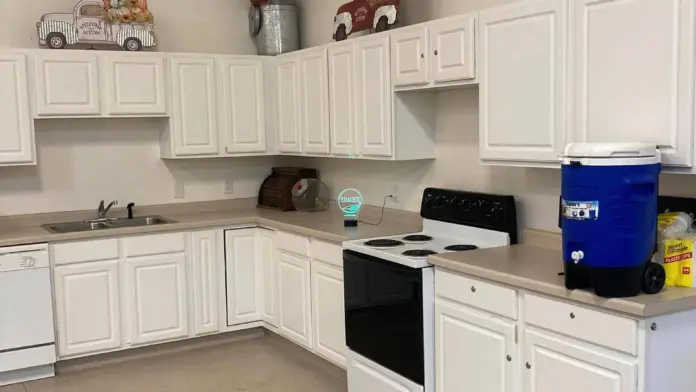
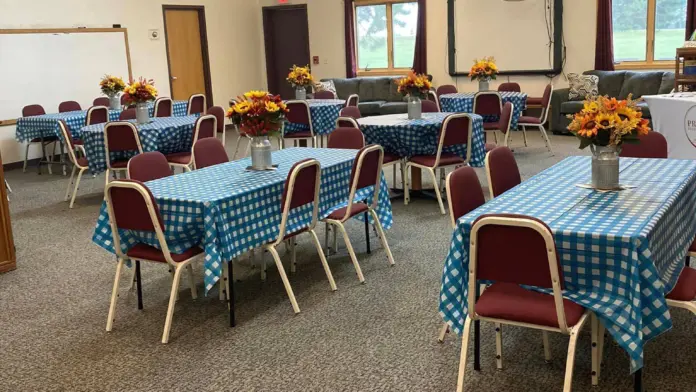
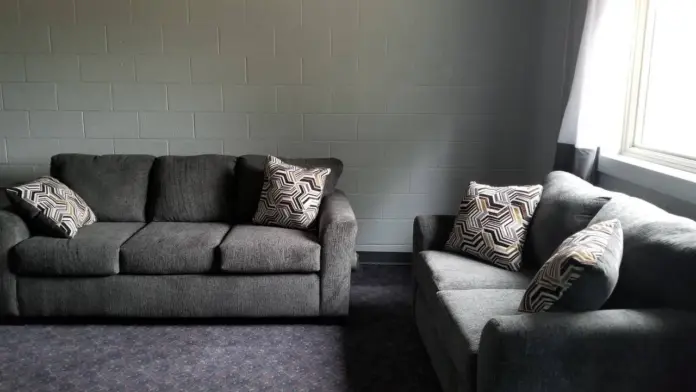
Many have found the center a rustic, country-like, wonderful experience that helps people help themselves. Past patients have said it’s a place where you can focus on yourself and learn life skills that can help you avoid substance use. Communal dining, an expansive kitchen, and outdoor socialization are just a few of the amenities you can partake in.
The center is also said to be inviting and welcoming, especially its residential treatment program. This program provides co-occurring disorder treatment for mental health concerns alongside substance abuse treatment. It also offers various forms of therapy, including mindfulness-based therapy programs, eye movement desensitization and reprocessing (EMDR) therapy, and psychodrama.
You might also love that it provides Native American healing traditions as part of its residential treatment. The family recovery program is also noteworthy. The center realizes that addiction can tear families apart, which is why it provides this program for people and their families when they are ready to make a change. In this program, you can expect family counseling and transformative healing.
Besides these programs, it’s also essential to know that many have found the different addiction treatment therapies to be helpful on their path to sobriety. For example, motivational interviewing, dialectical behavior therapy, and cognitive behavioral therapy are inspirational and instrumental in the fight to overcome addiction for many, and maybe you, too!
First treatment I ever finished and felt safe at. Great team! Shout out to Cindy for being the best therapist. Let the whole team help you. Food was so good! Work the program. It really works, I think if I’m not mistaken, the highest rate at success in the state, and let’s just say lifelong friends are made and everything here is so special. You can feed the horses, work out, do your laundry, and when you graduate you get a blanket, and everyone loves them!
Response from the owner1 week ago
Hi, Sage. We are thrilled to learn that you had a positive experience with us!
One of the best experiences of my life. The staff are nothing but kind, caring, and personal! The classes do a great job of diving into the traumas, mentalities, and lifestyles of the addict.
A judgement free zone.
Excellent 3 square meals a day.
A relaxing after care environment.
AA/NA
Before I graduated, they started Wellbriety.
Native/Indigenous spiritual practices.
Catholic Mass every Wednesday and Saturday.
Horses to feed and pet.
Personal Health Web sessions.
Online Anonymous meetings.
Outings are carefully planned out and exciting.
Group creative and athletic activities are always high energy and entertaining.
10/10 Will always recommend to the struggling addict.
All the love to my PRC family!❤️❤️
Graduation 1/26/26
Response from the owner1 week ago
Hi, Seth. Your feedback is highly appreciated. Thank you for the review!
Scoring is assigned by a proprietary system which helps surface key metrics that determine quality. The 10-point scale factors in categories such as operations, customer satisfaction, and trust metrics. Read Full Methodology
7.3 / 10
Gallery
Accepted Insurance
Please contact to verify your specific insurance provider.
Prairie Recovery Center works with several private insurance providers, please contact to verify your specific insurance provider.
Private insurance refers to any kind of healthcare coverage that isn't from the state or federal government. This includes individual and family plans offered by an employer or purchased from the Insurance Marketplace. Every plan will have different requirements and out of pocket costs so be sure to get the full details before you start treatment.
Self-pay involves paying for treatment out of your own pocket. You can use savings or credit, get a personal loan, or receive help from family and friends to fund your treatment. If you don't have insurance or your insurance plan doesn't cover a specific program, self-pay can help ensure you still get the care you need.
Financial aid can take many forms. Centers may have grants or scholarships available to clients who meet eligibility requirements. Programs that receive SAMHSA grants may have financial aid available for those who need treatment as well. Grants and scholarships can help you pai for treatment without having to repay.
Medicaid is a state based program that helps lower-income individuals and families pay for healthcare. Medicaid covers addiction treatment so those enrolled can use their coverage to pay for rehab. When a program accepts Medicaid the client often pays very little or nothing out of their own pocket.
Addiction Treatments
Levels of Care
Outpatient Programs (OP) are for those seeking mental rehab or drug rehab, but who also stay at home every night. The main difference between outpatient treatment (OP) and intensive outpatient treatment (IOP) lies in the amount of hours the patient spends at the facility. Most of the time an outpatient program is designed for someone who has completed an inpatient stay and is looking to continue their growth in recovery. Outpatient is not meant to be the starting point, it is commonly referred to as aftercare.
Inpatient rehabs primarily serve clients who have just completed detox, those who are in crisis and at an elevated risk of relapse, and those who have a strong history of relapse. They provide a highly structured and supportive environment and intensive supervision. Residents engage in extensive addiction counseling. Many programs also offer recovery-focused life skills training to support clients' sustained sobriety. Holistic therapies, such as yoga and meditation, are available at many facilities.
Clients receiving treatment in an intensive outpatient program (IOP) often require higher-level support than those in standard outpatient (OP) programs. They are usually in early recovery or are experiencing crisis situations that increase their relapse risk. Intensive outpatient treatment generally involves nine to 20 hours of treatment weekly and may include a combination of addiction counseling, recovery education, medication assisted treatment (MAT), and holistic therapies, such as meditation, acupuncture, and massage.
Clients engaged in a rehab aftercare program may be receiving outpatient treatment or they may have already been discharged from formal treatment after completing intensive inpatient and/or outpatient care. These programs are designed to support clients' long-term sobriety through a robust continuum of care customized for clients' unique and evolving needs. Peer coaching, career counseling, relapse prevention, and 12 step program induction are among the most common rehab aftercare services.
Recovery models based on 12 step programming combine intensive peer support with an emphasis on personal growth. Participants are expected to select a peer sponsor to mentor them through the recovery journey. 12 step recovery strategies are rooted in spiritual principles to promote self-compassion, acceptance, and accountability. Regular attendance at group meetings, which are free, anonymous, and open to the public, is expected. Specialized formats, including programs for seniors, youth, and families, are available in most communities.
Intervention services offer expert insights into the planning and execution of a drug intervention in North Dakota. Applying expert knowledge, an intervention specialist can develop an intervention plan that is tailored to the needs of the family. This customized, expert approach can help guide the individual to treatment without harming their self-esteem or putting barriers between family members.
In a partial hospitalization program (PHP), you'll experience intensive rehab with the ability to return home each day. PHP treatment is recommended for those with moderate to severe addictions that don't require 24/7 care. A partial hospitalization program serves as an alternative to inpatient hospitalization or as a step-down option. Throughout the week, you'll attend meetings for 4-8 hours each day, up to 3-5 days a week, for an average of 90 days. Medication management, evidence-based therapies, and relapse prevention are typical components of PHP treatment.
Treatments
A combined mental health and substance abuse rehab has the staff and resources available to handle individuals with both mental health and substance abuse issues. It can be challenging to determine where a specific symptom stems from (a mental health issue or an issue related to substance abuse), so mental health and substance abuse professionals are helpful in detangling symptoms and keeping treatment on track.
An alcohol use disorder is a condition in which your ability to control how much you drink is impaired. People with alcoholism typically require some form of alcohol rehab in North Dakota to recover from alcohol addiction. Treatment may involve individual or group counseling, residential rehab, or an outpatient program. Support systems are key during and after treatment, so family involvement and mutual-support groups are crucial.
The goal of drug rehab in North Dakota is to help individuals overcome addiction. These programs provide treatment for both mind and body and teach participants how to live healthy, productive lives without drug abuse.
In North Dakota, individuals seeking substance abuse treatment can typically expect various programs and levels of care, including inpatient rehab, intensive outpatient, detox, and partial hospitalization. Typically, these programs utilize evidence-based therapies such as cognitive-behavioral therapy (CBT), dialectical behavior therapy (DBT), and mindfulness-based interventions. You'll also learn valuable coping skills, relapse prevention strategies, and tools to repair your relationships — all critical skills for long-term recovery.
Programs
Adult rehab programs include therapies tailored to each client's specific needs, goals, and recovery progress. They are tailored to the specific challenges adult clients may face, including family and work pressures and commitments. From inpatient and residential treatment to various levels of outpatient services, there are many options available. Some facilities also help adults work through co-occurring conditions, like anxiety, that can accompany addiction.
Recovery is most successful when clients feel accepted and validated by their peers and treatment providers. Facilities that offer LGBTQ-inclusive programming are committed to creating a safe space where everyone can grow and recover without fear of judgment or discrimination. They will have dedicated policies in place to create a safe and supportive environment that fosters free expression.
Clinical Services
Cognitive Behavioral Therapy (CBT) is a therapy modality that focuses on the relationship between one's thoughts, feelings, and behaviors. It is used to establish and allow for healthy responses to thoughts and feelings (instead of unhealthy responses, like using drugs or alcohol). CBT has been proven effective for recovering addicts of all kinds, and is used to strengthen a patient's own self-awareness and ability to self-regulate. CBT allows individuals to monitor their own emotional state, become more adept at communicating with others, and manage stress without needing to engage in substance abuse.
Men and women in North Dakota find accountability and motivation within group therapy sessions. Members encourage each other to stay committed to their recovery goals, which fosters a sense of community and shared progress. These friendships often follow you outside the group therapy setting.
People in North Dakota work confidentially with their therapist who uses tailored interventions in the individual therapy sessions. These help you to develop effective coping skills and use emotional regulation techniques that enhance your likelihood of experiencing long term and sustainable sobriety.
Motivational Interviewing (MI) is a clinical approach to helping people with substance abuse issues and other conditions shift behavior in positive ways. It is more goal-oriented than traditional psychotherapy, as MI counselors directly attempt to get clients to consider making behavioral change (rather than wait for them to come to conclusions themselves). Its primary purpose is to resolve ambivalence and help clients become able to make healthy choices freely.
Trauma therapy aims to help you heal from the emotional and physical effects that are common after witnessing or experiencing a traumatic event. Working with a therapist, you learn to process the experience and develop healthy coping strategies that reduce your anxiety and improve your self confidence.
Couples therapy lasts an average of 12 sessions. Most sessions involve both partners; however, therapists may also meet with each partner individually. The focus of couples therapy is to address conflict and improve the way you handle challenges in the relationship.
EMDR is a therapeutic modality originally developed to help process trauma. In an EMDR session, a patient is prompted to undergo eye movements that mimic those of REM sleep. This is accomplished by watching a therapist's finger move back and forth across, or following a bar of light. The goal is repetitive sets of eye movements that help the brain reprocess memory, which can significantly reduce the intensity of remembered traumatic incidents. Associated memories can heal simultaneously, leaving patients significantly calmer, more stable, and more emotionally relaxed.
Research clearly demonstrates that recovery is far more successful and sustainable when loved ones like family members participate in rehab and substance abuse treatment. Genetic factors may be at play when it comes to drug and alcohol addiction, as well as mental health issues. Family dynamics often play a critical role in addiction triggers, and if properly educated, family members can be a strong source of support when it comes to rehabilitation.
Life skills trainings involve all the skills a person must have in order to function successfully in the world. These include time management, career guidance, money management, and effective communication. Truly successful addiction recovery is based on the ability to not only live substance-free, but to thrive. Life skills teaches the practical necessities of functioning in society, which sets clients up for success in life, and therefore sobriety.
Your dialectical behavior therapy sessions in North Dakota will include individual and group formats. During group sessions, you may participate in group exercises such as role play. You'll also have homework assignments each week to practice the skills you're learning and to keep a diary of your emotions. Diary entries will guide your weekly one on one sessions.
Amenities
Mountain Views
Staff
Amanda M.
Licensed Addiction Counselor & Executive Director
Dave M.
Business Development Director
Steph J.
Administrative Director
Andrea M.
Finance Director
Michelle D.
Insurance & Intake Specialist
Shari S.
Receptionist & Transportation Coordinator
Rehab.com regularly reviews this listing for accuracy but changes may occur between updates. For the most up-to-date information, please contact Prairie Recovery Center.
I checked myself in for detox, I was there for about 7 days and decided to check myself out because of some personal tasks that were not being completed to me as promised on the outside.
Ergestine, my case manager, not licenced peer support or any substance abuse certificate ...
Read More
Dean B.
Reviewed on 3/27/2026
Staff
3
Amenities
3
Meals
3
Value
4
Cleanliness
2
5
honestly life changing
i couldnt say anything more than the staff was incredibly helpful in changing my thoughts on everything regarding a drug treatment and my daughter and wife both attended the program. I feel it was the most life changing experience we could have ever imagined coming from some ...
Read More
First treatment I ever finished and felt safe at. Great team! Shout out to Cindy for being the best therapist. Let the whole team help you. Food was so good! Work the program. It really works, I think if I’m not mistaken, the highest rate at success in the state, and let’s just say lifelong friends are made and everything here is so special. You can feed the horses, work out, do your laundry, and when you graduate you get a blanket, and everyone loves them!
Response from the owner
Hi, Sage. We are thrilled to learn that you had a positive experience with us!
Bradley Huard
6 months ago
3
The staff ans everybody there were awesome and they try to touch on every aspect of addiction recovery. Shout out to Zack and Amber and my LAC Kevin on zoom everyday up in Rolla, ND i believe. He is great too. Actually the entire staff out there on the Prarie... Lol... I do have 1 huge problem with their entire process. I was there a little over a year ago and completed everything. I think i was there just a tad over 45 days. But i drove from Eastern ND area about 5 hours to west of Bismarck where PRC is located. And to be completely honest i did my drugs and drank my booze the entire way there. But wasn't able to finish my stash before i got there so i just tossed my meth pipe and dope in my door along with the 4 or 5 shots i had left thinking well they are gonna search my vehicle and will obviously take all the shit outta my car for when i leave a month amd a half later... Sober. Because they wouldn't even tell me where my car was the entire stay i was there until the day i left, which they pulled my car from wherever they kept it the whole time for when i left the day of graduation. And i jump in for my 5 hour drive back home to my new life and family,,, and look in the door and there is the 4 shots and pipe and dope o left right there in plain site when i checked myself in over 45 days before. I just assumed they would search my car and take all the bad stuff out like every other place has done before since I've been to treatment 5 times before at other places. But nope.... I had that 5 min after i left there. I blame nobody besides myself... But come on now... Of COURSE I USED on the way home. That was just very very surprising that they did that and basically set me upto do what addicts do. I absolutely respect this place but if you ever go and drive yourself there... Be sure to clean out your vehicle before checking in. Thanks.
Seth Enno
7 months ago
5
One of the best experiences of my life. The staff are nothing but kind, caring, and personal! The classes do a great job of diving into the traumas, mentalities, and lifestyles of the addict.
A judgement free zone.
Excellent 3 square meals a day.
A relaxing after care environment.
AA/NA
Before I graduated, they started Wellbriety.
Native/Indigenous spiritual practices.
Catholic Mass every Wednesday and Saturday.
Horses to feed and pet.
Personal Health Web sessions.
Online Anonymous meetings.
Outings are carefully planned out and exciting.
Group creative and athletic activities are always high energy and entertaining.
10/10 Will always recommend to the struggling addict.
All the love to my PRC family!❤️❤️
Graduation 1/26/26
Response from the owner
Hi, Seth. Your feedback is highly appreciated. Thank you for the review!
Jason Collins is an experienced freelance writer, editor, proofreader, and content creator with more than seven years of experience across multiple industries, including healthcare. He holds a Bachelor of Arts degree in English and is published in print and digital magazines. He has a special interest in addiction treatment and recovery and is enthusiastic about bringing awareness to addiction and providing insights into this complex topic.
By calling the helpline you agree to the terms of use. We do not receive any commission or fee that is dependent upon which treatment provider a caller chooses. There is no obligation to enter treatment.
Calls to numbers on a specific treatment center listing will be routed to that treatment center. Calls to any general helpline could be forwarded to SAMHSA or a verified treatment provider.
If you wish to connect with non-sponsor centers, you can browse top-rated listings, visit our homepage and browse by state, or visit SAMHSA.

 Sponsored Helpline





























































































 61 - 90





 Mountain Views