






























































































Exactly like a prison. Stayed here 5 days, got sexually assaulted by another patient and staff barely did anything. Staff are rude and they dont care about anything but their job. Treats patients like theyre a burden over the simplest things. Entire place is unclean, food is ...
About Deaconess Cross Pointe Outpatient Services
You’ll work with the multi disciplinary team when you start recovery here. This team may include psychiatrists, licensed drug and addiction counselors, therapists and mental health professionals. An individualized treatment plan will be created to target your mental health and addiction recovery needs.
There is an evidence-based approach to care at this facility. Individual and group counseling sessions include cognitive behavioral therapy (CBT). Family counseling is also available to address family dynamics such as blended family adjustments and single parenting challenges. There’s also a trauma-informed approach to care helping you navigate past experiences as they relate to emotional, physical and sexual abuse you may have endured. The Modified Matrix model is also offered here and it provides supportive care in a structured setting.
If you are navigating an alcohol or opioid struggle then you’ll be supported through medication management. You’ll work closely with a psychiatric practitioner who will determine an appropriate medicine regiment. Medication treatment is available for all ages.
There’s also an intensive youth outpatient program at this location as well. Your child will work with a case manager to ensure they get age appropriate care for their needs. The youth program also has dual diagnosis services including medication management services.
Facility Overview
 350
350 Number of Available Beds
 61 - 90
 Avg Length of Stay in Days
Latest Reviews
I’ve had three different therapists here, just due to insurance and scheduling, and all of them have provided me something extremely valuable. I work with Melissa who is so dedicated and knowledgeable about her work, it’s inspirational. After years of going, the front desk of each dept. remembers my name and makes sure I get what I need, it’s a wonderful resource to have.
Response from the owner3 weeks ago
We truly appreciate that you took the time to leave these kind words. Thank you!
Too bad In-Patient doesn't have as compassionate staff as Outpatient does. I'd recommend Outpatient to anyone.
Response from the owner3 weeks ago
We appreciate you taking the time to leave a review. If you have additional feedback or questions, please give us a call at 812-471-4595. Warm regards, Deaconess Cross Pointe - Outpatient.
I had never sought out therapy prior to being referred here by my PCP. I was placed with a very kind, compassionate and caring therapist who I still see 3 years later here.
I have done their PHP program - which was fantastic and very eye opening for myself. Every therapist and social worker there were so supportive and took time to talk to you if you needed to talk, they never made you feel small or unwanted in each group class.
I’ve also started EDMR and my therapist has been very gentle with that also. Hands down would return here again if by chance I ever had to quit. I recommend this facility to everyone.
You have to be willing to make that change for yourself. These wonderful people cannot do it for you. You have to want it. It’s not handed to you. It’s very hard work. I’m just happy I have Cross Pointe behind me to move forward.
Response from the owner3 weeks ago
We truly appreciate that you took the time to leave these kind words. Thank you! 
Rehab Score
 Our Methodology
Scoring is assigned by a proprietary system which helps surface key metrics that determine quality. The 10-point scale factors in categories such as operations, customer satisfaction, and trust metrics. Read Full Methodology

7.4 / 10
Gallery
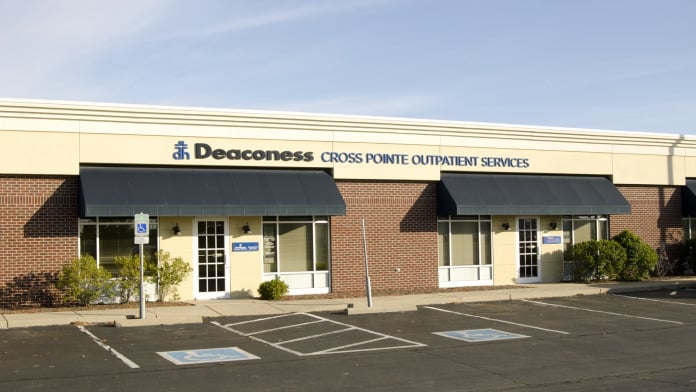
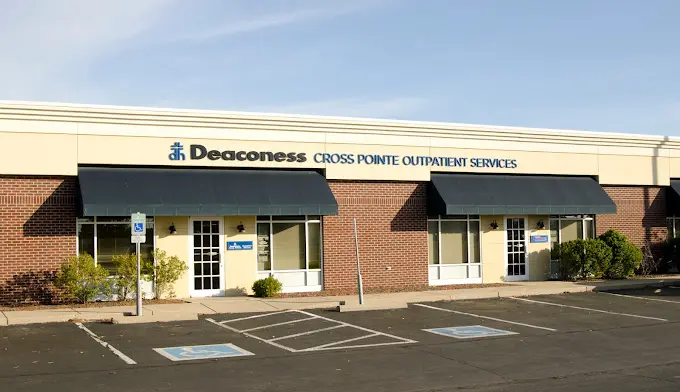
Accepted Insurance
Other Forms of Payment
Private insurance refers to any kind of healthcare coverage that isn't from the state or federal government. This includes individual and family plans offered by an employer or purchased from the Insurance Marketplace. Every plan will have different requirements and out of pocket costs so be sure to get the full details before you start treatment.
Self-pay involves paying for treatment out of your own pocket. You can use savings or credit, get a personal loan, or receive help from family and friends to fund your treatment. If you don't have insurance or your insurance plan doesn't cover a specific program, self-pay can help ensure you still get the care you need.
Financial aid can take many forms. Centers may have grants or scholarships available to clients who meet eligibility requirements. Programs that receive SAMHSA grants may have financial aid available for those who need treatment as well. Grants and scholarships can help you pai for treatment without having to repay.
Medicare is a federal program that provides health insurance for those 65 and older. It also serves people under 65 with chronic and disabling health challenges. To use Medicare for addiction treatment you need to find a program that accepts Medicare and is in network with your plan. Out of pocket costs and preauthorization requirements vary, so always check with your provider.
Military members, veterans, and eligible dependents have access to specific insurance programs that help them get the care they need. TRICARE and VA insurance can help you access low cost or no cost addiction and mental health treatment. Programs that accept military insurance often have targeted treatment focused on the unique challenges military members, veterans, and their families face.
Medicaid is a state based program that helps lower-income individuals and families pay for healthcare. Medicaid covers addiction treatment so those enrolled can use their coverage to pay for rehab. When a program accepts Medicaid the client often pays very little or nothing out of their own pocket.
Addiction Treatments
Levels of Care
Outpatient Programs (OP) are for those seeking mental rehab or drug rehab, but who also stay at home every night. The main difference between outpatient treatment (OP) and intensive outpatient treatment (IOP) lies in the amount of hours the patient spends at the facility. Most of the time an outpatient program is designed for someone who has completed an inpatient stay and is looking to continue their growth in recovery. Outpatient is not meant to be the starting point, it is commonly referred to as aftercare.
Persons who require high-level support but who do not wish to leave their homes or communities may enroll in an intensive outpatient program (IOP). Clients typically commit to a minimum of nine treatment hours across three therapeutic sessions per week, but many programs offer up to 20 hours of care weekly. Most intensive outpatient rehabs provide a combination of psychotherapy, recovery education, and holistic care. Medication assisted treatment (MAT) is widely available for those in alcohol or opioid recovery.
Clients receiving support in a rehab aftercare program have completed inpatient care and may also be preparing to exit formal outpatient care. Outpatient services are typically categorized as rehab aftercare, but these services often continue beyond the cessation of formal treatment. Rehab aftercare services are designed to promote life-long recovery through comprehensive, wraparound care, which may include medical, mental health, and social services. These programs are usually created in collaboration with the client's case manager and care team.
12 step programs foster participants' long-term sobriety through personal growth rooted in spiritual principles, though religious affiliation is not mandatory. Most 12 step meetings are non-denominational but are based on the belief in a higher power. Participants learn to understand and address the causes of their addiction, accept responsibility for their choices, and relinquish control for that which cannot be changed. Regular group meetings and mentoring by a self-selected sponsor are required.
When families plan a drug intervention in Indiana, the goal is to create self-awareness in their loved one, so they acknowledge the need for treatment and get help. A professional interventionist can work with the individual's family members to organize this intervention and provide direction for follow-up. During the intervention, loved ones share how the individual's substance abuse has affected them, and the interventionist adds a clinical perspective on how treatment can help the situation.
A partial hospitalization program (PHP) can provide intensive rehab on a short-term basis. While PHP treatment typically requires a commute, telehealth may be available. PHP treatment costs can vary but are often covered by most insurance. The program duration can vary to meet your specific needs and require you to meet for a minimum of 20 hours a week for an average of 90 days. PHP Treatment services often include relapse prevention strategies, medication management, individual and group counseling, and other behavioral therapy interventions.
When removing addictive substances from your body under the care of licensed medical professionals, the process is called medically assisted detox. Once you've become physically dependent on substances like alcohol, opioids, or benzodiazepines, quitting can be uncomfortable or even dangerous. To minimize risks to your health and overall discomfort, a team of medical professionals monitors you 24/7 and provides medications if necessary (like Suboxone or methadone) to ease potential symptoms of withdrawal.
Treatments
Many of those suffering from addiction also suffer from mental or emotional illnesses like schizophrenia, bipolar disorder, depression, or anxiety disorders. Rehab and other substance abuse facilities treating those with a dual diagnosis or co-occurring disorder administer psychiatric treatment to address the person's mental health issue in addition to drug and alcohol rehabilitation.
Mental health rehabs focus on helping individuals recover from mental illnesses like bipolar disorder, clinical depression, anxiety disorders, schizophrenia, and more. Mental health professionals at these facilities are trained to understand and treat mental health issues, both in individual and group settings.
Programs
Young adulthood can be an exciting, yet difficult, time of transition. Individuals in their late teens to mid-20s face unique stressors related to school, jobs, families, and social circles, which can lead to a rise in substance use. Rehab centers with dedicated young adult programs will include activities and amenities that cater to this age group, with an emphasis on specialized counseling, peer socialization, and ongoing aftercare.
Clinical Services
Cognitive Behavioral Therapy (CBT) is a therapy modality that focuses on the relationship between one's thoughts, feelings, and behaviors. It is used to establish and allow for healthy responses to thoughts and feelings (instead of unhealthy responses, like using drugs or alcohol). CBT has been proven effective for recovering addicts of all kinds, and is used to strengthen a patient's own self-awareness and ability to self-regulate. CBT allows individuals to monitor their own emotional state, become more adept at communicating with others, and manage stress without needing to engage in substance abuse.
Group therapy is any therapeutic work that happens in a group (not one-on-one). There are a number of different group therapy modalities, including support groups, experiential therapy, psycho-education, and more. Group therapy involves treatment as well as processing interaction between group members.
In individual therapy, a patient meets one-on-one with a trained psychologist or counselor. Therapy is a pivotal part of effective substance abuse treatment, as it often covers root causes of addiction, including challenges faced by the patient in their social, family, and work/school life.
Motivational interviewing aims to stimulate the client's personal motivation and commitment to change. Rather than receive advice and warnings from the therapist, the client is given the opportunity to share their concerns and reach their own conclusions.
Whether a marriage or other committed relationship, an intimate partnership is one of the most important aspects of a person's life. Drug and alcohol addiction affects both members of a couple in deep and meaningful ways, as does rehab and recovery. Couples therapy and other couples-focused treatment programs are significant parts of exploring triggers of addiction, as well as learning how to build healthy patterns to support ongoing sobriety.
Research clearly demonstrates that recovery is far more successful and sustainable when loved ones like family members participate in rehab and substance abuse treatment. Genetic factors may be at play when it comes to drug and alcohol addiction, as well as mental health issues. Family dynamics often play a critical role in addiction triggers, and if properly educated, family members can be a strong source of support when it comes to rehabilitation.
Staff

Shawn McCoy, FACHE
CEO
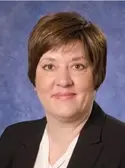
Lynn Lingafelter, RN, MBA, FACHE
President of Hospitals Division
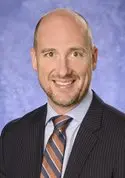
James R. Porter, MD, FAAP, FACHE
President of Physicians Division

Jennifer Chiusano, MA, BSN, RN, NE-BC
Senior VP, Chief Nurse Executive
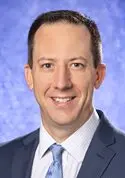
Brad Scheu, DO, MBA, FACP
Senior VP; Chief Medical Office

Cheryl Wathen, CPA, CHFP
Senior VP, CFO
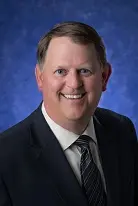
Lance Wilkerson
Executive Director
Rehab.com regularly reviews this listing for accuracy but changes may occur between updates. For the most up-to-date information, please contact Deaconess Cross Pointe Outpatient Services.
Contact Information

445 Cross Pointe Boulevard
Suite 320
Evansville, IN 47715
Get Help Now - 463-388-1405
Sponsored Helpline
Sponsored Helpline



