






























































































Had an awesome experience at discovery...the staff..down to kitchen ..was top notch...discovery saved my life!... i am now in levittown at a sober house thanks to lifes journey...i hope to get a chance in the near future to come back and do h&i...any information on how i ...
About Discovery Institute of New Jersey
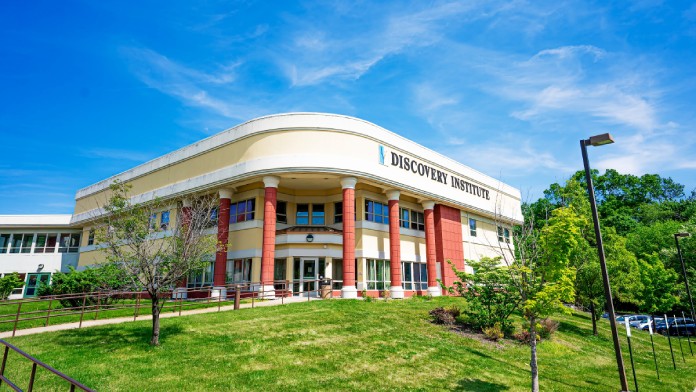
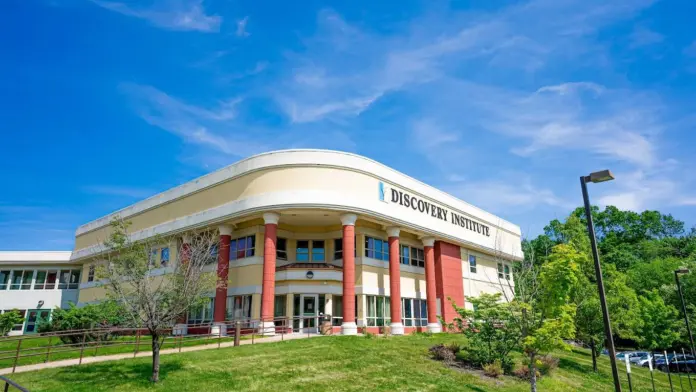
Discovery Institute is a private nonprofit drug and alcohol rehabilitation center providing comprehensive addiction treatment in Marlboro Township, New Jersey. The facility offers a full continuum of services that includes medical detoxification, residential treatment, partial hospitalization, intensive outpatient care and telehealth support for adults, young adults and seniors.
With more than fifty years of experience since 1970, Discovery Institute follows an integrated care model that emphasizes peer connection, family involvement and individualized attention to promote long term recovery.
Dual Diagnosis Addiction Treatment in New Jersey
Discovery Institute specializes in dual diagnosis care for individuals managing both substance use disorders and mental health conditions such as anxiety, depression, bipolar disorder, post traumatic stress disorder and obsessive compulsive disorder. The clinical team provides evidence based treatment that includes CBT, DBT, EMDR and medication assisted treatment using FDA cleared medications.
Treatment Addresses Underlying Challenges and Strengthens Coping Skills
Care combines individual counseling, group therapy and weekly family sessions to address underlying challenges while strengthening practical coping skills. Holistic services include yoga, mindfulness meditation, art therapy and equine therapy. Many clients highlight the supportive nursing staff and the structured daily schedule as key strengths of the program.
Intimate Residential Recovery Environment
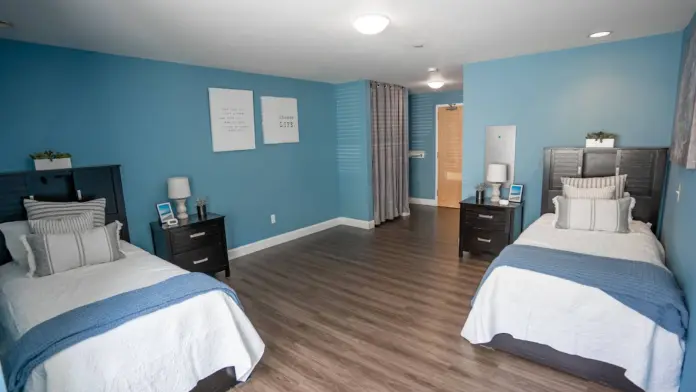
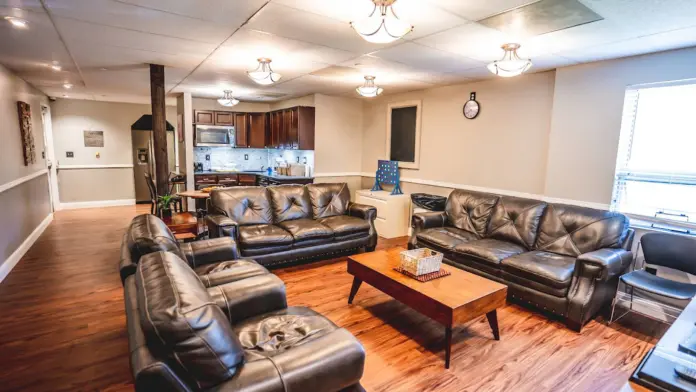
The residential program serves no more than nine individuals at a time, creating a close and supportive recovery community. This small setting allows for personalized care and stronger peer relationships. Services are supported by continuous professional supervision and modern health monitoring tools during detoxification.
The facility holds Joint Commission accreditation and has operated continuously for more than five decades. They accept most major insurance plans, Medicaid, Medicare, self pay options and sliding fee arrangements for eligible individuals.
Facility Overview
 $440
$440 Avg Cost per Day
Latest Reviews
This has been the best experience I ever had the staff was super amazing and the place was very clean and organized I would recommend anyone to check out Discovery they are changing lives one day at a time and for 50 years at that and shout to our the Greta Counslers mines was Katherine she is super amazing and made my journey so
Much so grateful
For this amazing staff
Response from the owner1 week ago
Terell, thank you for these kind words about our staff and our facility. Feedback like this means a great deal to our whole team. We appreciate you sharing it.
My name is Jason Yingst. I have been alcohol free since March 19, 2025 the day after I went into Discovery Institute. I would like to thank the staff for their help and support on this journey with me. I was an active alcoholic for 35 years. I am now an alcoholic that chooses not to drink. I am truly blessed. I don’t go to meetings (sorry). I work out at the YMCA 5 to 6 days a week. My lil sister Jen passed away from stage 4 lung cancer and alcoholism on July 4th, she was 51. My fifth sibling to pass out of 11 children. We all have the same disease. Thank you again and have an amazing day
Response from the owner1 week ago
Jason, thank you for sharing something this personal with us. March 19, 2025, that date matters, and so does everything you have built since. Thirty five years is a long road and you are walking a different one now. We are so sorry about your sister Jen. Sending your whole family love and strength. Keep going to that YMCA. We are so proud of you.
I recently completed treatment at Discovery Institute and wanted to share my experience. The nursing staff was excellent, attentive, professional, and genuinely caring throughout my stay. Group therapy was one of the highlights. The mix of peers was diverse, and the counselors leading sessions were insightful and patient. My primary counselor, George, went above and beyond helping me navigate communication with both my family and the court system during a difficult time. That support made a real difference.
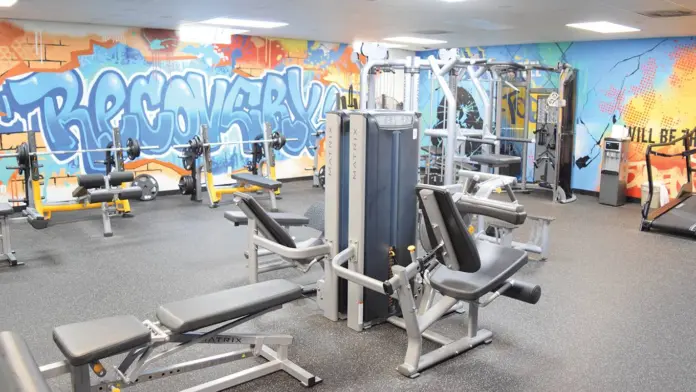
The extracurricular offerings were a real strength of the program. Meditation, yoga, and sound bowl therapy were unexpectedly wonderful additions to treatment, and having access to basketball and the gym helped a lot with staying grounded. I was even allowed to bring a keyboard and guitar and play music with other clients, which meant a lot to me. Food was simple but perfectly palatable given the circumstances.
Overall, this is a place that treats people with dignity and gives real tools for recovery. Grateful for the care I received here.
Response from the owner1 week ago
Thank you, Jonathon. George will be so glad to hear this, and so will the entire nursing team. The fact that you could bring your keyboard and play music with others during that time means a lot to us too. That is exactly the kind of environment we want to create. Wishing you all the best ahead. 
Rehab Score
 Our Methodology
Scoring is assigned by a proprietary system which helps surface key metrics that determine quality. The 10-point scale factors in categories such as operations, customer satisfaction, and trust metrics. Read Full Methodology

7.8 / 10
Gallery

Accepted Insurance
Other Forms of Payment
Per session payment lets you pay for each treatment at the time of service. You may also pay for a certain number of sessions up front and then pay for more if needed. This format allows you to tailor the financial investment to your specific needs and avoid having a large lump sum payment due at the end of the treatment program.
Self-pay involves paying for treatment out of your own pocket. You can use savings or credit, get a personal loan, or receive help from family and friends to fund your treatment. If you don't have insurance or your insurance plan doesn't cover a specific program, self-pay can help ensure you still get the care you need.
 Monthly
Addiction Treatments
Levels of Care
24-hour clinical care in New Jersey provides a setting where you can withdraw from alcohol or drugs under close monitoring of experienced medical staff. These trained professionals can intervene at any time if needed. They can prescribe medications to reduce cravings and physical discomfort. Mental health professionals are also available to address any emotional and psychological challenges you experience as you begin your recovery journey.
Clients who are exiting inpatient rehab, those who are experiencing crisis, and those who prefer to live at home while in treatment typically enroll in intensive inpatient programs (IOP). These programs feature frequent and robust care, generally requiring clients to participate in at least nine hours of care weekly, though many intensive outpatient rehabs offer up to 20 treatment hours per week. IOP services typically combine individual, group, and family counseling with recovery education and holistic therapies.
Treatments
The goal of treatment for alcoholism is abstinence. Those with poor social support, poor motivation, or psychiatric disorders tend to relapse within a few years of treatment. For these people, success is measured by longer periods of abstinence, reduced use of alcohol, better health, and improved social functioning. Recovery and Maintenance are usually based on 12 step programs and AA meetings.
Drug rehab in New Jersey is the process of addressing the complex issues involved with addiction. Challenges are identified and addressed through individual and group counseling. Participants learn how to manage these issues without the use of substances.
According to the Journal of American Medical Association, 37% of alcoholics and 53% of drug addicts suffer from a co-occurring mental illness. These dual diagnosis patients often suffer from symptoms outside of their addiction, and without proper treatment, are at a greater risk of relapse once they leave treatment. At Discovery, they have doctors and therapists on-staff who are experienced in treating co-occurring mental disorders such as depression, bipolar disorder, and anxiety. They work with their clients to get them on the correct treatment regimens to address their addiction as well as their dual diagnosis.
Opioid rehabs specialize in supporting those recovering from opioid addiction. They treat those suffering from addiction to illegal opioids like heroin, as well as prescription drugs like oxycodone. These centers typically combine both physical as well as mental and emotional support to help stop addiction. Physical support often includes medical detox and subsequent medical support (including medication), and mental support includes in-depth therapy to address the underlying causes of addiction.
Programs
Teen programs are designed to address the unique pressures teens face, pressures that can drive them to experiment with dangerous, addictive substances. They need programs that meet them exactly where they are and give them tools for long-term recovery. Therapy can help teenagers understand and work through underlying issues so they can reclaim the life ahead of them.
Adult rehab programs include therapies tailored to each client's specific needs, goals, and recovery progress. They are tailored to the specific challenges adult clients may face, including family and work pressures and commitments. From inpatient and residential treatment to various levels of outpatient services, there are many options available. Some facilities also help adults work through co-occurring conditions, like anxiety, that can accompany addiction.
Recovery is most successful when clients feel accepted and validated by their peers and treatment providers. Facilities that offer LGBTQ-inclusive programming are committed to creating a safe space where everyone can grow and recover without fear of judgment or discrimination. They will have dedicated policies in place to create a safe and supportive environment that fosters free expression.
Men face specific challenges and concerns when seeking addiction treatment. Gender-specific recovery programs help them tackle these issues head-on in an environment that's focused, targeted, and distraction-free. It also gives them the opportunity to connect with and learn from other men who have been through a similar journey and can offer support for the next step.
Rehabs for women provide a safe, nurturing space for female clients to heal. These treatment programs consider the specific obstacles that women can face during recovery and place a special emphasis on mental, social, physical, and reproductive health. They explore how each woman's experience has shaped the trajectory of their substance use, addressing issues such as sexual abuse and past trauma.
Clinical Services
Family therapy sessions address addiction related conflicts and other issues between members of the family unit. By strengthening communication and coping skills, as well as creating a nurturing environment, the family can help support their loved one's recovery.
Amenities
-
 Gym
Gym -
 Private rooms
 -
 Walking trails
 -
 WiFi
WiFi
Staff & Accreditations
Staff

Nick Boatman
President & Chairman of the Board
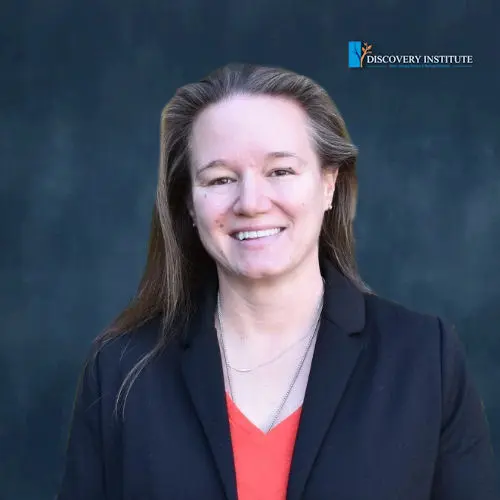
Dr. Barbara Rexer
COO
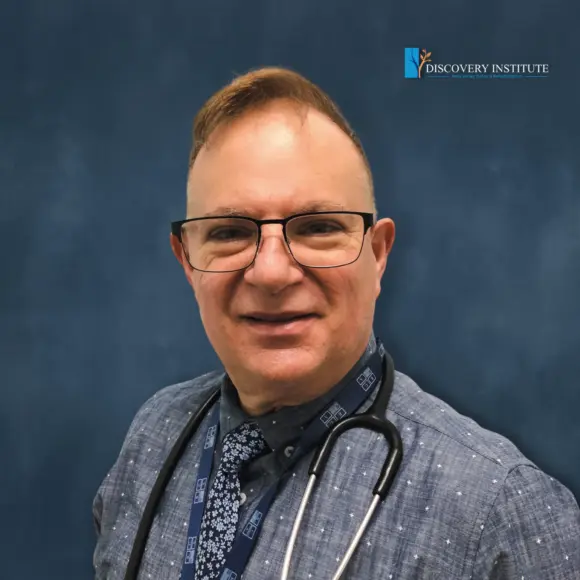
Joseph N. Ranieri
Medical Director
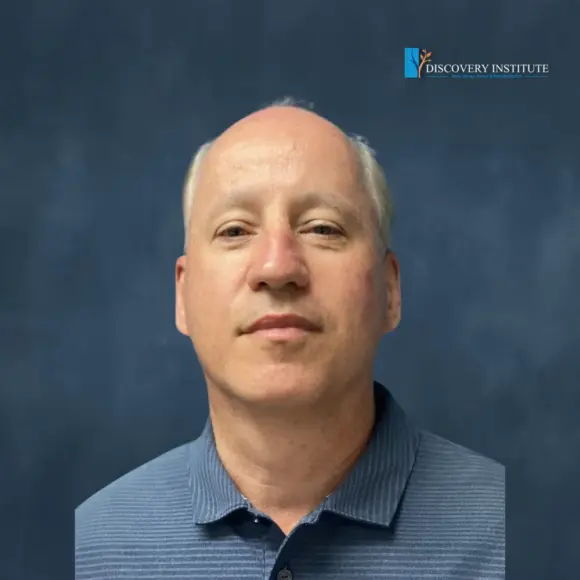
Michael Meyers
Controller

Cherie Westfield
Workplace Environment Leader
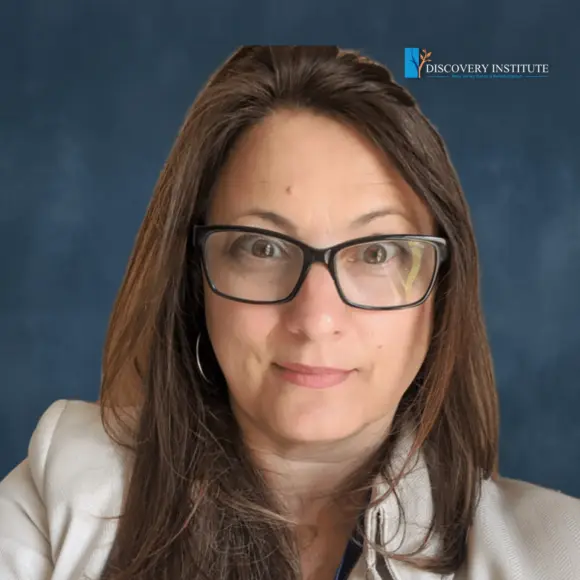
Darlene Grimes
Admissions Director
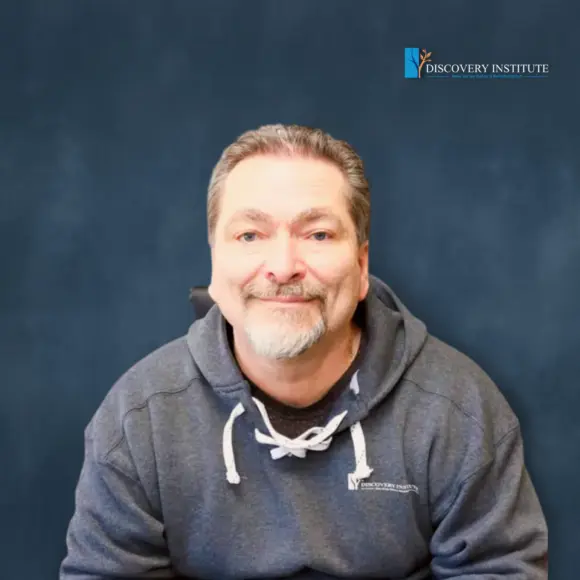
John J. Conneely
Director of Outpatient Services
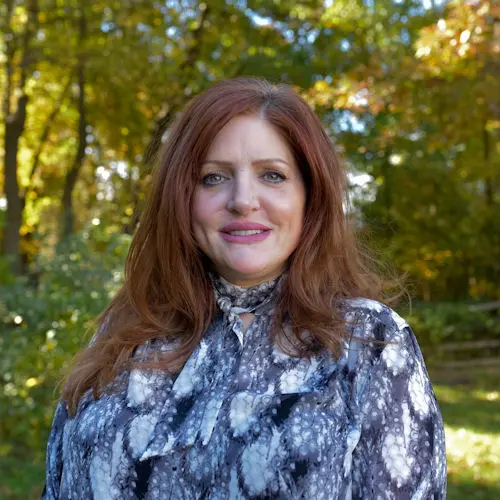
Cindy McIntire
Director of Nursing
Accreditations

The Substance Abuse and Mental Health Services Administration (SAMHSA) is a branch of the U.S. Department of Health and Human Services. Established in 1992 by congress, SAMHSA's mission is to reduce the impact of substance abuse and mental illness on American's communities.
SAMHSA Listed: Yes
Rehab.com regularly reviews this listing for accuracy but changes may occur between updates. For the most up-to-date information, please contact Discovery Institute of New Jersey.
Contact Information

80 Conover Road
Marlboro Township, NJ 07746
Get Help Now - 732-708-2148
Sponsored Helpline
Sponsored Helpline


