





























































































About Edgewater Recovery
Their programs are extremely customized, which starts with an evaluation to guarantee the right care for each patient’s needs. Although maintenance level treatment is provided at the facility, patients who require help controlling withdrawal symptoms while their bodies process substances used during active addiction can enroll in detox services or a residential inpatient program as well. This is for those looking for a resident program in which you stay in an environment completely away from triggers.
In addition to the inpatient program, Edgewater offers outpatient treatment through an intensive outpatient program (IOP). This program allows people to continue to work on their recoveries from home. There is a focus at Edgewater on dual diagnosis treatment, meaning they do their best to treat patients who have both mental health and substance abuse issues that are being addressed simultaneously. This whole person approach is essential in establishing long term recovery by treating the causes of addiction and developing tools to handle mental health issues. They use evidence based practices such as cognitive behavioral therapy (CBT) along with personal counseling, group support and holistic approaches using mindfulness and stress management.
As far as payment goes, Edgewater accepts most insurance plans and has options for those needing financial assistance so everyone who needs care can get it. Whether one is getting professional help for addiction or wrestling with co-occurring mental health disorders, Edgewater Recovery offers a holistic and complete journey to recovery.
Facility Overview
 15 - 30
 Latest Reviews


Thank you so much for your kind words! We’re so happy to hear that ARIA in Kentucky has helped you on your recovery journey. Our team takes great pride in providing customized treatment plans and holistic, evidence-based care, and it’s amazing to hear that it made a difference for you.
We’re also glad that our telehealth services and medically supervised detox helped make the process smoother. Whether you're from Amelia, Williamstown, or any other part of Kentucky, we’re proud to be one of the top rehab centers in Kentucky.
Thank you again for your trust in us, and we’re wishing you continued success on your path to long-term recovery!
Best regards,
The ARIA Team

Thank you for sharing your journey. Hearing that ARIA in Kentucky helped you reach 171 days clean and be present for your daughters means so much. Our comprehensive, customized treatment plans and holistic, evidence-based care are designed for exactly this kind of healing.
As one of the trusted rehab facilities in Kentucky, we’re committed to supporting long-term recovery for clients from Florence, Georgetown, and beyond. Your strength is inspiring, and your words remind others seeking substance abuse treatment Kentucky that lasting change is possible.
With gratitude,
The ARIA Team

Rehab Score
 Our Methodology


Gallery
Accepted Insurance
Other Forms of Payment
Private insurance refers to any kind of healthcare coverage that isn't from the state or federal government. This includes individual and family plans offered by an employer or purchased from the Insurance Marketplace. Every plan will have different requirements and out of pocket costs so be sure to get the full details before you start treatment.
Self-pay involves paying for treatment out of your own pocket. You can use savings or credit, get a personal loan, or receive help from family and friends to fund your treatment. If you don't have insurance or your insurance plan doesn't cover a specific program, self-pay can help ensure you still get the care you need.
Financial aid can take many forms. Centers may have grants or scholarships available to clients who meet eligibility requirements. Programs that receive SAMHSA grants may have financial aid available for those who need treatment as well. Grants and scholarships can help you pai for treatment without having to repay.
Medicaid is a state based program that helps lower-income individuals and families pay for healthcare. Medicaid covers addiction treatment so those enrolled can use their coverage to pay for rehab. When a program accepts Medicaid the client often pays very little or nothing out of their own pocket.
Medicare is a federal program that provides health insurance for those 65 and older. It also serves people under 65 with chronic and disabling health challenges. To use Medicare for addiction treatment you need to find a program that accepts Medicare and is in network with your plan. Out of pocket costs and preauthorization requirements vary, so always check with your provider.
Military members, veterans, and eligible dependents have access to specific insurance programs that help them get the care they need. TRICARE and VA insurance can help you access low cost or no cost addiction and mental health treatment. Programs that accept military insurance often have targeted treatment focused on the unique challenges military members, veterans, and their families face.
Addiction Treatments
Levels of Care
Residential treatment programs are those that offer housing and meals in addition to substance abuse treatment. Rehab facilities that offer residential treatment allow patients to focus solely on recovery, in an environment totally separate from their lives. Some rehab centers specialize in short-term residential treatment (a few days to a week or two), while others solely provide treatment on a long-term basis (several weeks to months). Some offer both, and tailor treatment to the patient's individual requirements. Linden Oaks' Residential Stay Program offers additional support for those who may benefit from a structured living environment. A patient's stay may vary from a few days to 30 days ago. The program includes group, family and individual counseling.
Outpatient Programs (OP) are for those seeking mental rehab or drug rehab, but who also stay at home every night. The main difference between outpatient treatment (OP) and intensive outpatient treatment (IOP) lies in the amount of hours the patient spends at the facility. Most of the time an outpatient program is designed for someone who has completed an inpatient stay and is looking to continue their growth in recovery. Outpatient is not meant to be the starting point, it is commonly referred to as aftercare.
Intensive Outpatient programs are for those who want or need a very structured treatment program but who also wish to live at home and continue with certain responsibilities (such as work or school). IOP substance abuse treatment programs vary in duration and intensity, and certain outpatient rehab centers will offer individualized treatment programs. The Intensive Outpatient Program gives patients the chance to participate in a structured treatment plan part-time while they transition back to home and work or other responsibilities. This program provides half-day treatment (Monday, Wednesday and Friday, 9:15 am to 12:30 pm).
Completing a drug or alcohol rehab program shouldn't spell the end of substance abuse treatment. Aftercare involves making a sustainable plan for recovery, including ongoing support. This can include sober living arrangements like halfway houses, career counseling, and setting a patient up with community programs like Alcoholics Anonymous (AA) or Narcotics Anonymous (NA).
Treatments
 Opioid Addiction
In Kentucky, comprehensive substance abuse treatment programs are available to address addiction and any co-occurring mental health disorders. Typically, treatment programs offer various levels of care, including outpatient, inpatient, and partial hospitalization. Treatment activities include individual and group therapy, recovery support meetings, evidence-based therapies such as cognitive-behavioral therapy (CBT), dialectical behavior therapy (DBT), and psychoeducation. By the end of treatment you will have the resources and supportive recovery community to sustain long-term mental health and sobriety.
Alcoholism is a term used to describe a level of drinking that causes harm to a person's health. Also known as alcohol addiction or alcohol use disorder (AUD), the dependency involves a strong, often uncontrollable urge to drink.This condition is treatable through alcohol rehab in Kentucky. Programs typically involve supervised detox, behavioral treatments, medications, and mutual-support groups.
 Mental Health And Substance Abuse
Programs
Adult rehab programs include therapies tailored to each client's specific needs, goals, and recovery progress. They are tailored to the specific challenges adult clients may face, including family and work pressures and commitments. From inpatient and residential treatment to various levels of outpatient services, there are many options available. Some facilities also help adults work through co-occurring conditions, like anxiety, that can accompany addiction.
Young adulthood can be an exciting, yet difficult, time of transition. Individuals in their late teens to mid-20s face unique stressors related to school, jobs, families, and social circles, which can lead to a rise in substance use. Rehab centers with dedicated young adult programs will include activities and amenities that cater to this age group, with an emphasis on specialized counseling, peer socialization, and ongoing aftercare.
Men face specific challenges and concerns when seeking addiction treatment. Gender-specific recovery programs help them tackle these issues head-on in an environment that's focused, targeted, and distraction-free. It also gives them the opportunity to connect with and learn from other men who have been through a similar journey and can offer support for the next step.
Rehabs for women provide a safe, nurturing space for female clients to heal. These treatment programs consider the specific obstacles that women can face during recovery and place a special emphasis on mental, social, physical, and reproductive health. They explore how each woman's experience has shaped the trajectory of their substance use, addressing issues such as sexual abuse and past trauma.
Recovery is most successful when clients feel accepted and validated by their peers and treatment providers. Facilities that offer LGBTQ-inclusive programming are committed to creating a safe space where everyone can grow and recover without fear of judgment or discrimination. They will have dedicated policies in place to create a safe and supportive environment that fosters free expression.
Serving in the military is both mentally and physically challenging, and can result in trauma that persists even after combat ends. Military programs are tailored to the specific and often complex needs of active duty personnel, veterans, and military families. Clients often access these programs through the U.S. Department of Veterans Affairs (VA).
Clinical Services
Men and women in Kentucky participating in group therapy learn to express their feelings and struggles with drug addiction in a non judgmental atmosphere. Your peers can offer you empathy and encouragement because they understand your journey to recovery. This fosters a sense of community and belonging that may extend far after group therapy sessions.
Holistic alcohol and drug addiction treatment centers use recreational therapy to help you find a constructive way to spend your time and manage your stress. Activities can include yoga, team sports, creative arts, and painting. These encourage social interaction, support your physical fitness, and improve your mood, all of which are crucial for maintaining a successful recovery.
Cognitive behavioral therapy in Kentucky involves learning to recognize unhealthy thinking patterns and developing problem solving skills to cope with life's challenges. It will help you have greater confidence in your abilities so you can change your patterns of behavior and break free from substance abuse.
Typically, dialectical behavior therapy (DBT) in Kentucky involves four types of therapy sessions. You'll participate in a pre assessment, skills training in groups, individual therapy, and telephone crisis coaching. The goal is to improve your skills for coping with daily emotions and life challenges.
In individual therapy for drug and alcohol addiction, the therapist and patient work together to address the challenges and triggers that drive addictive behavior. This offers a customized approach to a healthier, substance free life.
Several techniques are key to motivational interviewing in Kentucky. Your therapist will use open ended questions, affirm your strengths, reflect your responses back to you, and summarize your responses. This allows you to identify any discrepancies in your current situation and your future goals, which can motivate you to make changes.
Trauma therapy provides you with a safe space to work through a trauma that you witnessed or experienced. Trauma informed therapy supports you to understand your emotional and physical responses and develop healthier coping mechanisms when exposed to triggers in the community. This improves your sense of self confidence and empowerment.
Amenities
-
 Residential Setting
 -
 Private Setting
Staff & Accreditations
Staff
John David Elam
Owner & Founder
Accreditations

The Commission on Accreditation of Rehabilitation Facilities (CARF) is a non-profit organization that specifically accredits rehab organizations. Founded in 1966, CARF's, mission is to help service providers like rehab facilities maintain high standards of care.
CARF Accreditation: Yes

State Licenses are permits issued by government agencies that allow rehab organizations to conduct business legally within a certain geographical area. Typically, the kind of program a rehab facility offers, along with its physical location, determines which licenses are required to operate legally.
State License: Kentucky
Rehab.com regularly reviews this listing for accuracy but changes may occur between updates. For the most up-to-date information, please contact Edgewater Recovery.
Contact Information


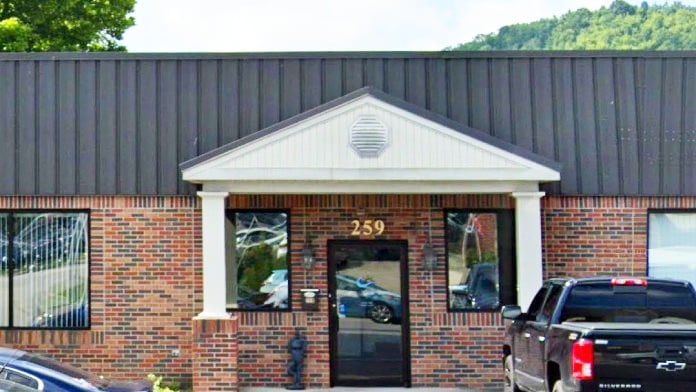
259 Old Flemingsburg Rd
Morehead, KY 40351
Sponsored Helpline



