






























































































About Esperanza Health Centers Administration
Esperanza Health Centers’ mission is to aid Chicago’s underserved communities. This includes teens, families and seniors. They offer bilingual wellness, behavioral health and primary care services including treatment for addiction and co-occurring disorders. The networked health organization has multiple facilities, including the Esperanza California outpatient center in Chicago, Illinois. It’s open on weekdays and Saturdays.
The California clinic offers an integrated treatment experience with behavioral, medical, and support services under one roof. The organization accepts most commercial health insurance plans, as well as Medicare and Medicaid. They offer an income based sliding fee scale and no one is turned away even if they can’t pay.
Community First Treatment Approach
The leadership is mission driven and emphasizes a community first approach. The clinical staff highlights their compassionate and integrated care.
The medication assisted recovery (MAR) team uses a harm reduction model to reduce the risk of overdose and sexually transmitted diseases. They use a wide variety of therapeutic tools to help clients in addiction recovery. This can include Suboxone and Vivitrol.
Culturally Sensitive Care
The multidisciplinary team strives to provide trauma informed and culturally sensitive care. The core principles include education and empowerment as they aim to address immediate and long-term healthcare needs. There’s a special track for seniors and telehealth is available for all who can’t drop by in person.
Clients have often praised the staff for their professionalism, empathy, and ability to address both emotional and physical needs. Many clients mentioned feeling supported and respected throughout the recovery process.
Modern Treatment Environment
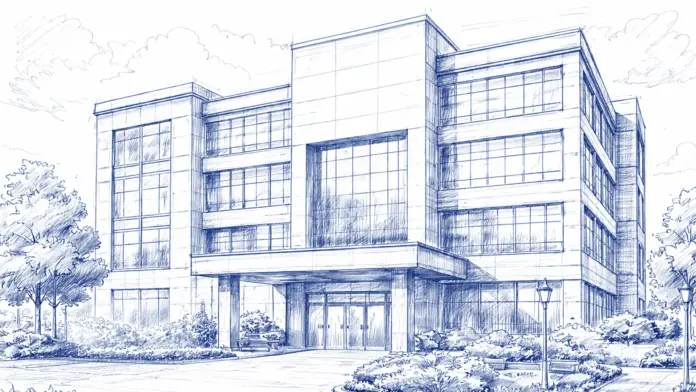
The facility is near Douglass Park, which offers 162 acres of space where clients can relax and reflect on their treatment programs. The facility is in a welcoming and modern building that was designed with accessibility and comfort in mind.
There’s a lab, pharmacy and primary care facilities in the center for convenience and seamless health services. Clients enjoy flexible scheduling that includes weekend and evening hours to accommodate everyone’s needs.

Rehab Score
 Our Methodology


Location
Other Forms of Payment
Medicaid is a state based program that helps lower-income individuals and families pay for healthcare. Medicaid covers addiction treatment so those enrolled can use their coverage to pay for rehab. When a program accepts Medicaid the client often pays very little or nothing out of their own pocket.
Medicare is a federal program that provides health insurance for those 65 and older. It also serves people under 65 with chronic and disabling health challenges. To use Medicare for addiction treatment you need to find a program that accepts Medicare and is in network with your plan. Out of pocket costs and preauthorization requirements vary, so always check with your provider.
Private insurance refers to any kind of healthcare coverage that isn't from the state or federal government. This includes individual and family plans offered by an employer or purchased from the Insurance Marketplace. Every plan will have different requirements and out of pocket costs so be sure to get the full details before you start treatment.
Self-pay involves paying for treatment out of your own pocket. You can use savings or credit, get a personal loan, or receive help from family and friends to fund your treatment. If you don't have insurance or your insurance plan doesn't cover a specific program, self-pay can help ensure you still get the care you need.
Addiction Treatments
Levels of Care
Clients in outpatient rehab receive a variety of services based on their unique and evolving needs. Typical outpatient treatment modalities include individual, group, and family counseling, recovery-focused life skills training, and community reintegration support. Many programs also provide medication assisted treatment (MAT) for clients recovering from alcohol and/or opioid dependency. Clients exiting inpatient treatment or those who are at an elevated risk of relapse may engage in more robust treatment, such as intensive outpatient (IOP) programming.
Treatments
Alcohol use disorder (alcoholism) can be severe, moderate, or mild. Symptoms include spending a lot of time drinking, wanting to stop but being unsuccessful, and feeling strong cravings that lead to overuse of alcohol. At any severity level, alcohol addiction is treatable through alcohol rehab in Illinois. Most comprehensive rehab programs include medical detox, inpatient rehab, and ongoing alcohol counseling/support (maintenance).
Drug rehab in Illinois is designed to help people recover from addiction to a number of substances. The length of each program and its intensity tend to vary, and the plan of care is based on your individual needs.
 Opioid Addiction
Programs
Teen programs are designed to address the unique pressures teens face, pressures that can drive them to experiment with dangerous, addictive substances. They need programs that meet them exactly where they are and give them tools for long-term recovery. Therapy can help teenagers understand and work through underlying issues so they can reclaim the life ahead of them.
Clinical Services
Motivational interviewing in Illinois is person centered and collaborative. This method allows the therapist to come alongside the client to address the issue of ambivalence toward change. By listening and reflecting, the therapist helps the client see the need for change and commit to making changes.
If you engage in cognitive behavioral therapy in Illinois, your therapist will work with you to change your thinking patterns. You'll learn how to recognize faulty thinking and develop skills to deal with stress without using substances.
Contact Information


1940 S Western Ave Suite 205, Chicago, IL 60608
Sponsored Helpline
