


































































































About Ethos Wellness
Ethos Wellness is an alcohol and drug rehab organization. They have several locations, including this facility in Chicago, Illinois. The center offers outpatient programs for children, adolescents, and adults. They treat clients with mental health and co-occurring substance use disorders. The organization accepts most major insurance plans. The facility is easily accessible from major roadways, including I-90.
Convenient Urban Setting in Chicago
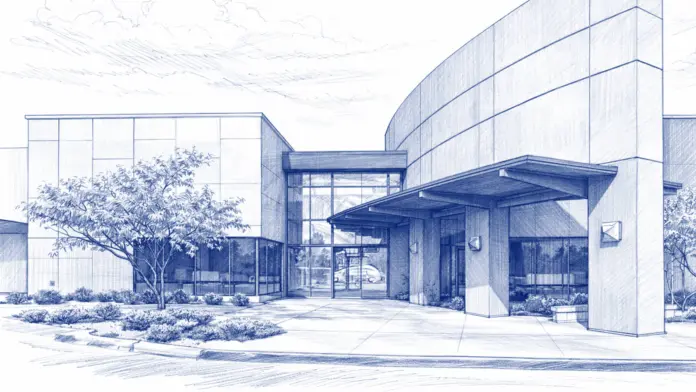
The facility is modern with warm and inviting decor. There are comfortable group therapy rooms and private clinical offices. The location is easily accessible, yet discreet and safe, and it’s less than two miles from Navy Pier and the shores of Lake Michigan.
The clinicians emphasize a holistic treatment approach that includes treating the body, mind, and spirit. They believe in a collaborative recovery approach that empowers clients to foster meaningful life changes.
Nonjudgmental Treatment Environment
The environment is nonjudgmental and welcomes a diverse clientele. They offer LGBTQIA+ affirming care and treat people from diverse cultural backgrounds.
Clients have described the staff as supportive, knowledgeable, and compassionate. They’ve also highlighted the nonjudgmental and personalized care. Many have noted improved relationships, a growth in self understanding, and sustained sobriety.
Collaborative Treatment Approach
The clinicians use a collaborative approach that includes licensed clinicians with specialized training in mental health and addiction treatment. They also offer support for loved ones and families with family therapy options.
The team guides clients through treatment phases that include transformation, restoration, and integration. They have flexible treatment options and honor each individual’s unique experiences, story, and needs as they work to restore hope through realistic and meaningful goals.

Rehab Score
 Our Methodology


Location
Accepted Insurance


Other Forms of Payment
Private insurance refers to any kind of healthcare coverage that isn't from the state or federal government. This includes individual and family plans offered by an employer or purchased from the Insurance Marketplace. Every plan will have different requirements and out of pocket costs so be sure to get the full details before you start treatment.
Self-pay involves paying for treatment out of your own pocket. You can use savings or credit, get a personal loan, or receive help from family and friends to fund your treatment. If you don't have insurance or your insurance plan doesn't cover a specific program, self-pay can help ensure you still get the care you need.
Addiction Treatments
Levels of Care
Clients in outpatient rehab receive a variety of services based on their unique and evolving needs. Typical outpatient treatment modalities include individual, group, and family counseling, recovery-focused life skills training, and community reintegration support. Many programs also provide medication assisted treatment (MAT) for clients recovering from alcohol and/or opioid dependency. Clients exiting inpatient treatment or those who are at an elevated risk of relapse may engage in more robust treatment, such as intensive outpatient (IOP) programming.
Treatments
Alcohol use disorder (alcoholism) can be severe, moderate, or mild. Symptoms include spending a lot of time drinking, wanting to stop but being unsuccessful, and feeling strong cravings that lead to overuse of alcohol. At any severity level, alcohol addiction is treatable through alcohol rehab in Illinois. Most comprehensive rehab programs include medical detox, inpatient rehab, and ongoing alcohol counseling/support (maintenance).
Drug rehab in Illinois is designed to help people recover from addiction to a number of substances. The length of each program and its intensity tend to vary, and the plan of care is based on your individual needs.
 Opioid Addiction
In Illinois, comprehensive substance abuse treatment programs are available for individuals struggling with substances and their mental health. These programs offer various levels of care, including outpatient, inpatient, and partial hospitalization options. Skilled clinicians utilize evidence-based therapies such as cognitive-behavioral therapy (CBT), dialectical behavior therapy (DBT), and trauma-informed care to address substance abuse and improve your mental health. You'll also learn strategies to cope with relapse triggers and deal with stress.
Dual-diagnosis addiction treatment in Illinois focuses on integrated care for individuals with co-occurring substance use disorders and mental health conditions. These specialized rehab programs include detox, medication-assisted treatment, residential drug and alcohol rehab, and outpatient programs. Treatment incorporates a combination of trauma-informed and evidence-based therapies — like cognitive behavioral therapy, dialectical behavioral therapy, and motivational interviewing— support groups, and skills training to holistically address addiction and co-occurring disorders at the same time, enhancing your mental, physical, and emotional health.
Drug rehabs often provide treatment for people seeking help for both mental health and substance abuse. The programs are usually offered on an inpatient or outpatient basis. Each personalized treatment plan includes a number of different mental health therapies and services, like cognitive-behavioral therapy (CBT), experiential therapies (equine and animal therapy, outdoor therapy groups, and individual / group counseling sessions designed to simultaneously address both mental health and substance abuse. Standard treatment modalities include relapse prevention education and emotional coping skills training.
Programs
The providers who specialize in the children's rehab space understand the specialized needs that this population faces. School-based and social services such as tutoring and family counseling are often central to treatment. Child programs may also address the needs of youth experiencing substance abuse in the home, including a parent's or sibling's addiction.
Teen programs are designed to address the unique pressures teens face, pressures that can drive them to experiment with dangerous, addictive substances. They need programs that meet them exactly where they are and give them tools for long-term recovery. Therapy can help teenagers understand and work through underlying issues so they can reclaim the life ahead of them.
Adult rehab programs include therapies tailored to each client's specific needs, goals, and recovery progress. They are tailored to the specific challenges adult clients may face, including family and work pressures and commitments. From inpatient and residential treatment to various levels of outpatient services, there are many options available. Some facilities also help adults work through co-occurring conditions, like anxiety, that can accompany addiction.
Clinical Services
During one on one therapy sessions for drug and alcohol addiction, you and your therapist work collaboratively to develop effective relapse prevention plans and improve your self awareness. This helps address your specific needs, including the effectiveness of several evidence based treatment modalities that may work best for you.
Men and women in Illinois learn to recognize their strengths and capabilities within a group therapy setting. This helps to boost their self image and self confidence as they work toward overcoming addiction and building a healthier life. Group therapy is a perfect environment for you to see successful recovery behaviors and become inspired to manage your addiction.
Dialectical behavior therapy in Illinois typically involves keeping a diary to track actions and emotions. Your therapist will use this diary to determine what to focus on during each session. In addition to individual sessions, you'll also attend group meetings where you are trained in coping skills.
Family therapy helps to rebuild trust and strengthen relationships that have been affected by addiction. Therapists use guided interventions to help families improve their interactions and address underlying issues that impact their relationships. This helps create a supportive atmosphere for the recovery process.
Contact Information


430 W Erie St SUITE 205, Chicago, IL 60654
Sponsored Helpline
