





























































































What an outstanding experience at Froedtert, I enjoyed talking to my counselor, she actually seemed to care about her patients unlike some of my past counselors at other facilities, there is a structured program to follow that helps you to stay sober! I would recommend this ...
About Froedtert Menomonee Falls Hospital
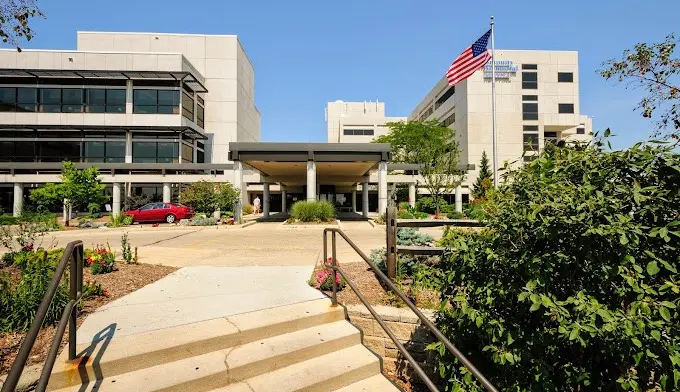
Froedtert Menomonee Falls Hospital, located in Menomonee Falls, Wisconsin is home to the Community Recovery Center, an outpatient addiction treatment provider for alcohol and drug dependency.
This hospital based program offers a structured intensive outpatient program, individual assessment and group therapy, educational sessions and aftercare support.
Patients appreciate the caring counselors and the sobriety focused approach to recovery.
What addiction treatment is offered?
The program begins with an assessment by a licensed substance abuse professional and is followed by a five week intensive outpatient program of group therapy and educational sessions.
Patients may then continue into an eight week aftercare phase with weekly group meetings, plus relapse prevention and recovery skills development.
Who can get help here?
The Community Recovery Center serves people dealing with chemical dependency involving alcohol, drugs or other mood altering substances that affect daily life, work or relationships.
Family members are actively encouraged to participate through educational therapy sessions.
Where is the program located?
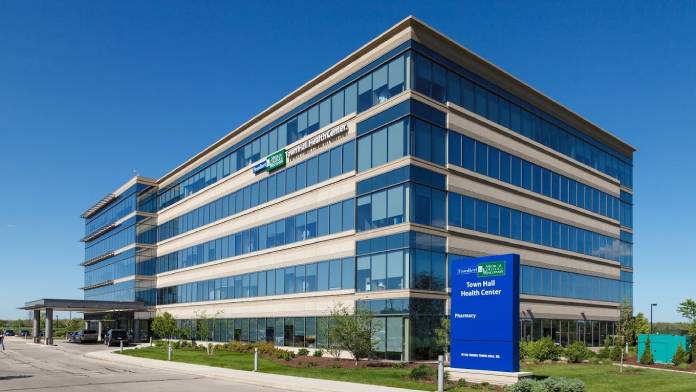
The center is located at Froedtert Menomonee Falls Hospital on Town Hall Road in Menomonee Falls.
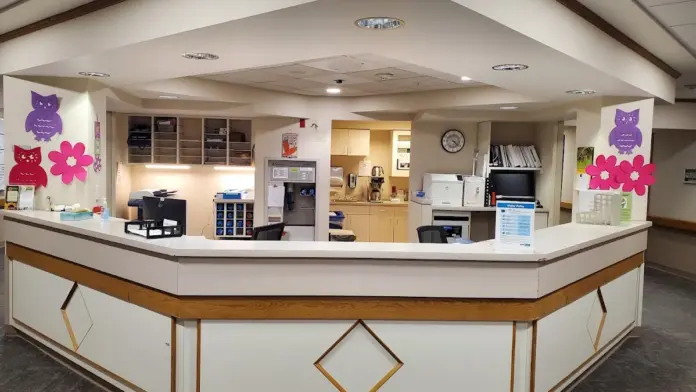
Patients enter through Entrance D and take a hard right, with the clinic first on the right across from the Treiber Conference Room. Free weekday valet service is available at the main entrance.
Do they take insurance?
Chemical dependency treatment is typically covered by health insurance and Froedtert accepts most plans, including Aetna and Cigna, Humana and Medicaid (WI), Medicare and UnitedHealthcare.
Facility Overview
 766
766 Number of Available Beds
Latest Reviews
The ER team was excellent.
The nurses and doctors that cared for my mother for 10 days on the third floor were amazing.
An Amazing group of caring kind individuals, doing an excellent job in a very difficult environment.
No one wants to be in the hospital, but you made it as easy as possible. You even have good food.
Thank you so much for everything that you did! God Bless.
Response from the owner3 weeks ago
Thank you for taking the time to leave positive feedback. We appreciate the kind words.
It's a hospital
Response from the owner3 weeks ago
Thank you for giving our Hospital a positive rating. Our dedicated staff takes great pride in serving the Menomonee Falls community.
I was admitted here recently and even though I felt like poo the staff from doctors to cleaners were all great. Big shootout to the nurses who are empathetic and professional... They work together like a well oiled machine. Hope none of you have to go through what I am but highly recommend this hospital over any in the area.
Response from the owner3 weeks ago
Hi Andrew - Thank you for sharing your positive experience with us! Our clinicians and staff work hard to ensure every patient receives compassionate care. We will share your comments with our care team. Thank you for entrusting us with your care. 
Rehab Score
 Our Methodology
Scoring is assigned by a proprietary system which helps surface key metrics that determine quality. The 10-point scale factors in categories such as operations, customer satisfaction, and trust metrics. Read Full Methodology

7.7 / 10
Gallery
Accepted Insurance

Chorus Community Health Plan
Centivo
Network Health
America's PPO
Allwell
Community Care
Exceedent
MHS
PHCS (Private Healthcare Systems)
Trilogy Health Solutions
WPS Health Solutions
Other Forms of Payment
Medicaid is a state based program that helps lower-income individuals and families pay for healthcare. Medicaid covers addiction treatment so those enrolled can use their coverage to pay for rehab. When a program accepts Medicaid the client often pays very little or nothing out of their own pocket.
Private insurance refers to any kind of healthcare coverage that isn't from the state or federal government. This includes individual and family plans offered by an employer or purchased from the Insurance Marketplace. Every plan will have different requirements and out of pocket costs so be sure to get the full details before you start treatment.
Self-pay involves paying for treatment out of your own pocket. You can use savings or credit, get a personal loan, or receive help from family and friends to fund your treatment. If you don't have insurance or your insurance plan doesn't cover a specific program, self-pay can help ensure you still get the care you need.
Financial aid can take many forms. Centers may have grants or scholarships available to clients who meet eligibility requirements. Programs that receive SAMHSA grants may have financial aid available for those who need treatment as well. Grants and scholarships can help you pai for treatment without having to repay.
Medicare is a federal program that provides health insurance for those 65 and older. It also serves people under 65 with chronic and disabling health challenges. To use Medicare for addiction treatment you need to find a program that accepts Medicare and is in network with your plan. Out of pocket costs and preauthorization requirements vary, so always check with your provider.
Addiction Treatments
Levels of Care
Residential treatment programs are those that offer housing and meals in addition to substance abuse treatment. Rehab facilities that offer residential treatment allow patients to focus solely on recovery, in an environment totally separate from their lives. Some rehab centers specialize in short-term residential treatment (a few days to a week or two), while others solely provide treatment on a long-term basis (several weeks to months). Some offer both, and tailor treatment to the patient's individual requirements.
24-hour clinical care in Wisconsin is an essential safety protocol during addiction treatment. Medical staff provides treatment to address withdrawal symptoms and other health issues. Mental health professionals are available to address co-occurring disorders or other psychological concerns. Other resources may include family counselors, case managers, and nutritionists.
Clients who are admitted to an outpatient rehab may be stepping down from intensive inpatient care or may be transitioning directly from a detox facility. Outpatient treatment enables clients to remain in or return to their home, workplace, and community without compromising access to care. Clients engage in addiction counseling and recovery education and may also receive evidence-based complementary therapies, such as yoga, acupuncture, and massage. Medication assisted treatment (MAT) is commonly available for clients in alcohol and/or opioid recovery.
Intensive outpatient programs (IOP) support clients' return to their community following inpatient treatment and may also offer an alternative to hospitalization for clients who are relatively stable following detox. Many intensive outpatient rehabs require clients to participate in a minimum of nine and a maximum of 20 treatment hours weekly. IOP services are also highly customizable and typically include a combination of addiction counseling, recovery-focused life skills training, medication assisted treatment (MAT), and holistic therapies such as meditation.
12 step programs take a holistic approach to addiction recovery, combining peer support with personal spiritual growth. These programs prioritize regular attendance at 12 step meetings, which are free, anonymous, peer-led, and available day and night in most communities. Spiritual principles are invoked to help participants address the root causes of addiction, accept responsibility, and relinquish control over that which cannot be changed. Dedicated programs for specialized groups, such as youth and seniors, are common.
Treatments
Many of those suffering from addiction also suffer from mental or emotional illnesses like schizophrenia, bipolar disorder, depression, or anxiety disorders. Rehab and other substance abuse facilities treating those with a dual diagnosis or co-occurring disorder administer psychiatric treatment to address the person's mental health issue in addition to drug and alcohol rehabilitation.
Mental health rehabs focus on helping individuals recover from mental illnesses like bipolar disorder, clinical depression, anxiety disorders, schizophrenia, and more. Mental health professionals at these facilities are trained to understand and treat mental health issues, both in individual and group settings.
Programs
Adult rehab programs include therapies tailored to each client's specific needs, goals, and recovery progress. They are tailored to the specific challenges adult clients may face, including family and work pressures and commitments. From inpatient and residential treatment to various levels of outpatient services, there are many options available. Some facilities also help adults work through co-occurring conditions, like anxiety, that can accompany addiction.
Young adulthood can be an exciting, yet difficult, time of transition. Individuals in their late teens to mid-20s face unique stressors related to school, jobs, families, and social circles, which can lead to a rise in substance use. Rehab centers with dedicated young adult programs will include activities and amenities that cater to this age group, with an emphasis on specialized counseling, peer socialization, and ongoing aftercare.
Clinical Services
As a form of substance use treatment, cognitive behavioral therapy in Wisconsin offers several advantages. The duration of this talk therapy is typically 20 sessions or less, so it can be more affordable, with quicker results. It's also offered in multiple formats, so it can be tailored to meet individual needs.
Group therapy is any therapeutic work that happens in a group (not one-on-one). There are a number of different group therapy modalities, including support groups, experiential therapy, psycho-education, and more. Group therapy involves treatment as well as processing interaction between group members.
In individual therapy, a patient meets one-on-one with a trained psychologist or counselor. Therapy is a pivotal part of effective substance abuse treatment, as it often covers root causes of addiction, including challenges faced by the patient in their social, family, and work/school life.
When conducting motivational interviewing in Wisconsin, therapists engage with their clients as equal partners. They don't provide unsolicited advice or confront clients. Instead, they ask questions and listen, with the goal of empowering clients to recognize any need for change and their ability to make those changes.
Trauma therapy addresses traumatic incidents from a client's past that are likely affecting their present-day experience. Trauma is often one of the primary triggers and potential causes of addiction, and can stem from child sexual abuse, domestic violence, having a parent with a mental illness, losing one or both parents at a young age, teenage or adult sexual assault, or any number of other factors. The purpose of trauma therapy is to allow a patient to process trauma and move through and past it, with the help of trained and compassionate mental health professionals.
Whether a marriage or other committed relationship, an intimate partnership is one of the most important aspects of a person's life. Drug and alcohol addiction affects both members of a couple in deep and meaningful ways, as does rehab and recovery. Couples therapy and other couples-focused treatment programs are significant parts of exploring triggers of addiction, as well as learning how to build healthy patterns to support ongoing sobriety.
Research clearly demonstrates that recovery is far more successful and sustainable when loved ones like family members participate in rehab and substance abuse treatment. Genetic factors may be at play when it comes to drug and alcohol addiction, as well as mental health issues. Family dynamics often play a critical role in addiction triggers, and if properly educated, family members can be a strong source of support when it comes to rehabilitation.
Staff & Accreditations
Staff
Imran Andrabi, MD, FAAFM
President & CEO
Thomas Arquilla, MBA, JD
Chief Growth Officer
Steve Basilotto
Chief Experience Officer
Susan Campbell, RN, MBA
Chief Ambulatory Operations & Service Lines Officer
Caryn Esten, MBA, MS
Chief Transformation & Integration Officer
Scott Hawig, CPA, CMA, MBA
Chief Financial & Administrative Officer
Maggie Lund, MS
Chief Human Resources, Culture & Integration Officer
David Olson, MBA, MHA, FACHE
Chief Business Development Officer
Accreditations

The Joint Commission, formerly known as JCAHO, is a nonprofit organization that accredits rehab organizations and programs. Founded in 1951, the Joint Commision's mission is to improve the quality of patient care and demonstrating the quality of patient care.
Joint Commission Accreditation: Yes
Rehab.com regularly reviews this listing for accuracy but changes may occur between updates. For the most up-to-date information, please contact Froedtert Menomonee Falls Hospital.
Contact Information

W180 N8085 Town Hall Rd
Menomonee Falls, WI 53051
Get Help Now - 414-295-9478
Sponsored Helpline
Sponsored Helpline


