Additionally, it has more to do with how your brain is wired than with any specific substance you use. For the millions of Americans currently weighing drug rehab options, these findings carry meaningful implications for how treatment is matched to individuals.
According to Rehab.com’s 2026 drug statistics report, addiction continues to devastate communities nationwide, with southern and mid-Atlantic states bearing the heaviest burden from overdoses, opioid emergencies and drug-related deaths.
Understanding the biological roots of why some people develop substance use disorders, and others don’t, is a critical step toward more effective addiction treatment.
What the Research Found
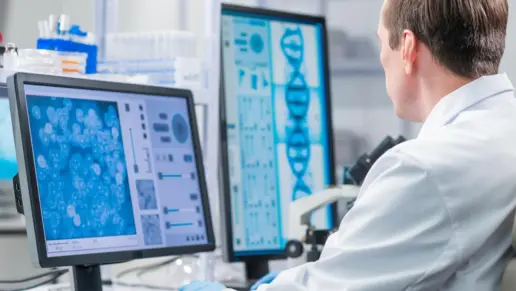
Researchers examined genetic data from previously published genome-wide association studies involving more than 2.2 million individuals, focusing on four substance use disorders: alcohol, tobacco, cannabis, and opioids.
The study identified two main genetic pathways driving addiction risk. The first involves what researchers call “behavioral disinhibition,” neural systems governing self-control, risk assessment and reward processing.
The second involves substance-specific pathways, such as genes involved in nicotine receptors and alcohol metabolism.
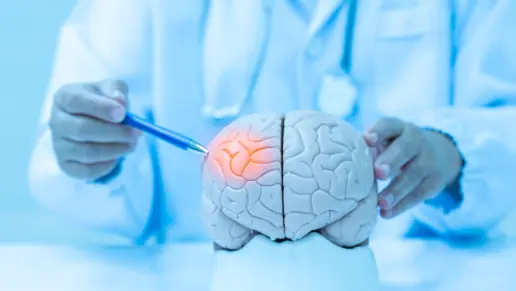
Critically, most addiction risk can be attributed to genes that influence how the brain regulates impulses, processes rewards and assesses consequences, not genes that specifically impact any one substance use disorder.
This distinction matters enormously for addiction treatment. It suggests that the same underlying neurological vulnerability can express itself as alcohol use disorder in one person, opioid use disorder in another and cannabis use disorder in a third.
Two Pathways to Addiction Risk
Genes linked to the broad liability pathway were largely involved in brain signaling, reward processing and neural plasticity, while substance-specific genes mapped onto pathways such as alcohol metabolism or nicotinic acetylcholine receptors active in tobacco use.
The researchers also found that modeling addiction together with related traits like ADHD and risk-taking enhanced their ability to detect genetic effects without losing sight of substance-specific signals. This is relevant for treatment seekers with co-occurring conditions.
Facilities equipped to treat ADHD alongside substance use disorder may be particularly important for individuals whose genetic profile includes broad externalizing risk factors.
Polygenic Scores Could Personalize Care
One of the study’s most clinically promising developments is the use of polygenic scores, tools that combine thousands of genetic variants into a single risk index.
Broad externalizing polygenic scores proved especially effective at predicting risk across multiple substance use disorders, while substance-specific scores offered more precise information about vulnerability to particular drugs like alcohol or nicotine.
The researchers also conducted network and drug-target analyses suggesting potential biological systems and medications that could be used for treatment.
This opens the door to more targeted use of medication-assisted treatment (MAT). FDA-approved medications like buprenorphine, naltrexone or acamprosate can be matched to a patient’s specific biological profile.
What This Means for Treatment Seekers
These findings reinforce the importance of choosing a rehab center that conducts thorough clinical assessments rather than applying one-size-fits-all treatment protocols.
If your family history includes addiction across multiple substances or co-occurring mental health conditions like ADHD, you may carry a broad genetic vulnerability that responds best to programs addressing the underlying neurological drivers, not just the substance itself.
The findings can be used to develop more targeted prevention or early intervention initiatives, which may eventually translate into better tools at the intake and assessment stage of rehab.
Finding the Right Rehab
If you or someone you love is showing signs of addiction, especially across more than one substance or alongside a mental health diagnosis, evidence-based, individualized treatment is essential.
Look for facilities that offer comprehensive clinical assessments, dual diagnosis capabilities, and access to medication-assisted treatment where appropriate.
Rehab.com’s directory includes more than 25,000 verified rehab centers. Call
800-985-8516
(  Sponsored Helpline )
to speak with a treatment advisor.
Sponsored Helpline )
to speak with a treatment advisor.