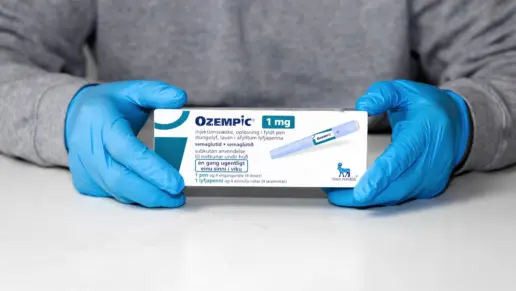
For people weighing addiction treatment, that shift matters, because a growing body of research suggests these same drugs may help reduce cravings for alcohol and other substances.
What the Medicare GLP-1 Program Changes
The Medicare GLP-1 Bridge Program covers Foundayo (orforglipron), Wegovy (semaglutide), and Zepbound (tirzepatide). For 18 months, it flattens the monthly price of these medications from more than $1,000 to $50.
To qualify, beneficiaries need a body mass index of at least 35, or 27 to 30 with another condition such as diabetes or a history of heart attack or stroke. Nearly 4 million people are expected to meet the criteria, according to the source reporting.
Addiction is not on the list of qualifying conditions. Even so, addiction medicine specialists are paying attention, because the drugs older adults are now accessing for weight and metabolic health may carry a second benefit.
Why Researchers Link GLP-1 Drugs to Addiction
GLP-1 receptors sit in the brain as well as the gut. Beyond promoting fullness, they appear to quiet the intrusive thoughts about food that many patients describe.
That effect is tied to how the drugs modulate dopamine reward pathways, and the same mechanism seems to ease cravings for alcohol and other drugs.
The context is a rise in substance use among older adults. Alcohol use disorder, cannabis use disorder, and opioid use disorder are all increasing in this group, while smoking, which is falling in the general population, has stalled among seniors.
Loneliness, the COVID-19 pandemic, chronic pain, and generational attitudes toward substance use have all been cited as contributing factors.
Special Risks for Older Adults
The article is clear that GLP-1 agonists carry added risks for people 65 and older. Body composition changes with age, as total body water, muscle mass, and bone density all decline.
Because the drugs can suppress thirst and appetite, they may raise the risk of dehydration and acute kidney injury in seniors, who already tend to drink less water. Many GLP-1 studies excluded older patients with impaired kidney function.
Loss of muscle alongside fat is common, so clinicians may recommend higher protein intake and resistance exercise, along with up-to-date bone-density scans.
The drugs also carry a warning for pancreatitis, a concern that rises further with the elevated triglyceride levels sometimes seen in people with alcohol use disorder. Slower dose titration is often advised for older patients.
When a GLP-1 Might Fit an Older Patient
GLP-1 agonists are not approved by the FDA for addiction. On-label options remain the standard, including naltrexone for alcohol use disorder, buprenorphine for opioid use disorder, and varenicline for smoking cessation.
These are forms of medication-assisted treatment, or MAT, that combine medication with counseling and support. Reducing the number of medications an older adult takes is also a priority.
If a senior already qualifies for a GLP-1 based on BMI, heart disease, or diabetes and is also living with addiction, a clinician may reasonably choose the single drug rather than adding a second.
Cannabis use disorder, which has no FDA-approved medication, is one area where a GLP-1 may be considered, since the off-label alternative, gabapentin, carries sedation and fall risks in seniors.
What This Means for Treatment Seekers
For older adults and their families comparing rehab centers, the takeaway is not that GLP-1 drugs replace established care.
It is that addiction treatment is becoming more individualized, and that a primary care provider who knows a patient’s full history is well placed to weigh benefits against risks. Anyone considering these medications for addiction should treat it as an off-label conversation with a physician.
Finding the Right Rehab
People researching addiction treatment can start by comparing rehab centers that offer medically supervised care and by asking how a program coordinates with a patient’s primary care team.
It also helps to understand insurance coverage for addiction treatment, including Medicare, and to ask about evidence-based options such as MAT.
Rehab.com’s directory of verified treatment centers can help older adults and their families find programs suited to senior-specific needs. Call
800-985-8516
(  Sponsored Helpline )