






























































































As a parent there is nothing worse to see your child struggle with drugs and alcohol. Goldbridge welcomed him, showed him the way of a sober life. The staff is so human and empathetic that it allows the clients to feel welcomed or un judged and make feel them at home. I ...
About Gold Bridge Treatment Center
Gold Bridge Treatment Center is a substance use treatment program located in Louisburg, Kansas offering customized care for adults seeking recovery.
Services include counseling and relapse prevention designed to address each client’s unique needs. The program focuses on helping clients build a strong foundation for lasting long term recovery.
Counseling and Relapse Prevention Programs
Treatment at Gold Bridge Treatment Center begins with a comprehensive assessment which informs the development of a personalized treatment plan tailored to each client’s substance use history and recovery goals.
This approach helps ensure that care is targeted and relevant from the start of the recovery process. Clients can expect structured support through counseling sessions alongside dedicated relapse prevention programming.
These services work together to build coping skills, address underlying concerns, and support sustained recovery.
Quick Facts About Gold Bridge Treatment Center
- Location: Louisburg, Kansas, a small-town setting that supports a focused recovery environment.
- Services offered: Assessment, client counseling, group counseling, and relapse prevention.
- Who they treat: Adults seeking substance use disorder treatment.
- Approach: Customized treatment planning centered on each client’s specific recovery needs.
- Payment options: Self-pay, financing and payment plans, and most major PPO insurance plans accepted.
Latest Reviews
Got the care and support and knowledge that I need to get myself clean and tools and knowledge to be able to stay sober and saved me in my lowest of lows. If it was for the staff and their amazing programs I wouldn't be here today. Thanks Gold Bridge and your amazing loving staff that was like a family to me.
Sincerly,
Corey C
It works.
Finally getting around to sharing but I'm extremely grateful for this place. I'm coming up on 2 years clean from opiates. It was my first ever time in treatment and it stuck.
Very well. They set you up to be successful afterwards with doctors appointments and IOP so even though I haven't had much contact with GB themselves since, I've still was able to maintain treatment.
Food was AMAZING. I had my own 1-bdr apartment with a kitchenette. The therapy was constant so it kept you busy. All the people were nice and they really seemed to care about what they were doing and being there. The pool table and cereal bar were great amenities too.
My only complaint is that I left with a vitamin D deficiency, but it was wintertime in KS so we just couldn't do many outings.
FOOD WAS AMAZING!!!!
COULDN’T OF ASKED FOR A BETTER STAFF. ILOVE THEM ALL !!!!!!!!!!!
EXCELLENT ROOMS THEY DEFINITELY MAKE YOU FEEL AT HOME HERE !!!!!!!!
THIS PLACE TURNED MY LIFE AROUND FOR THE BETTER !!! ❤️🤯
For All Of You Seeking Help With Any Kind Of Recovery I Stongly Suggest That You Go Here. You Will Be Nothing short of Impressed !!!!
Is The Best FACILITY In kansas without a dout !!!!

Rehab Score
 Our Methodology
Scoring is assigned by a proprietary system which helps surface key metrics that determine quality. The 10-point scale factors in categories such as operations, customer satisfaction, and trust metrics. Read Full Methodology

7.8 / 10
Gallery
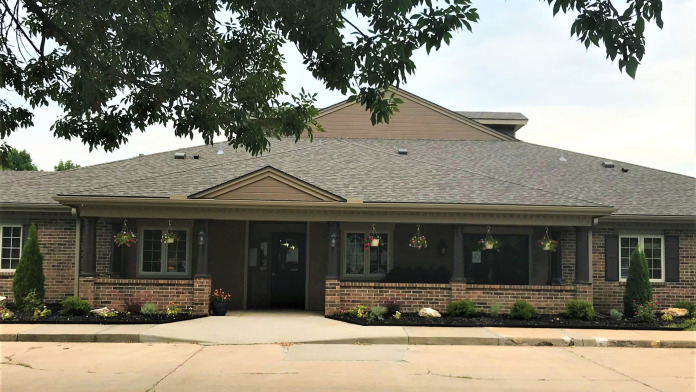

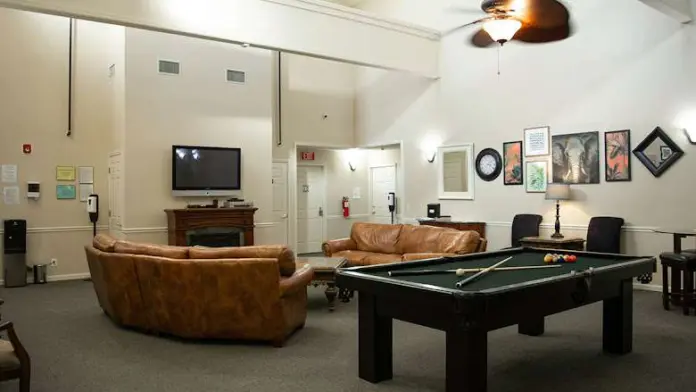
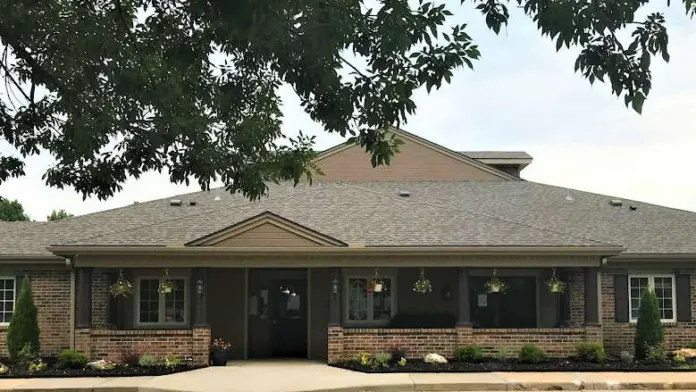
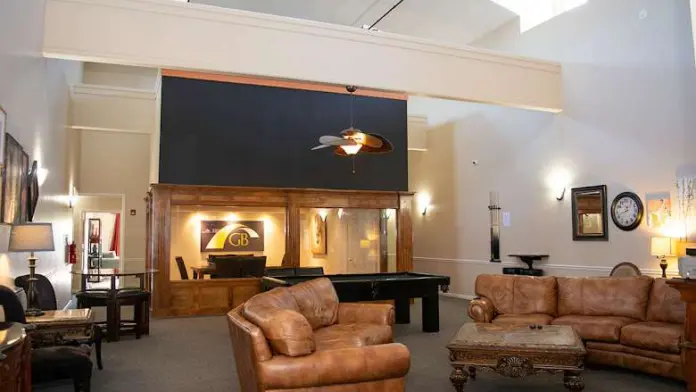
Accepted Insurance
Other Forms of Payment
Private insurance refers to any kind of healthcare coverage that isn't from the state or federal government. This includes individual and family plans offered by an employer or purchased from the Insurance Marketplace. Every plan will have different requirements and out of pocket costs so be sure to get the full details before you start treatment.
Self-pay involves paying for treatment out of your own pocket. You can use savings or credit, get a personal loan, or receive help from family and friends to fund your treatment. If you don't have insurance or your insurance plan doesn't cover a specific program, self-pay can help ensure you still get the care you need.
Medicare is a federal program that provides health insurance for those 65 and older. It also serves people under 65 with chronic and disabling health challenges. To use Medicare for addiction treatment you need to find a program that accepts Medicare and is in network with your plan. Out of pocket costs and preauthorization requirements vary, so always check with your provider.
Addiction Treatments
Levels of Care
Clients receiving treatment at an outpatient facility are often further along in their recovery journey than those in inpatient care, meaning they may require less intensive supervision and support. Outpatient services generally include addiction counseling, recovery education, and community reintegration support. Most outpatient rehabs offer evening, night, and weekend services to accommodate clients' needs. Clients who are in early recovery or are at an increased relapse risk may enroll in partial hospitalization (PHP) or intensive outpatient (IOP) programs.
Clients exiting detox, stepping down from inpatient rehab, or at an increased risk of relapse often enroll in intensive outpatient programs (IOP). These programs offer high-level support, including multiple therapeutic sessions per week. Clients typically receive between nine and 20 hours of treatment weekly. Intensive outpatient rehabs generally offer an array of services, including individual, group, and family counseling and recovery education. Medication assisted treatment (MAT) is widely available for those in alcohol and/or opioid recovery.
Sober living homes in Kansas offers a balance of freedom, structure, and accountability to provide a safe environment where individuals in recovery can practice maintaining a sober lifestyle. Recovery homes, also called halfway houses, typically include daily chores, set meal times, curfews, and required 12-step meeting attendance. This setting can be beneficial for those who need additional support after treatment before returning home.
Detox treatment varies, but it always involves 24-hour clinical care in Kansas. This supervision is necessary to ensure a safe detox process. Time frame for this level of treatment depends on the severity and type of the addiction. Common time frames include 5-day detox and 7-day detox. Rapid detox programs are also available that are as short as 24 hours. Regardless of the time frame, constant supervision by experienced staff is an essential component.
Physical withdrawal can be uncomfortable, and in severe cases, it can even be dangerous. In an inpatient environment, a medically assisted detox is performed by a team of licensed medical professionals who monitor your vitals, provide medications when necessary, and ensure your safety, health, and comfort during this process. Medical detox is usually the very first step in the recovery process.
Treatments
Substance rehabs focus on helping individuals recover from substance abuse, including alcohol and drug addiction (both illegal and prescription drugs). They often include the opportunity to engage in both individual as well as group therapy.
Programs
Adult rehab programs include therapies tailored to each client's specific needs, goals, and recovery progress. They are tailored to the specific challenges adult clients may face, including family and work pressures and commitments. From inpatient and residential treatment to various levels of outpatient services, there are many options available. Some facilities also help adults work through co-occurring conditions, like anxiety, that can accompany addiction.
Young adulthood can be an exciting, yet difficult, time of transition. Individuals in their late teens to mid-20s face unique stressors related to school, jobs, families, and social circles, which can lead to a rise in substance use. Rehab centers with dedicated young adult programs will include activities and amenities that cater to this age group, with an emphasis on specialized counseling, peer socialization, and ongoing aftercare.
Clinical Services
Substance abuse treatment typically includes group therapy where you can learn essential coping skills that help you navigate challenges within the community and relapse prevention strategies that support sustainable recovery. Group therapy offers you a platform to share your stories with your peers who understand the journey you are on.
In individual therapy, a patient meets one-on-one with a trained psychologist or counselor. Therapy is a pivotal part of effective substance abuse treatment, as it often covers root causes of addiction, including challenges faced by the patient in their social, family, and work/school life.
Couples therapy can help with problem solving, communication, forgiveness, and relationship satisfaction. This type of therapy is typically short term, and couples may meet with the therapist together as well as in separate sessions.
In family therapy, experienced therapists help family members navigate the challenges of addiction by fostering open lines of communication and mutual support. This approach strengthens the family unit and improves the effectiveness of the recovery process.
Creative arts therapy may be provided by qualified teachers, counselors, and psychotherapists. These professionals guide participants in self expression and emotional processing through activities such as dance, drama, poetry, painting, or sculpting.
Amenities
-
 Residential Setting
Accreditations

The Joint Commission, formerly known as JCAHO, is a nonprofit organization that accredits rehab organizations and programs. Founded in 1951, the Joint Commision's mission is to improve the quality of patient care and demonstrating the quality of patient care.
Joint Commission Accreditation: Yes
Rehab.com regularly reviews this listing for accuracy but changes may occur between updates. For the most up-to-date information, please contact Gold Bridge Treatment Center.
Contact Information

105 E. Amity Street
Louisburg, KS 66053
Get Help Now - 913-363-0419
Sponsored Helpline
Sponsored Helpline

